
Singapore / India
The World Through An Inclusive Lens
Words by Kate Schmidgall, Photographs by David Johnson, Film by Stephen Jeter
Contextualizing Tech
To articulate the ‘achieve more’ of our mission in a visual way, we routinely study the context of our products and worlds of our customers—their livelihoods and realities provide grounding for our best ideas. We believe the best ideas can come from the most remote places and that there is no more powerful force for progress than creativity forged in the crucible of need. To move us into a brighter, better future, we need to continually find inspiration in every dimension of culture and pattern in nature.
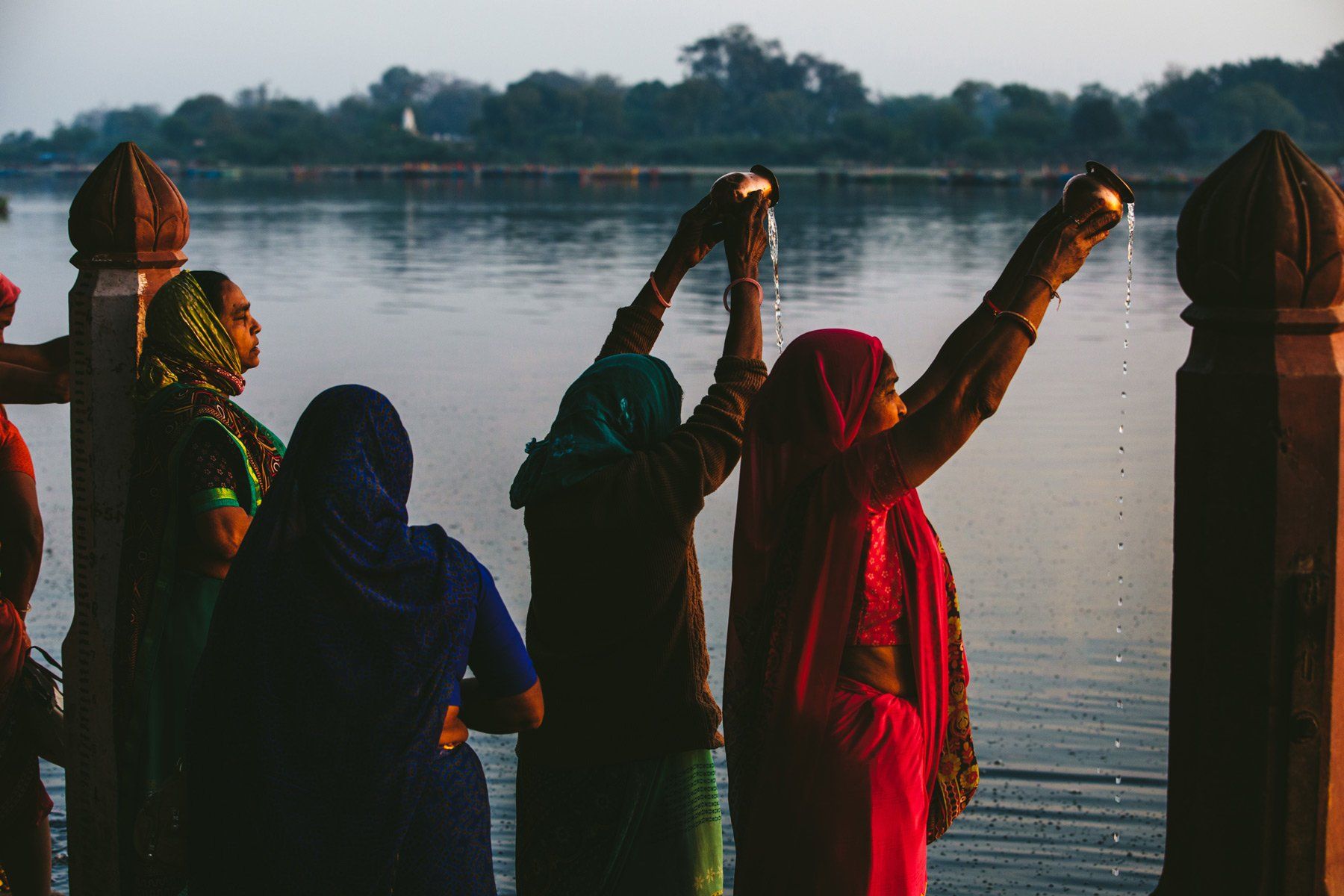
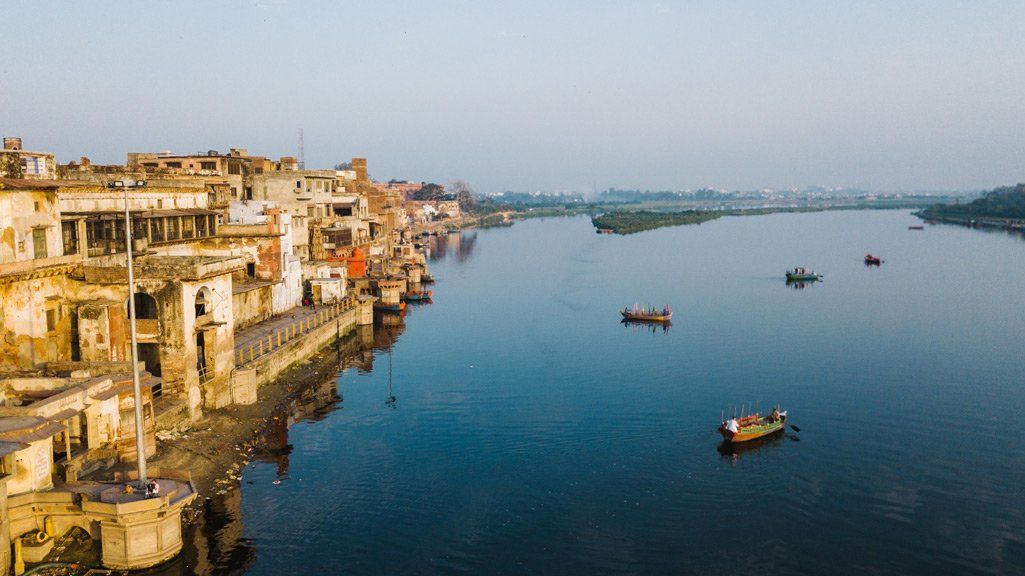
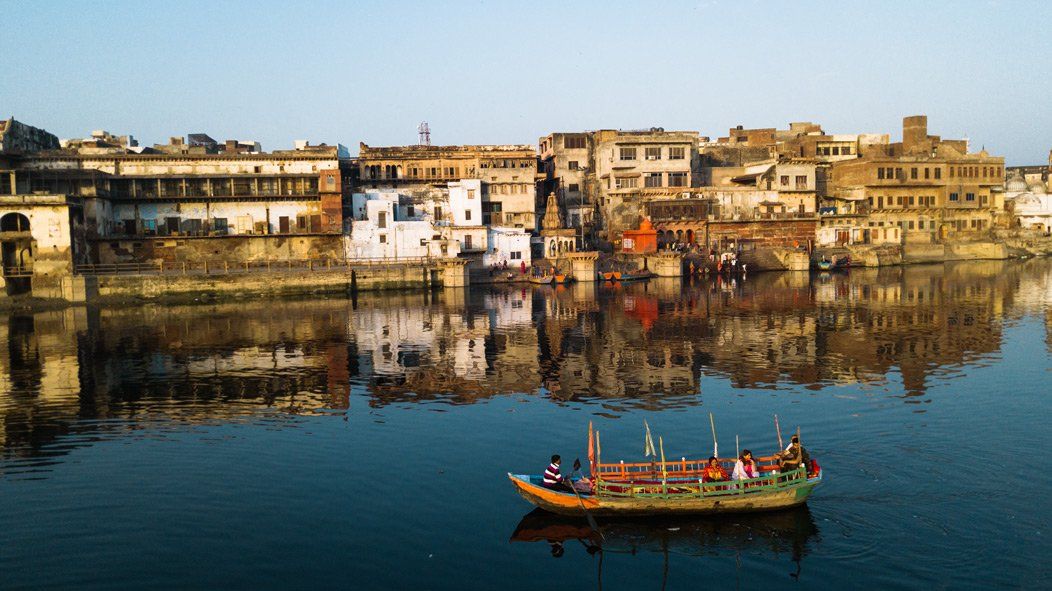
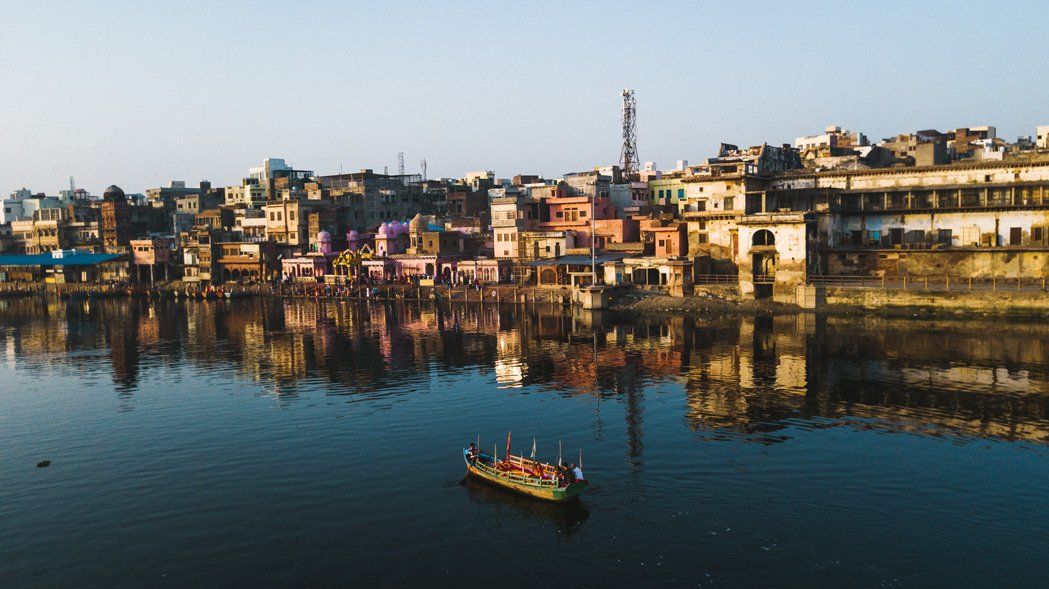
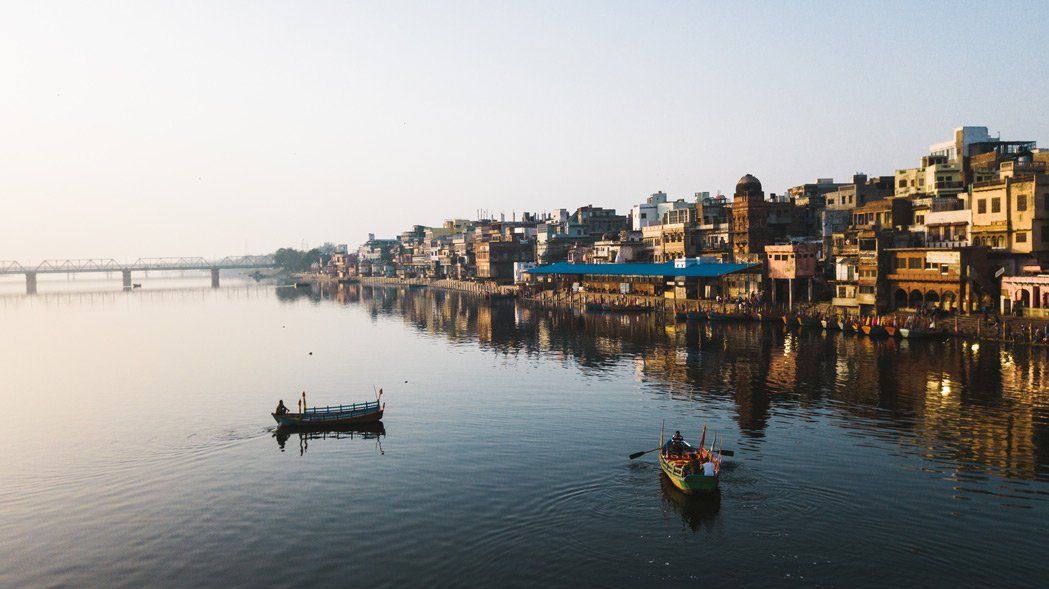
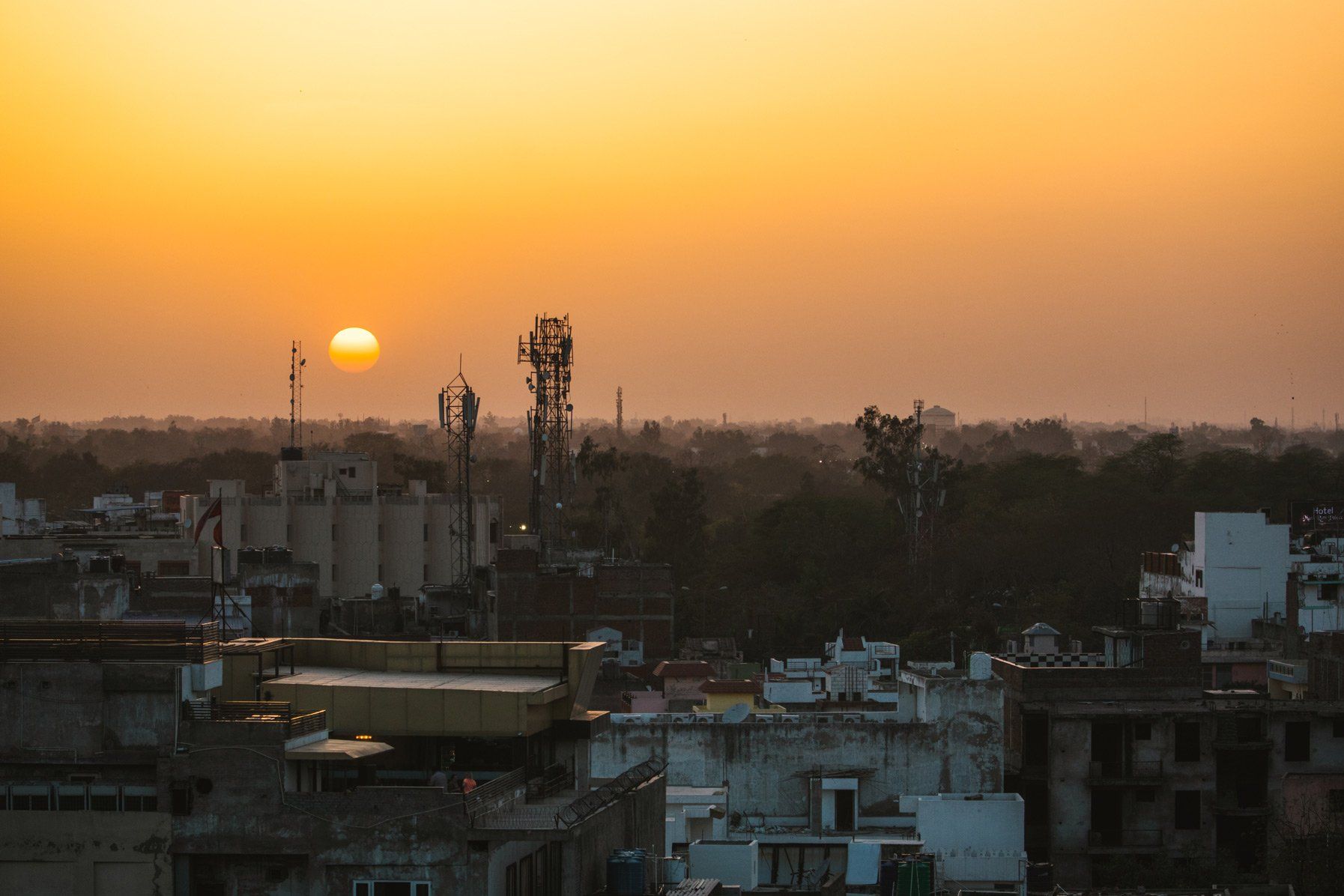
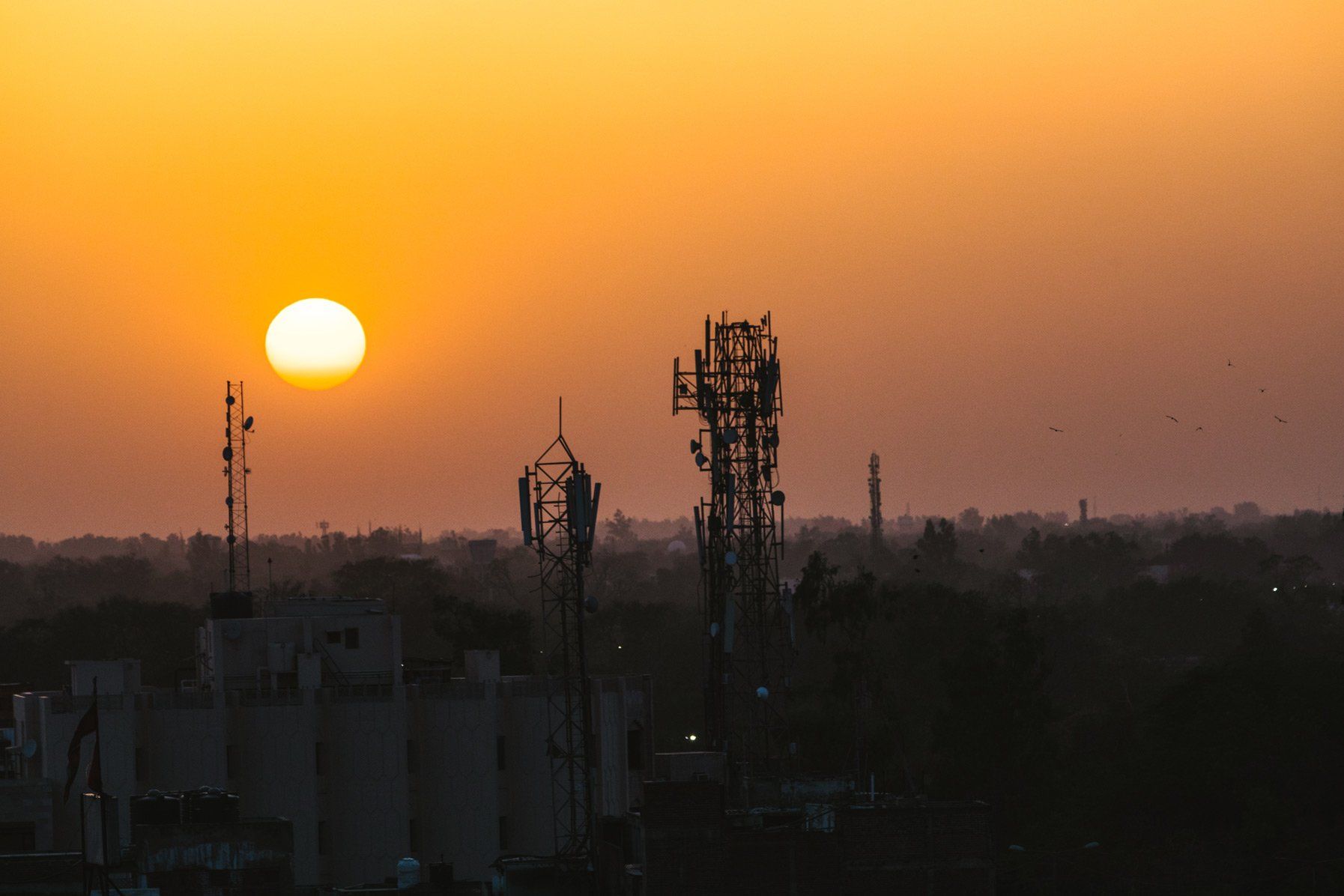
To that end, our story team set out to see what we could see, adding human and cultural texture, dimension and depth to Microsoft’s Global Image Library. From sunrise rituals in the sacred city of Mathura to the bustling market streets surrounding the iconic Taj Mahal in Agra, these scenes from northern India are full of life, light, and texture.




View more
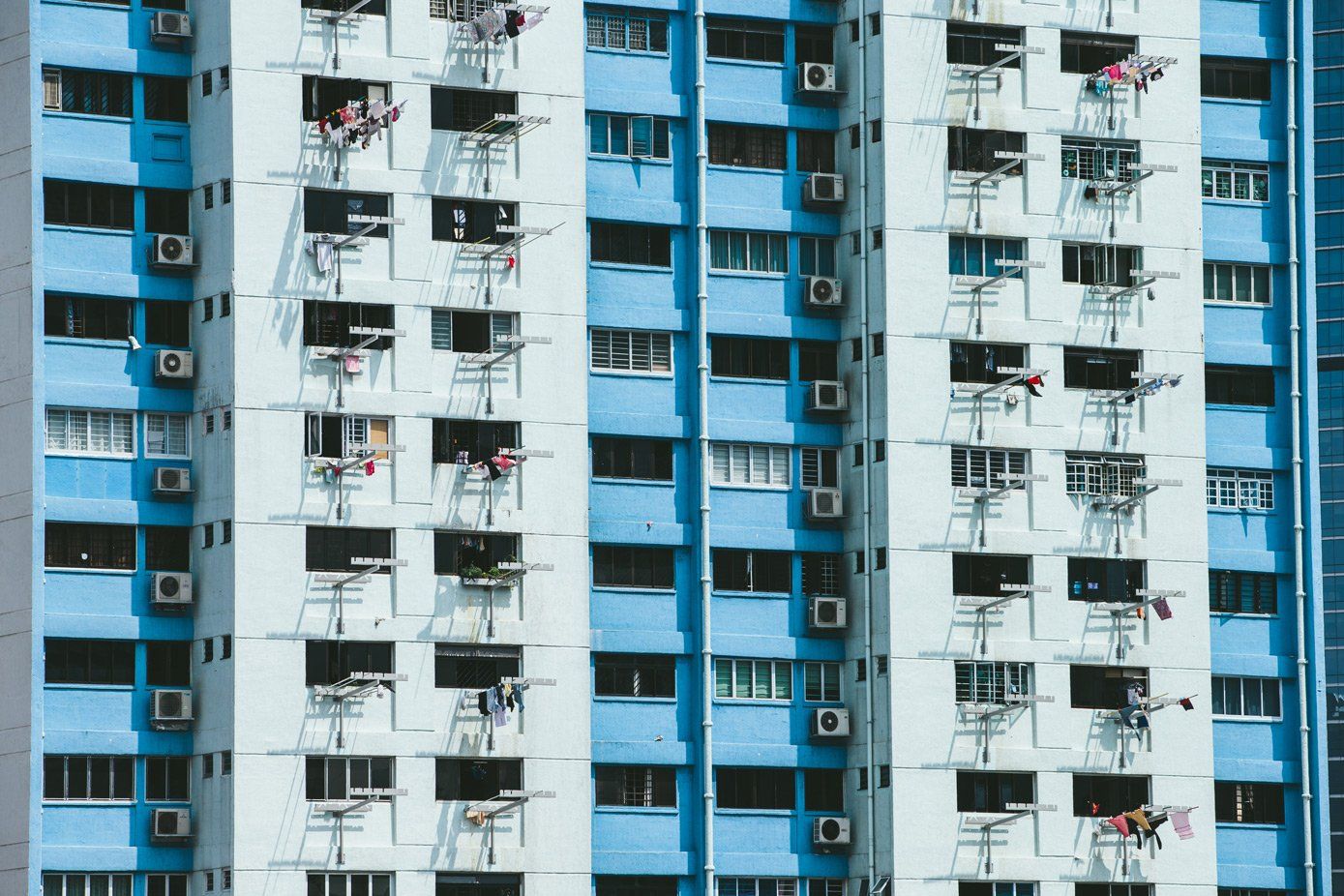
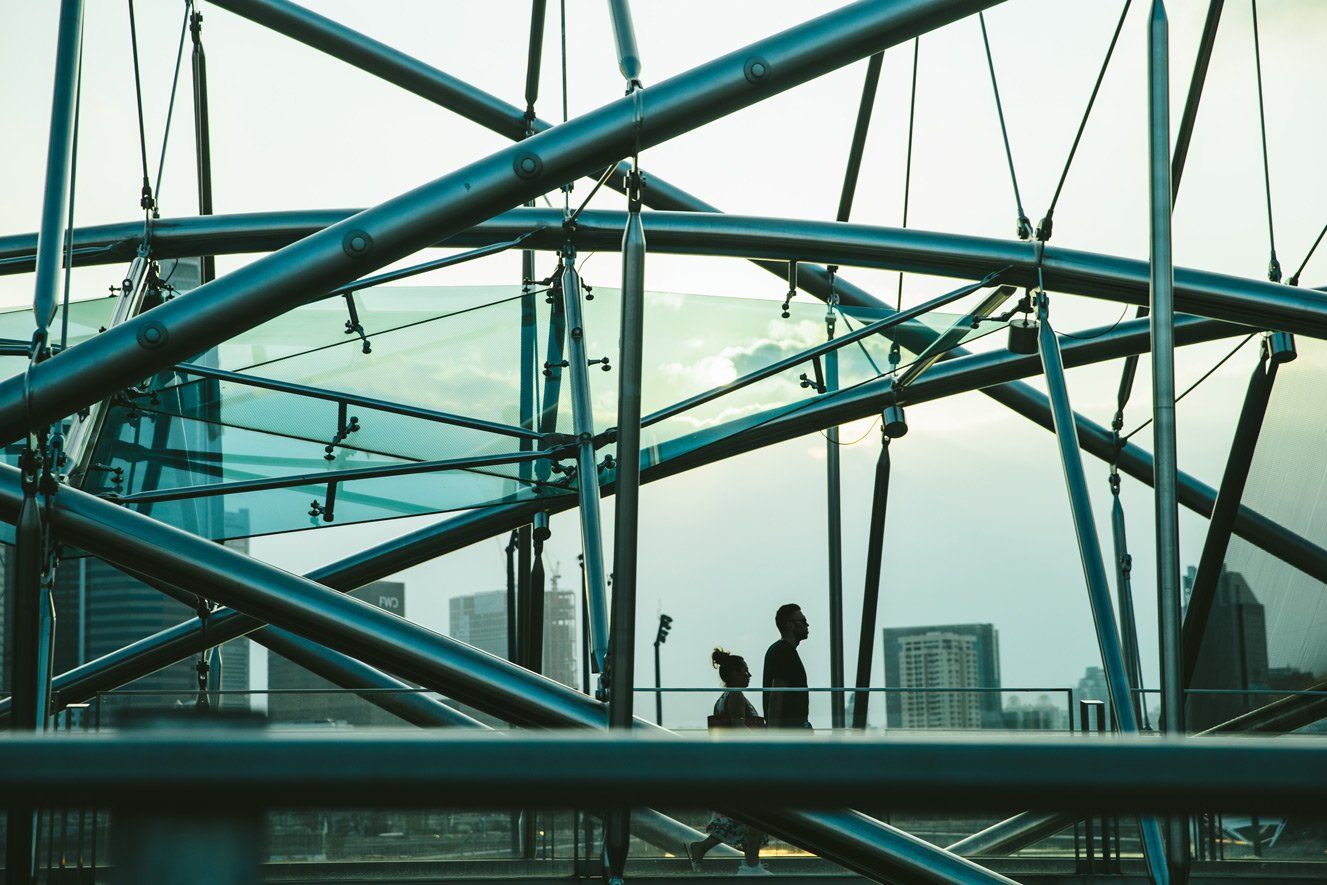
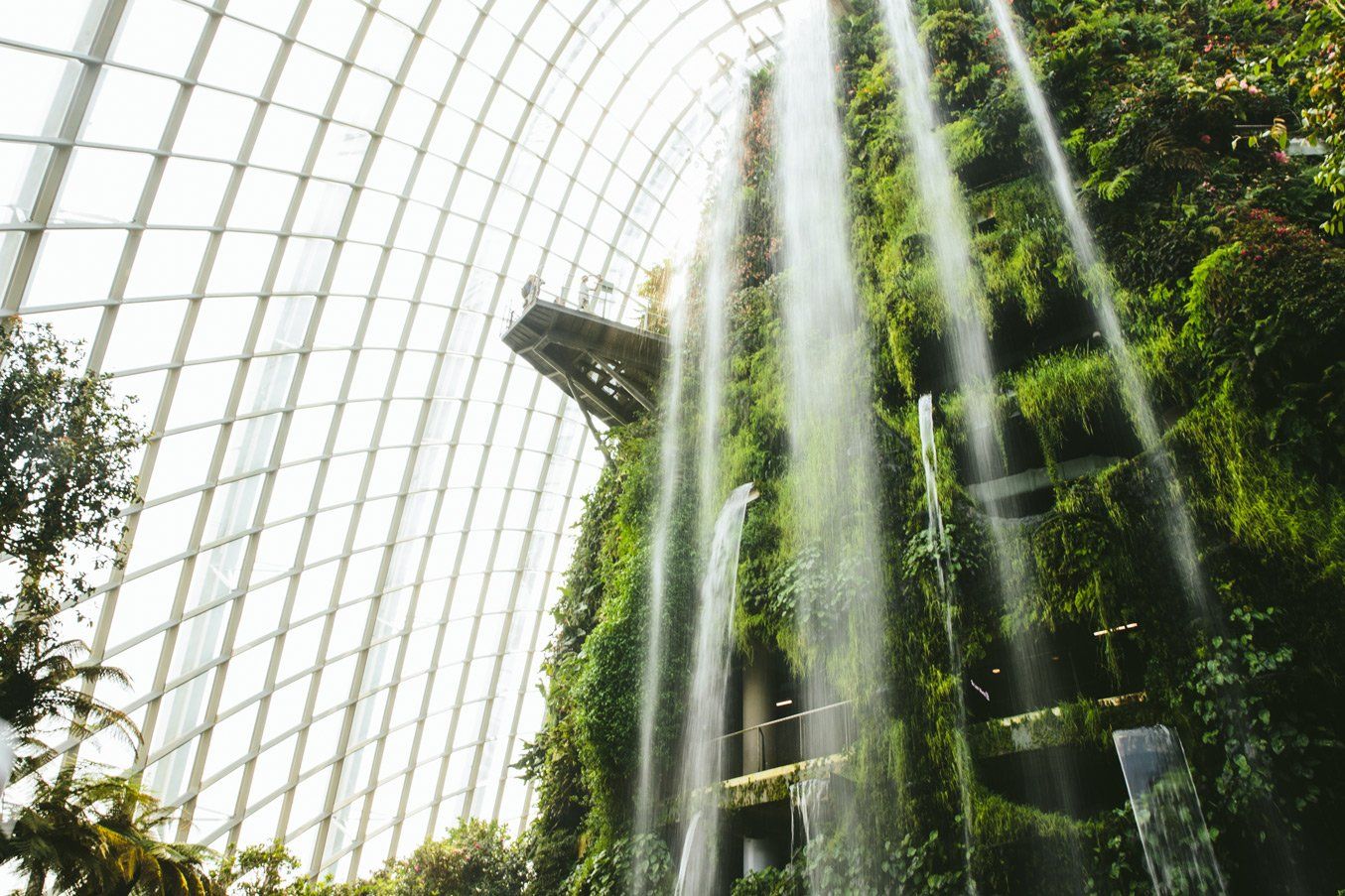
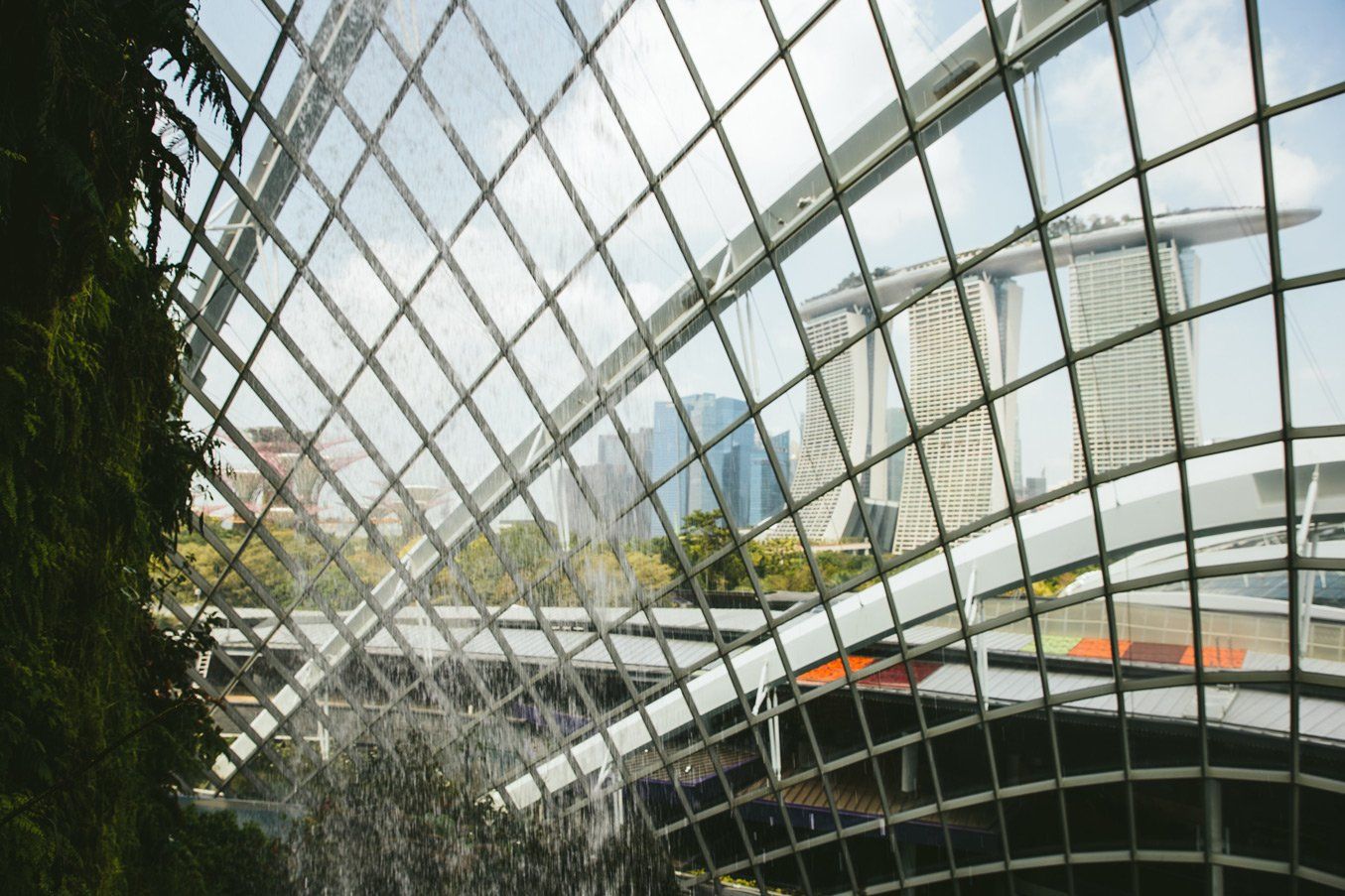
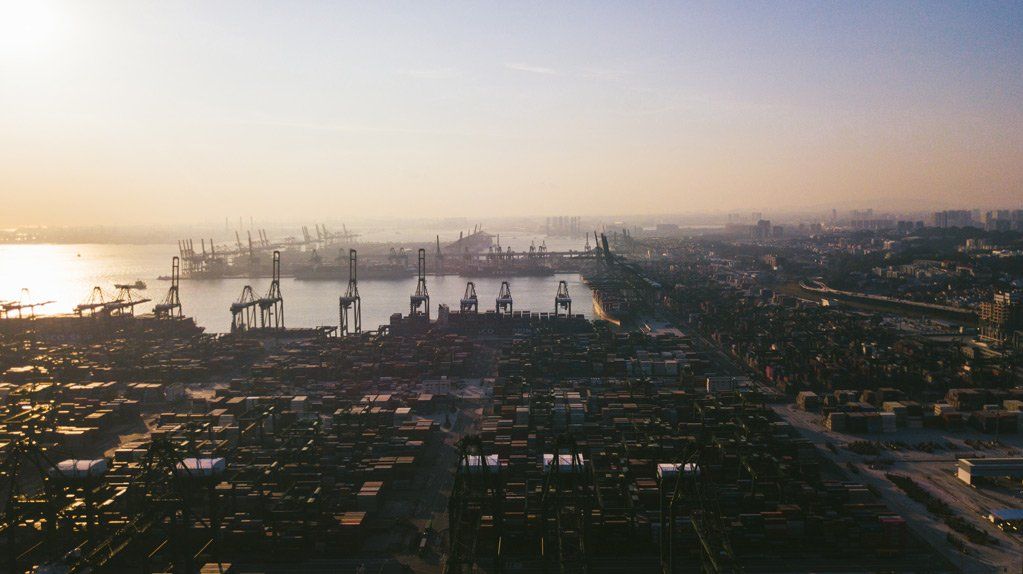
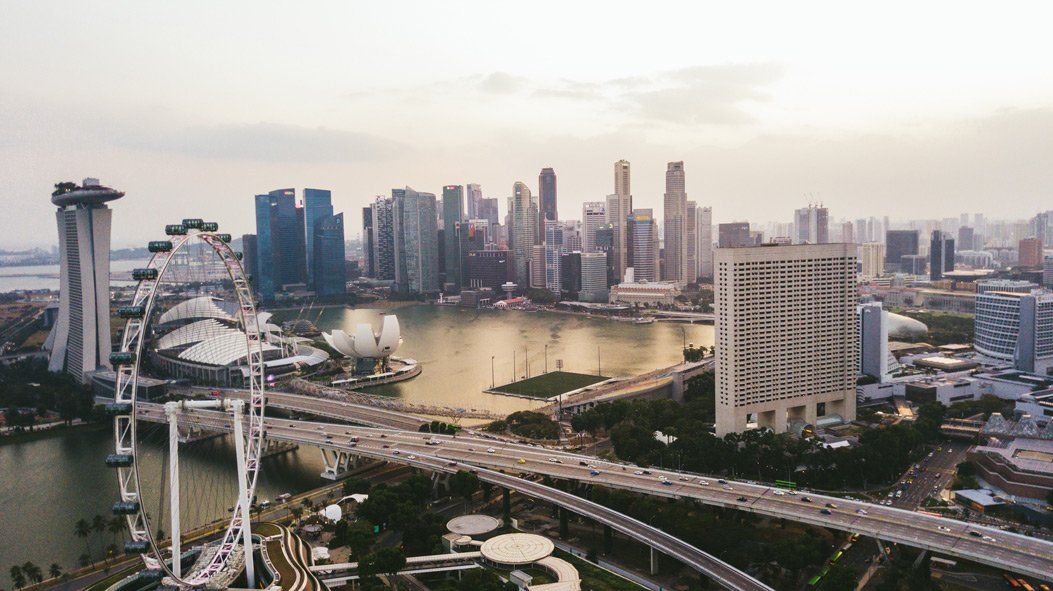
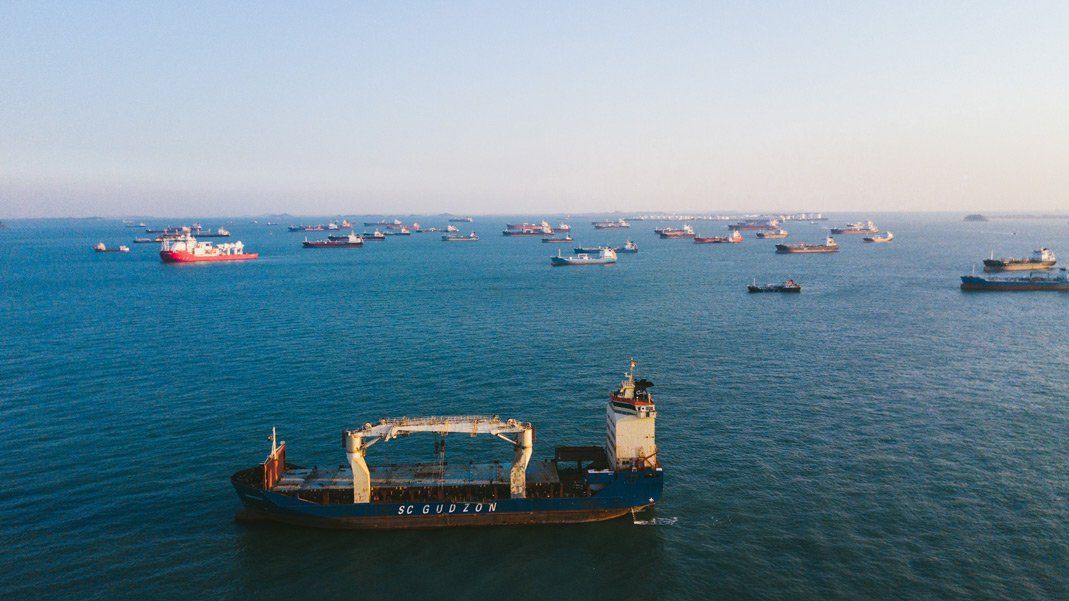
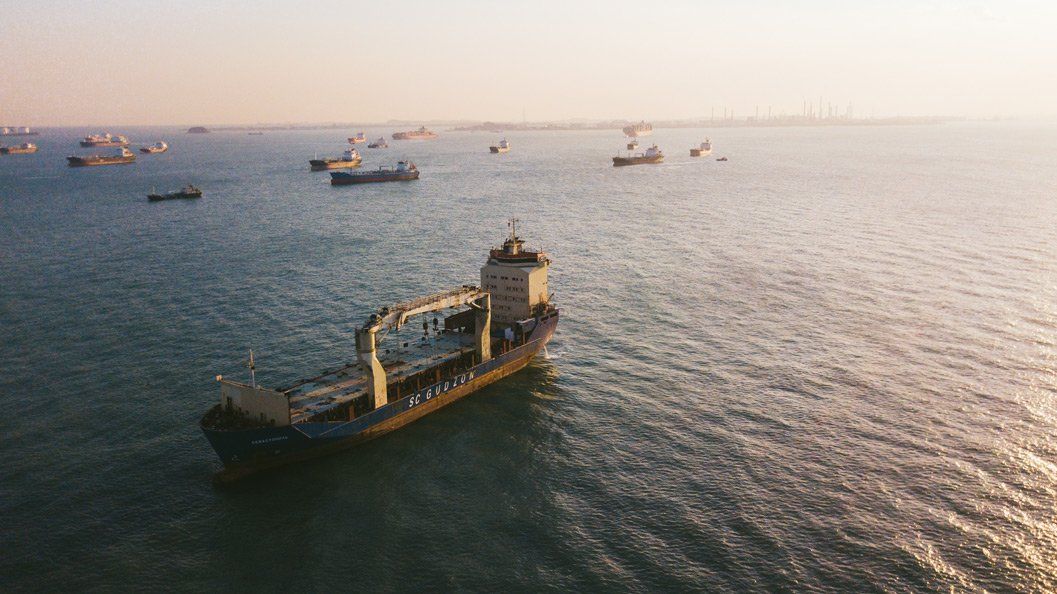
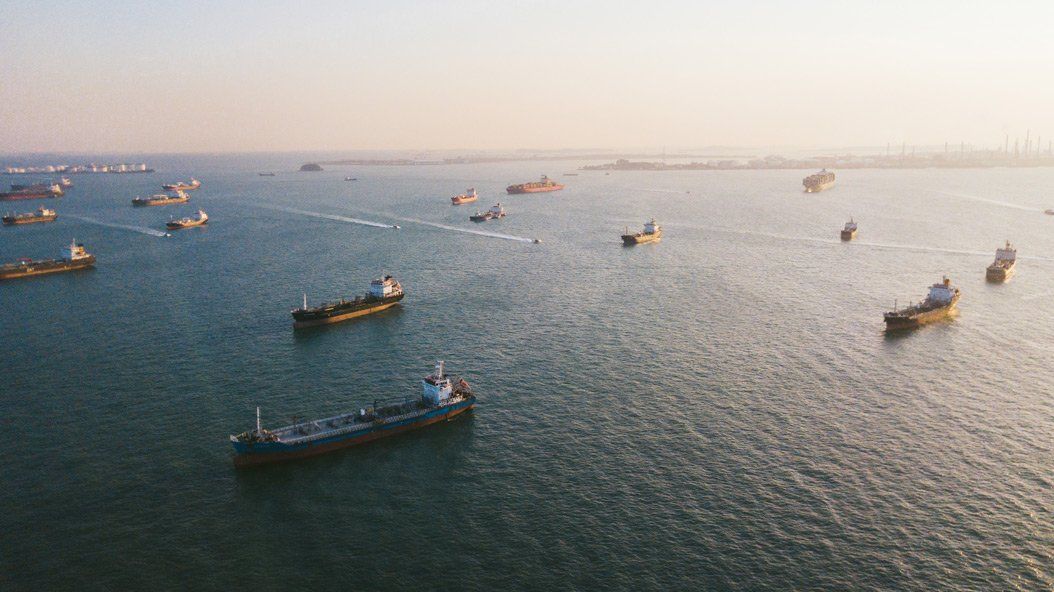
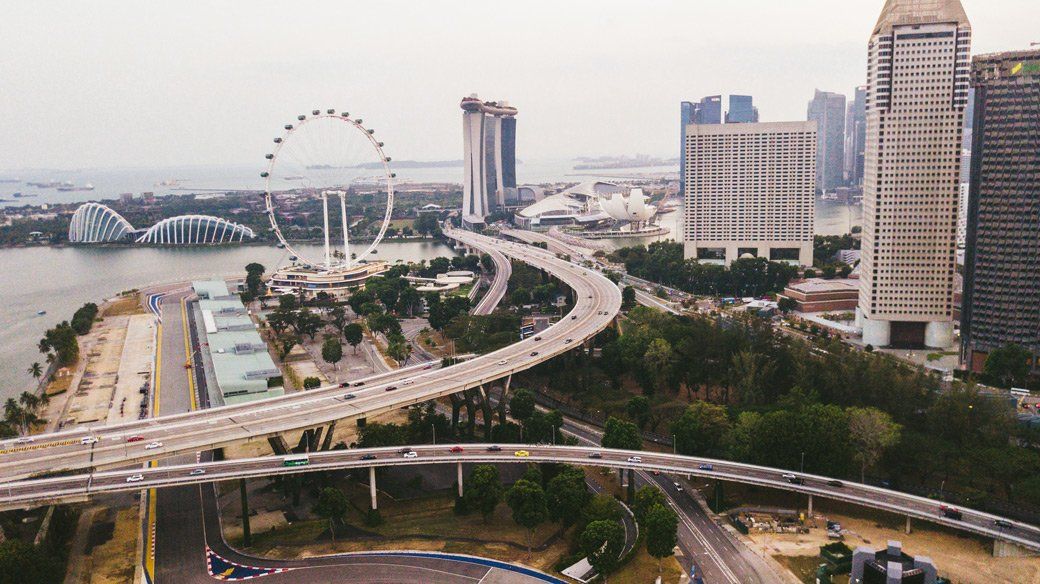
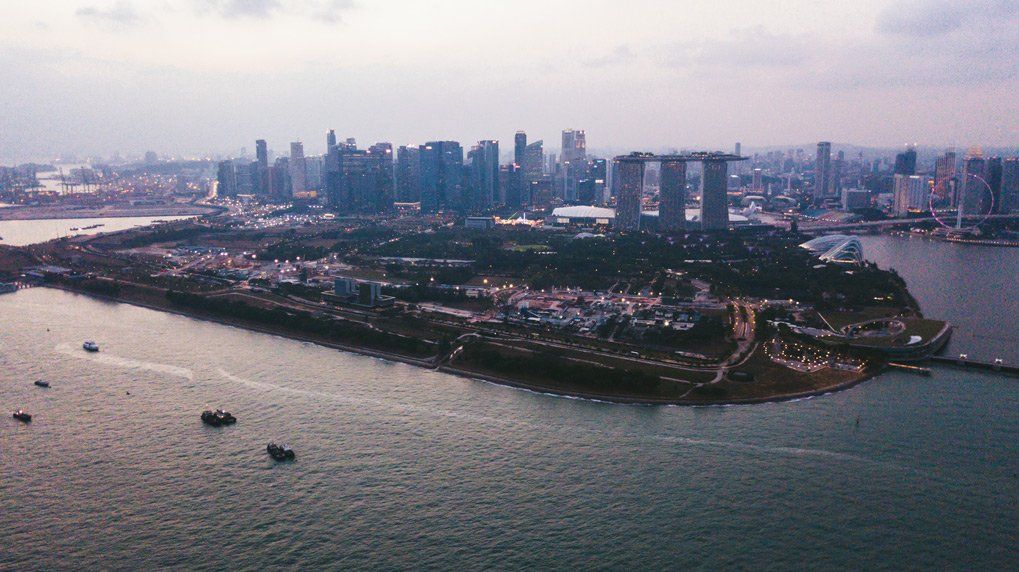
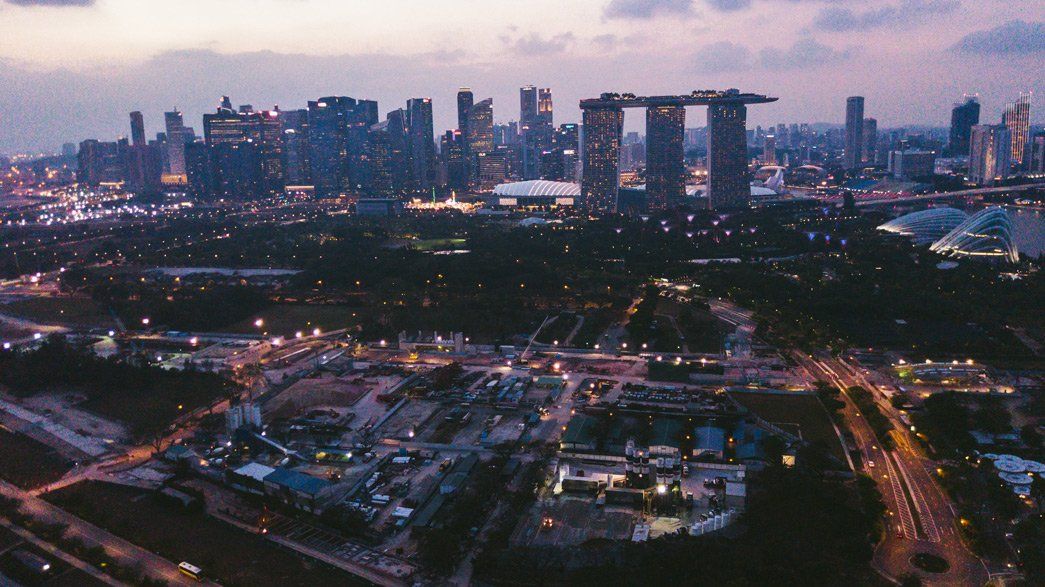
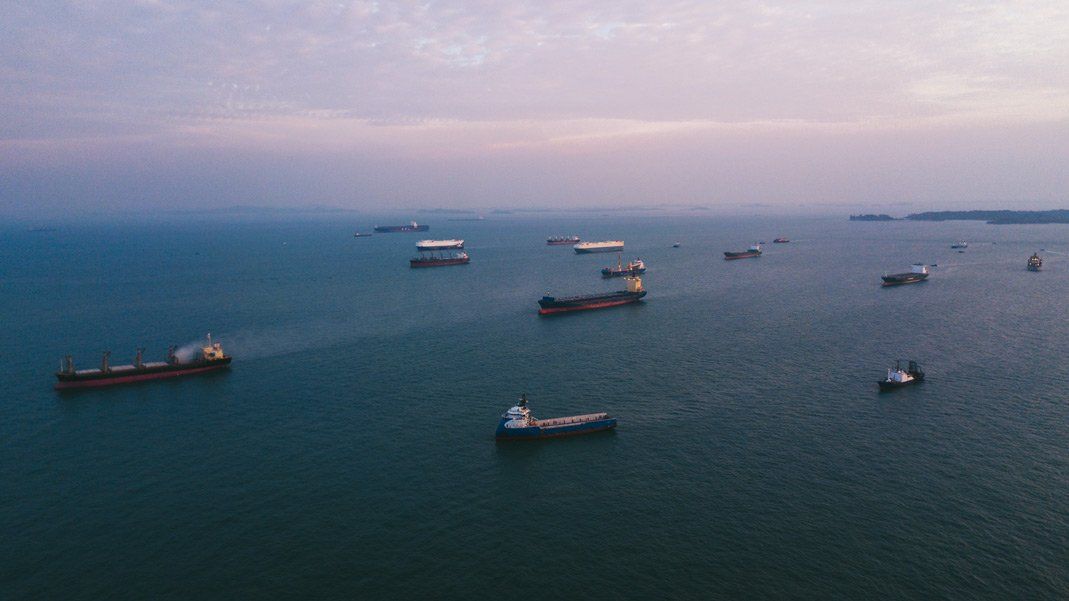
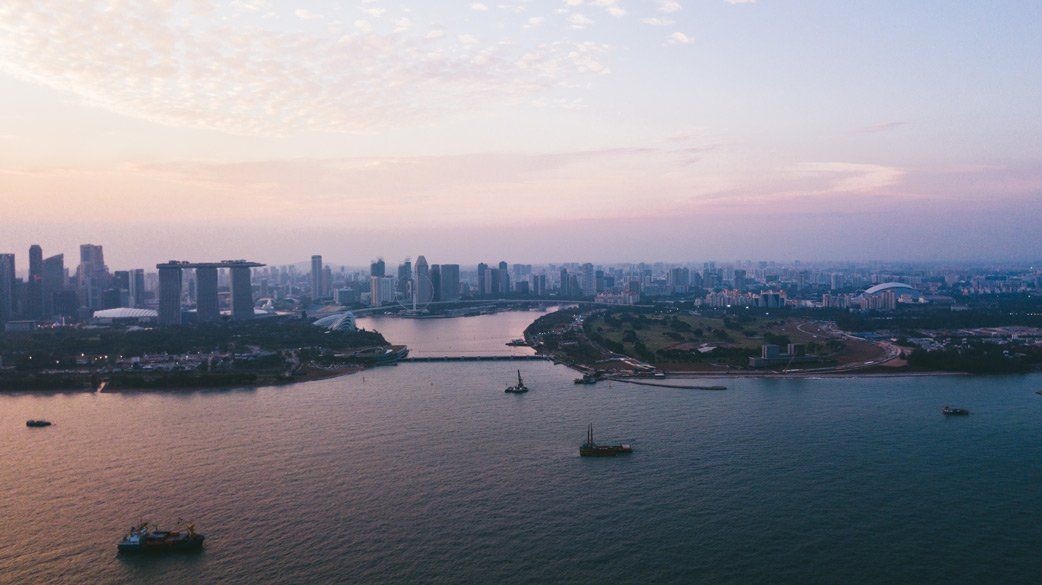
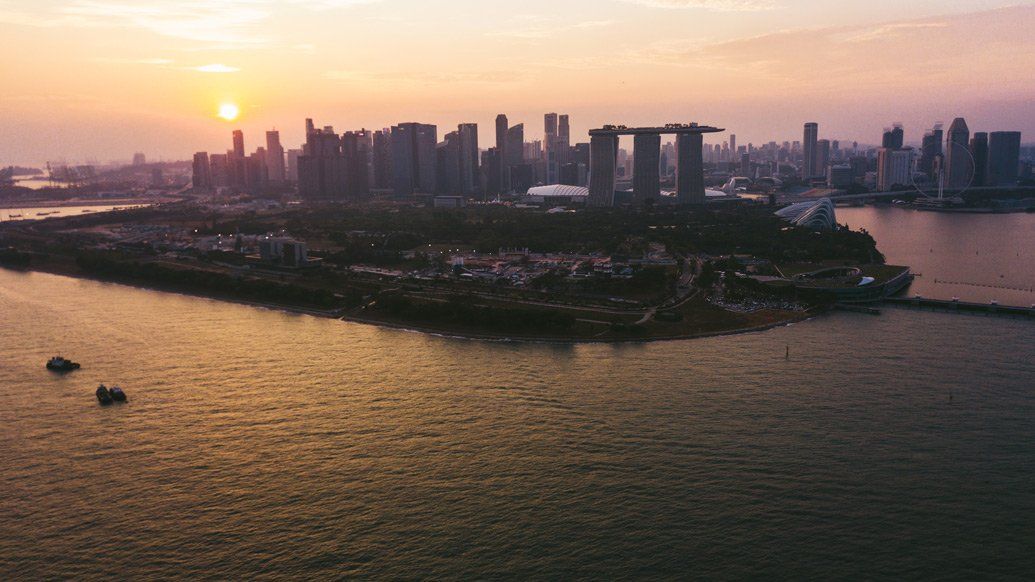
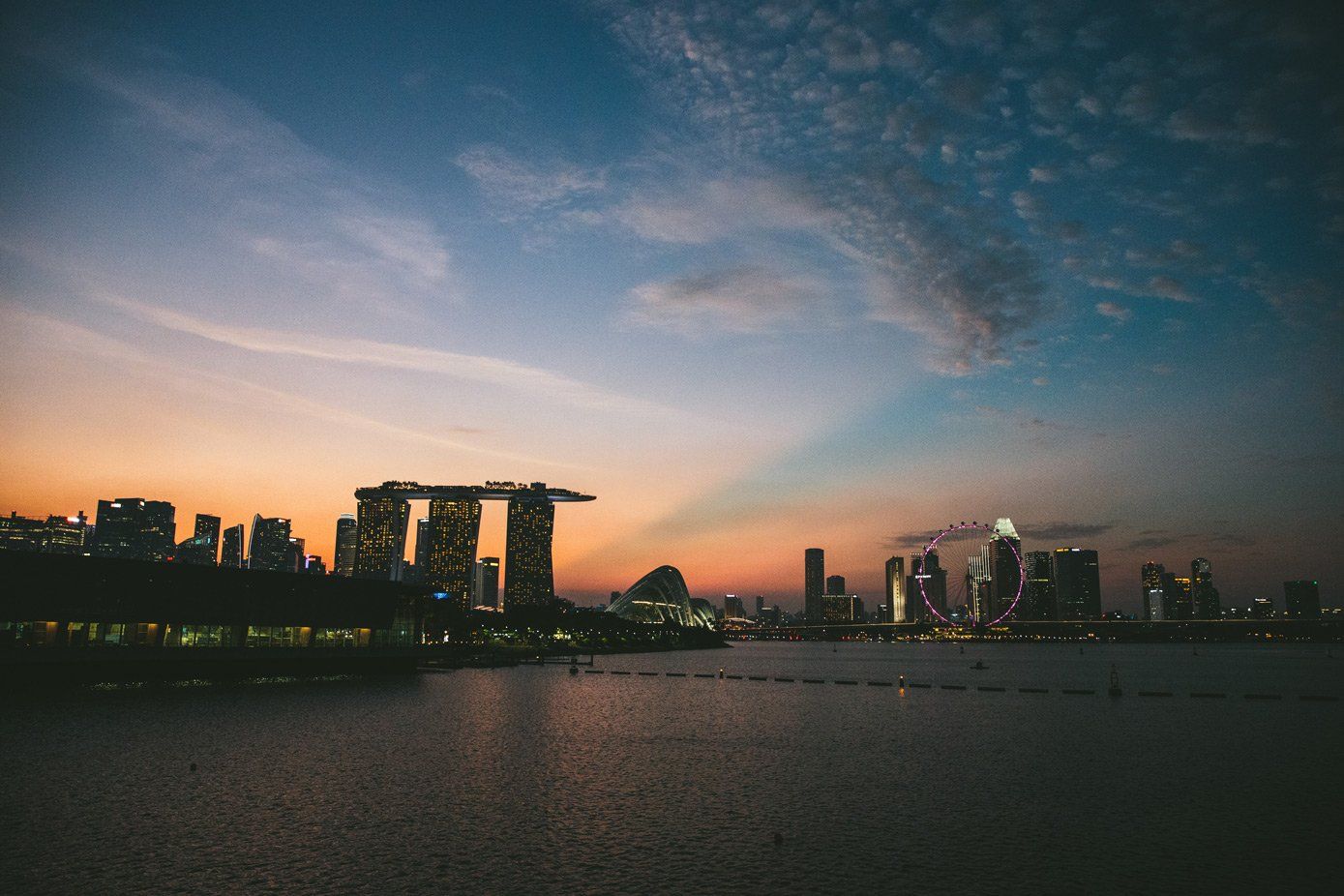
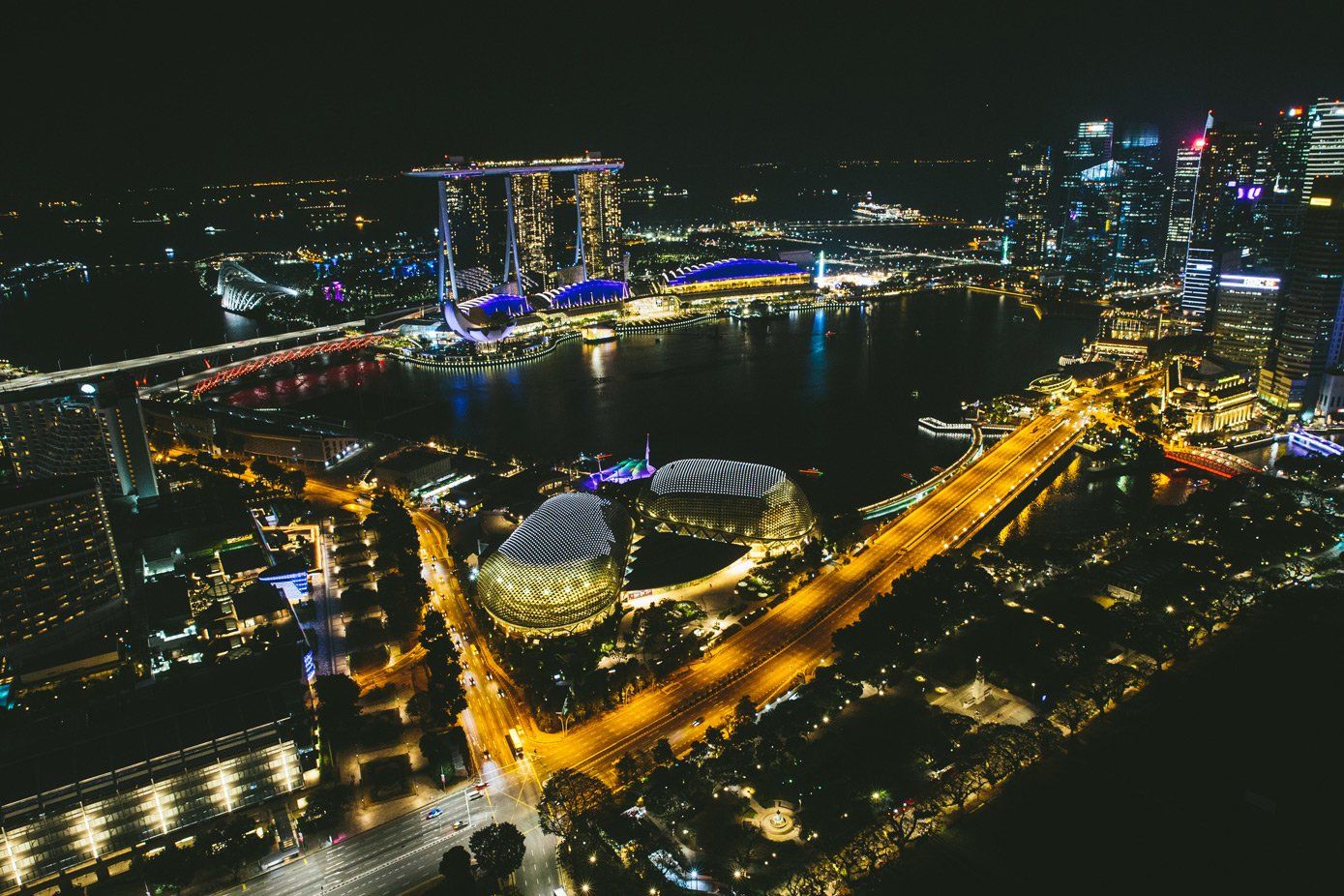
We contrast the soaked and saturated scenes of India with the sleek, modern of Singapore where indoor waterfalls give way to impressive latticed glass structures bringing the sky down to earth. For this island economy, industry is as much at sea as on land. Cranes line the coast and ships carve the harbor waters day and night.






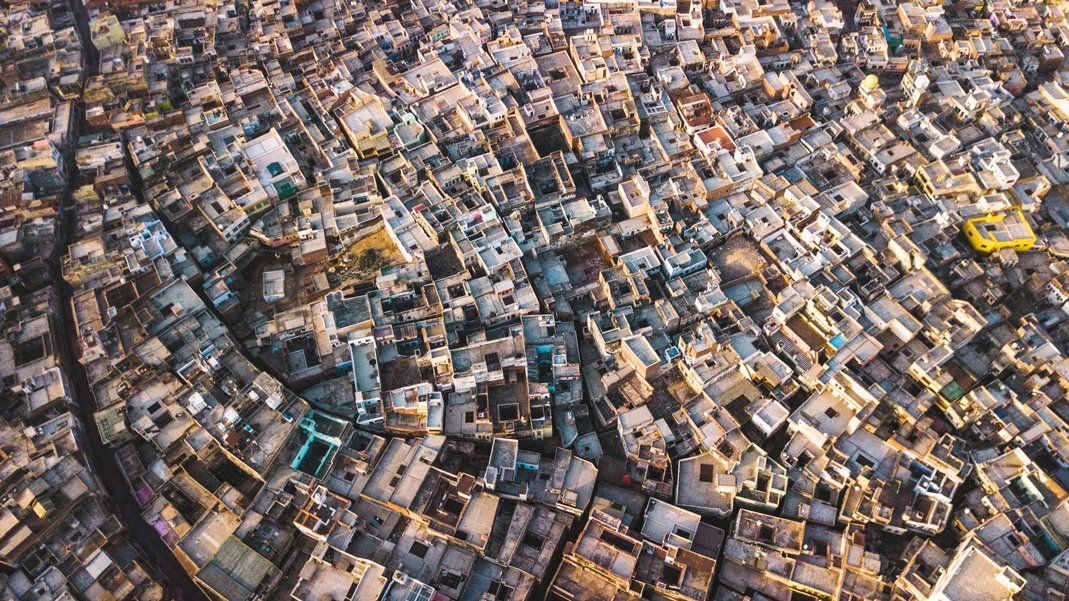
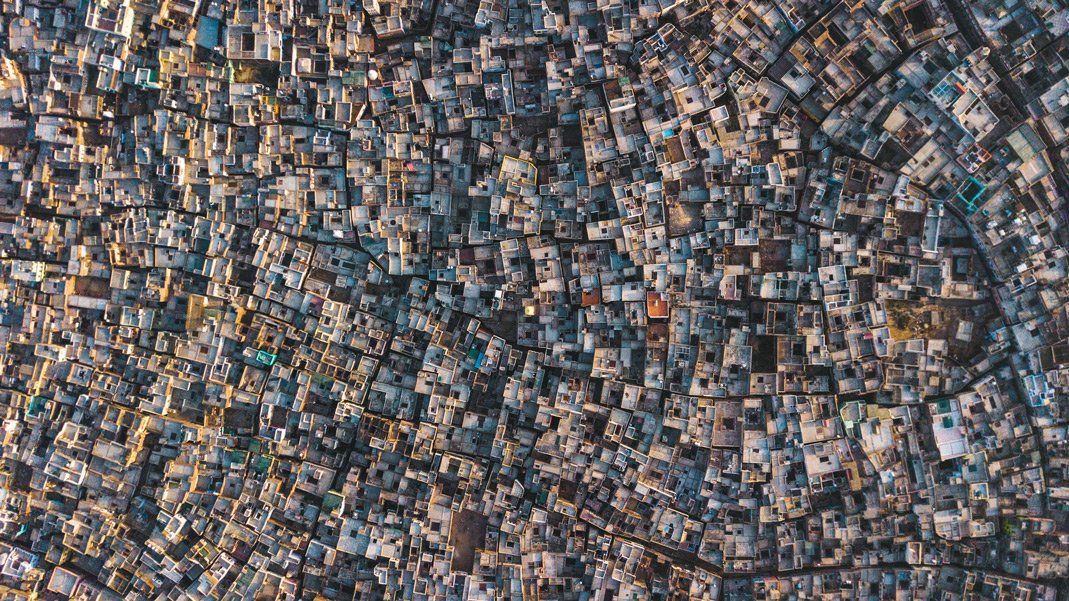

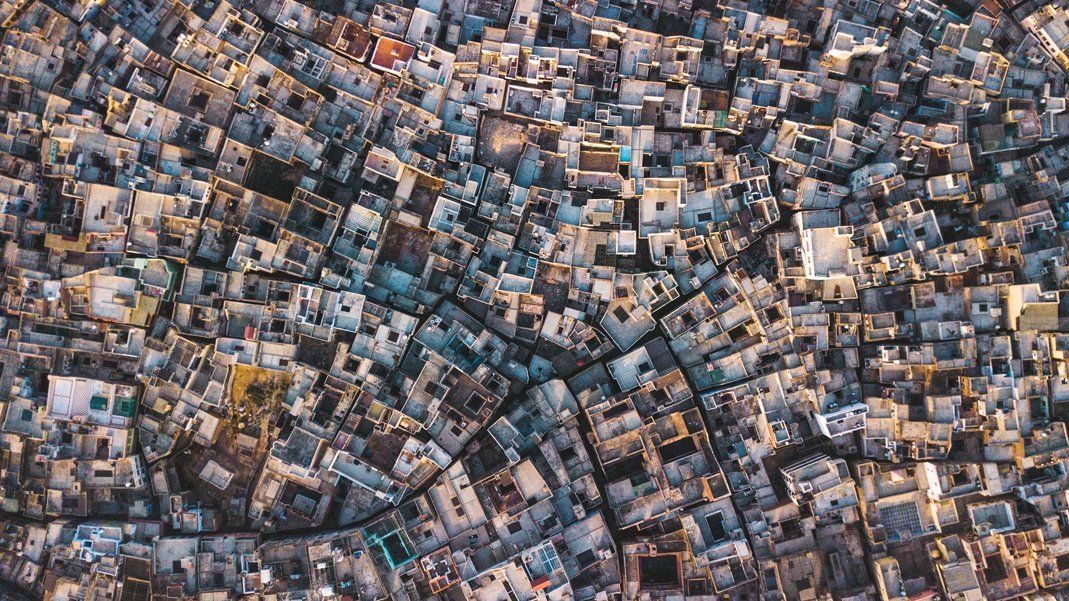
View more
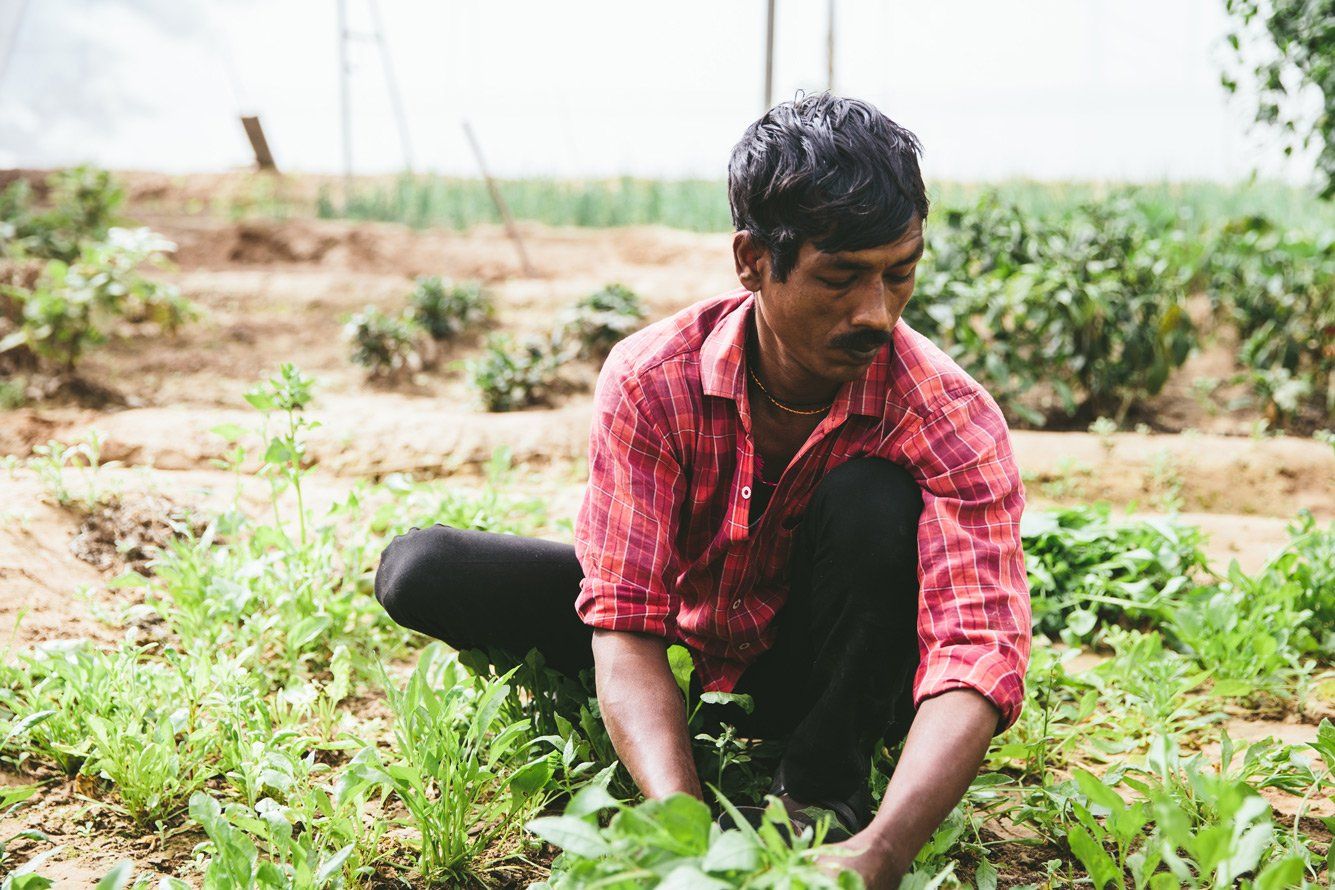
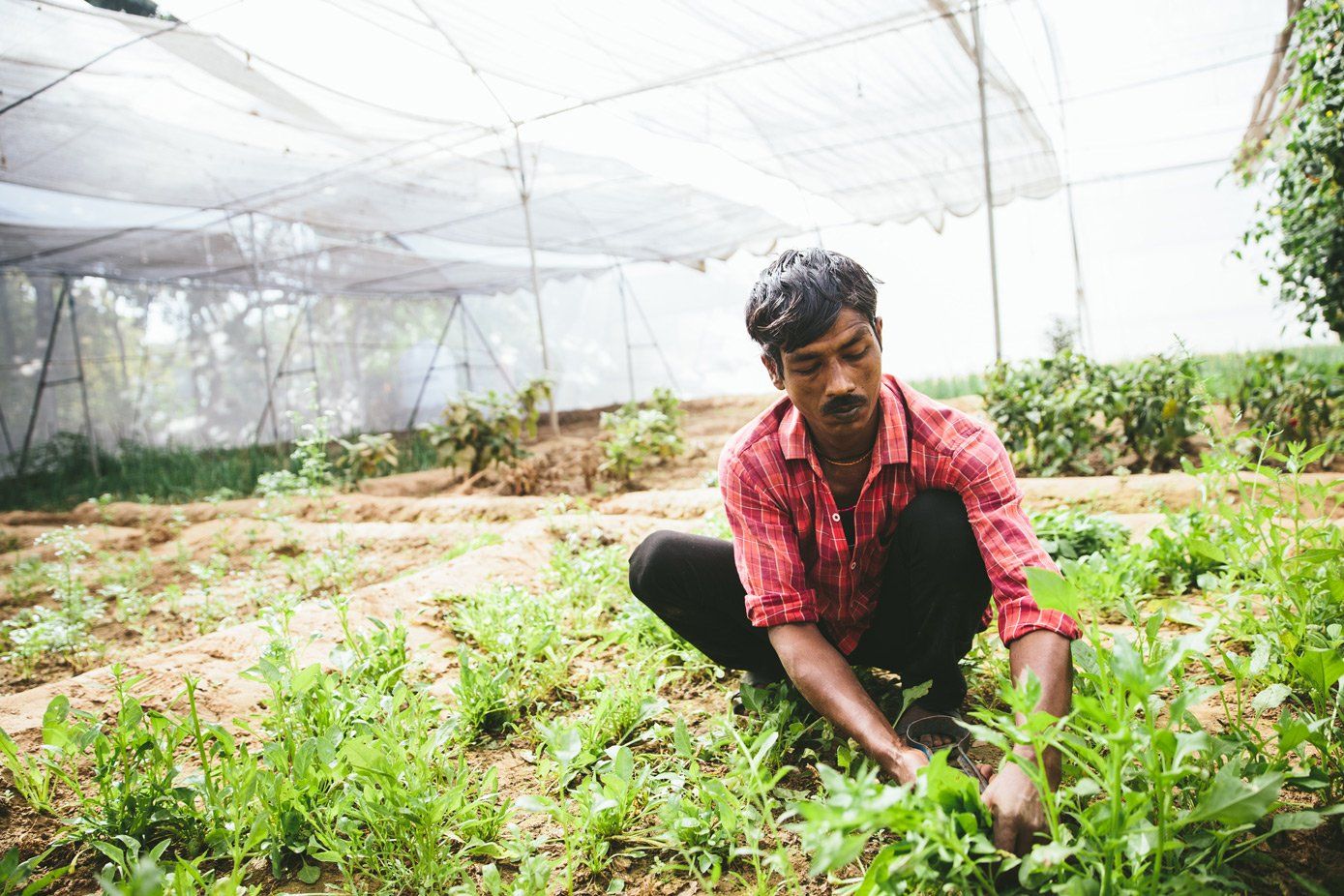
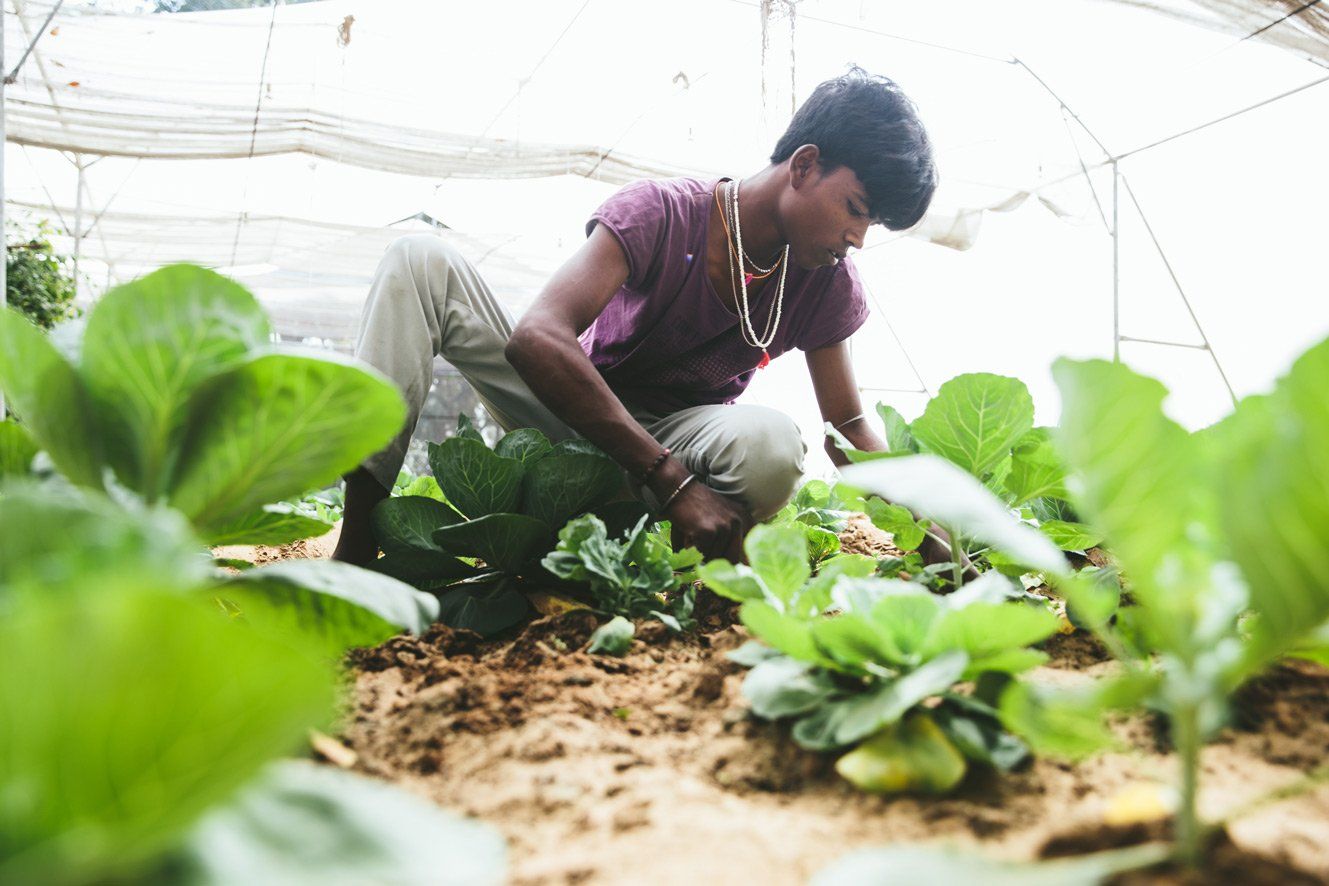
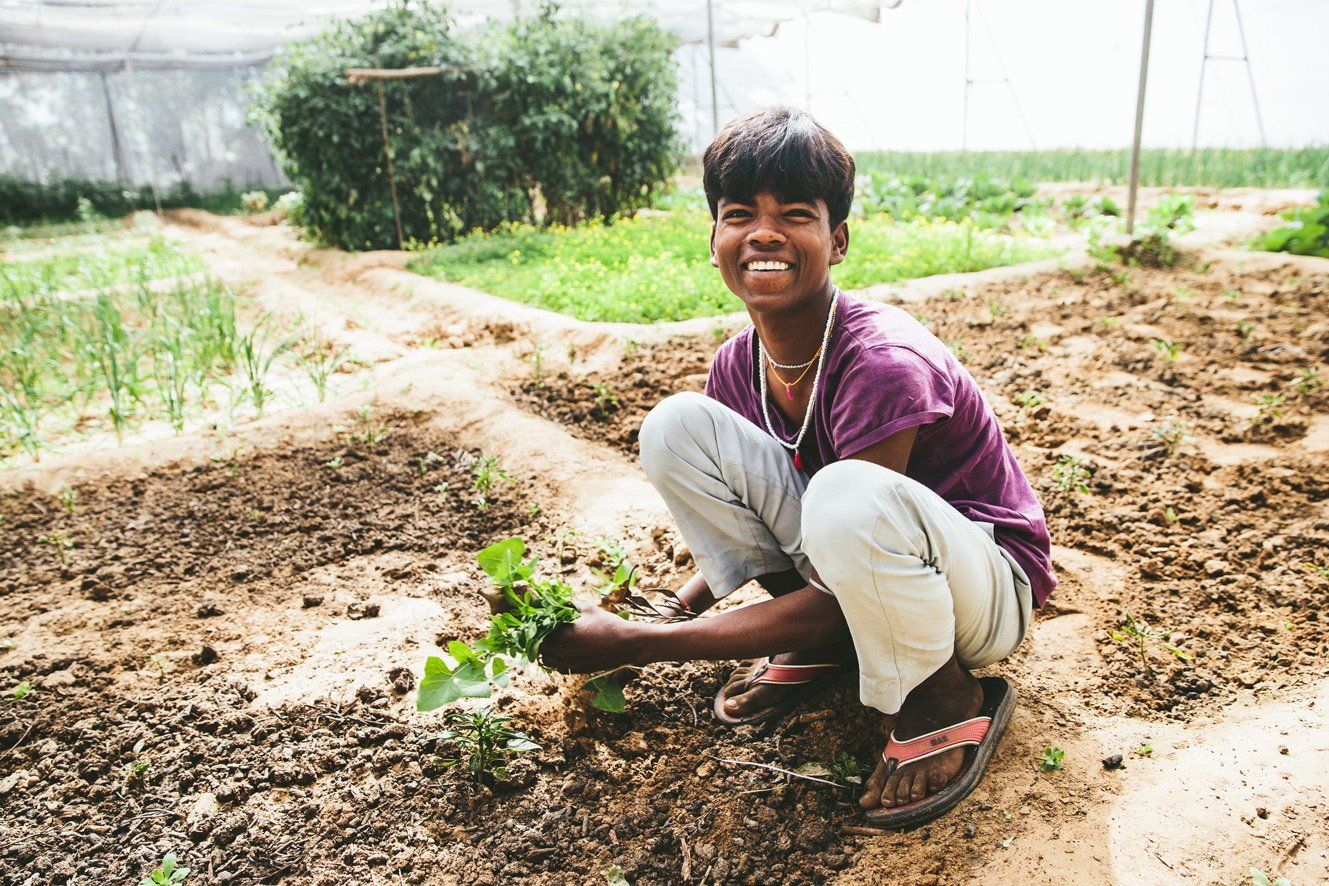
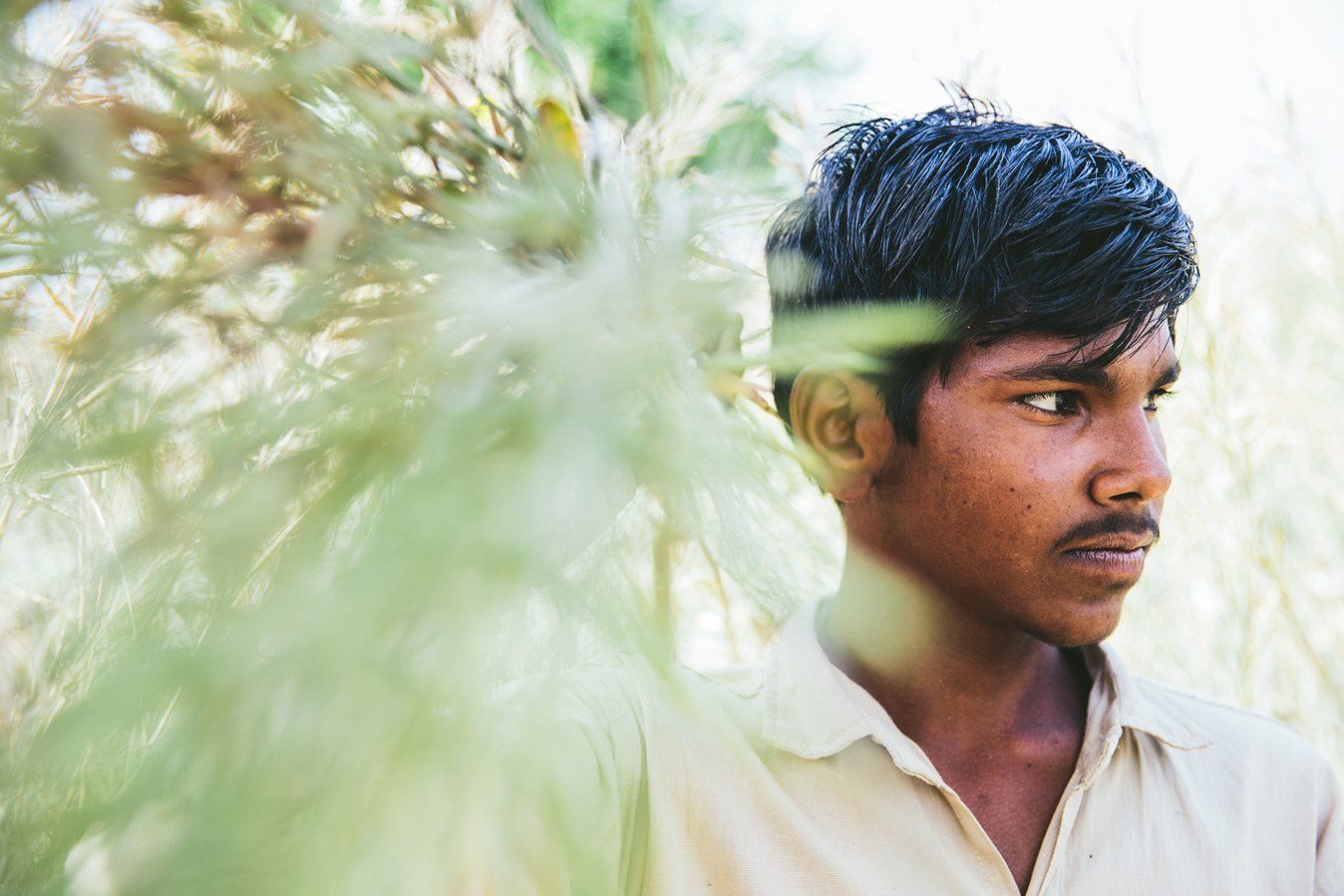
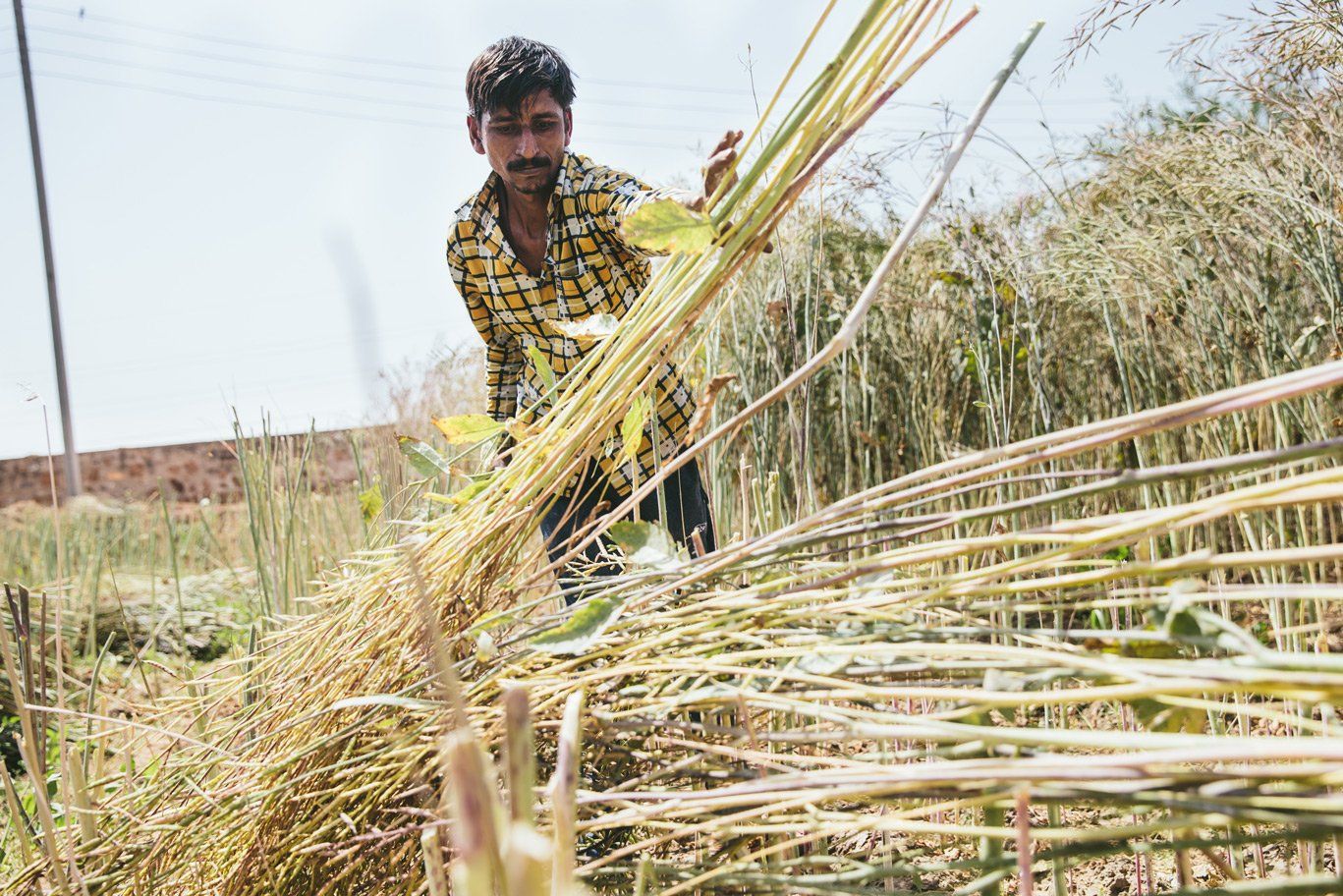
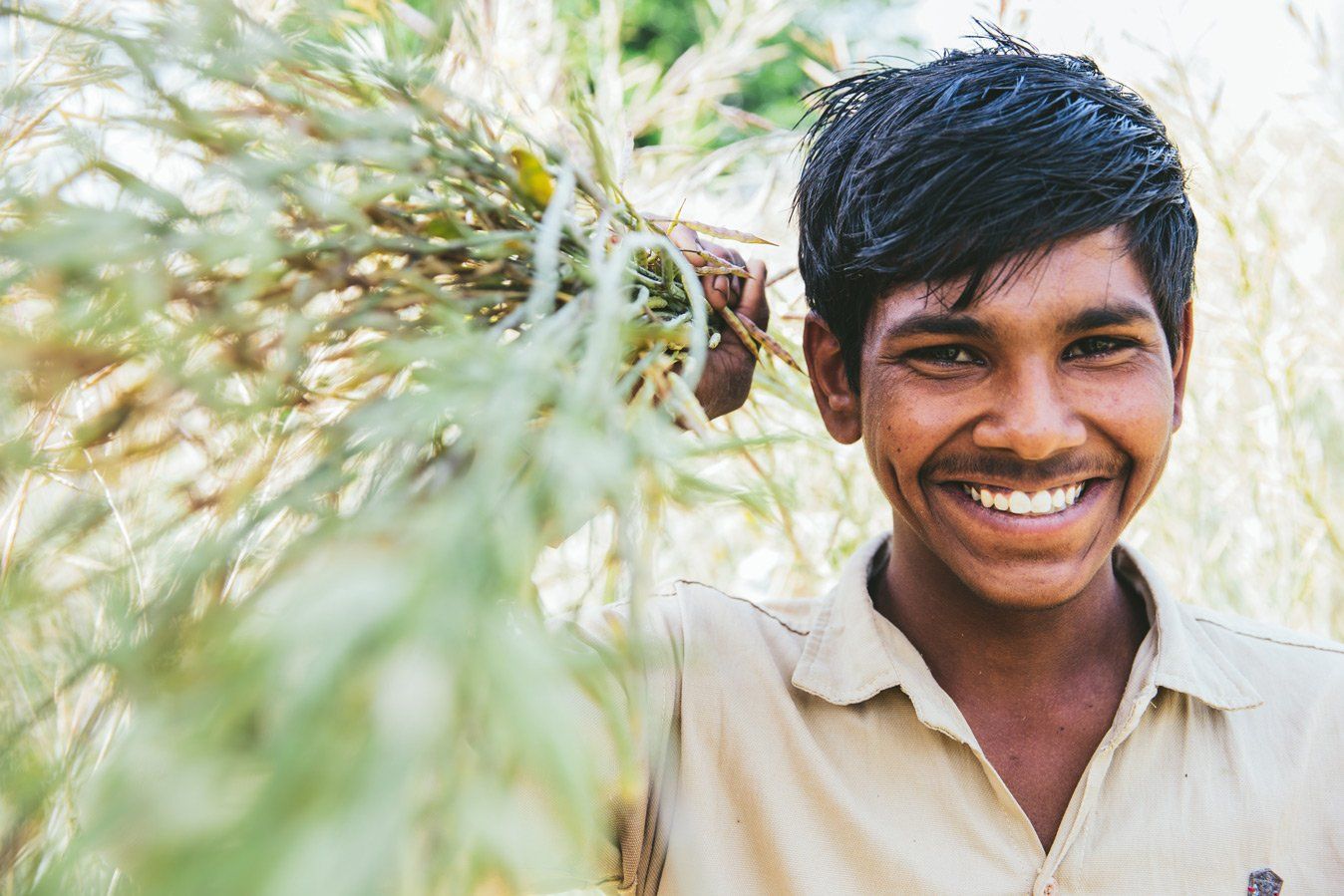
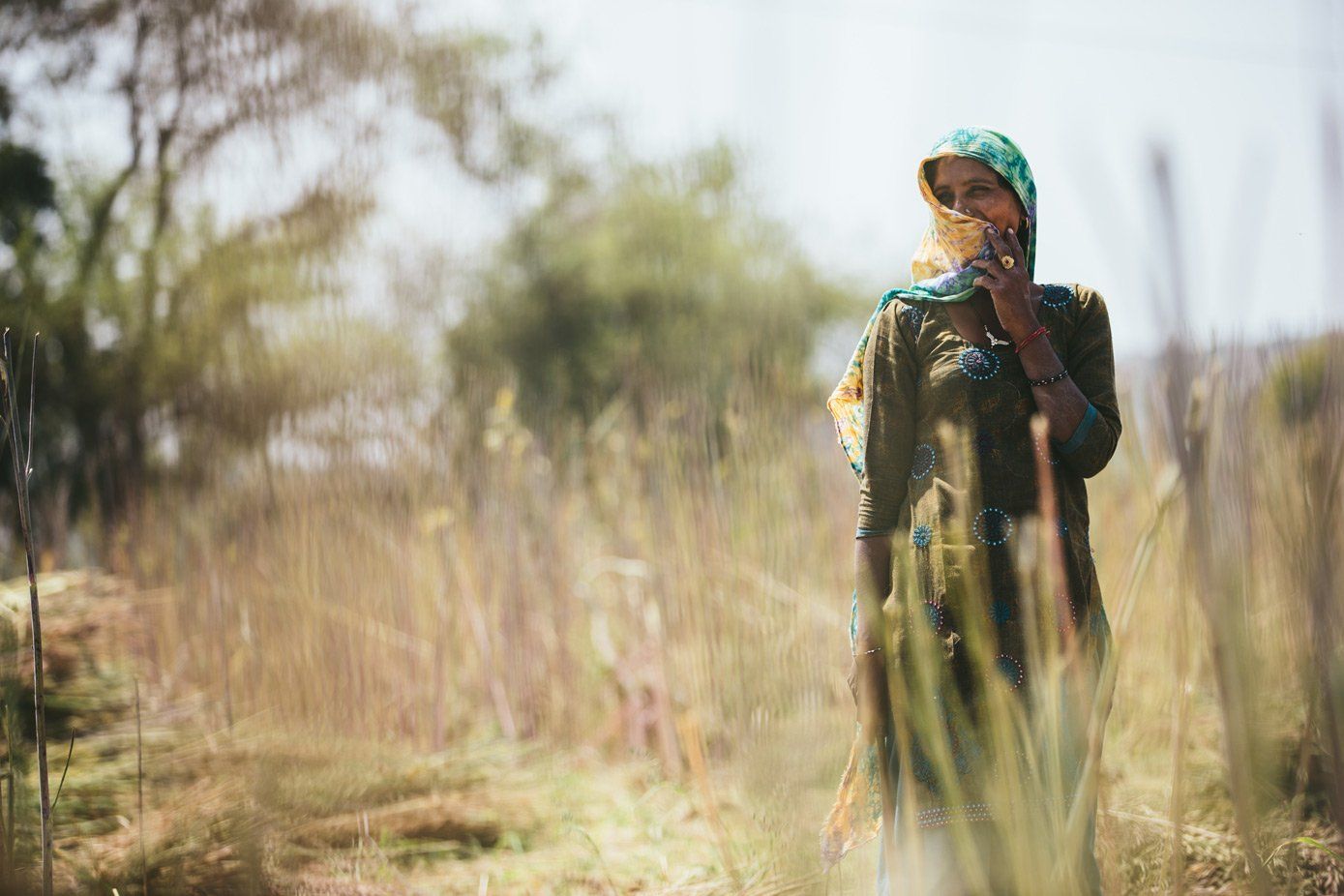
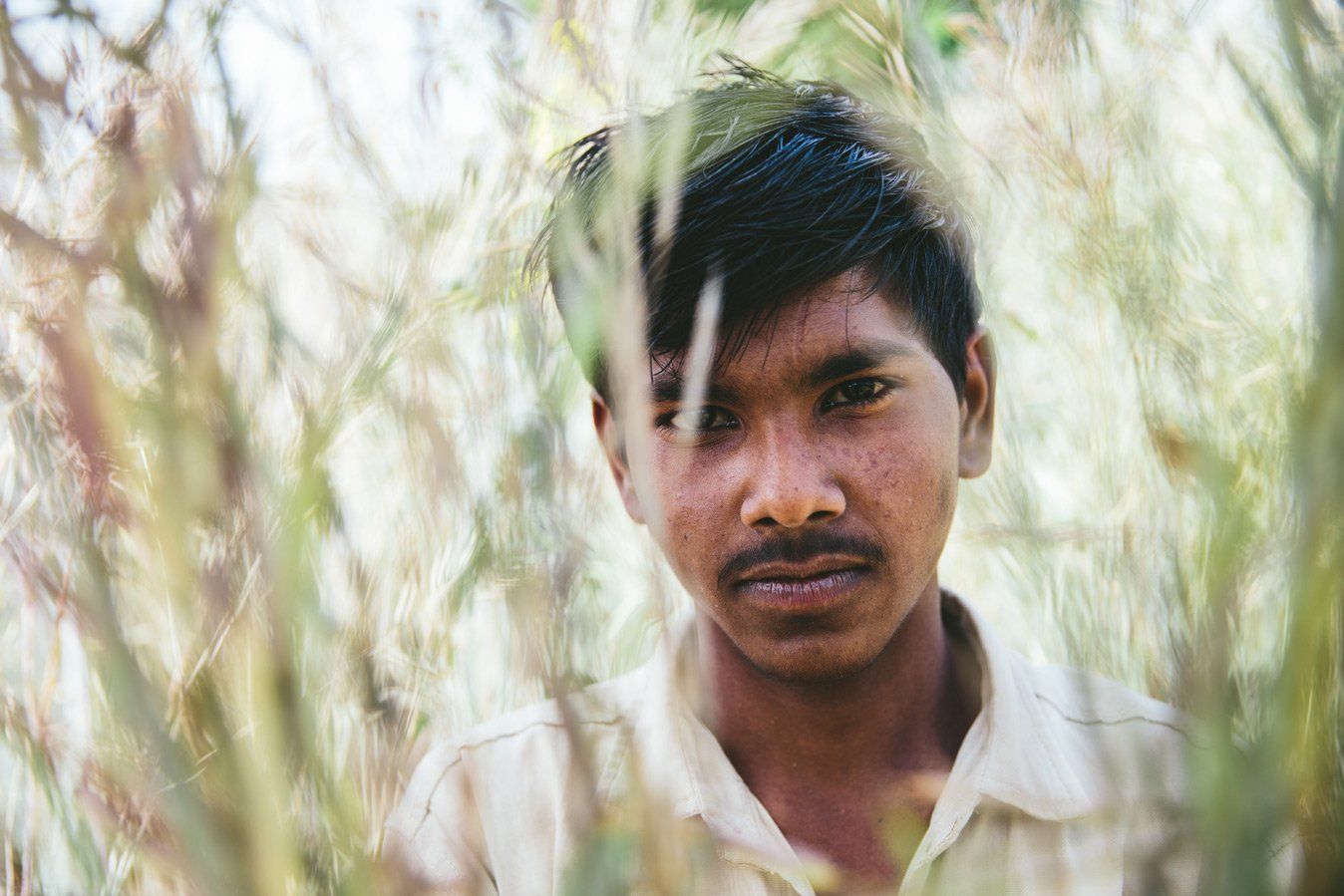
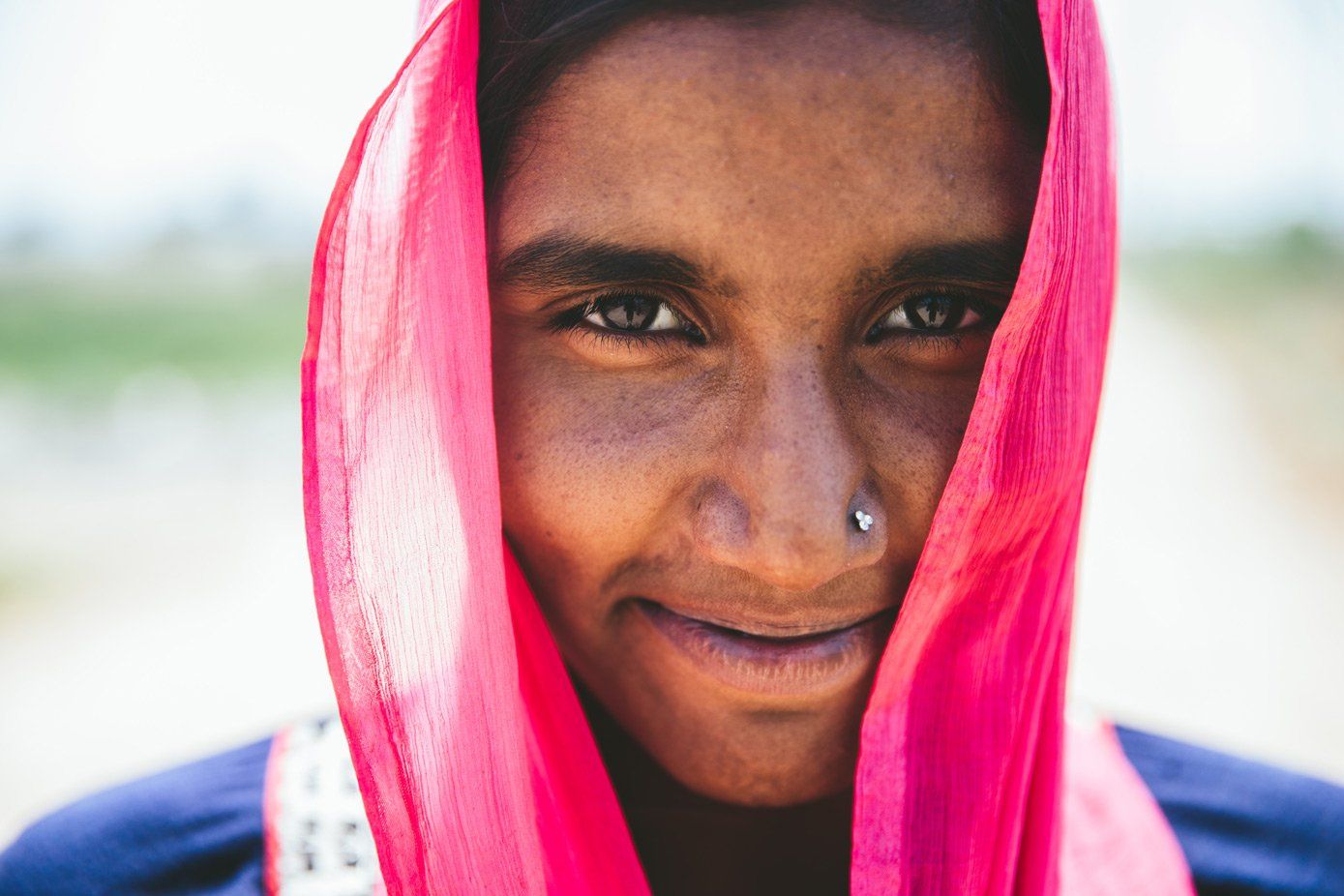
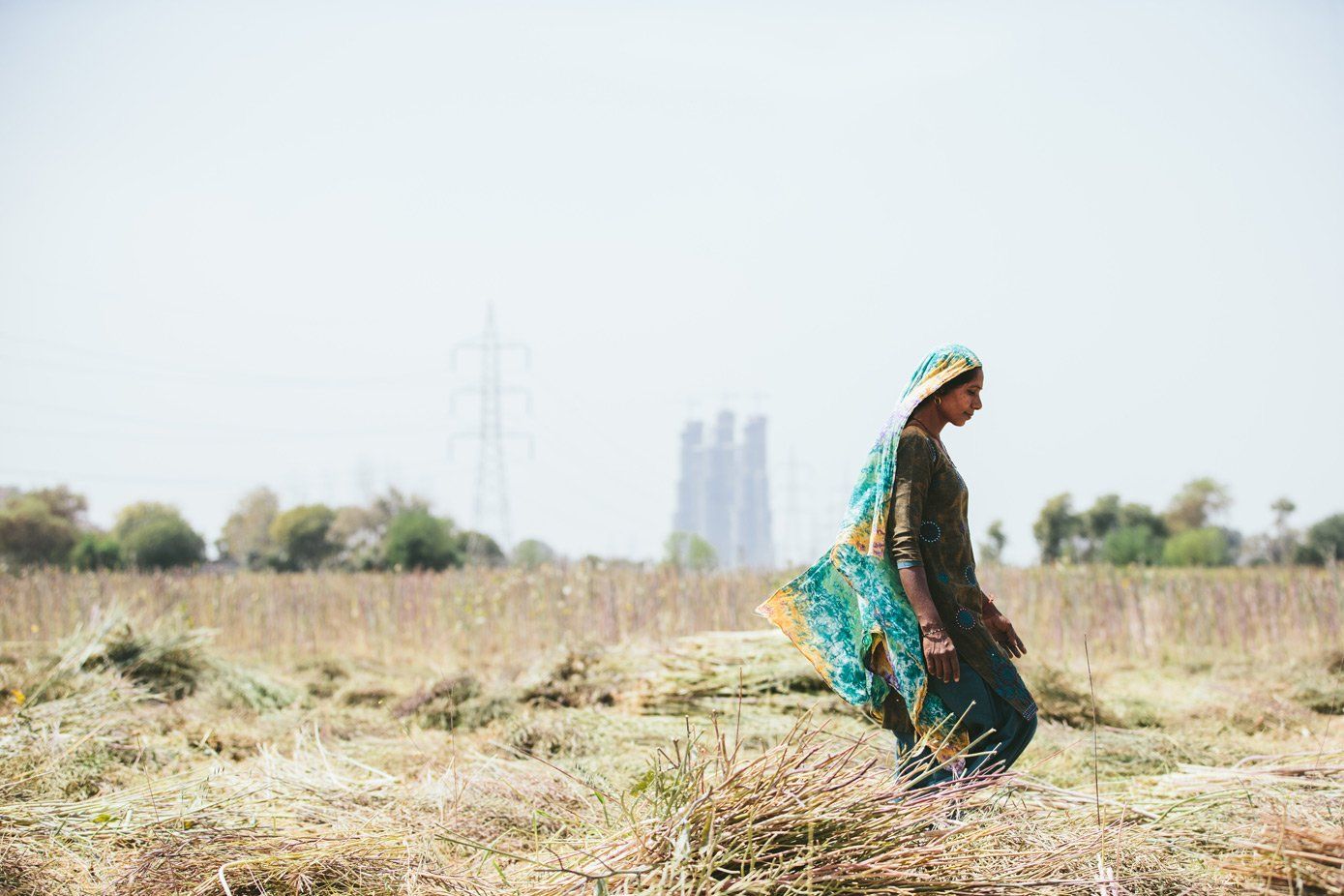
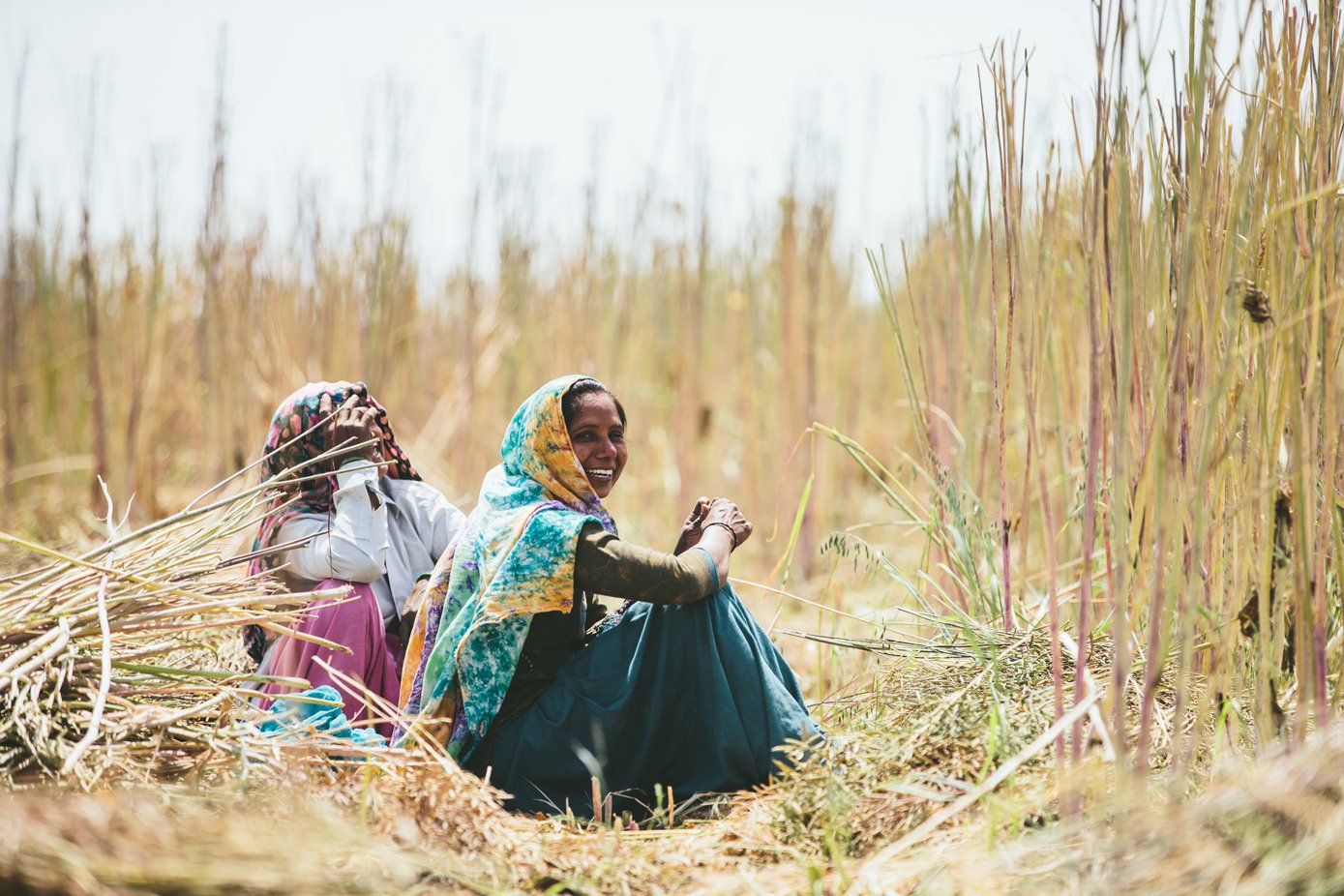
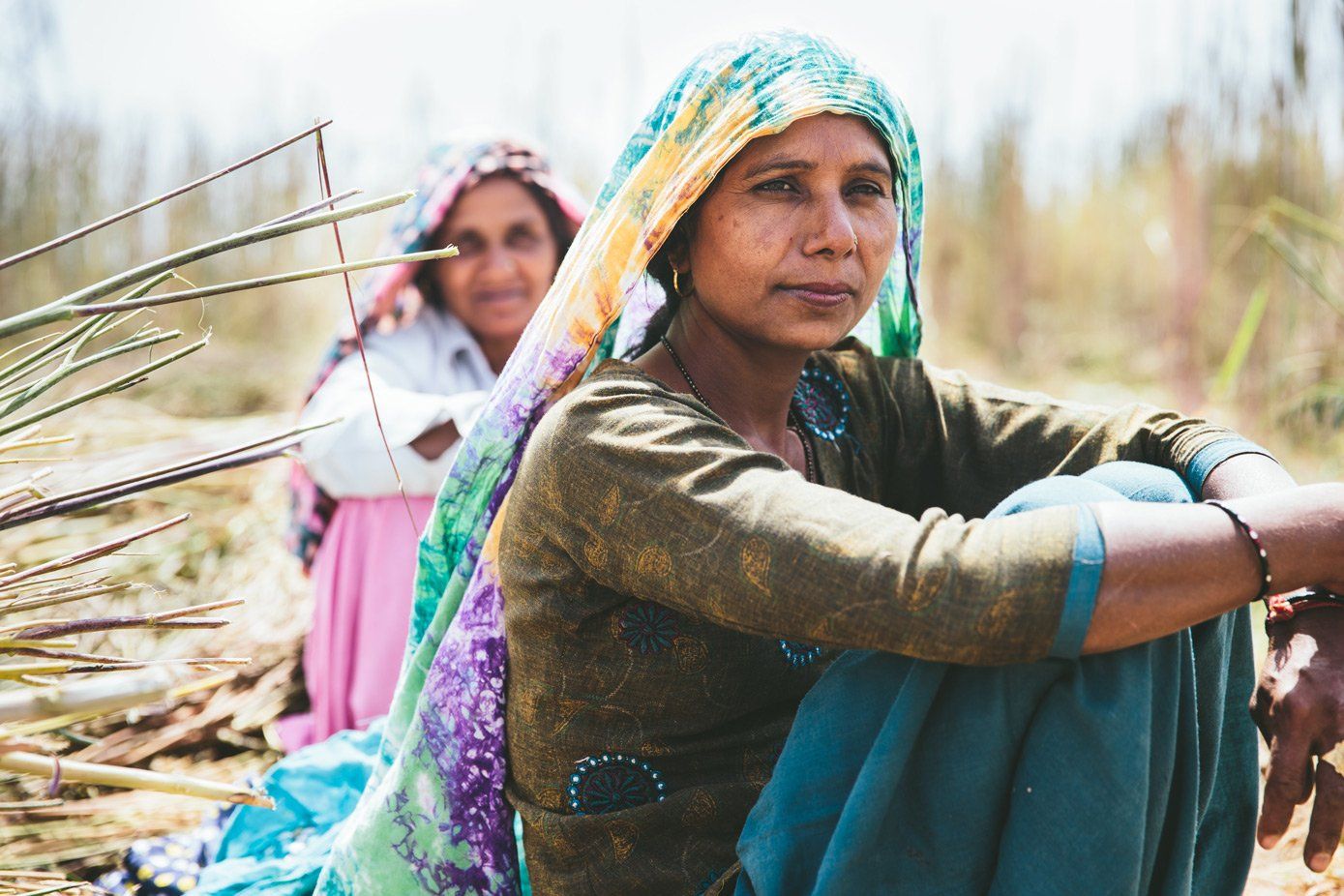
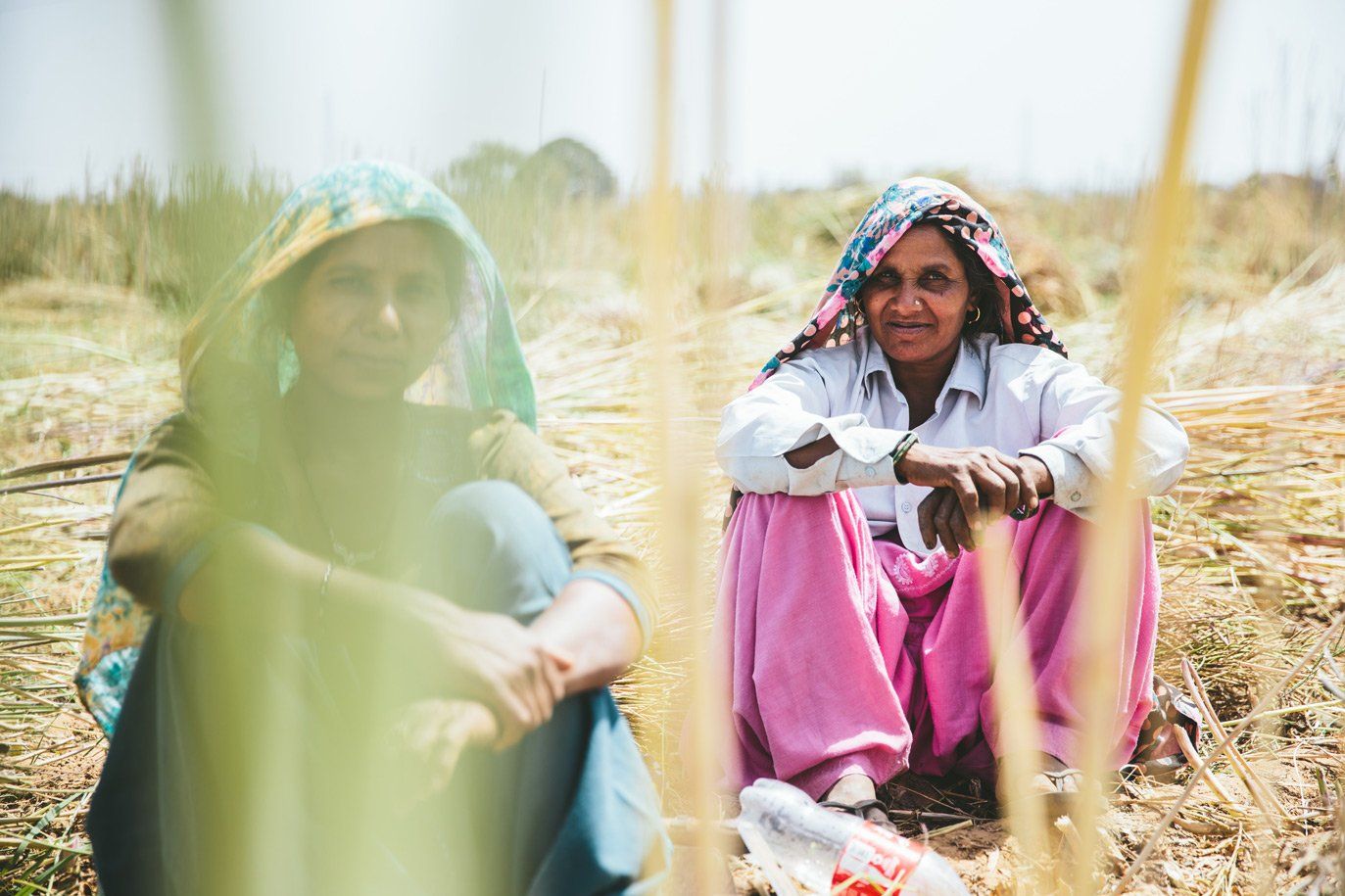
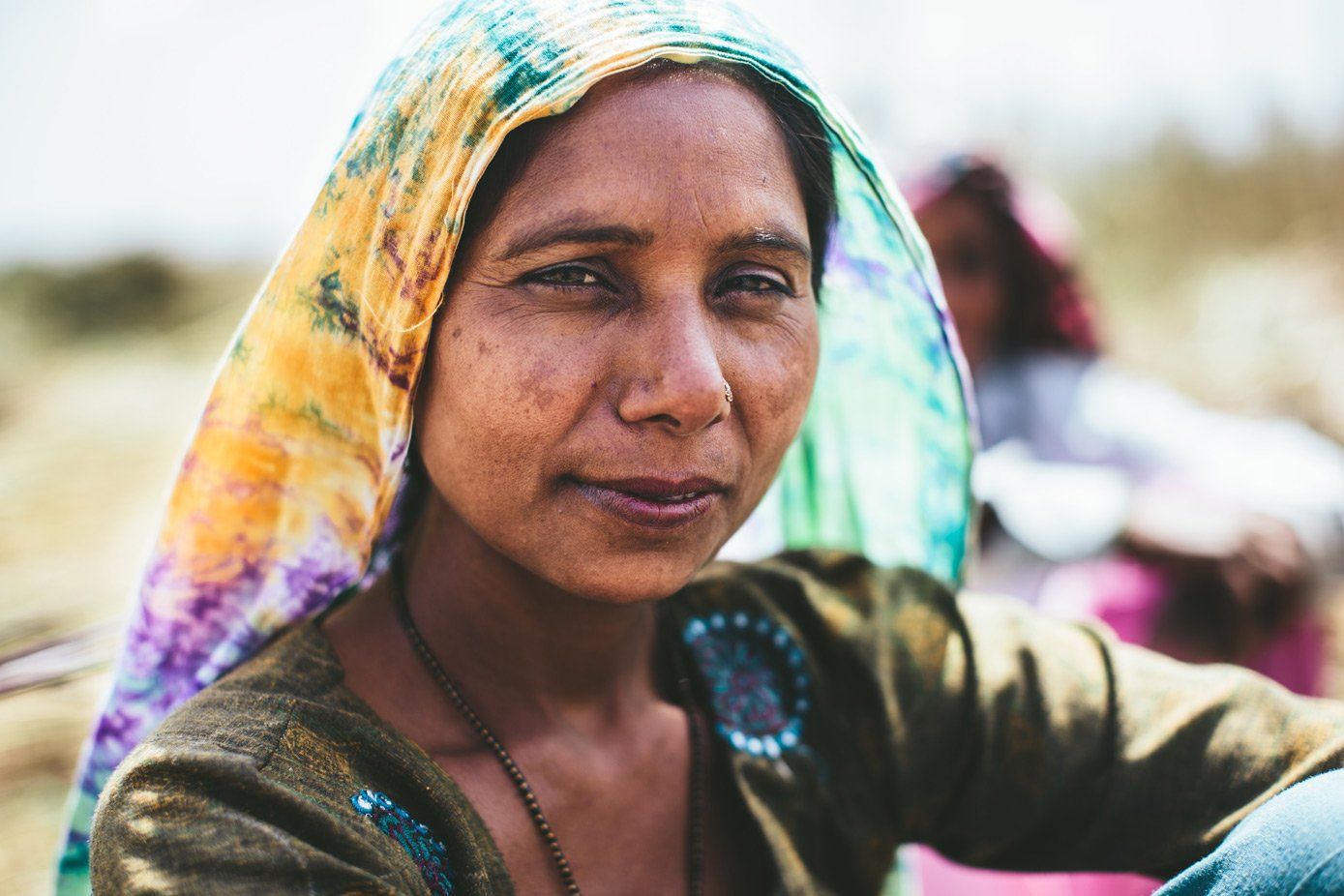
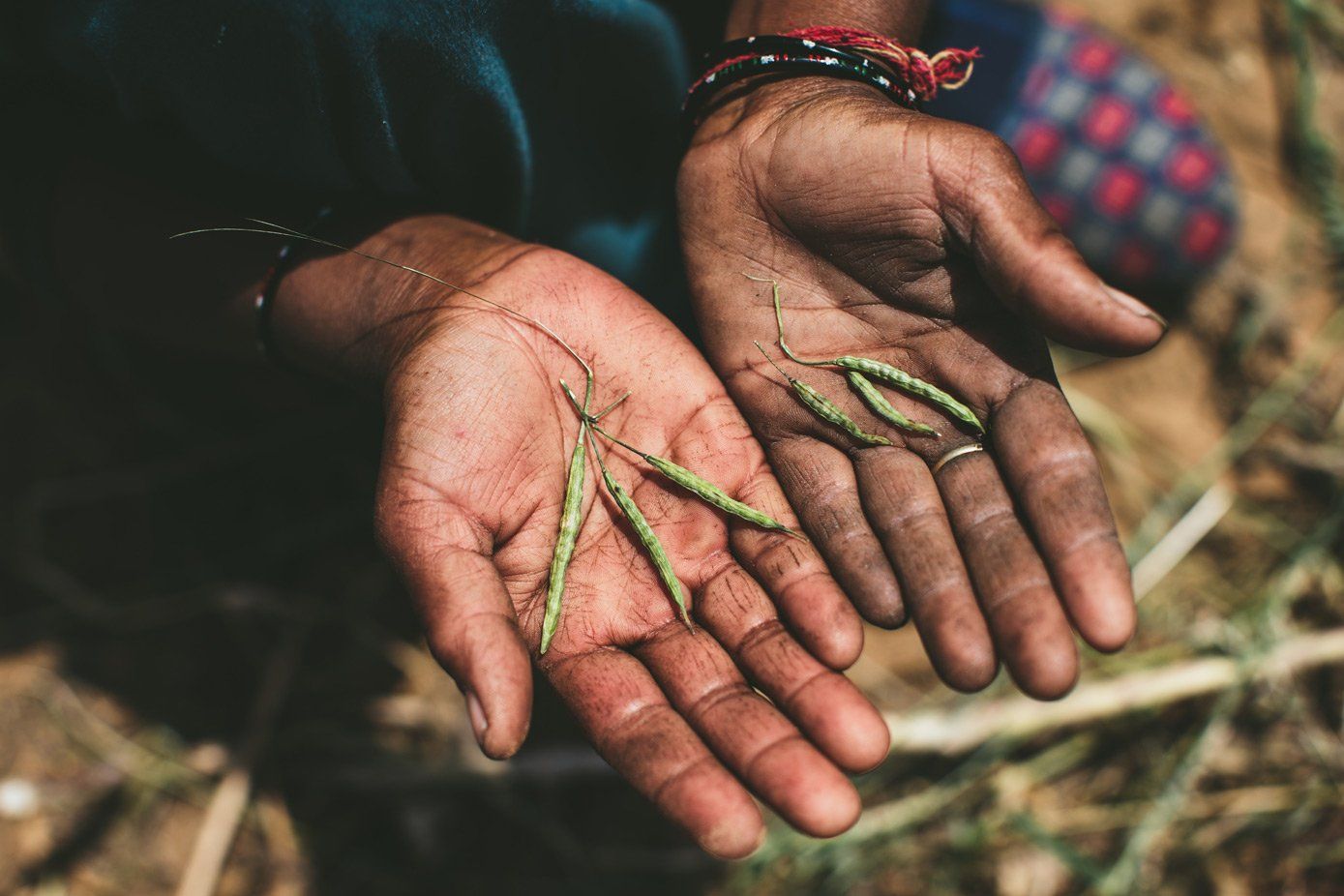
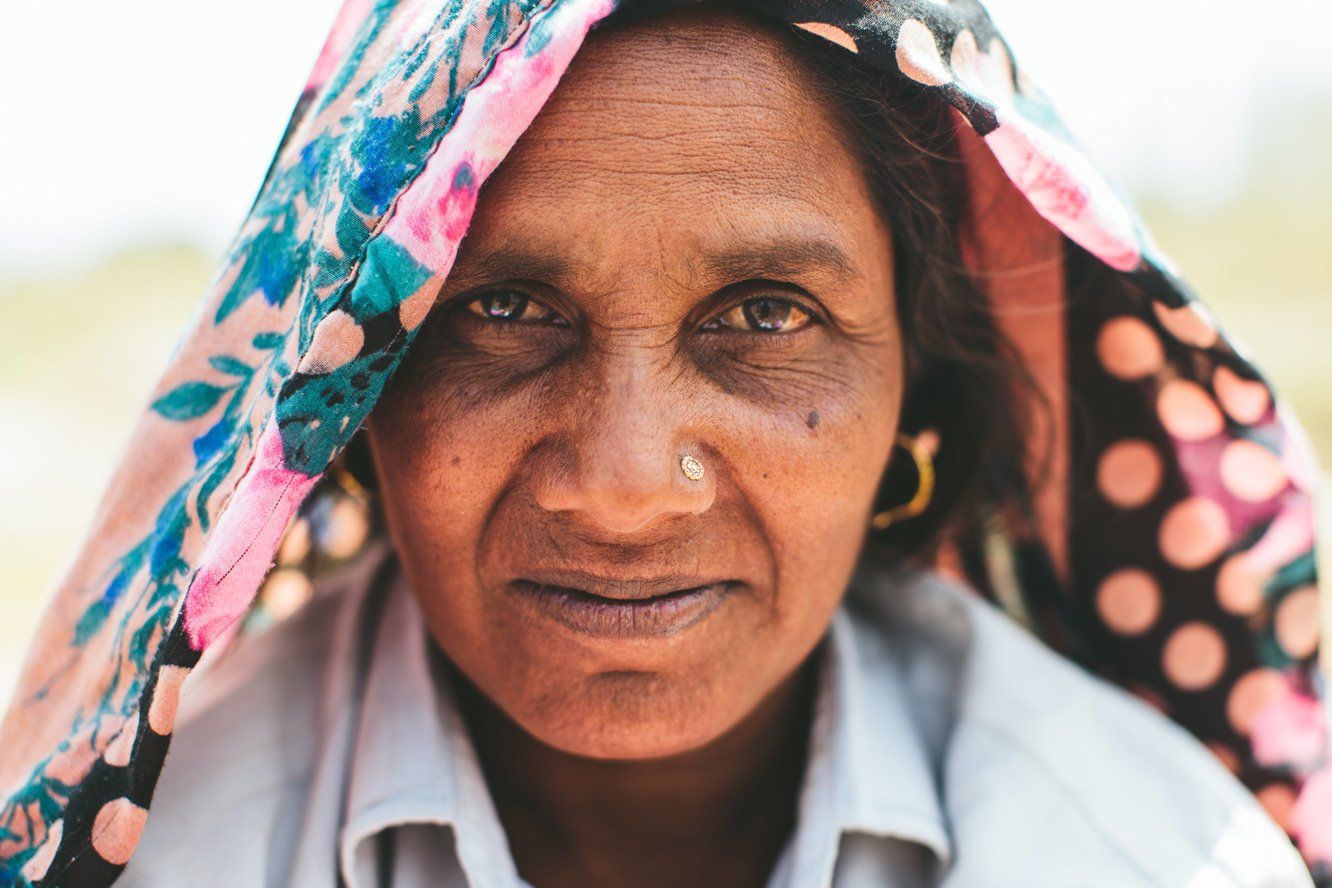
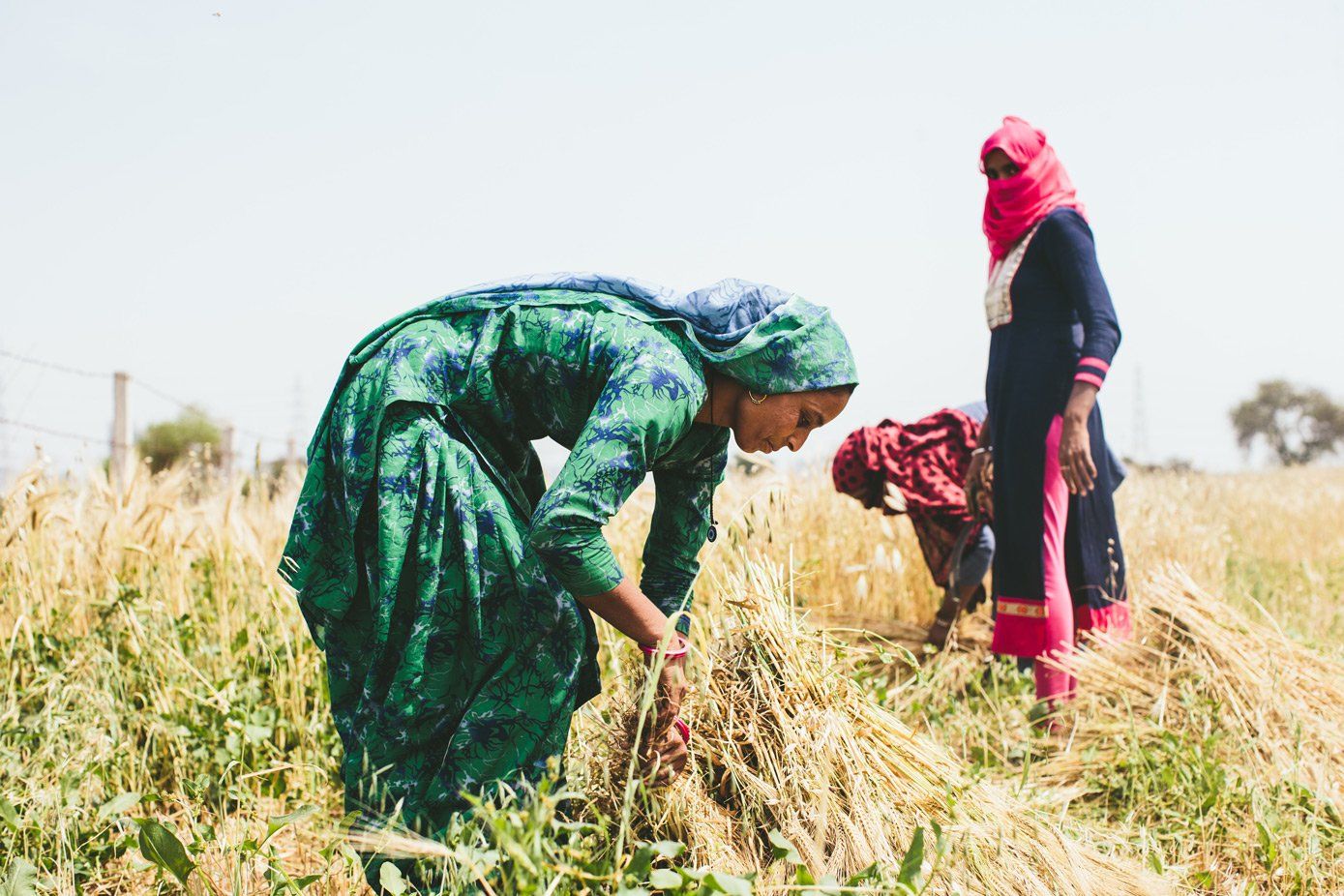
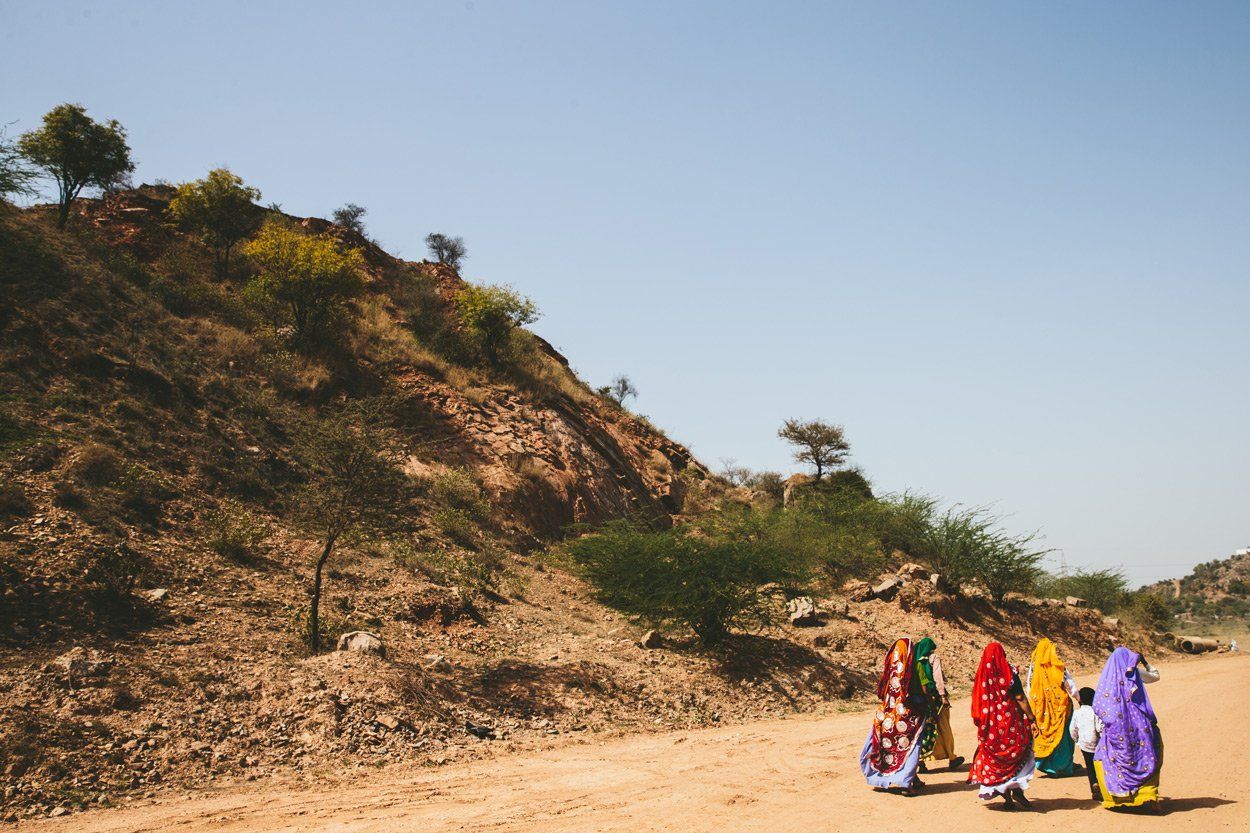
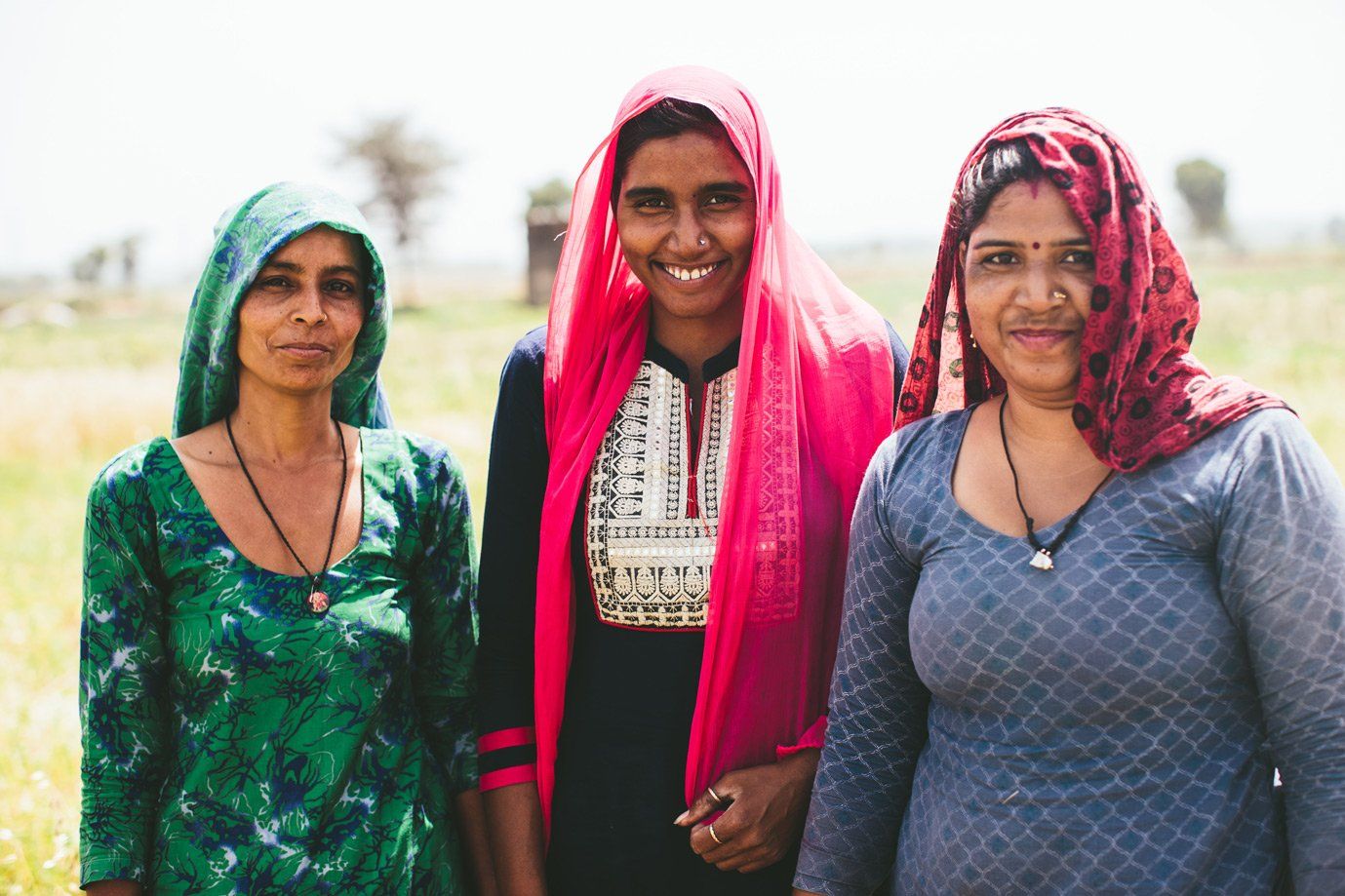
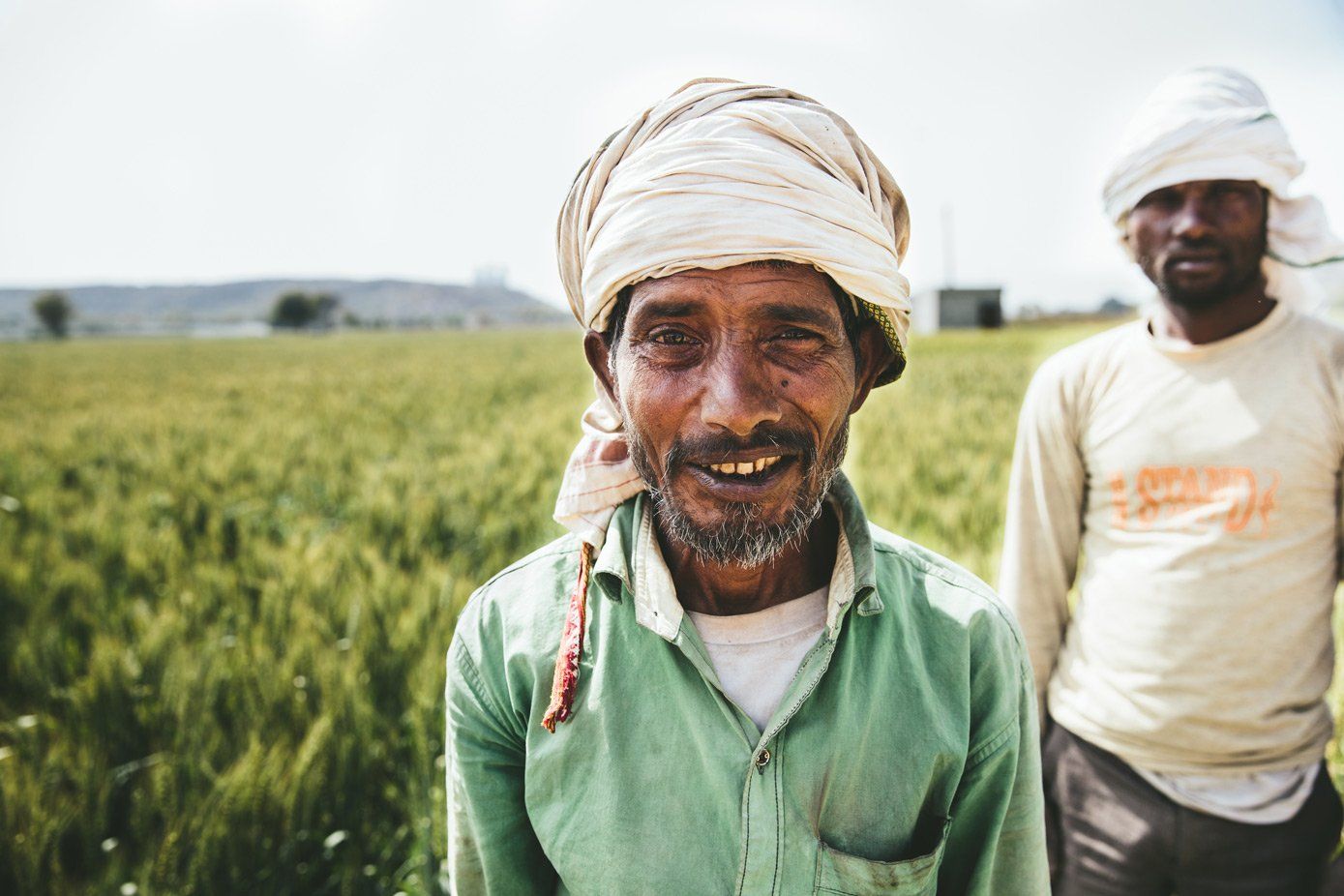
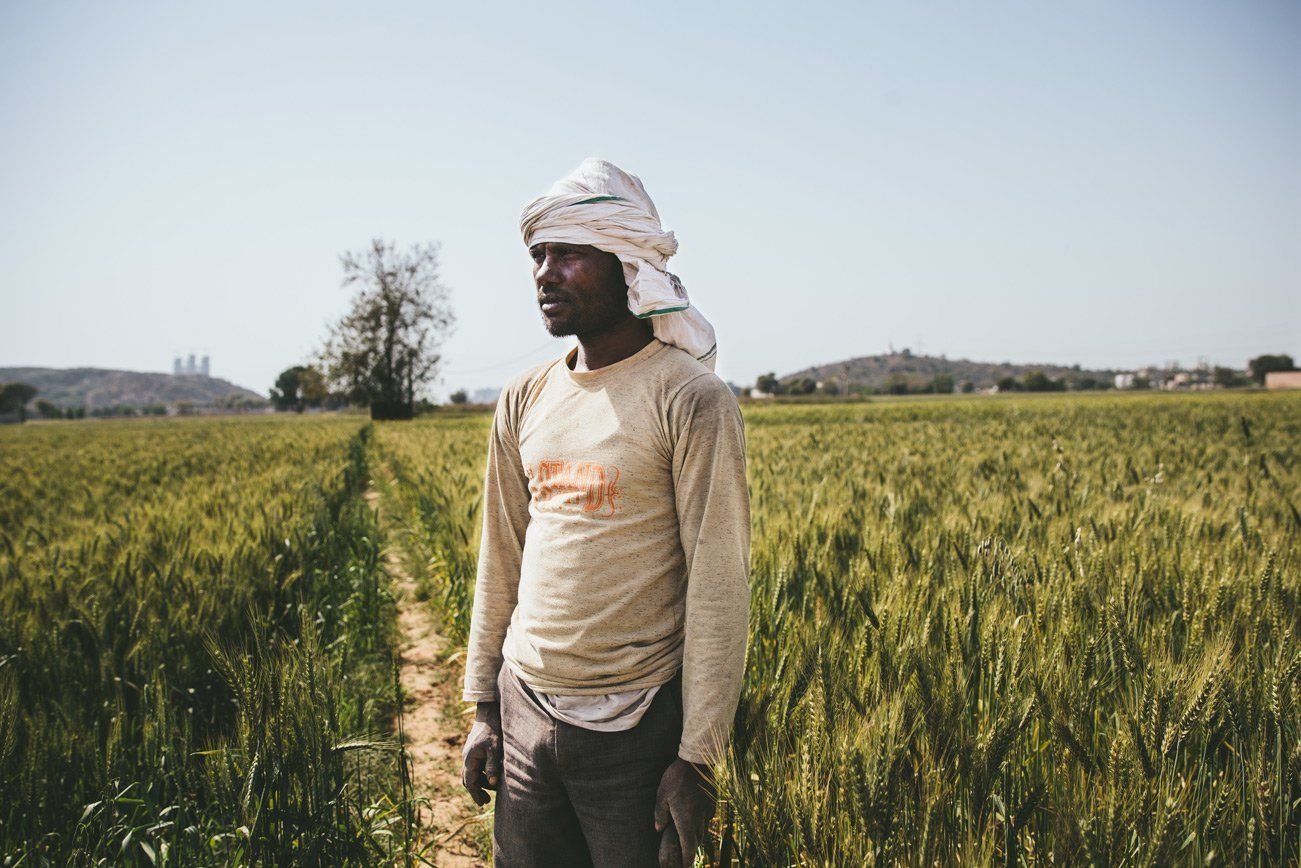
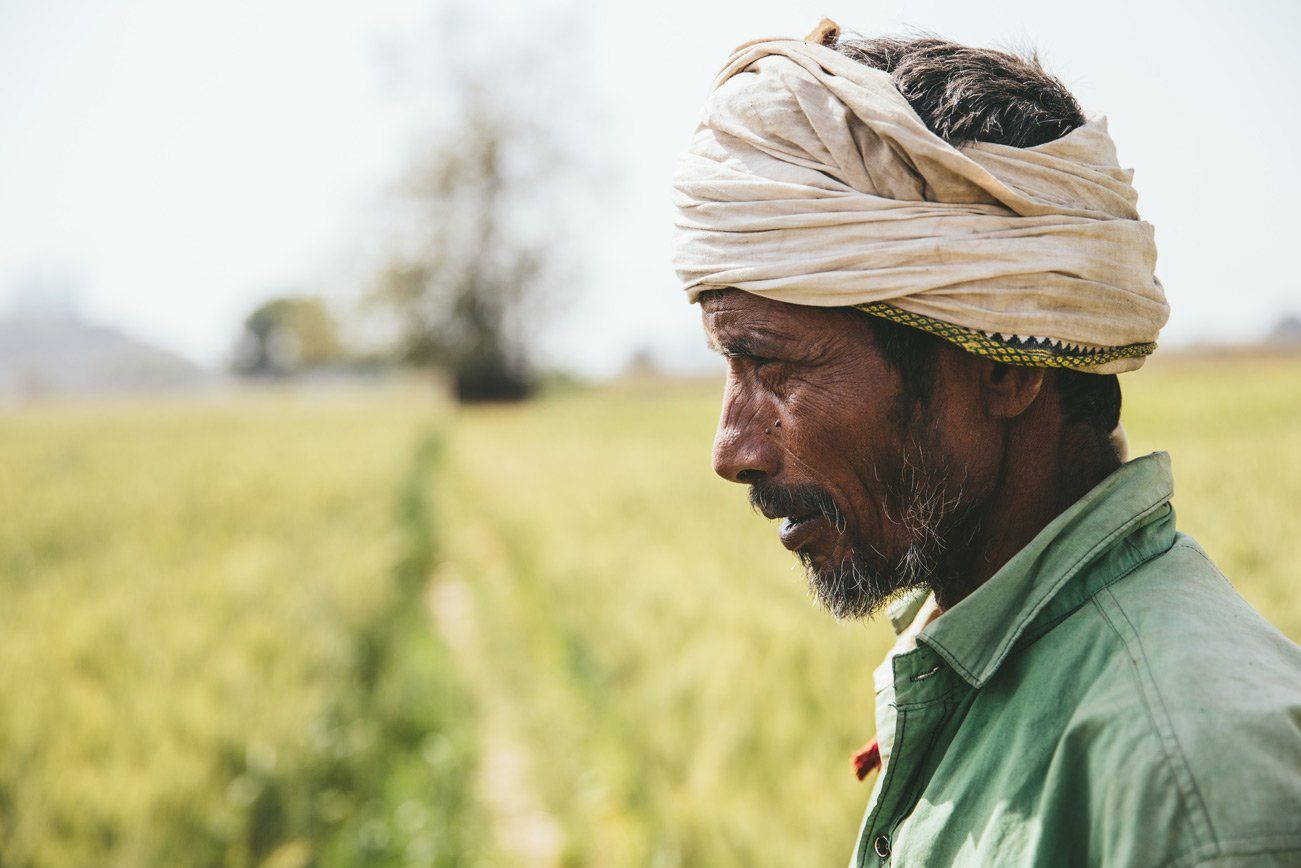
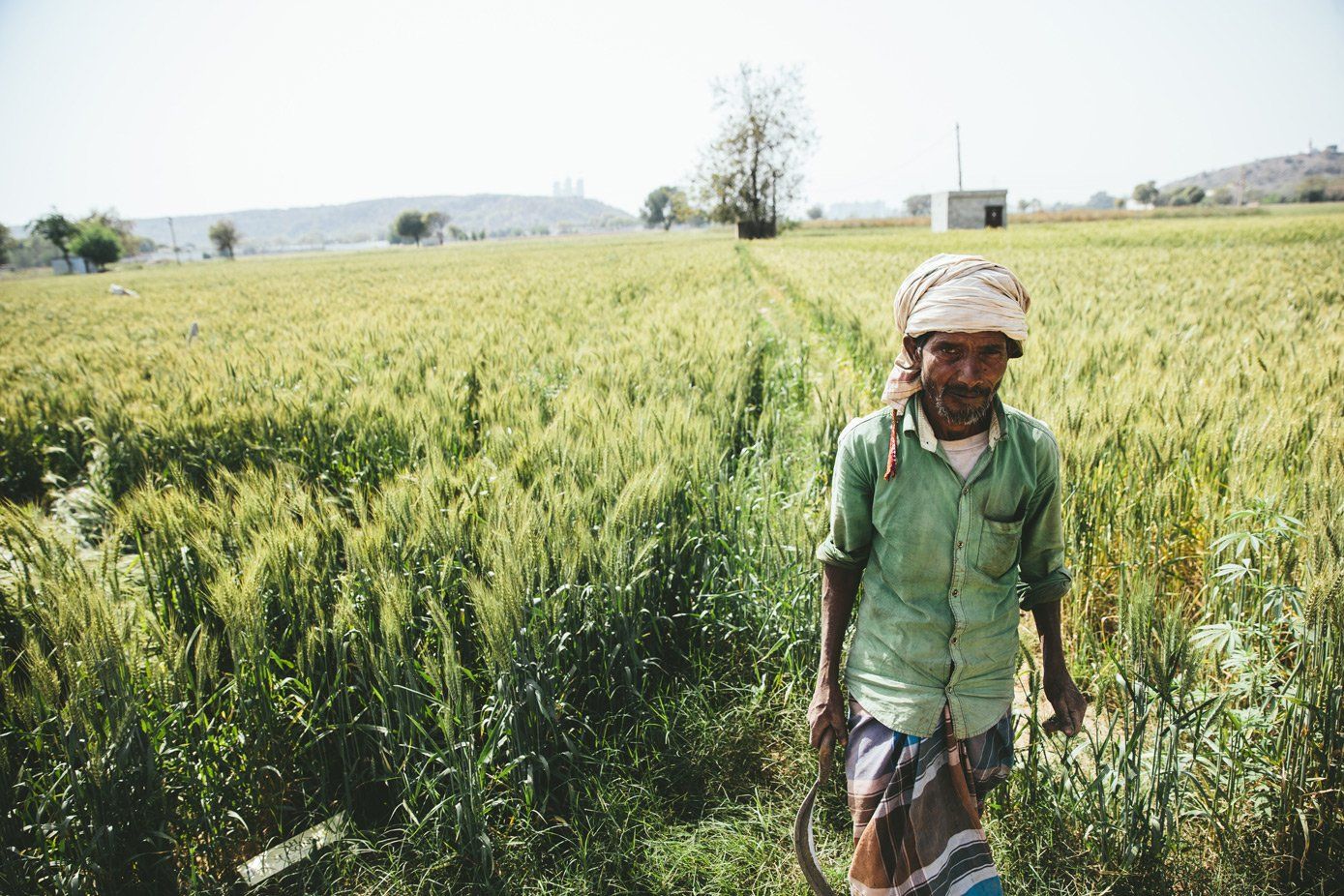
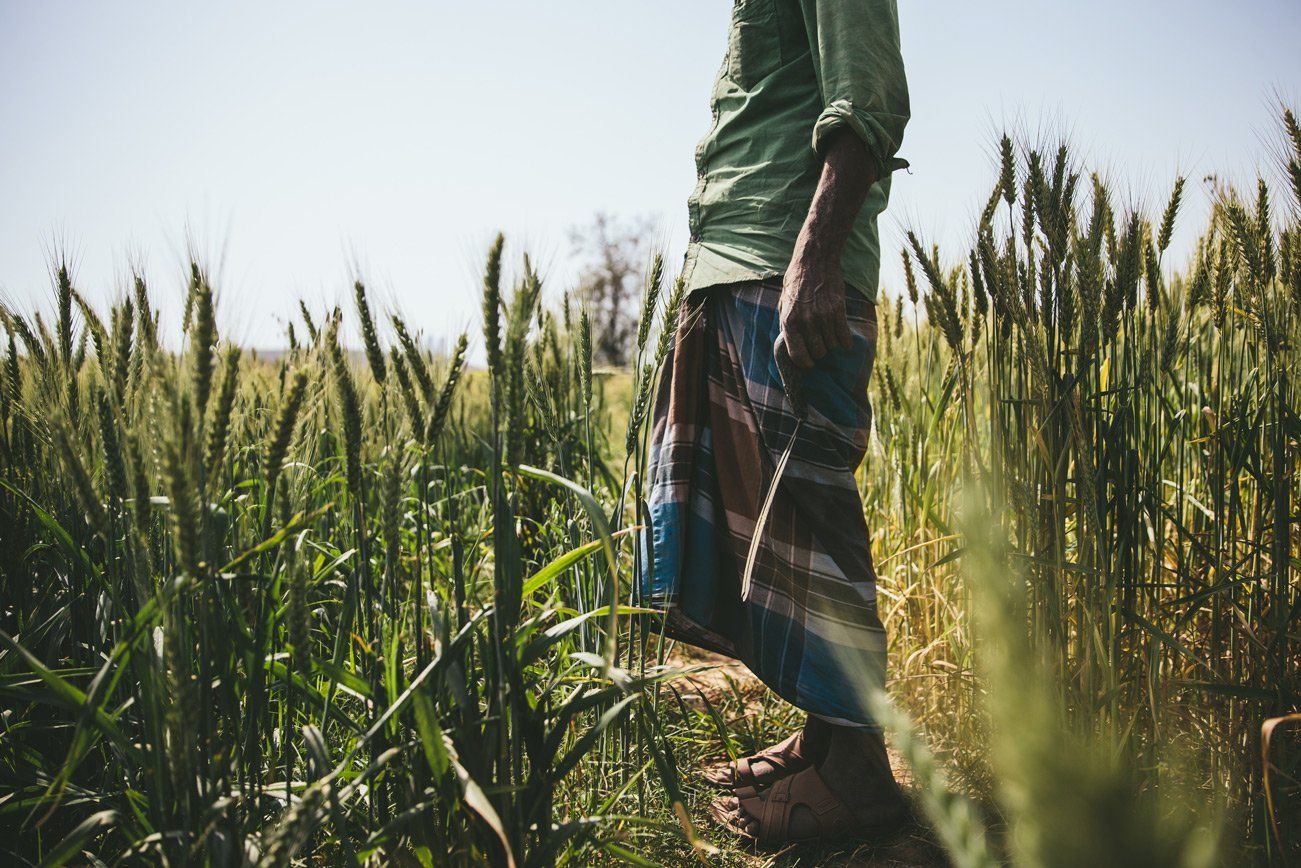
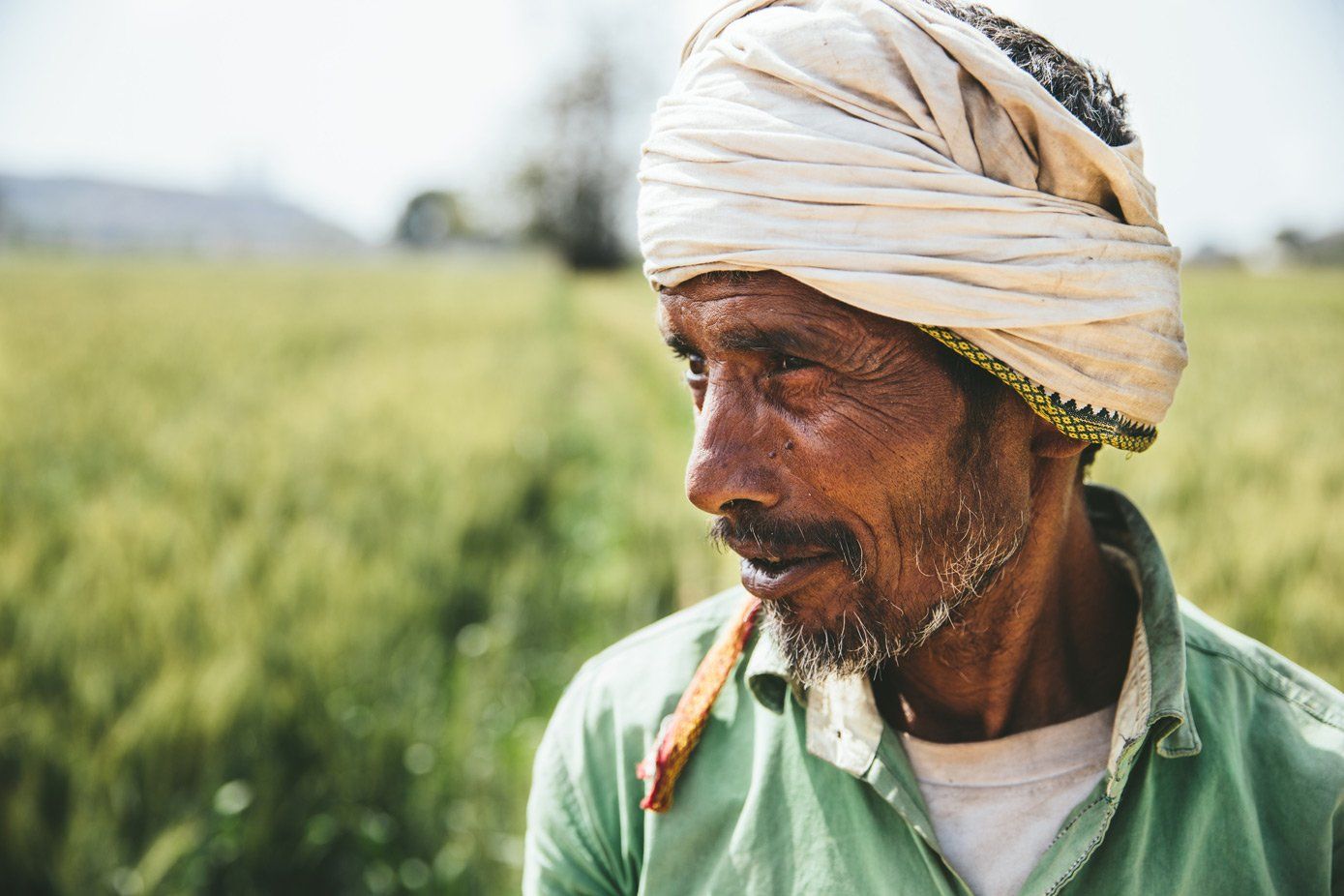
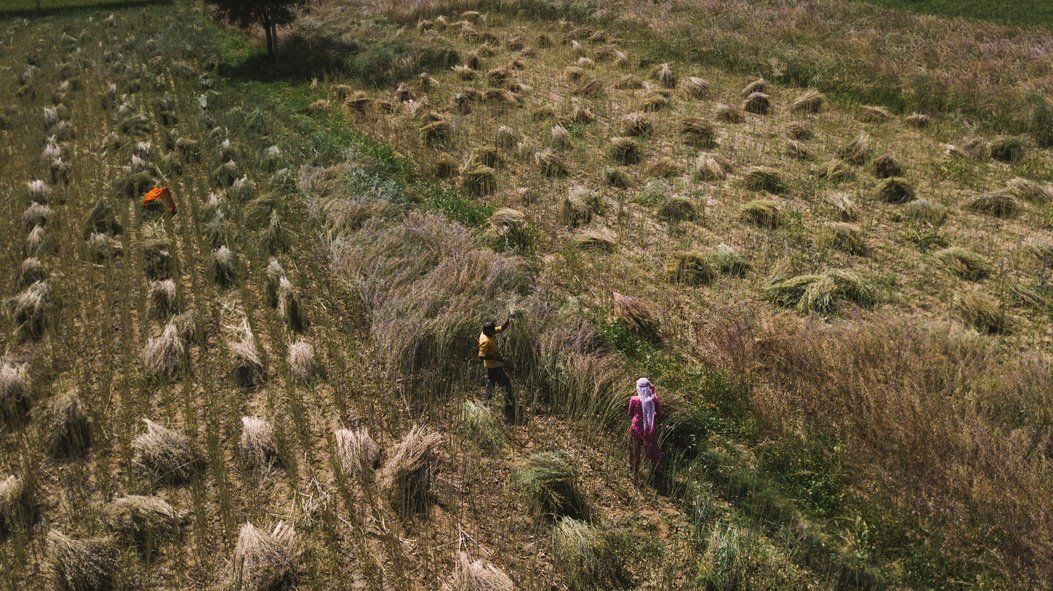
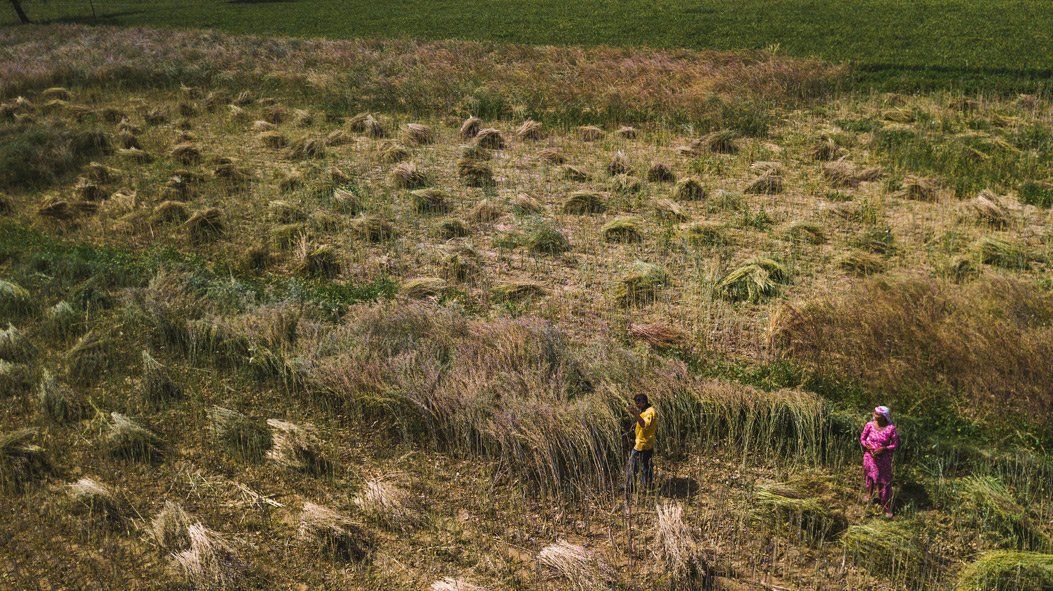
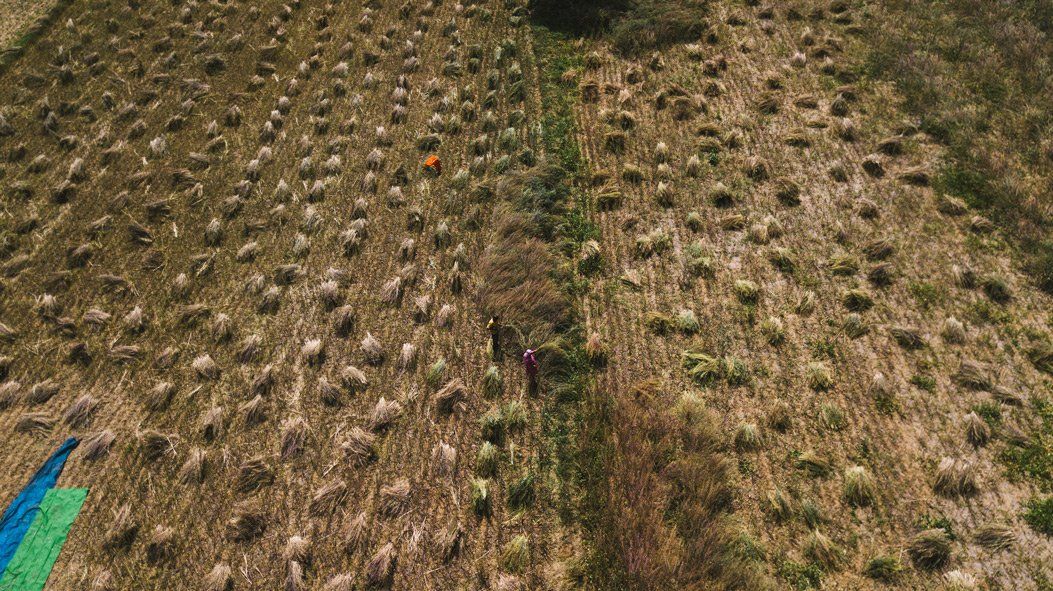
From the harbors and highrises, we bring the lenses back to the streets and fields, where we see how Microsoft solutions and innovations intersect daily realities at the ground level. To study the utility of artificial intelligence in agriculture, we visit the greenhouses and mustard fields of Gul Farm, an hour south and west from Delhi.

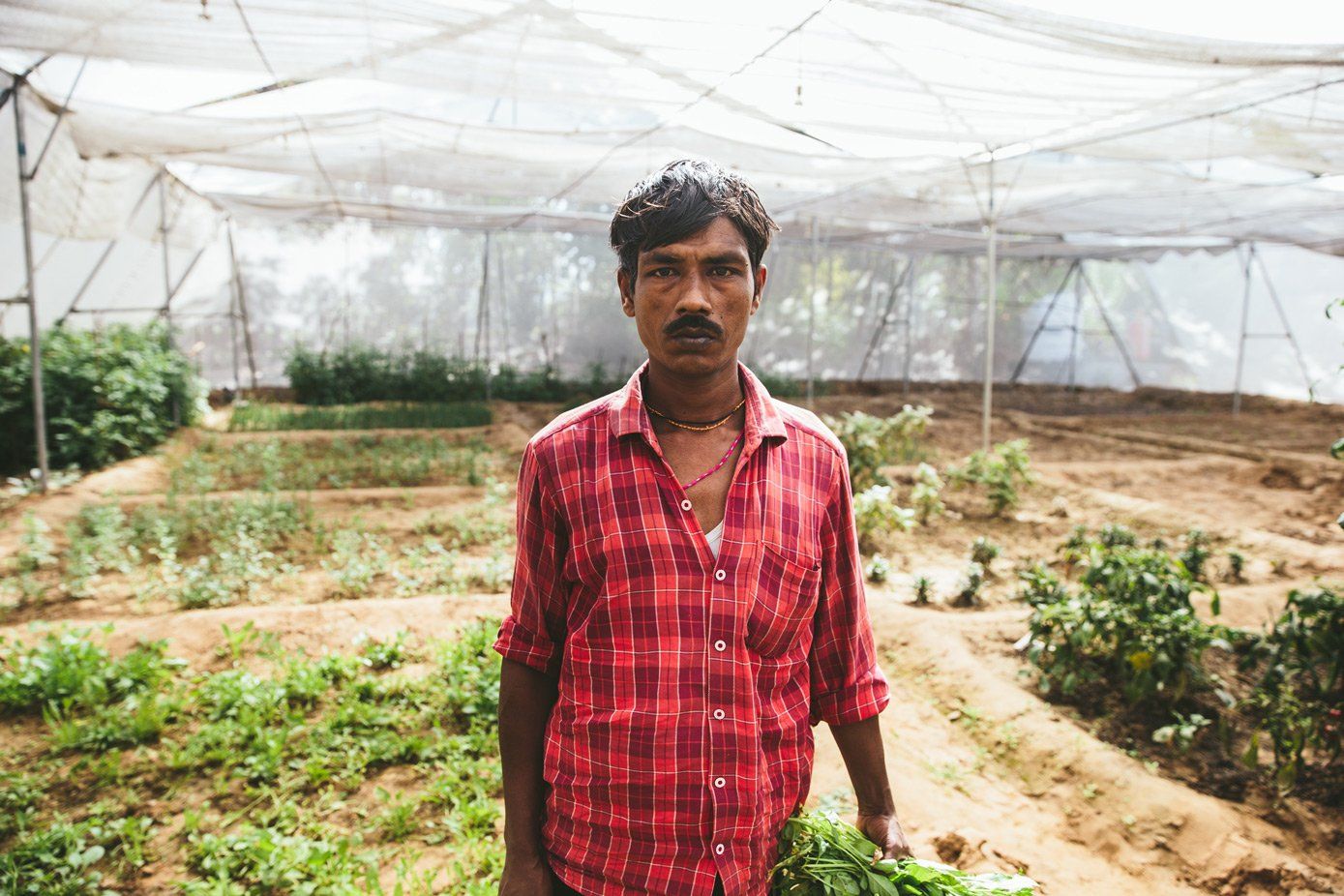



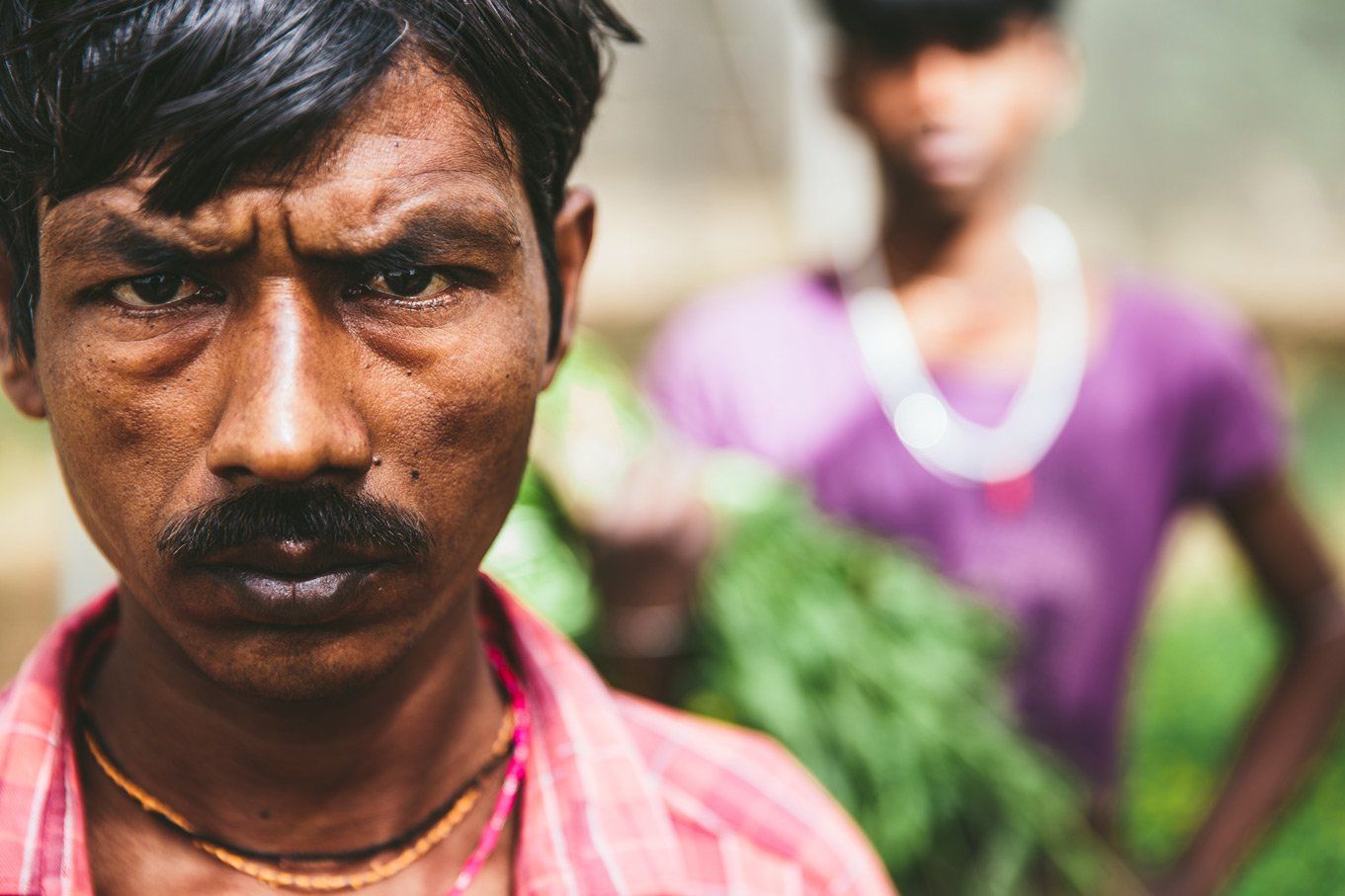


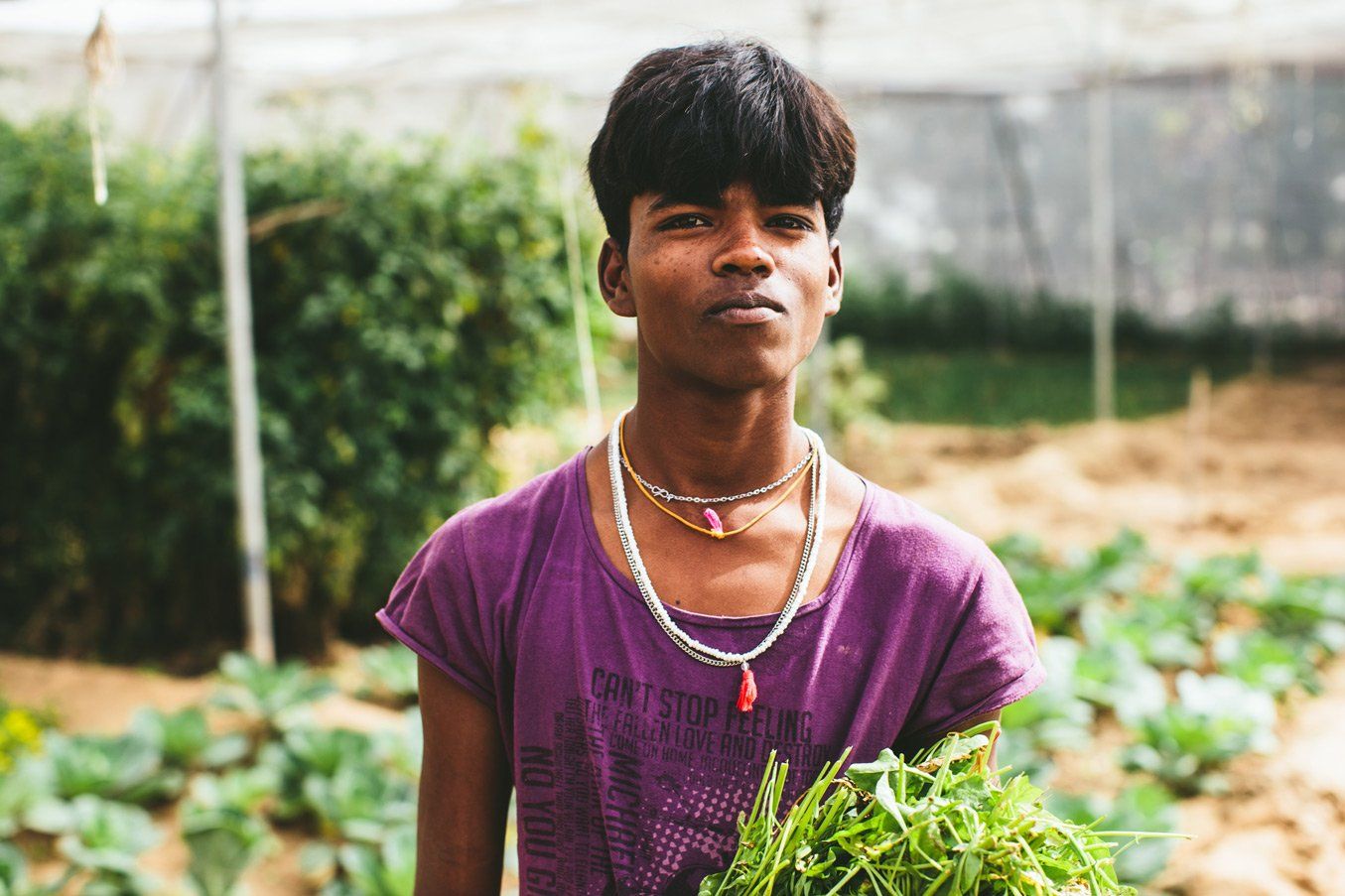
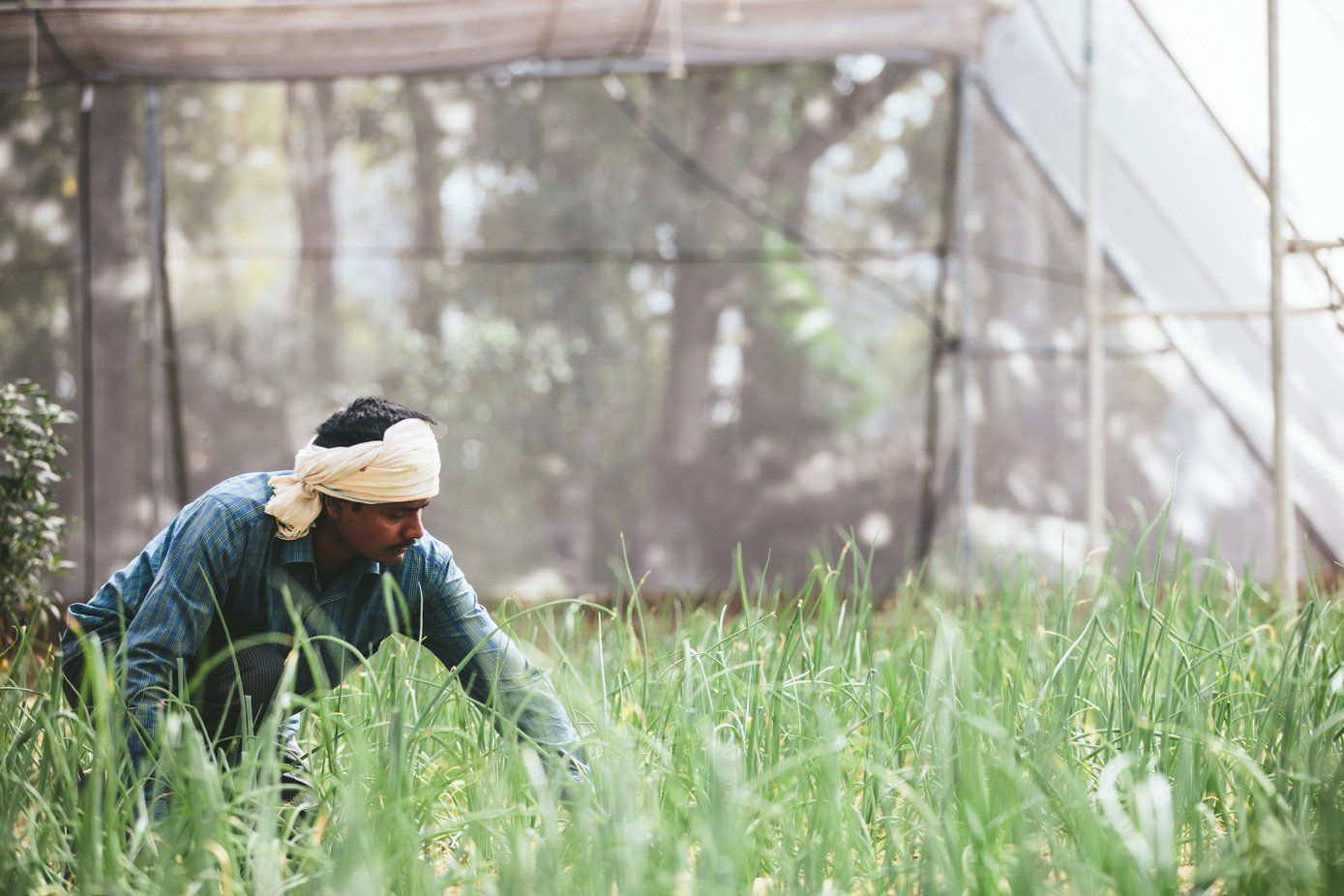
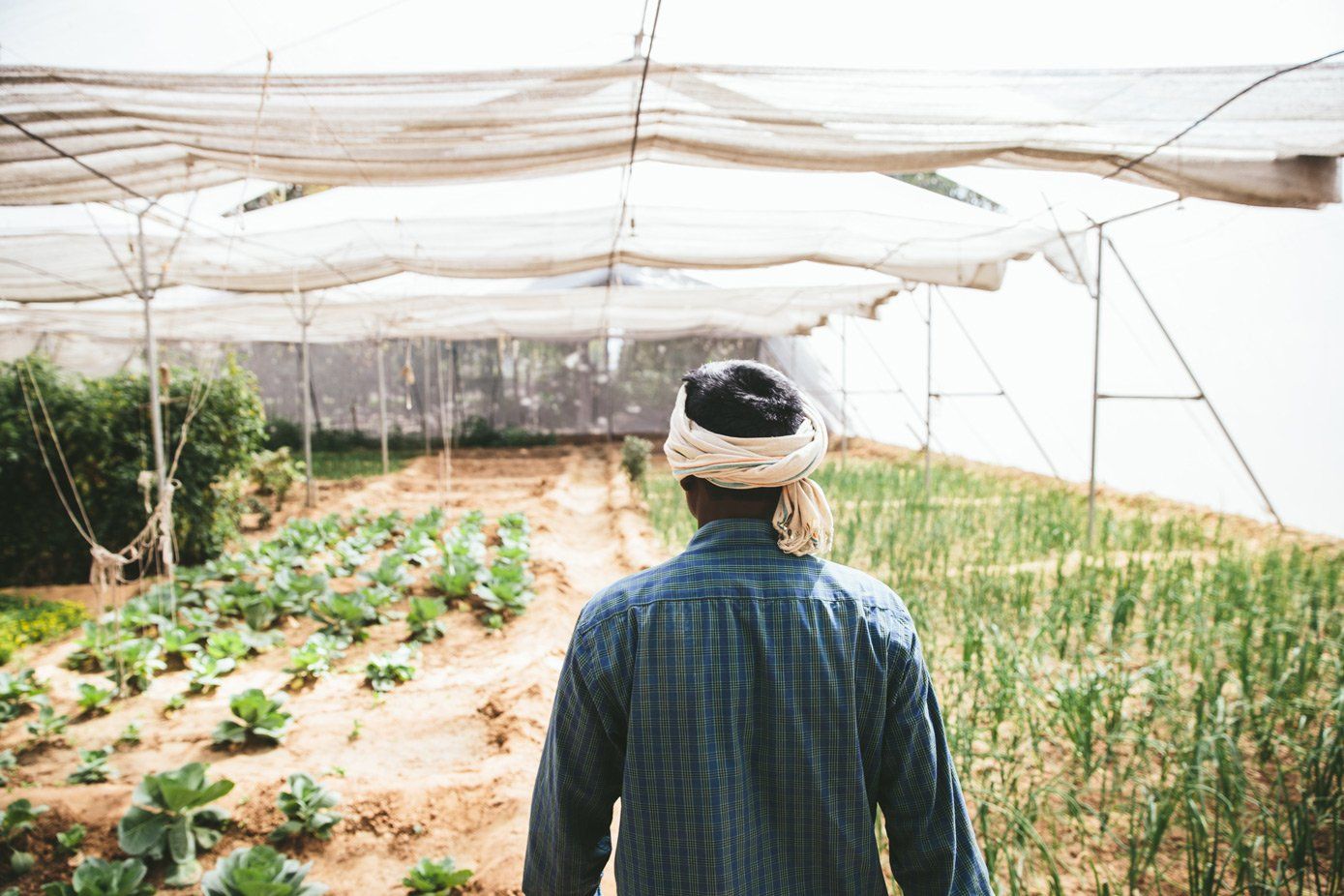



View more
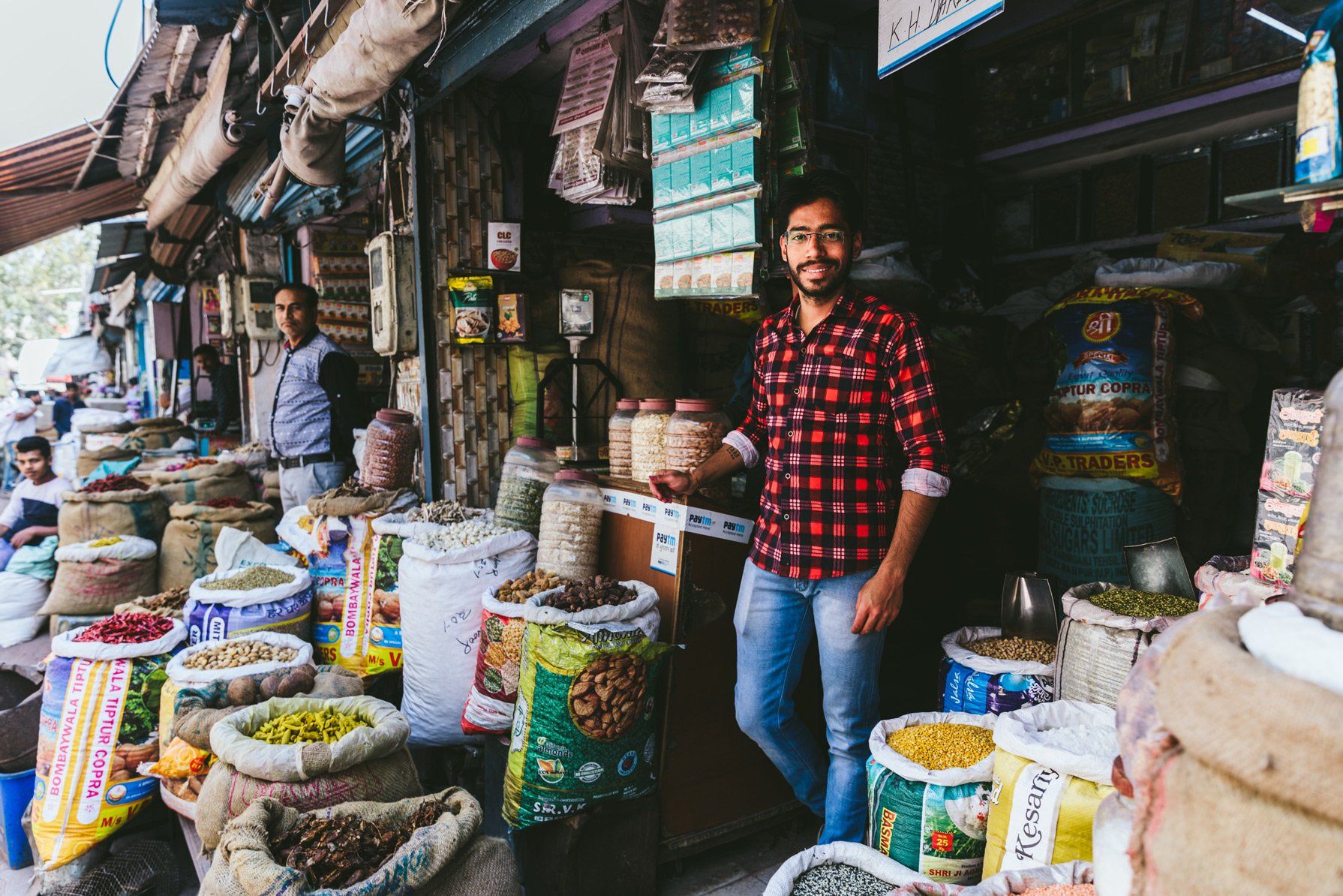
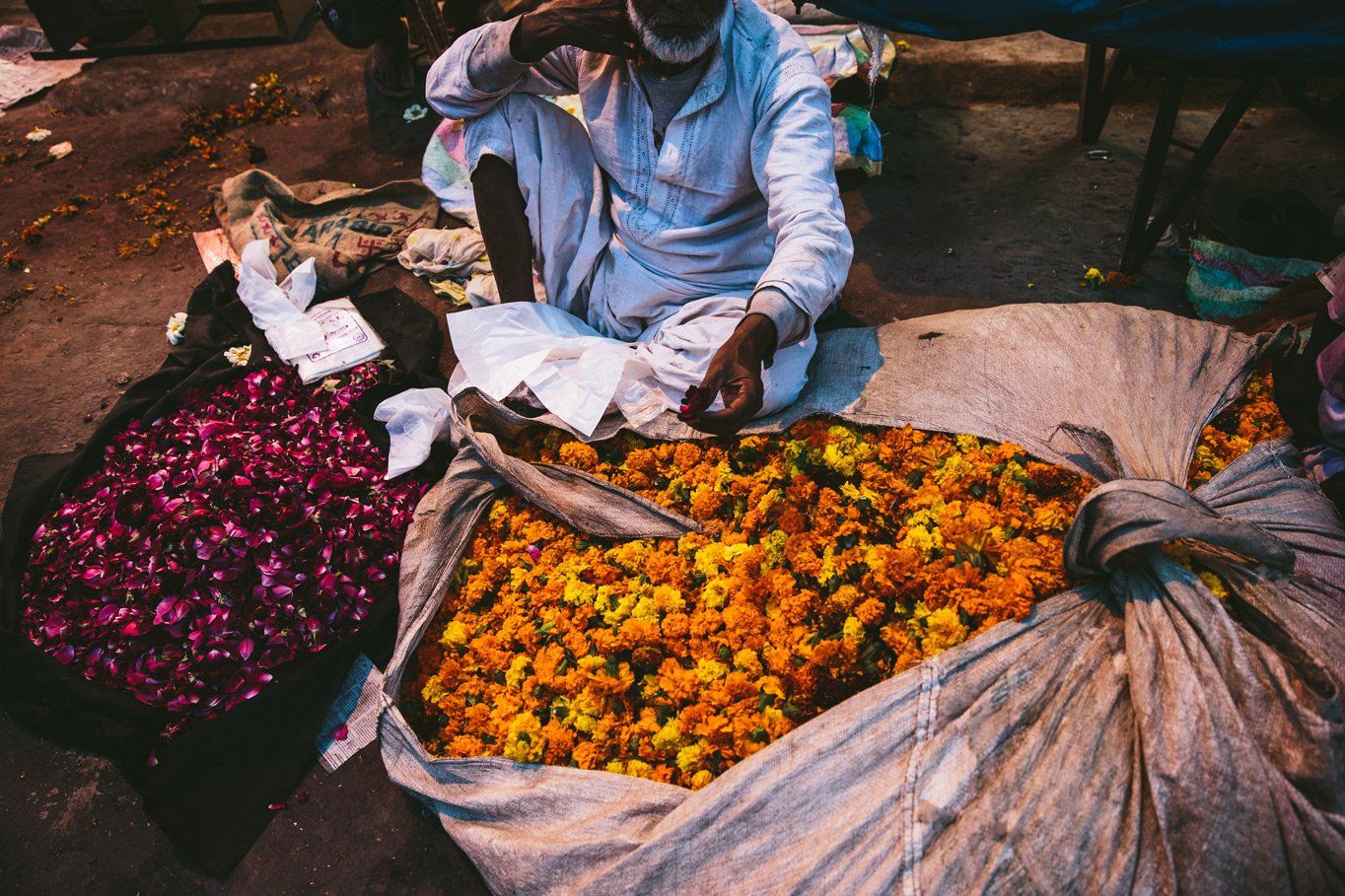
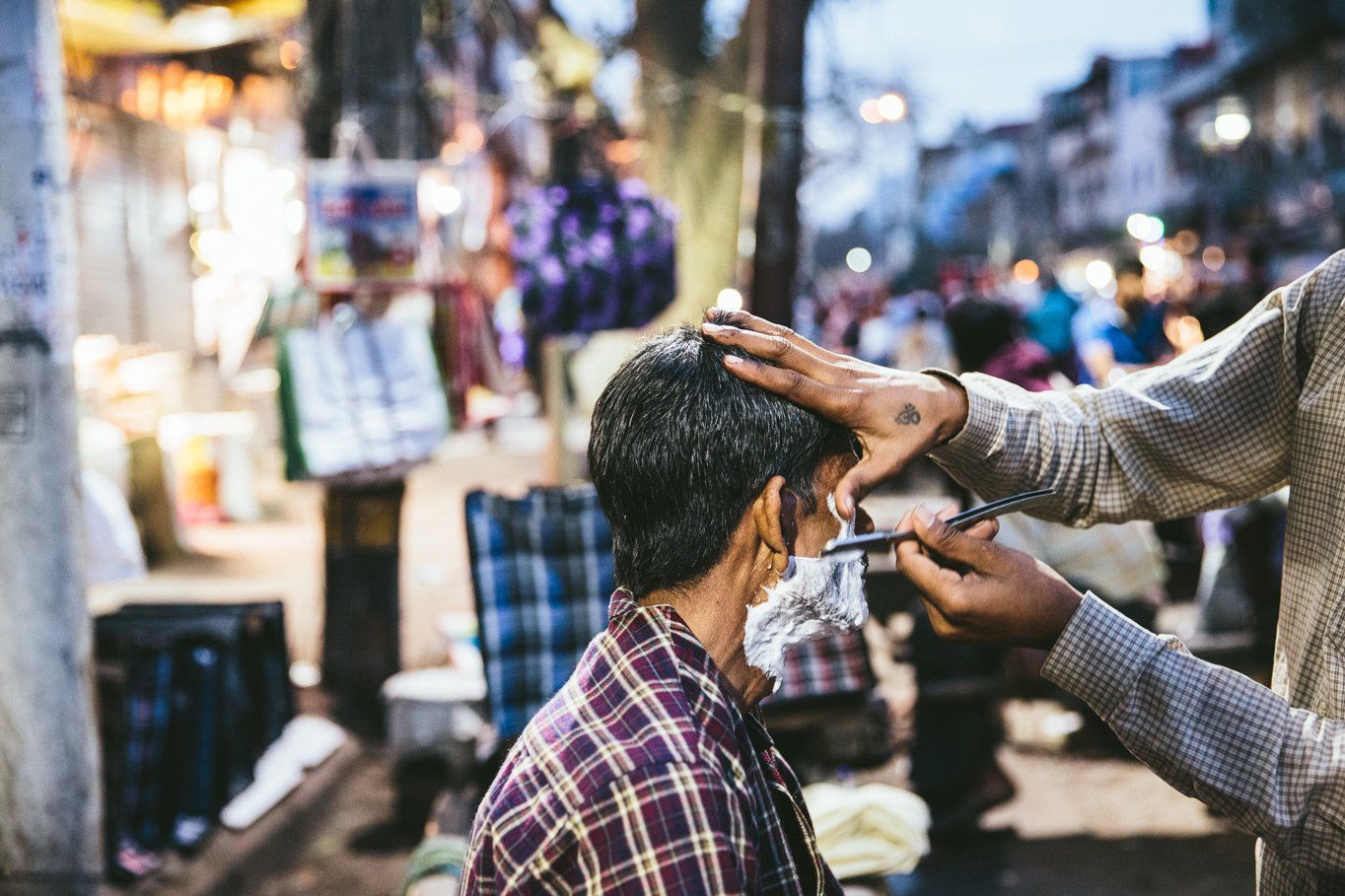
Innovation meets local hustle in the bustling market streets of both India and Singapore. Vast inspiration and varied creativity set out for sale in sacks of specialty spices, textiles woven with ancient techniques, and baskets of produce piled high. Bubbling hot in the corner carts, precious recipes live out their thousandth year with savory respect—food, one of few things that both distinguishes culture and connects people.

















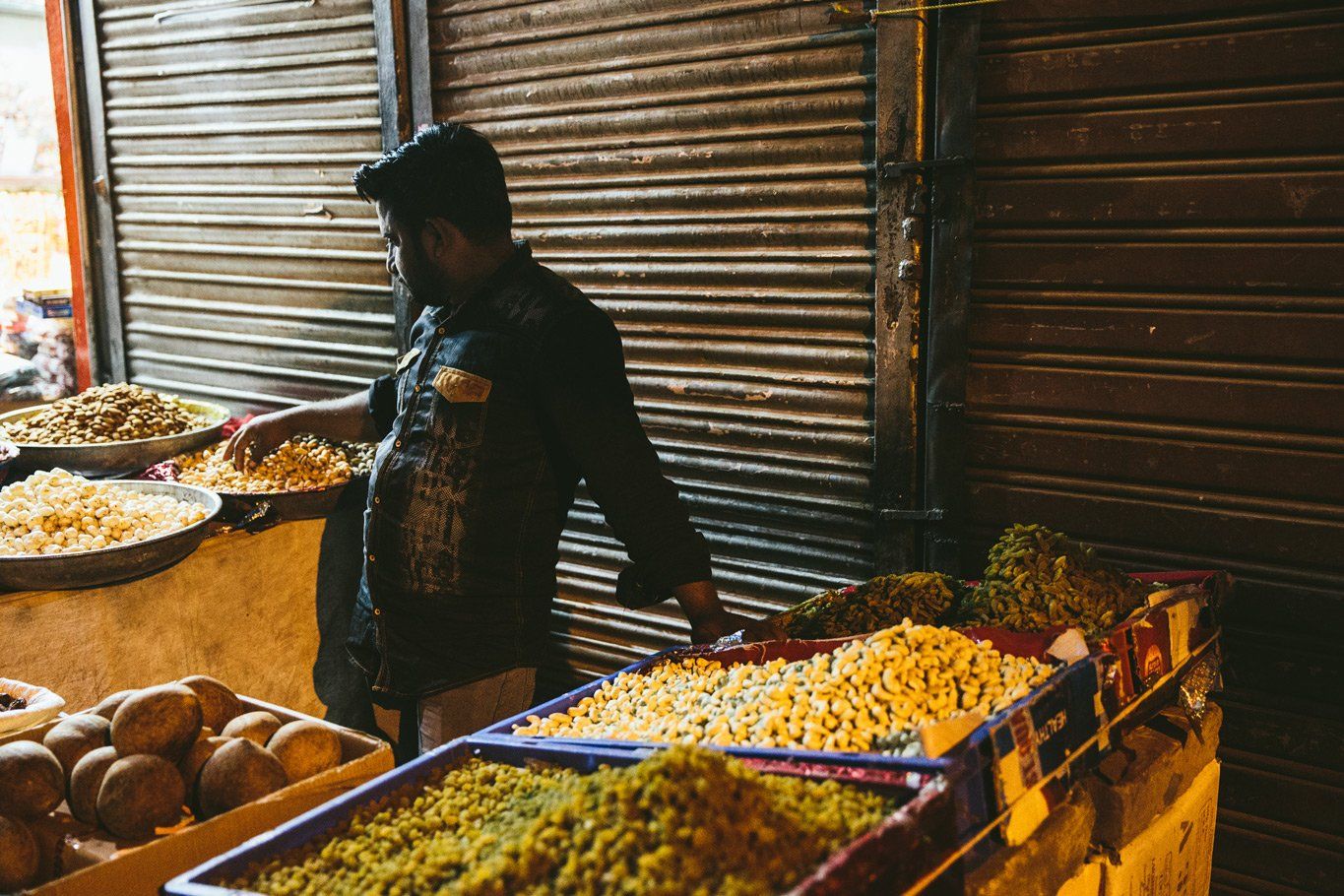
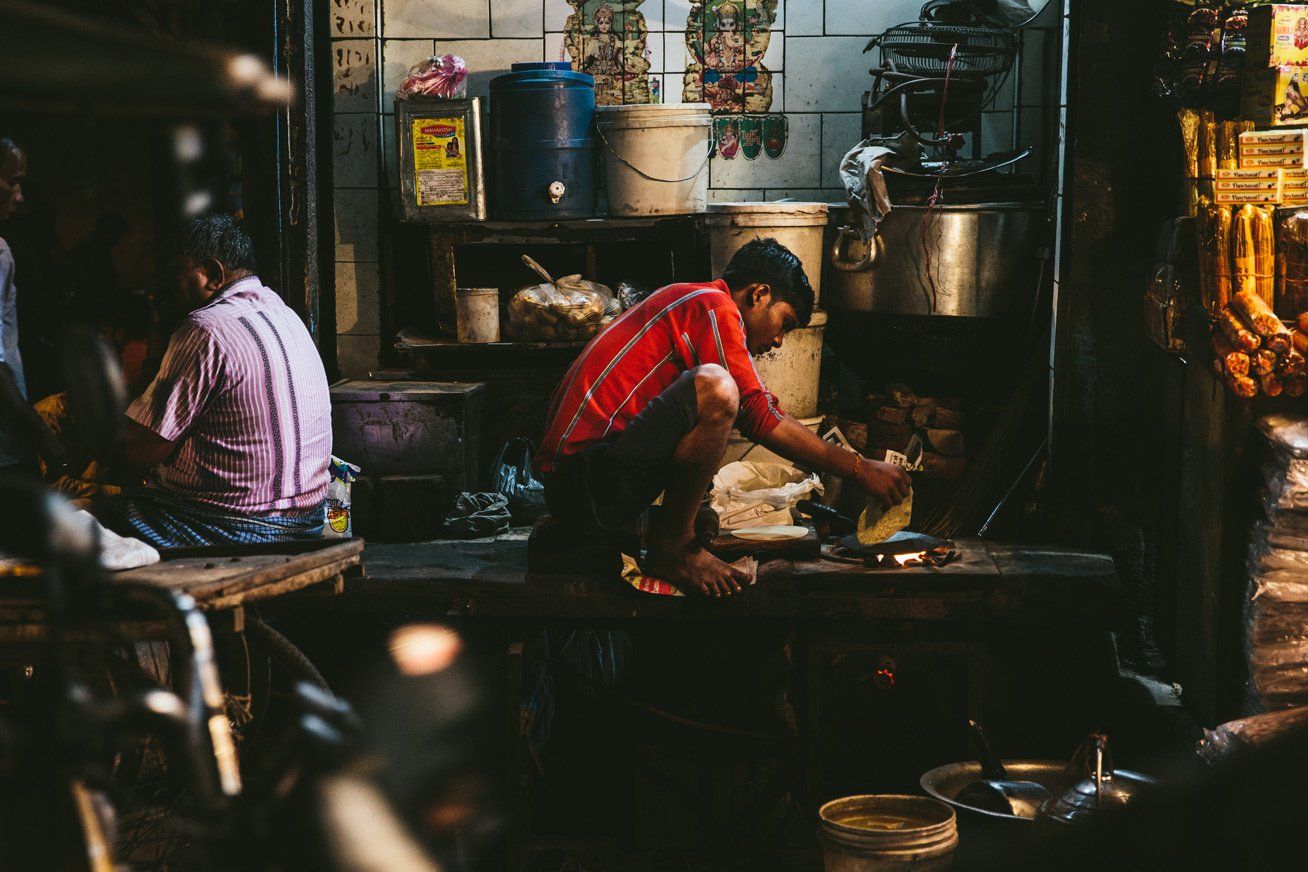
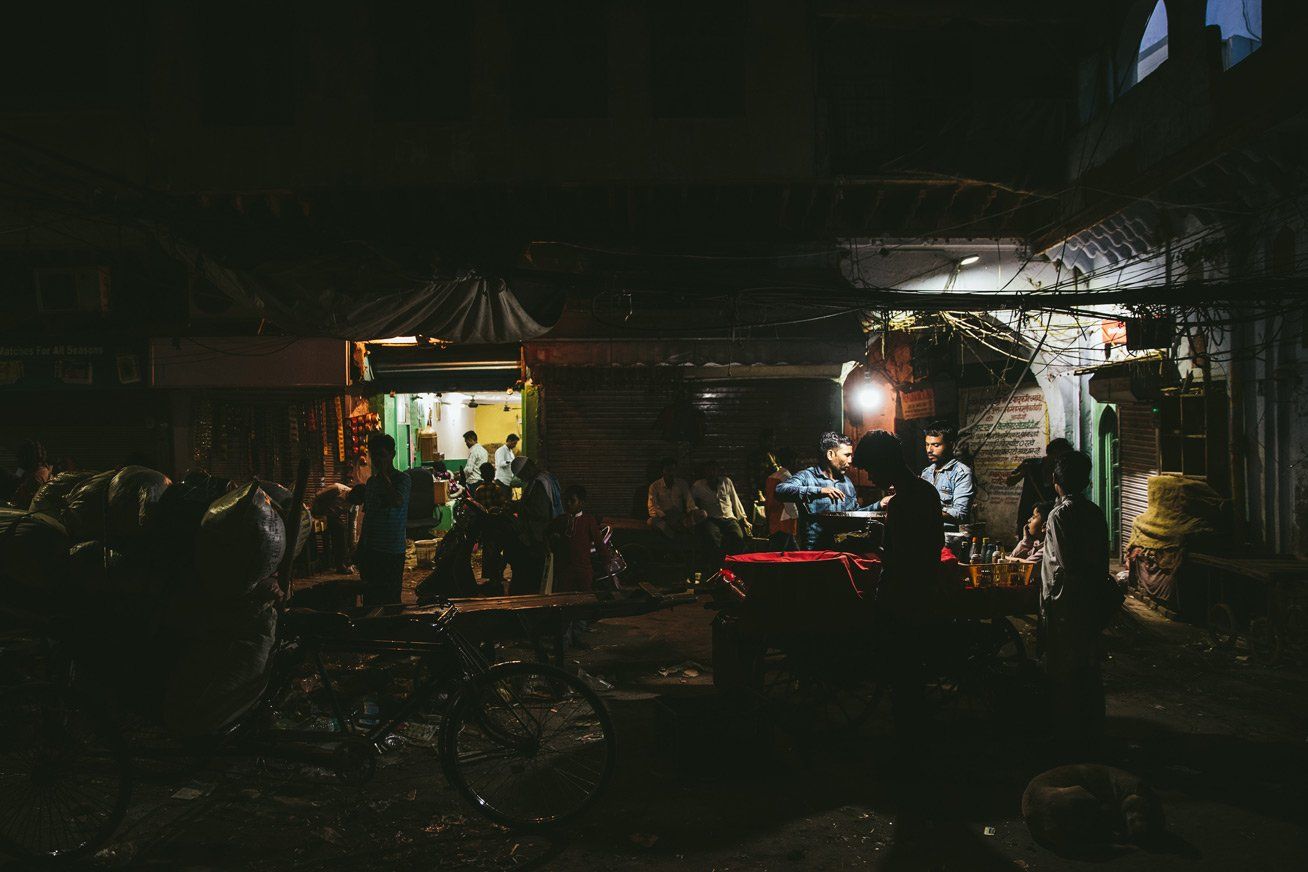
View more
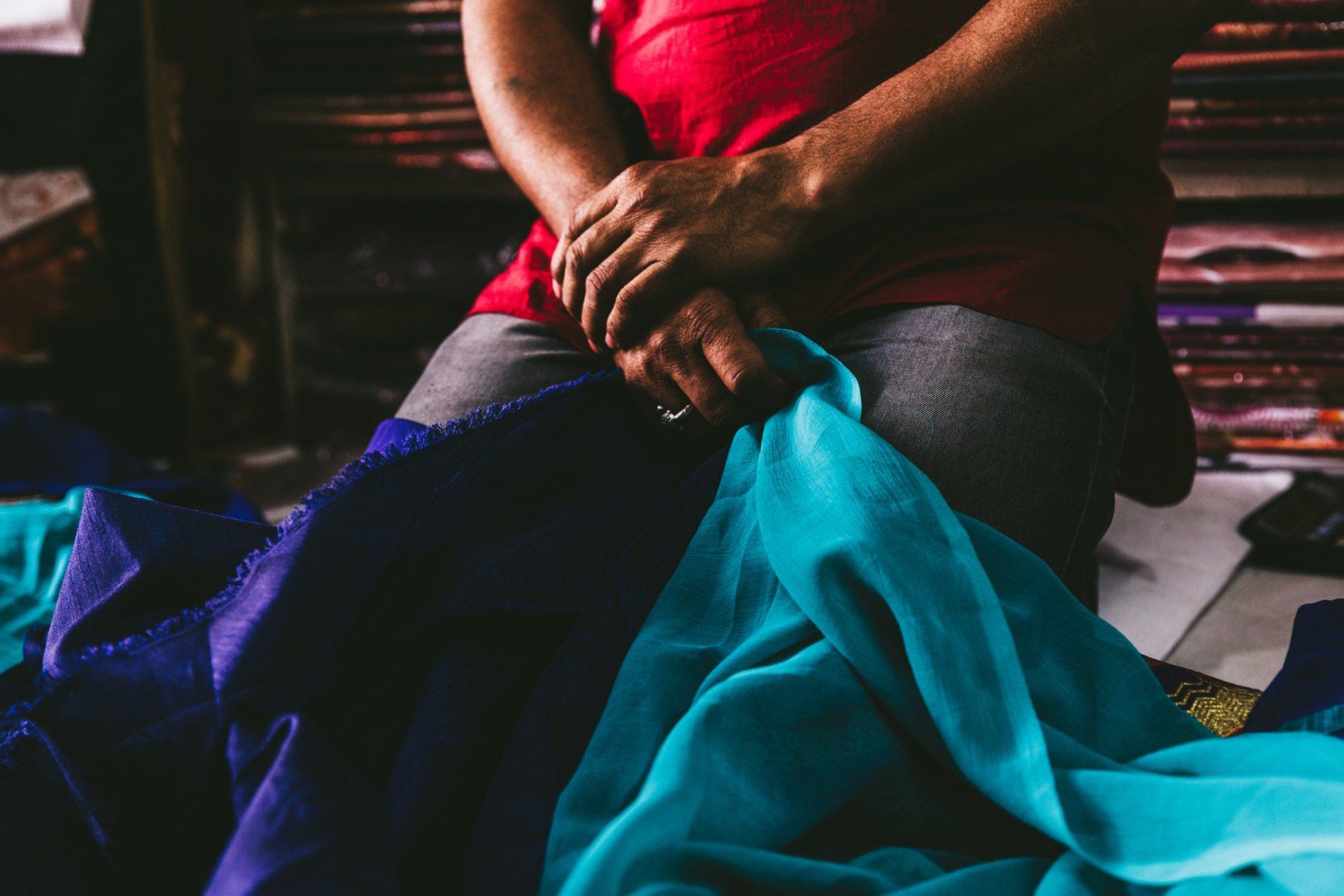
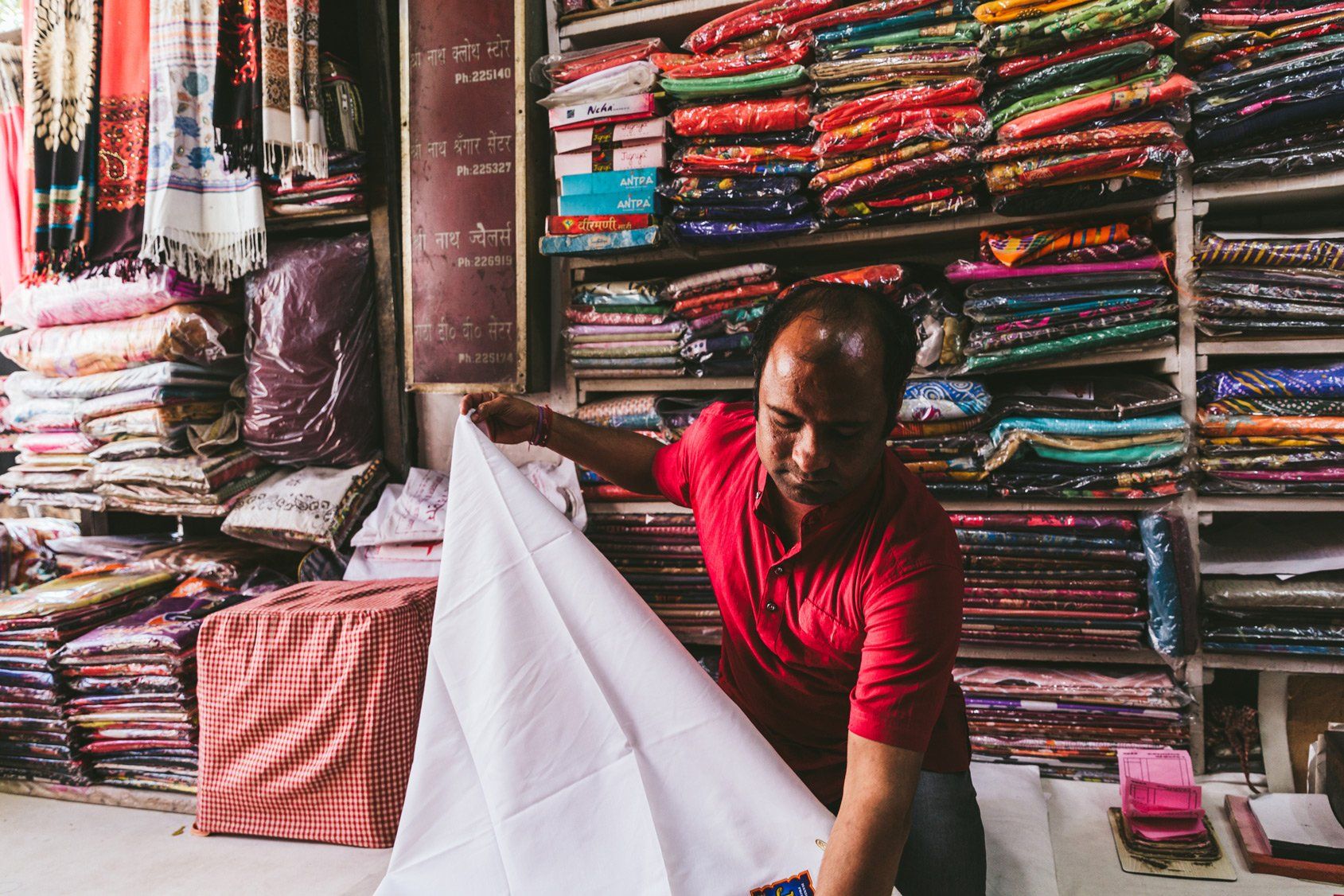
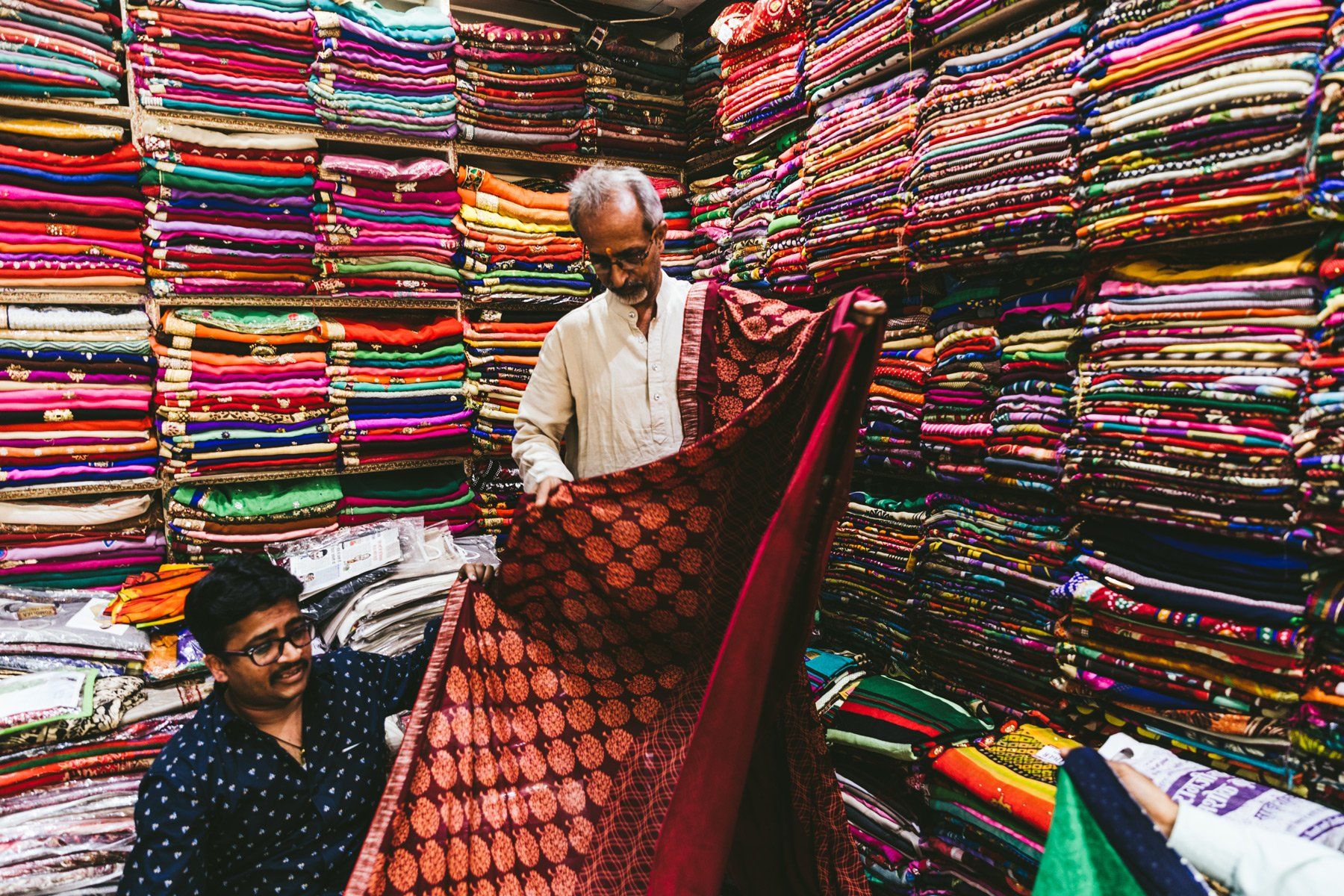
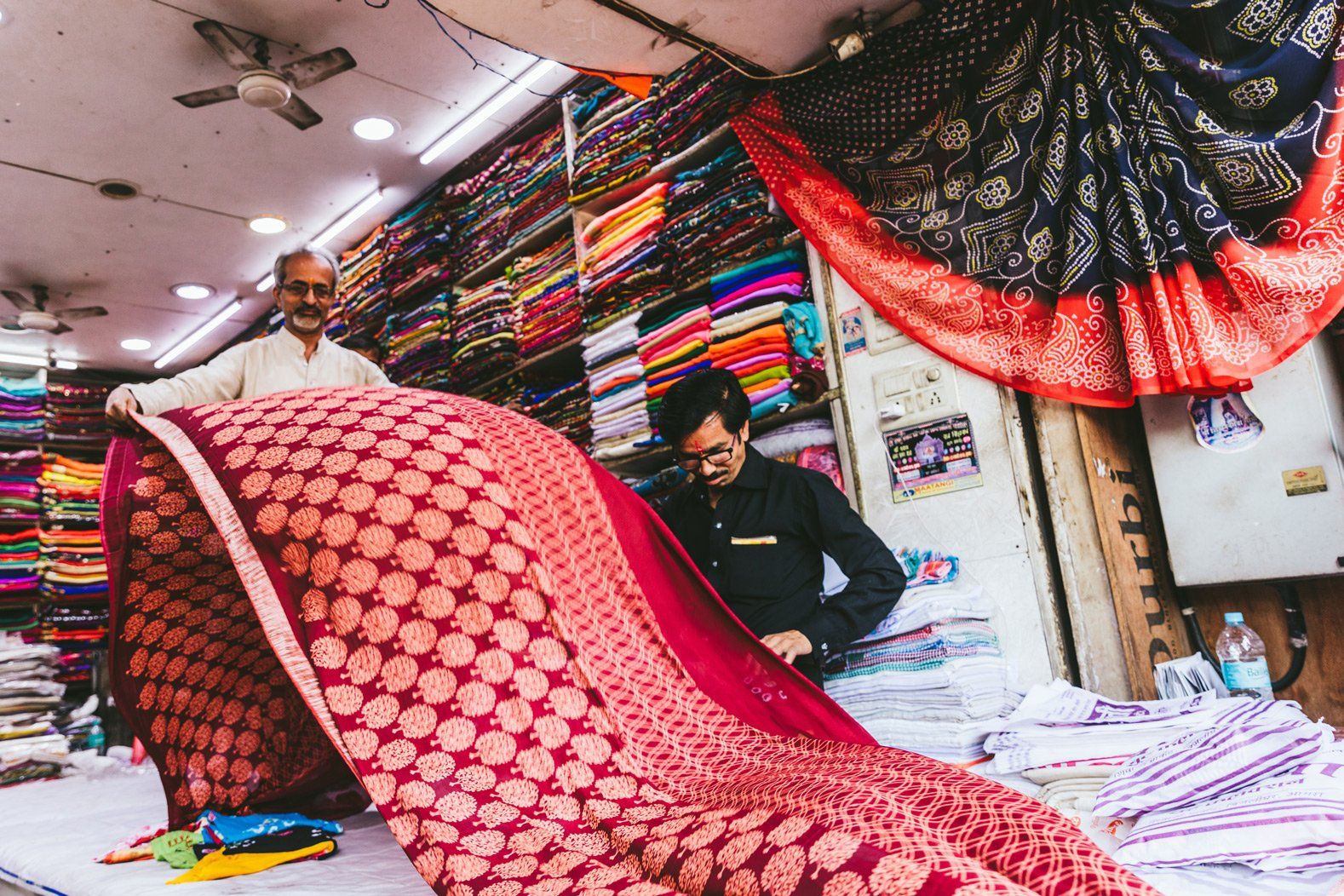
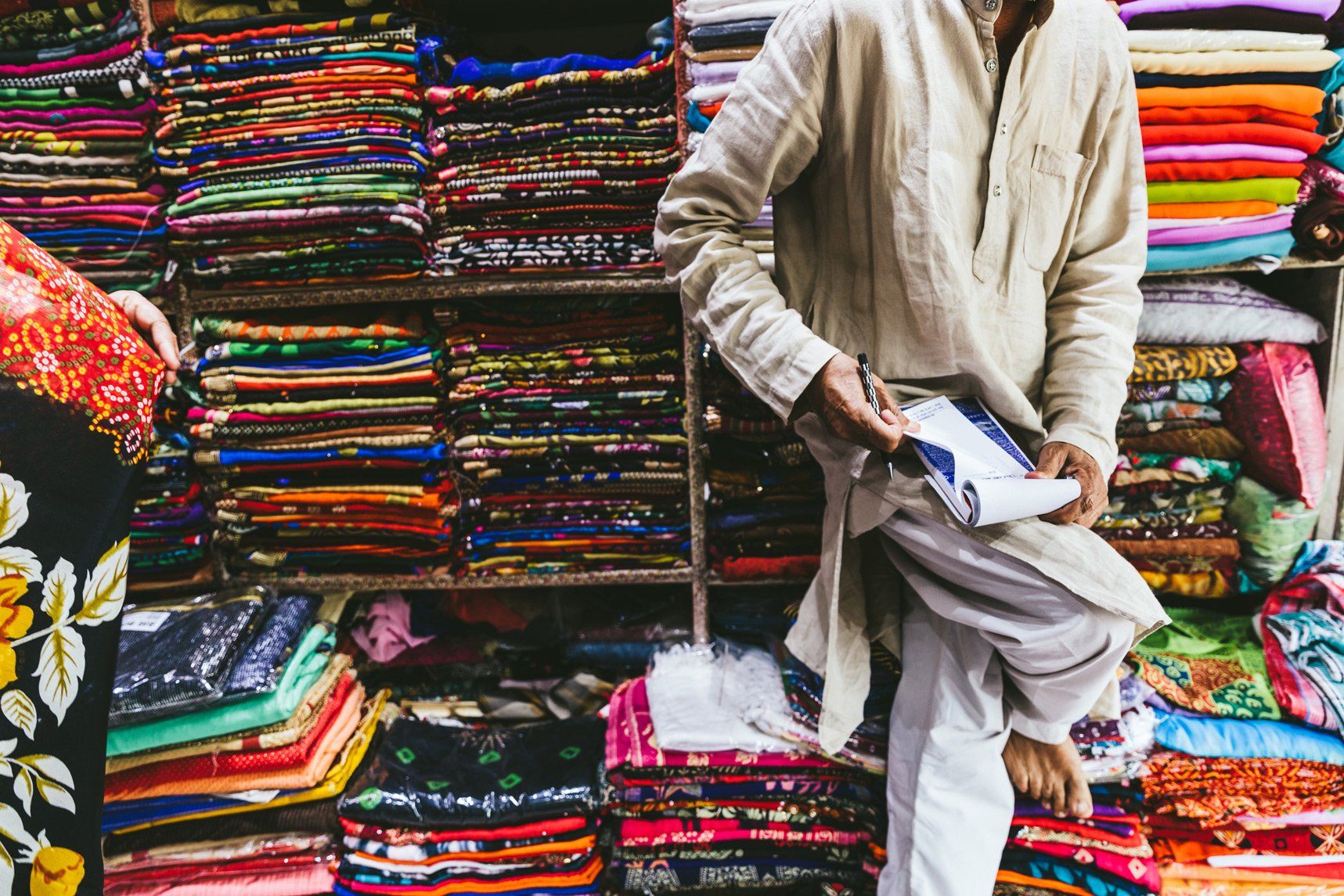
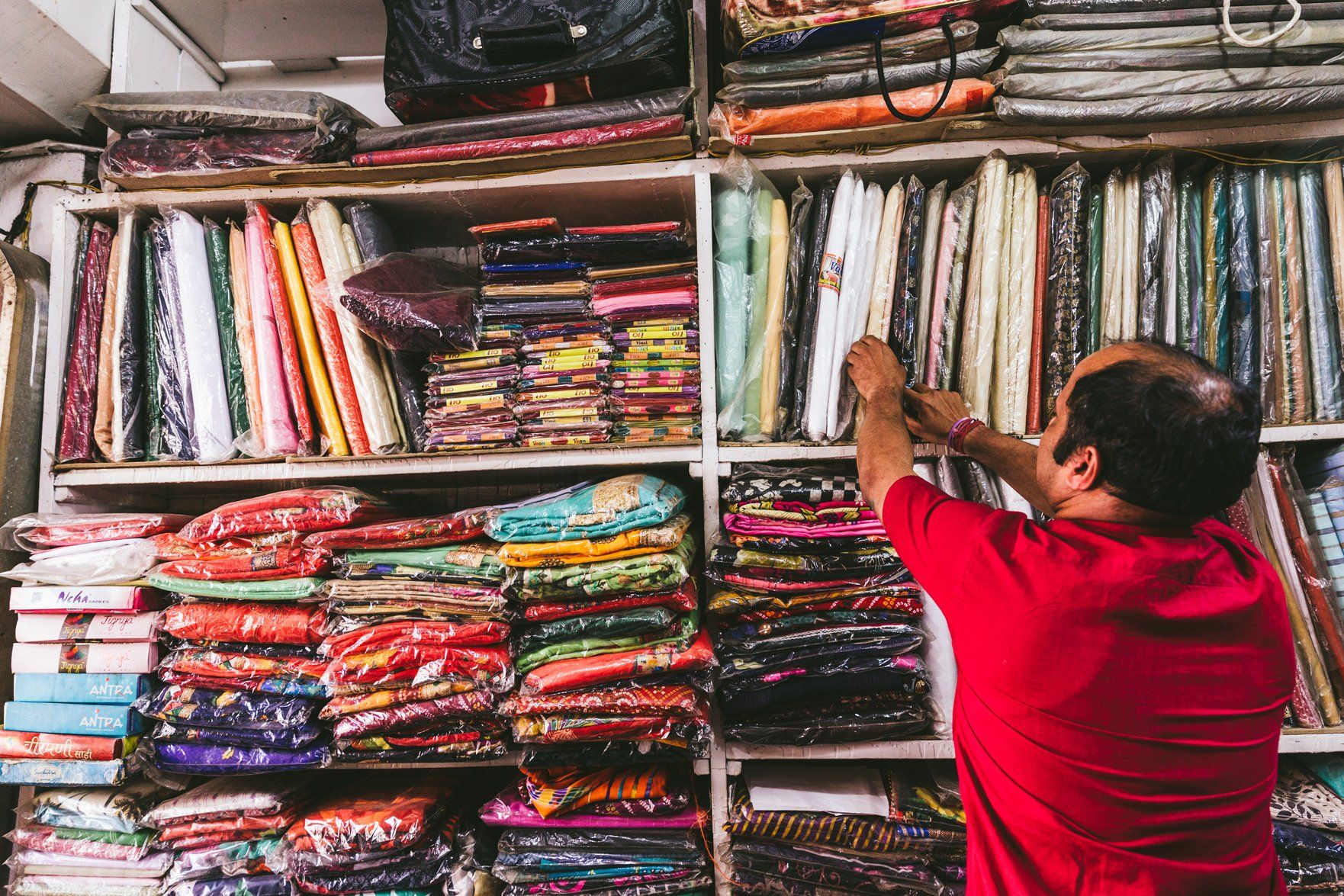
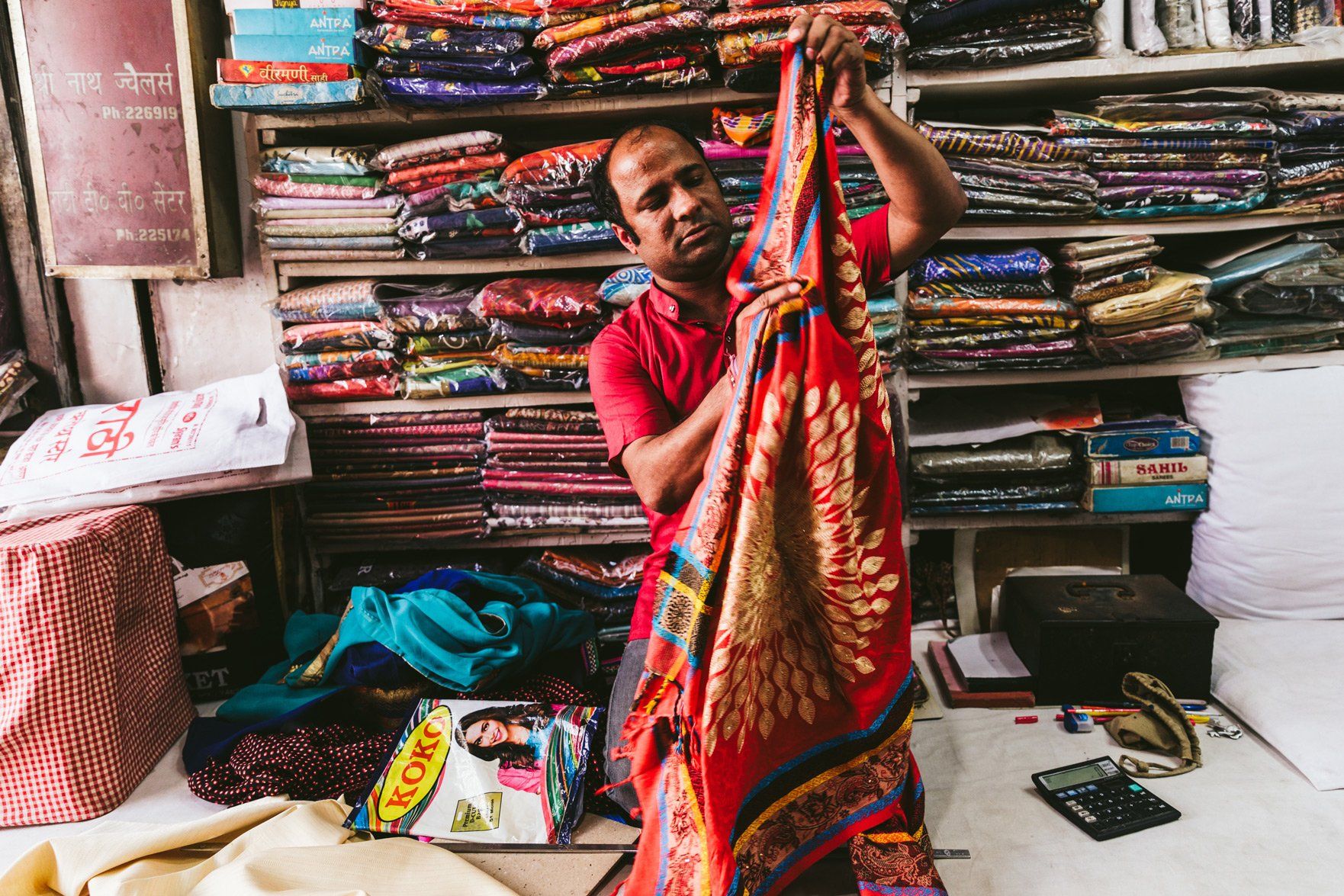
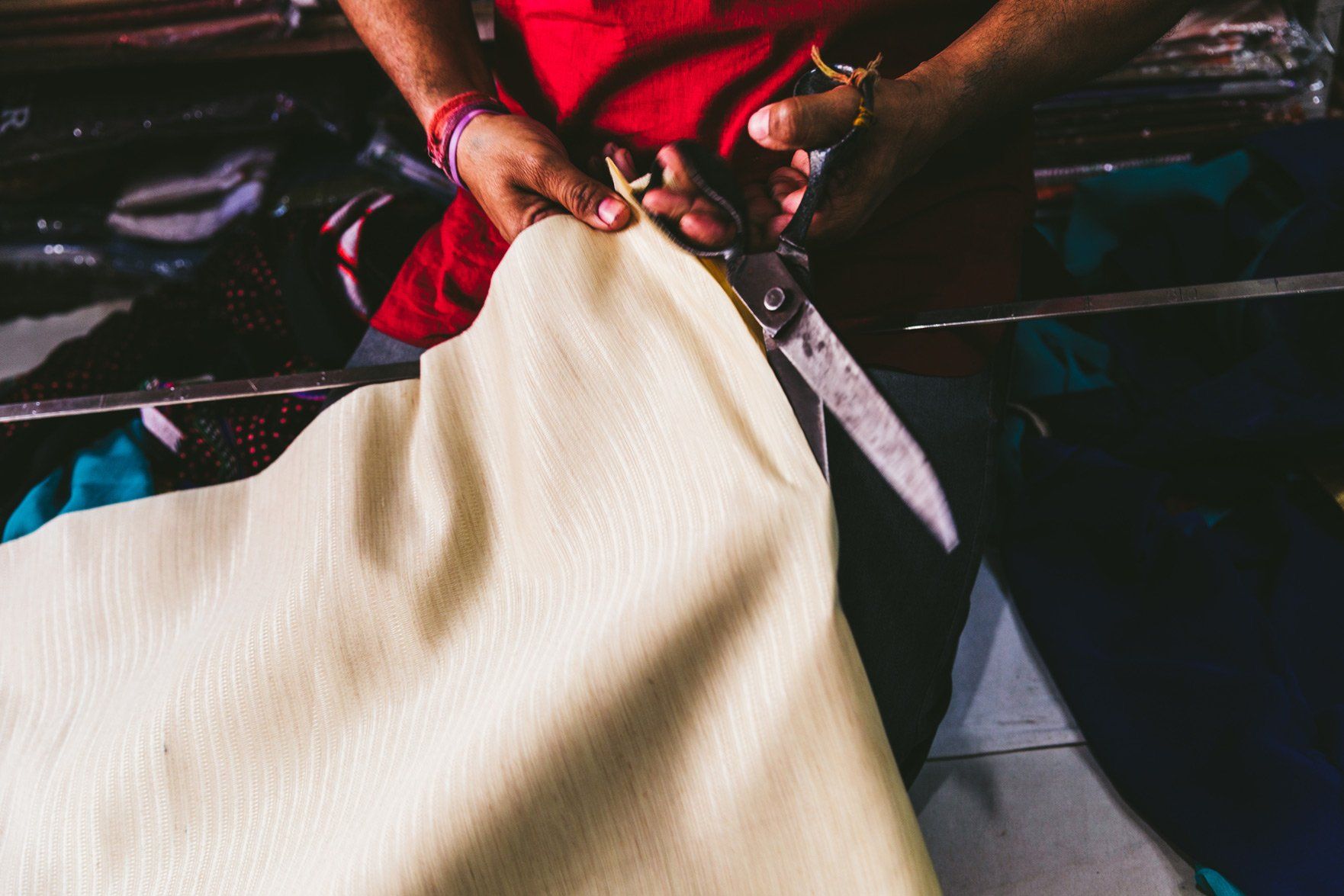
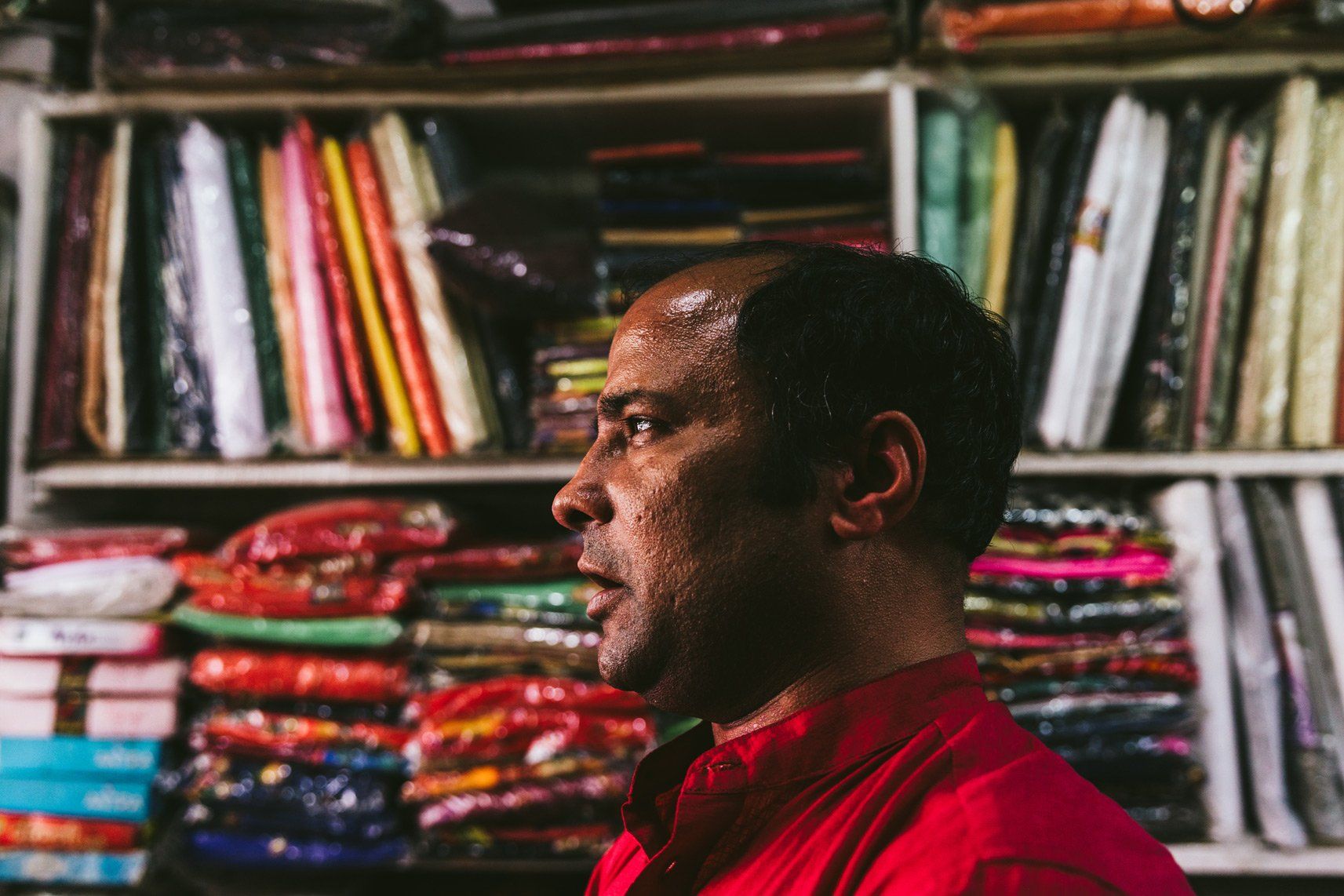
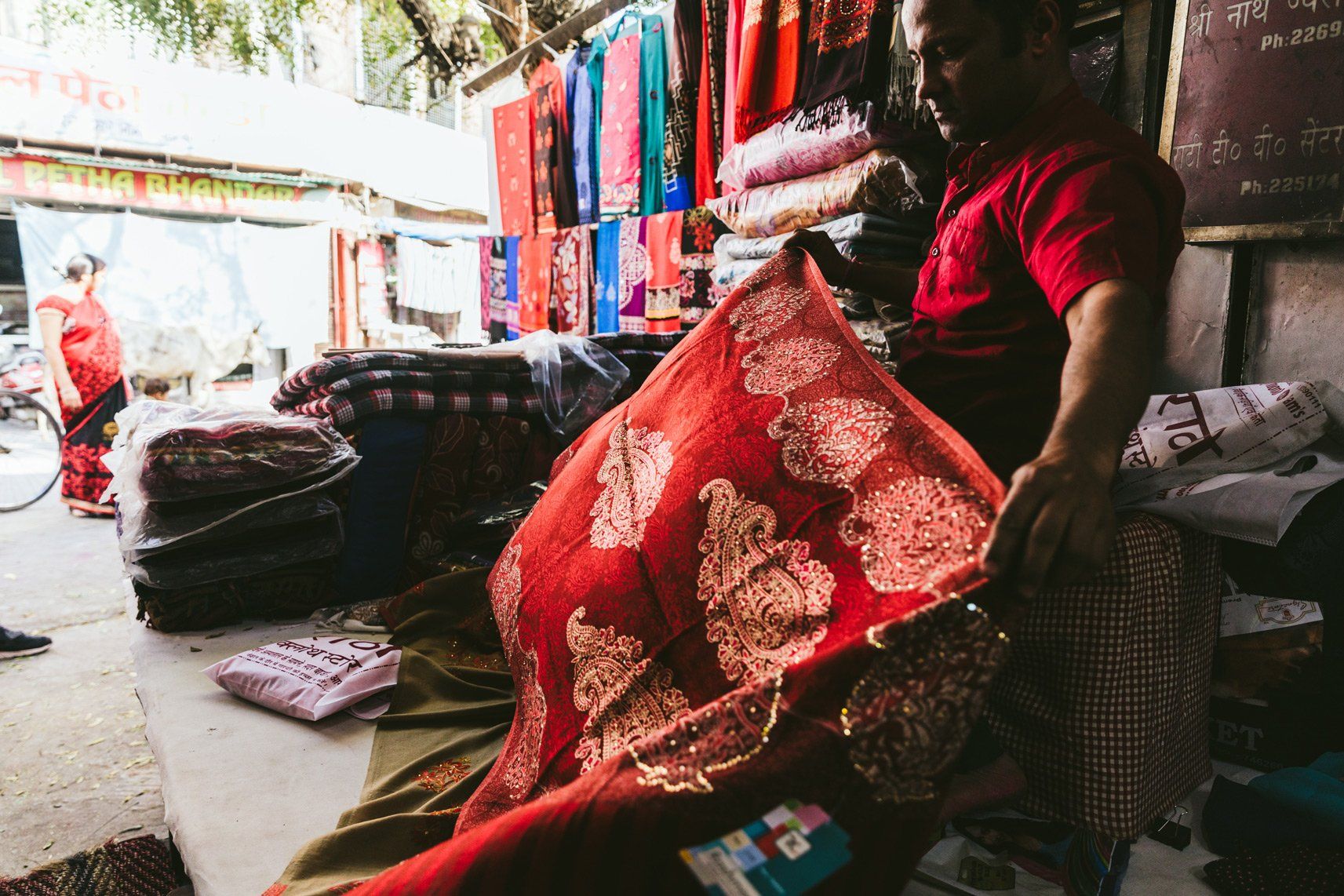
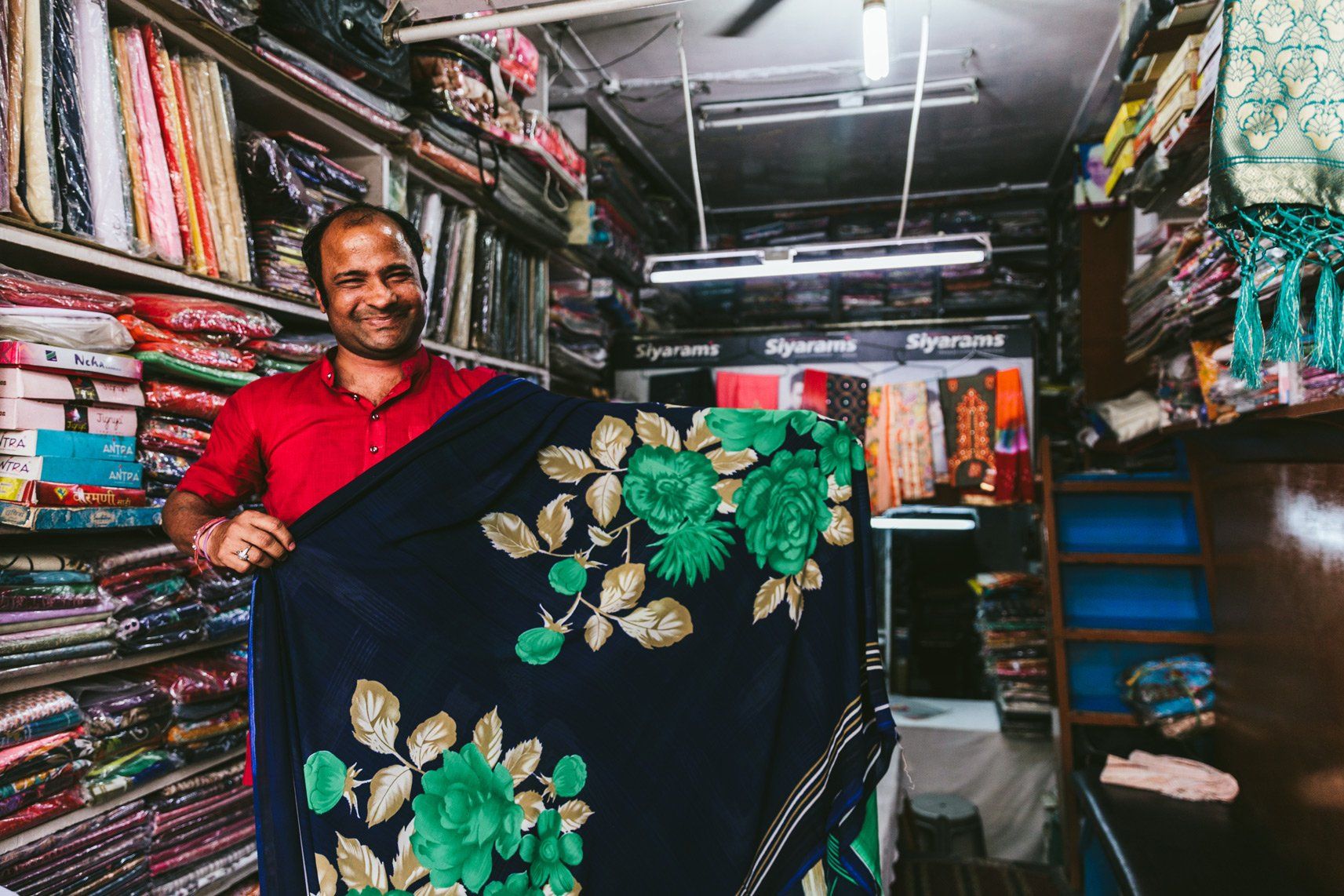
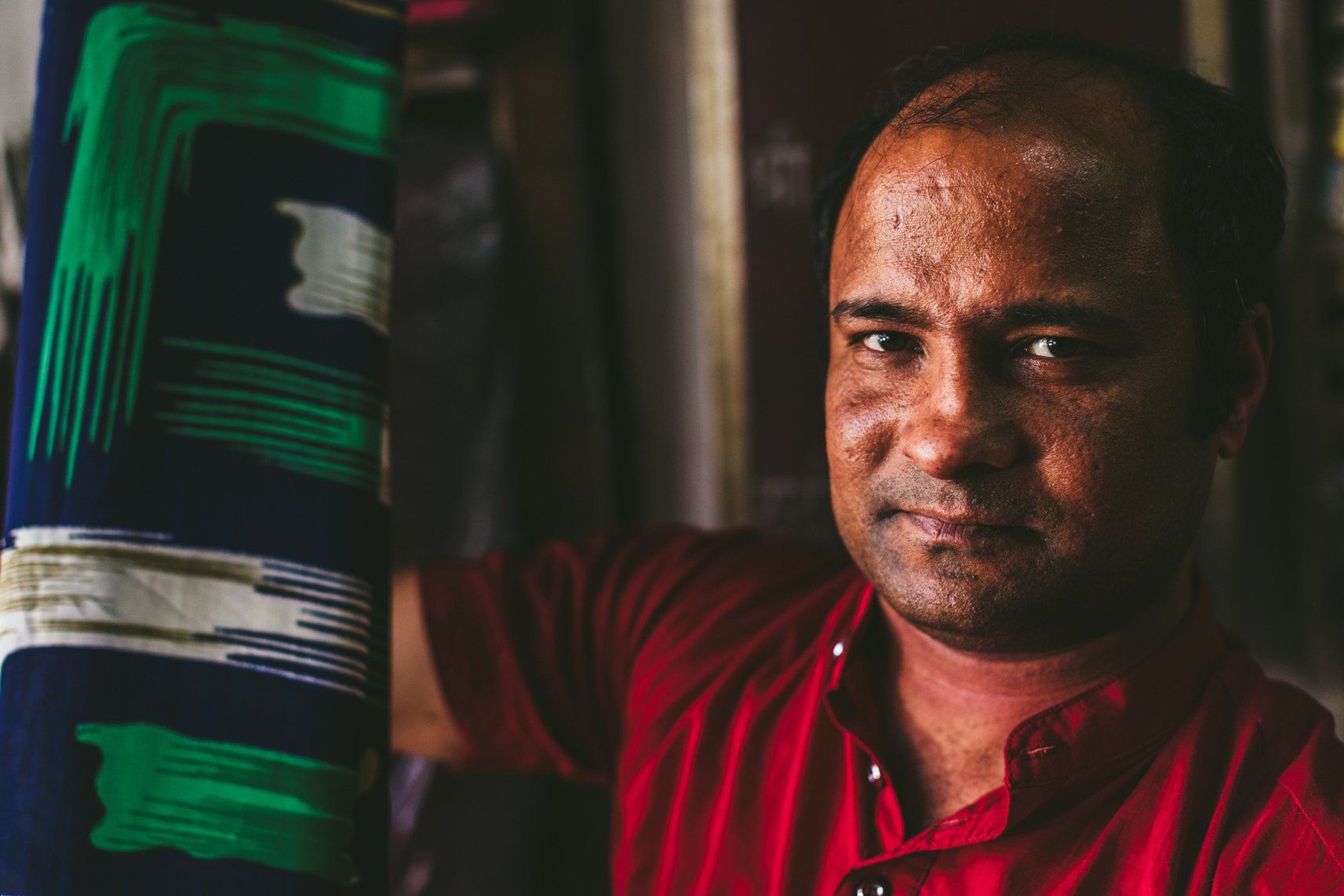
What we see leads to what could be. Studying lower-tech commercial contexts helps us visualize the customers of tomorrow and consider what role technology and innovation might be able to play in continuing legacy businesses handed down from generation to generation. Here, we study textile shops in India where we are welcomed to admire and enjoy luscious patterns for every occasion.
View more
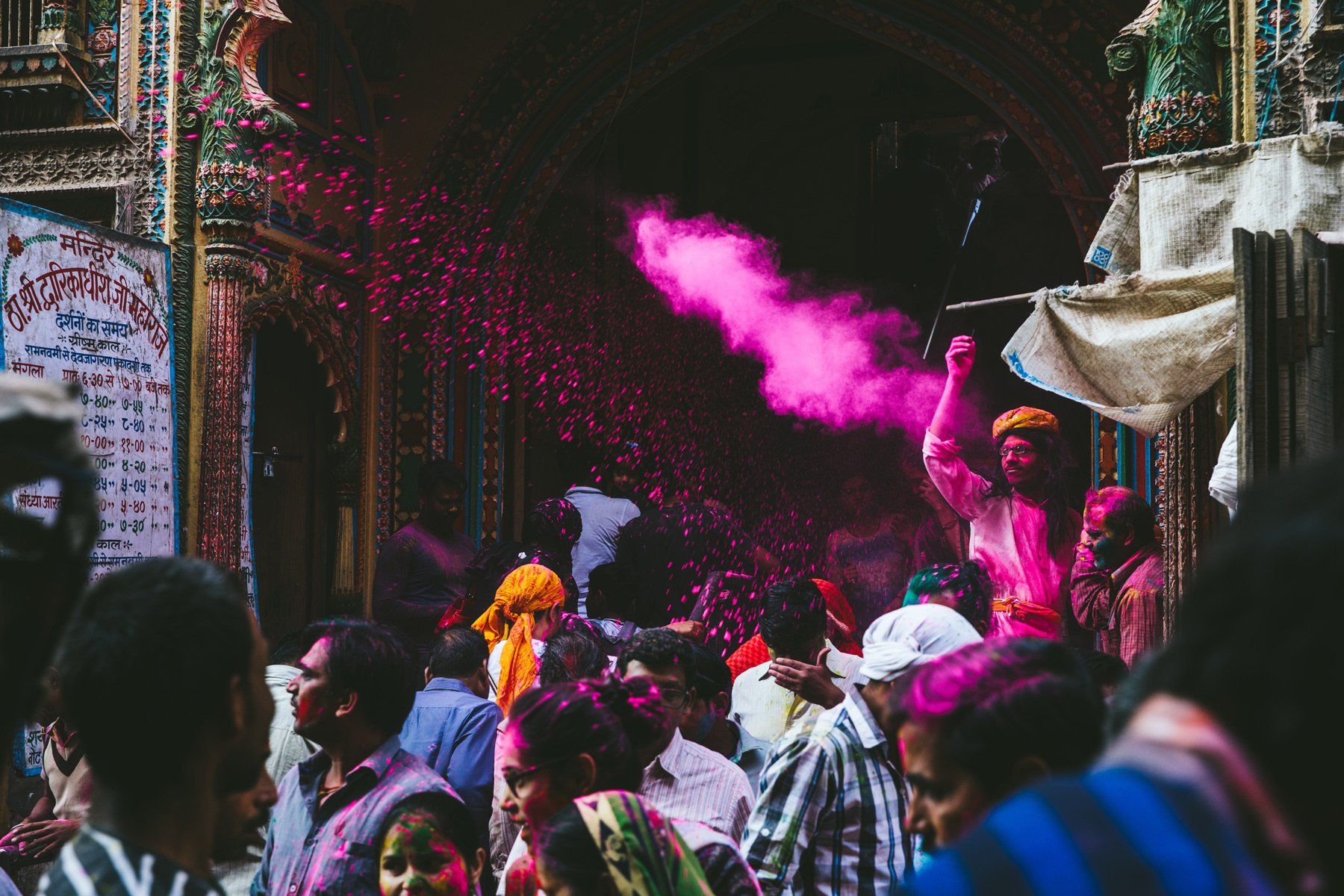
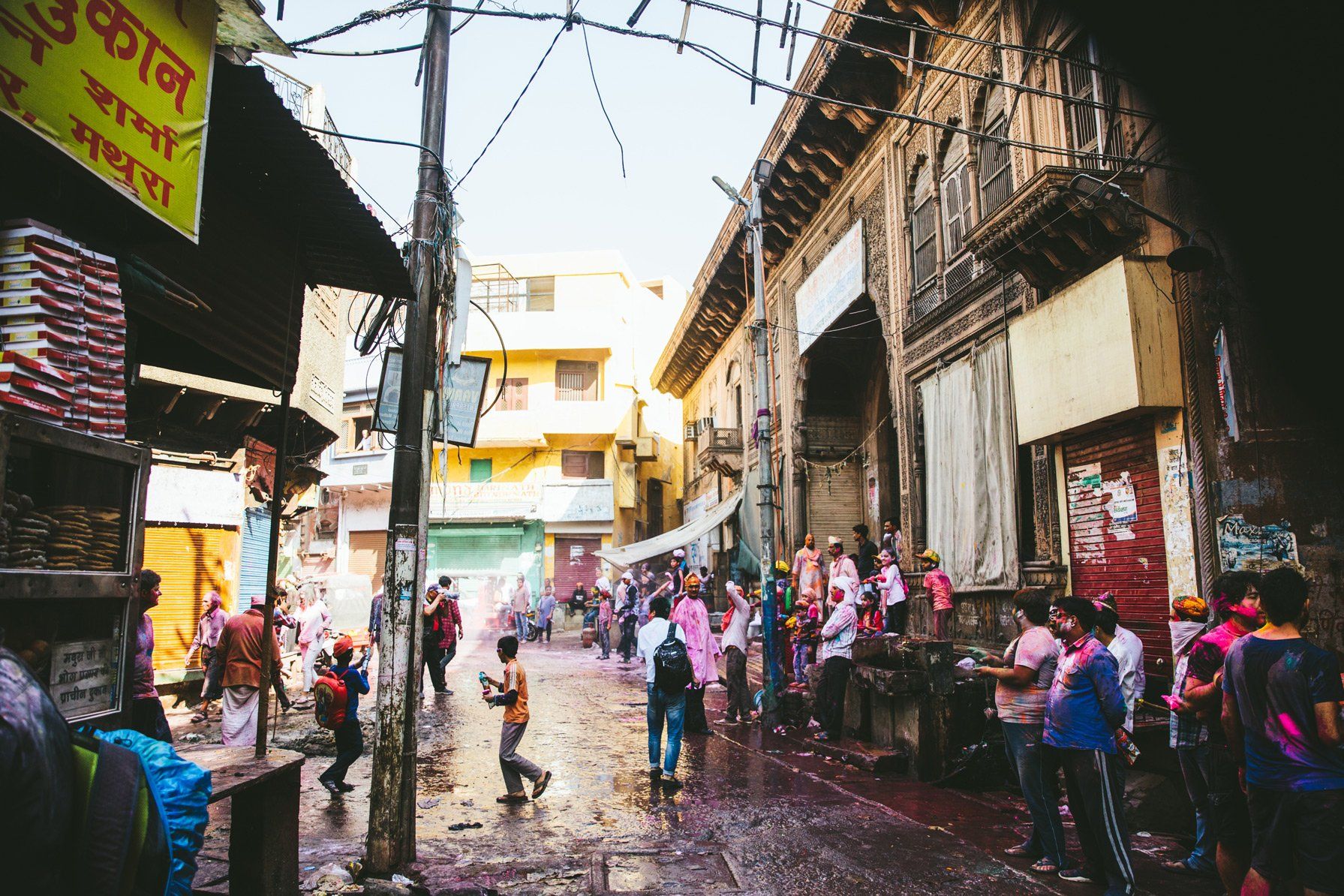
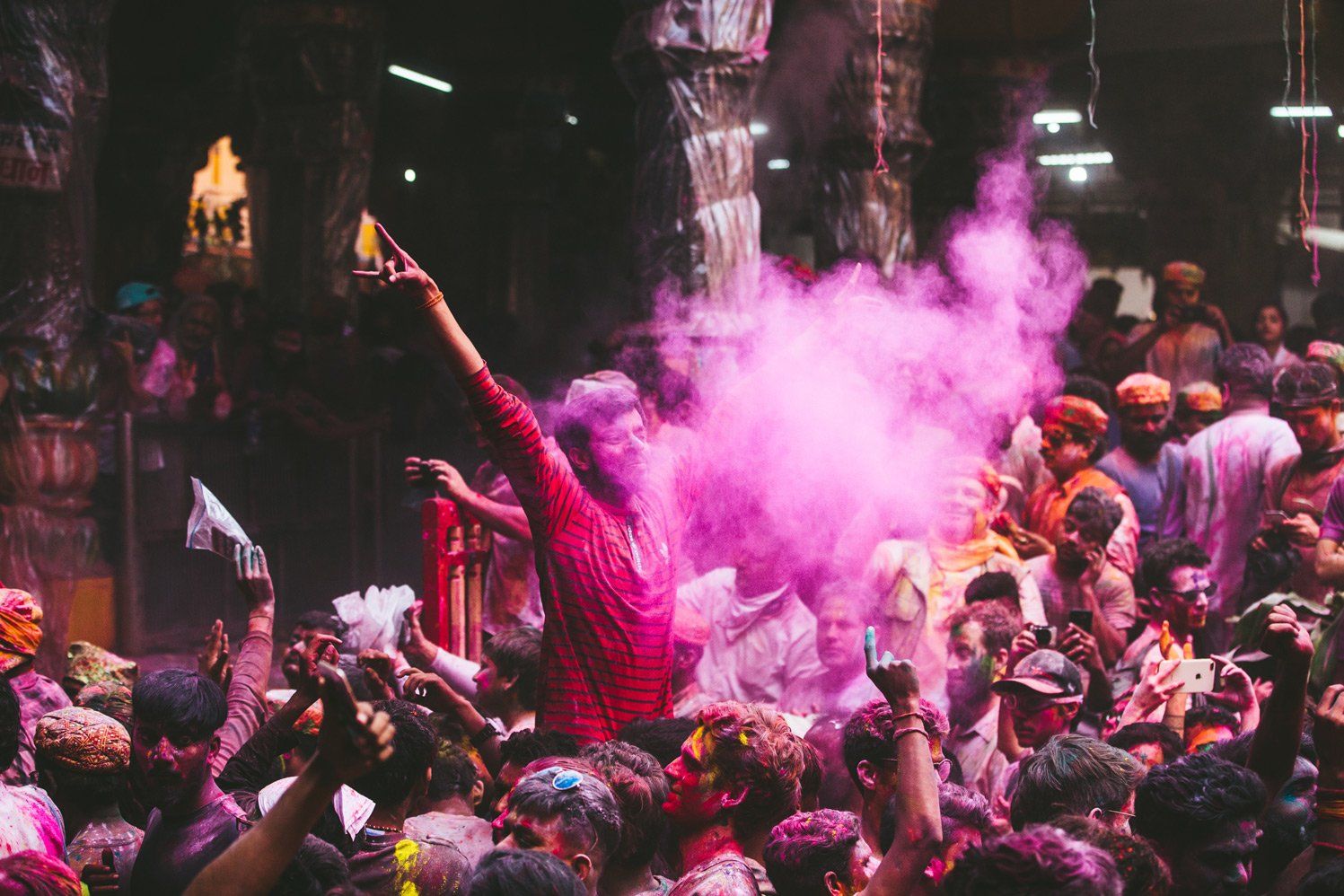
To see tech contextualized within human experience, we need look no further than the sea of selfie sticks and mobile devices present to one of the messiest, most beautiful cultural traditions of India—the Holi festival of colors. What began as a lesson in appreciating diversity and skin of every color has swelled into a country-wide celebration with lots of gulal—a sometimes-natural colored powder shared generously and more than a little forcefully between strangers and neighbors alike.




View more
Capturing the grit and candor of daily life in a variety of contexts provides a frame for what we're about to see: coming up moments for hundreds of school kids as they engage technology in new ways. The spectrum of education is wide, including the government schools of Delhi where first-generation students are taught to type on a laptop for the first time as well as DigiGirlz in downtown Singapore where middle-schoolers are solve advanced accessibility challenges using microbits and virtual reality.
Building Futures
The challenges we face will require as many diverse and divergent thinkers as our global education ecosystems can muster. Education is the engine for upward mobility. Microsoft sponsors digital classrooms in fifteen government schools serving the poorest of the poor in India.
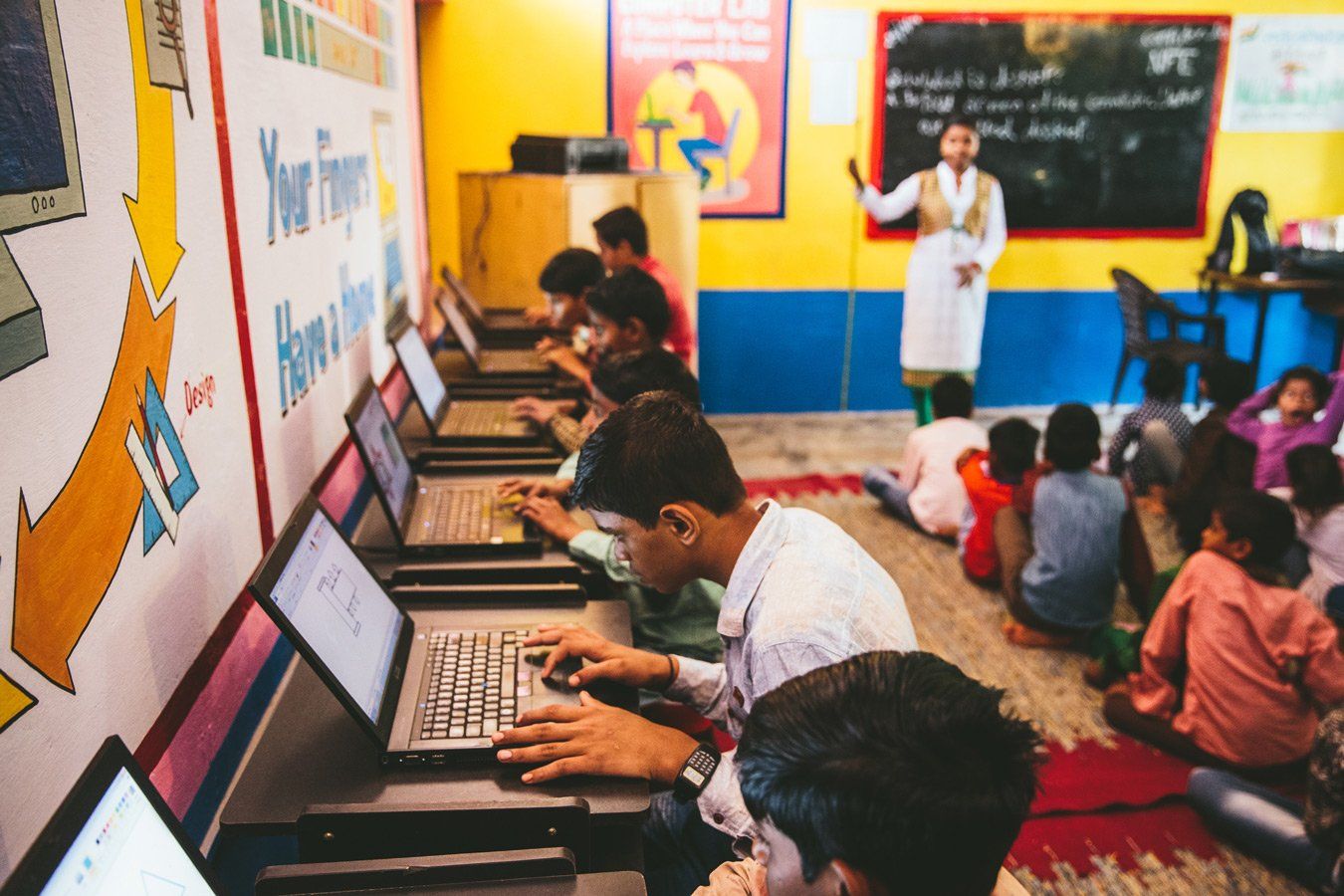
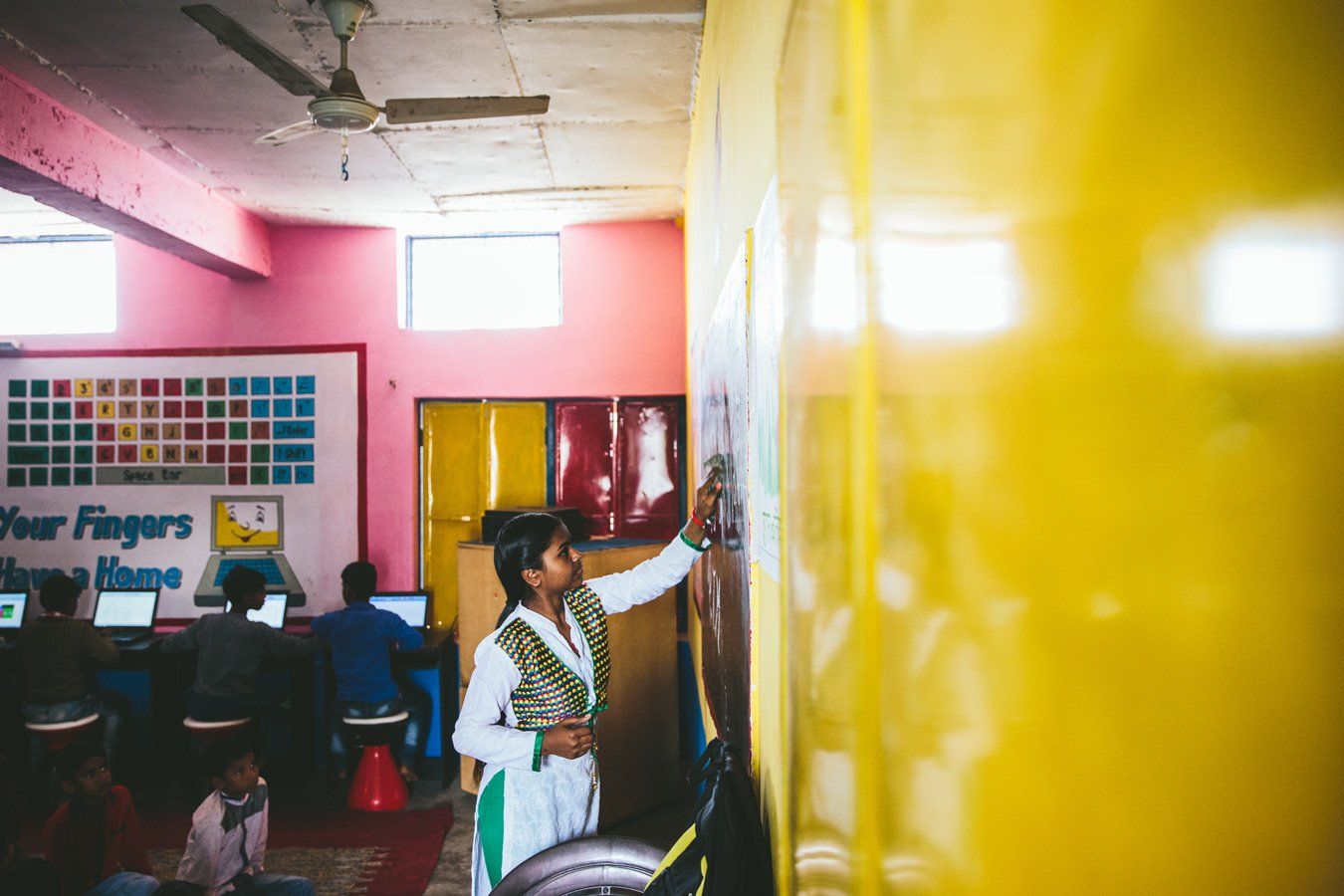
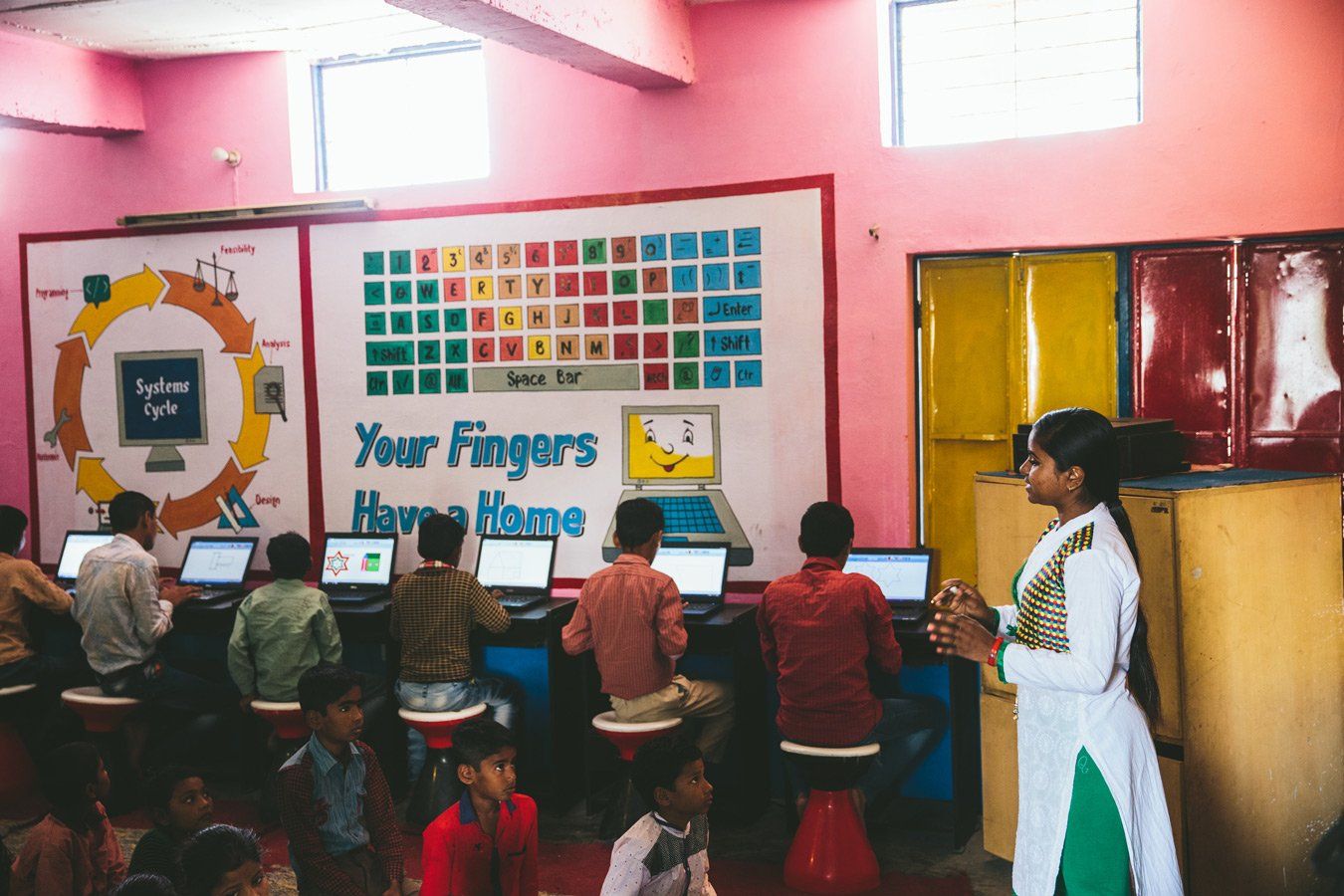
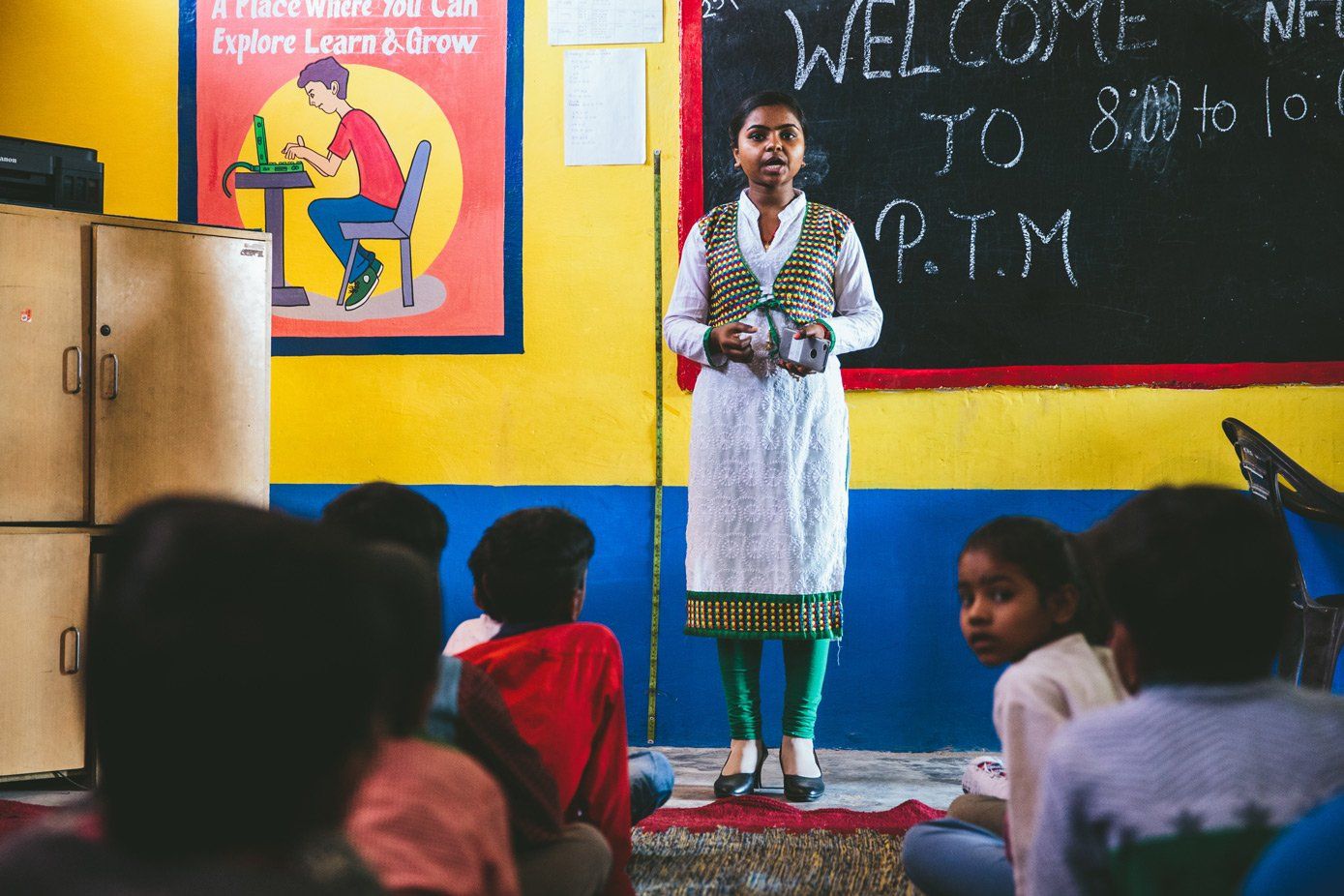
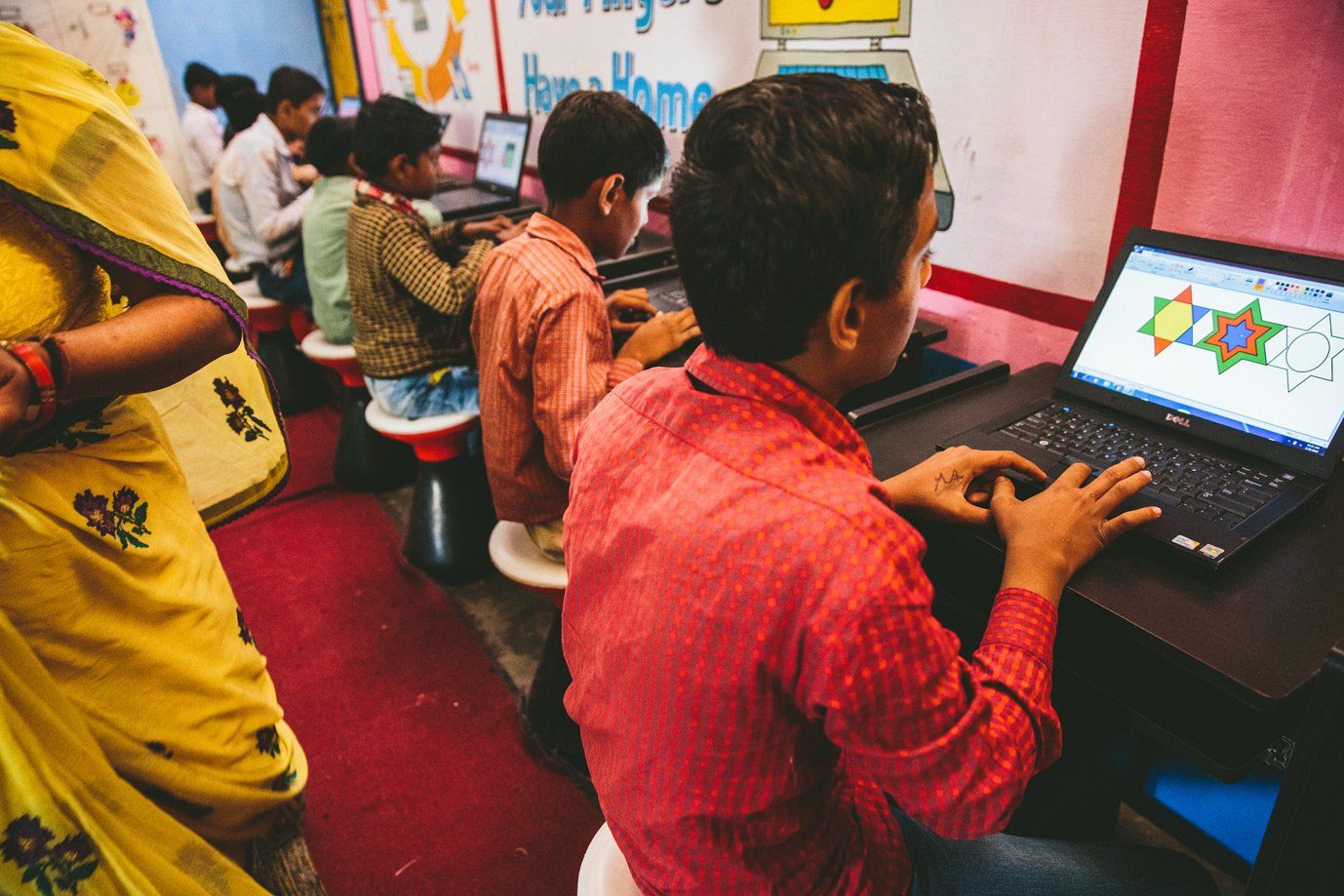
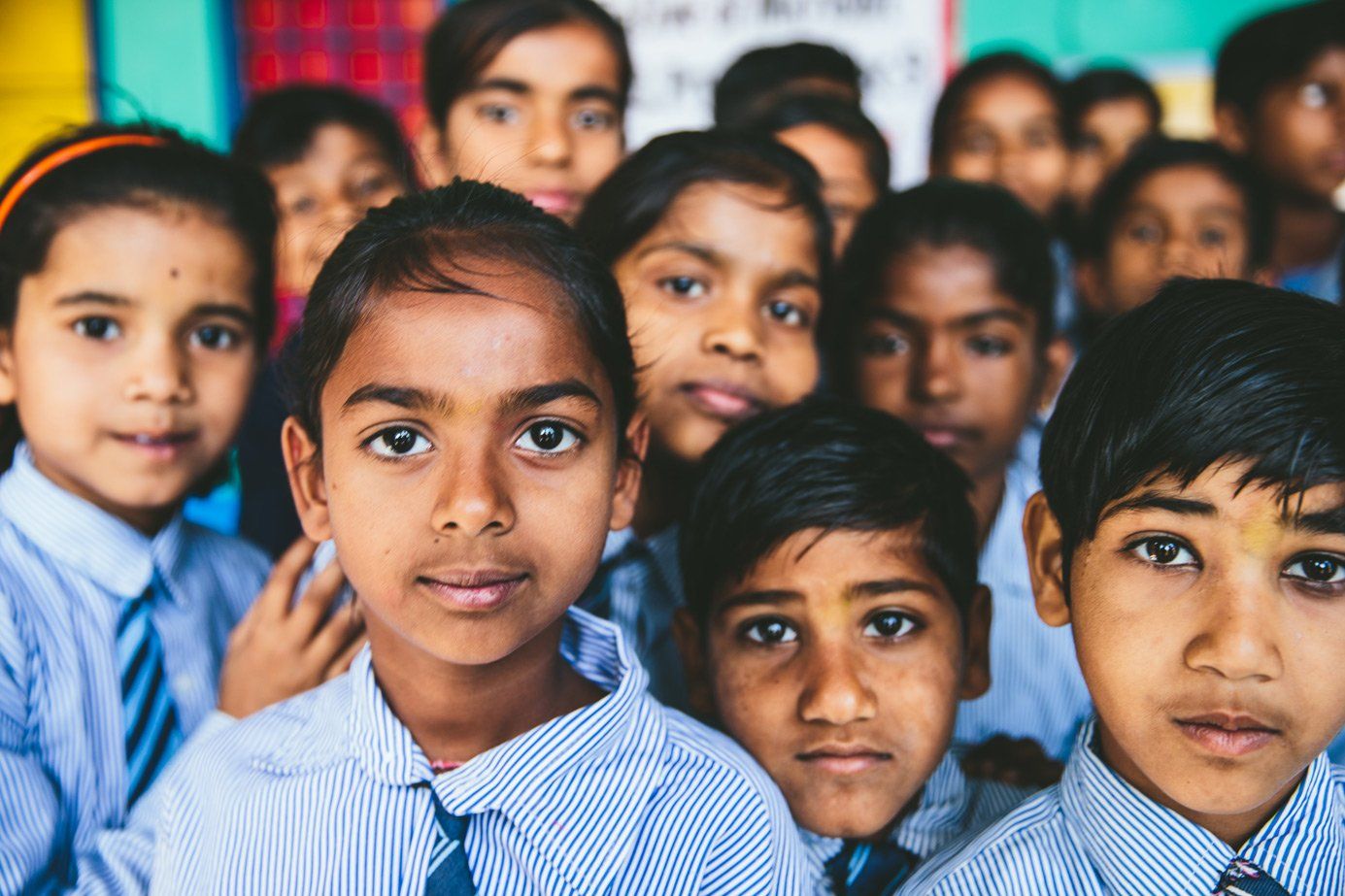
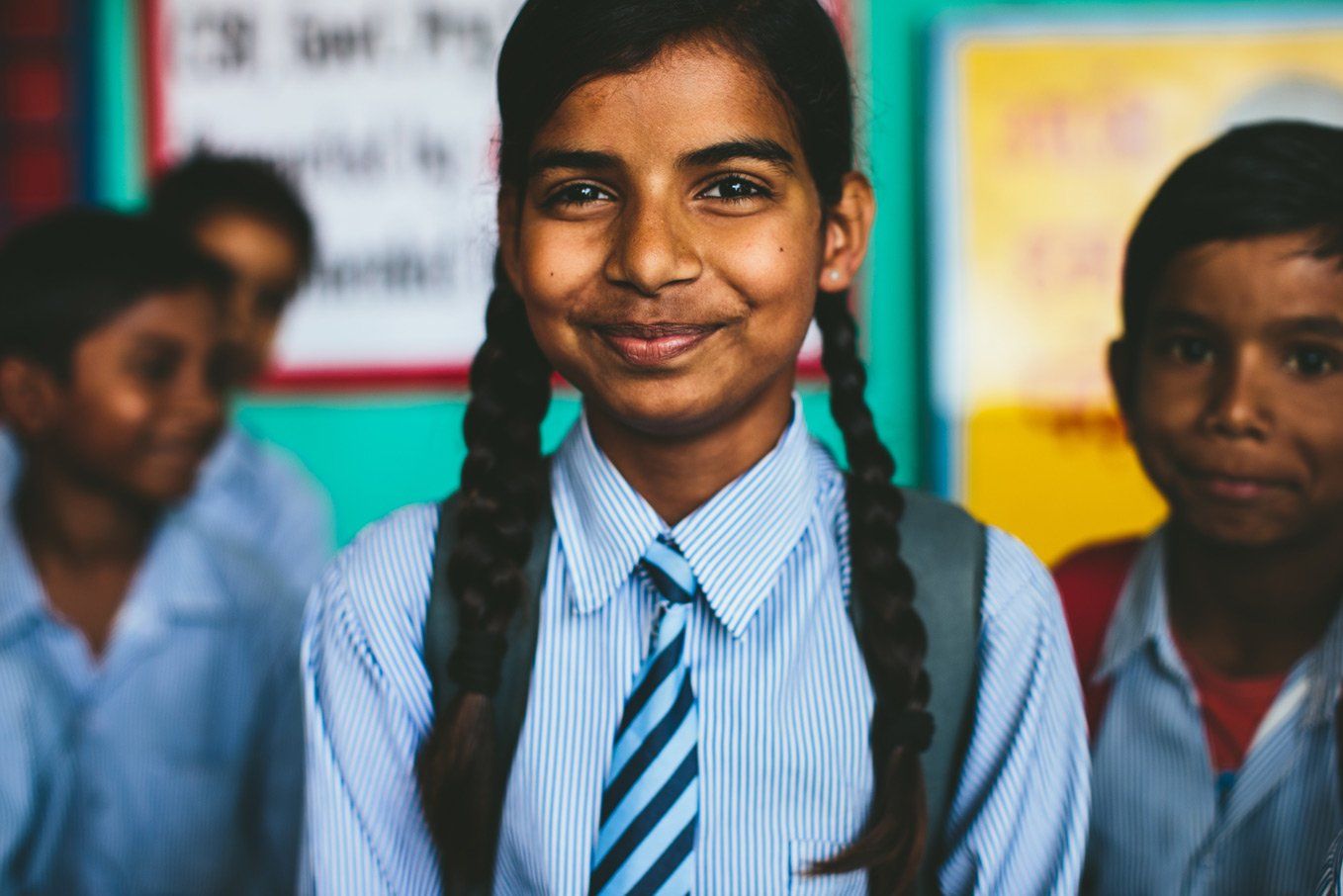
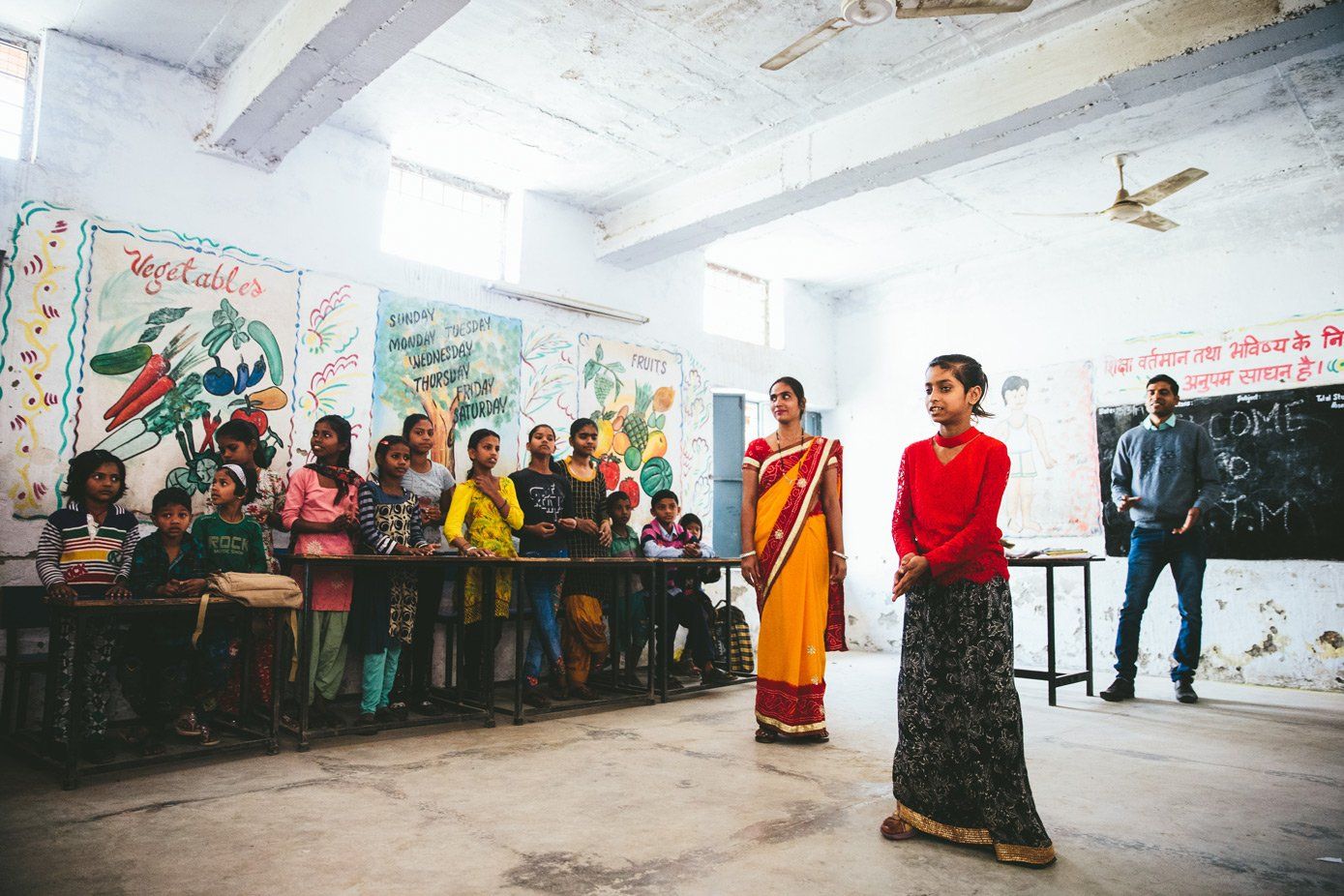
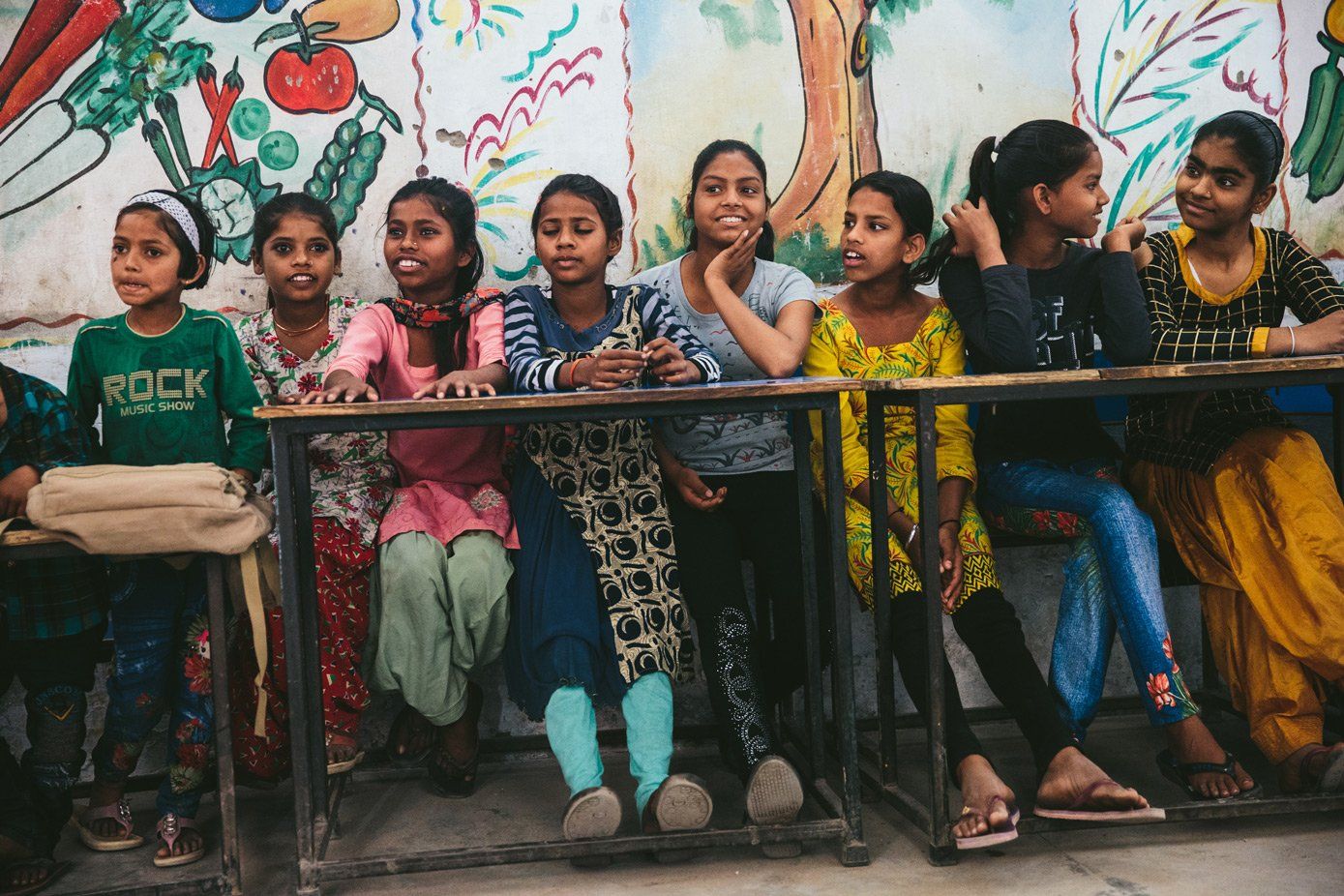
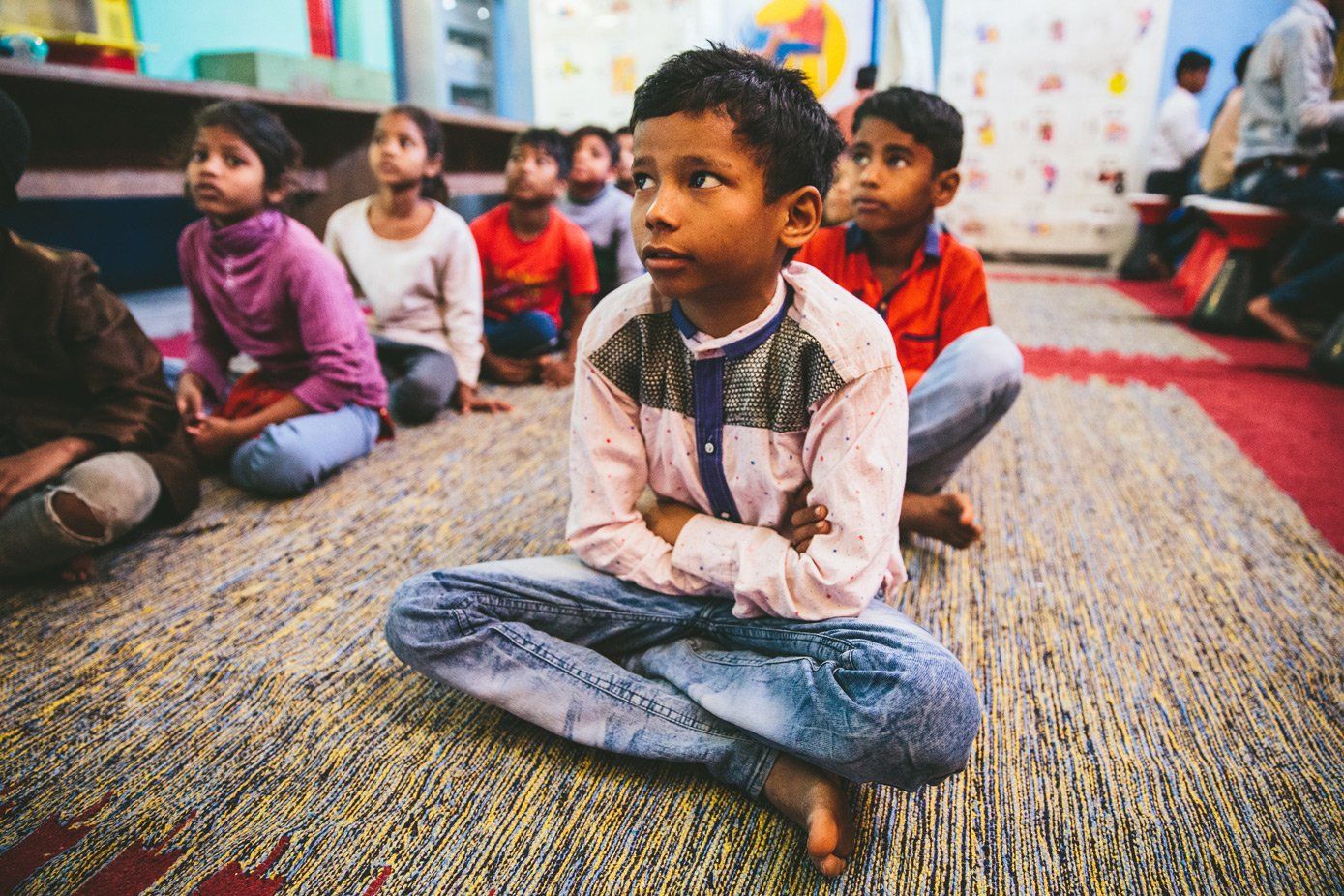
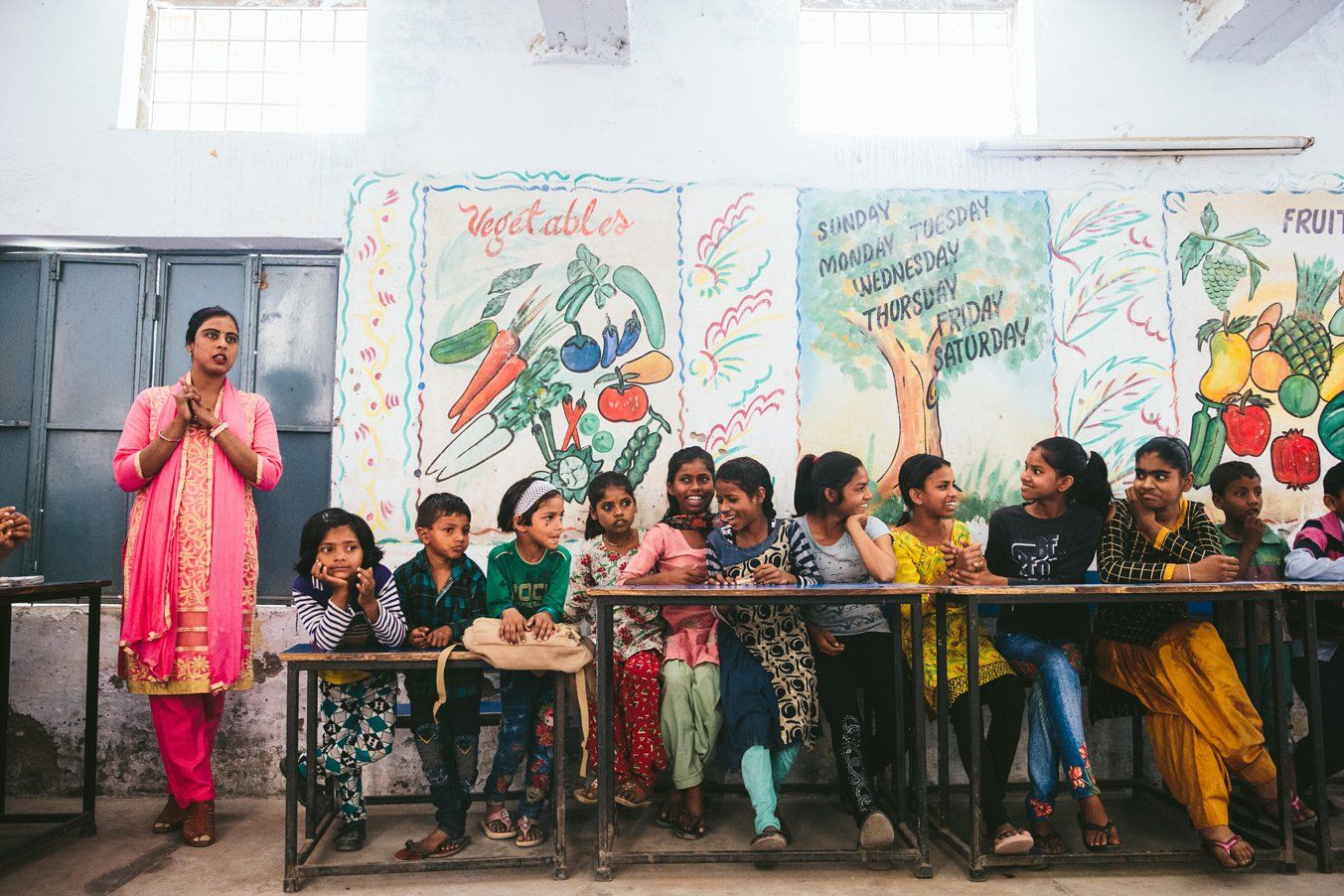
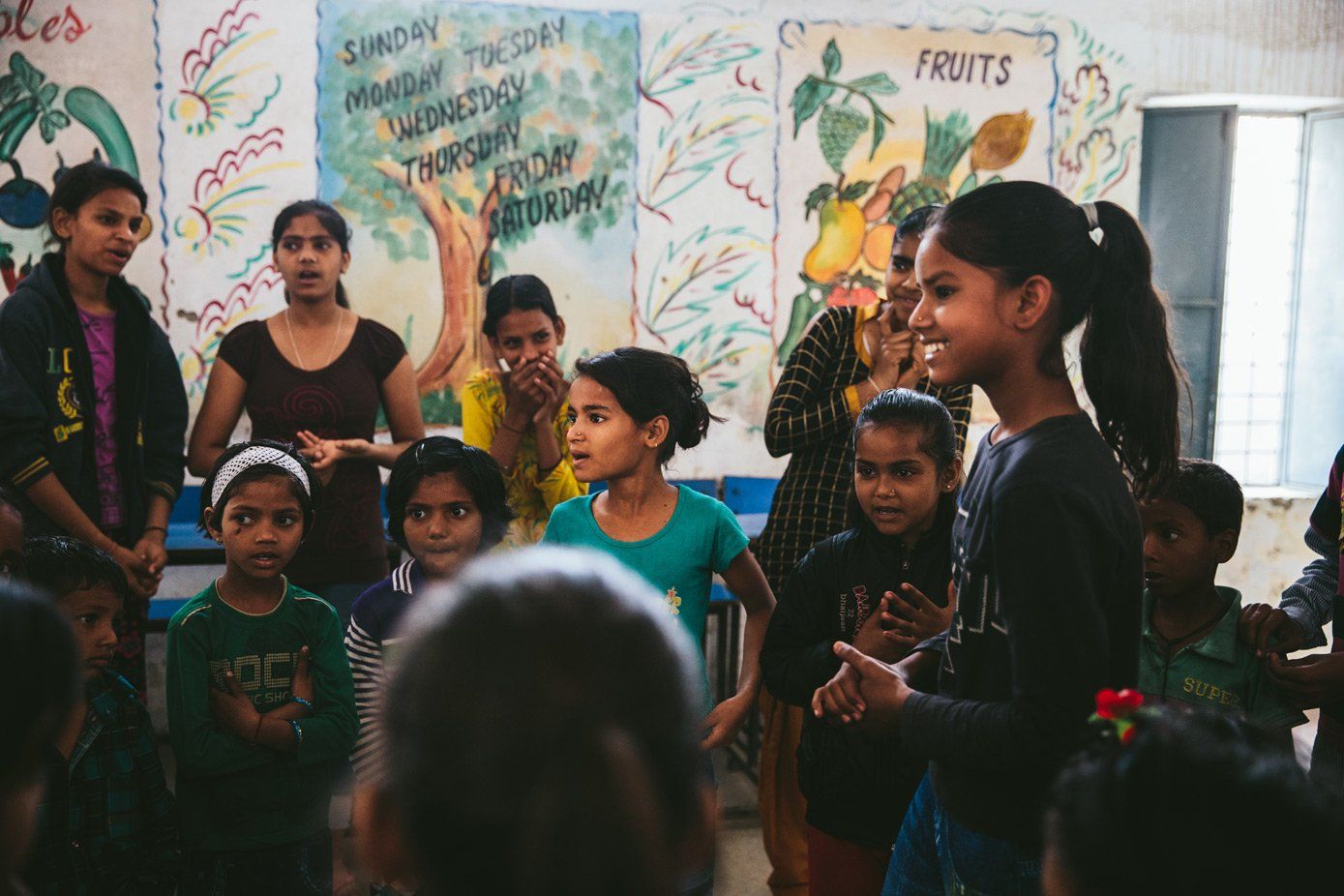
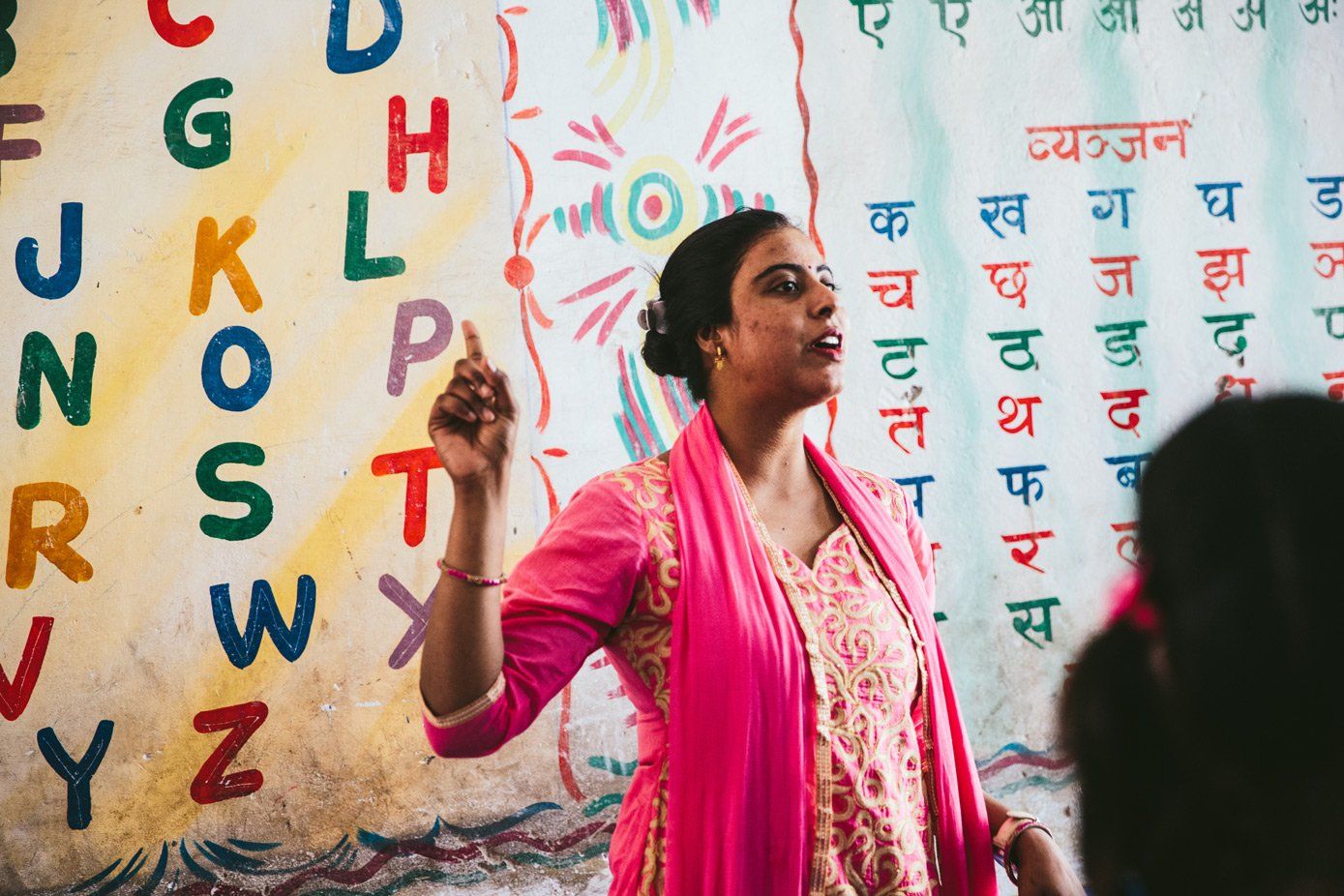
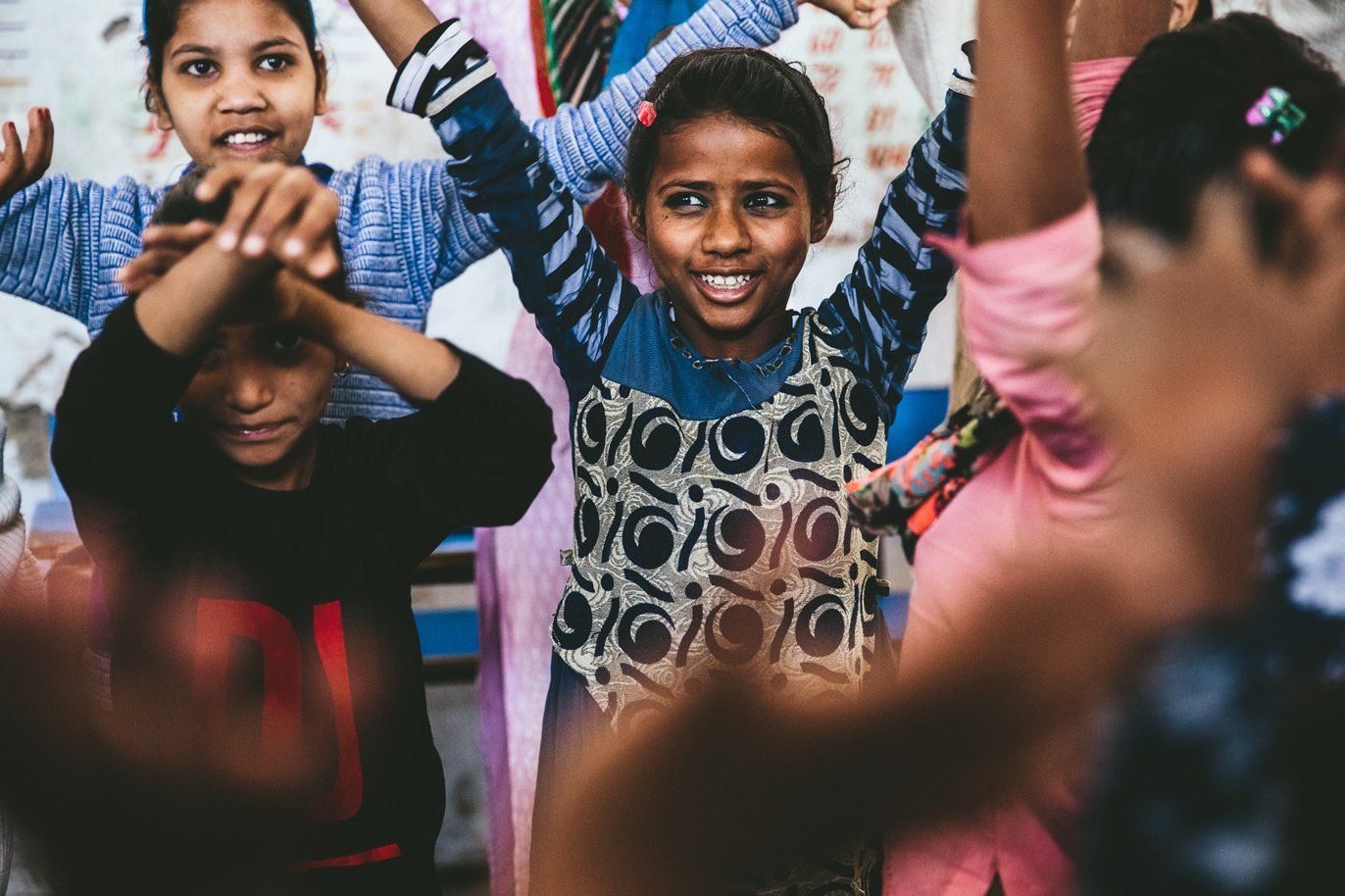
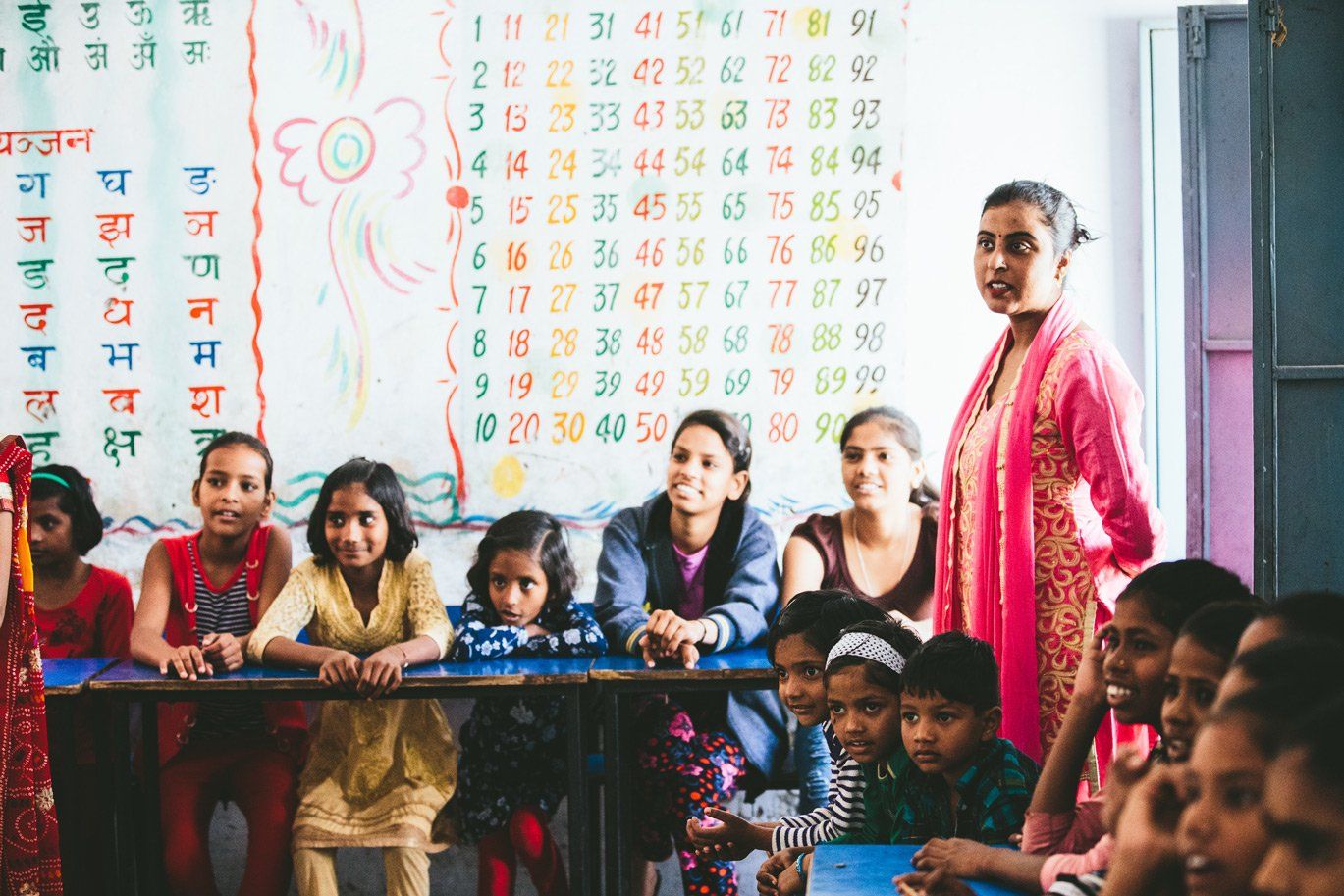
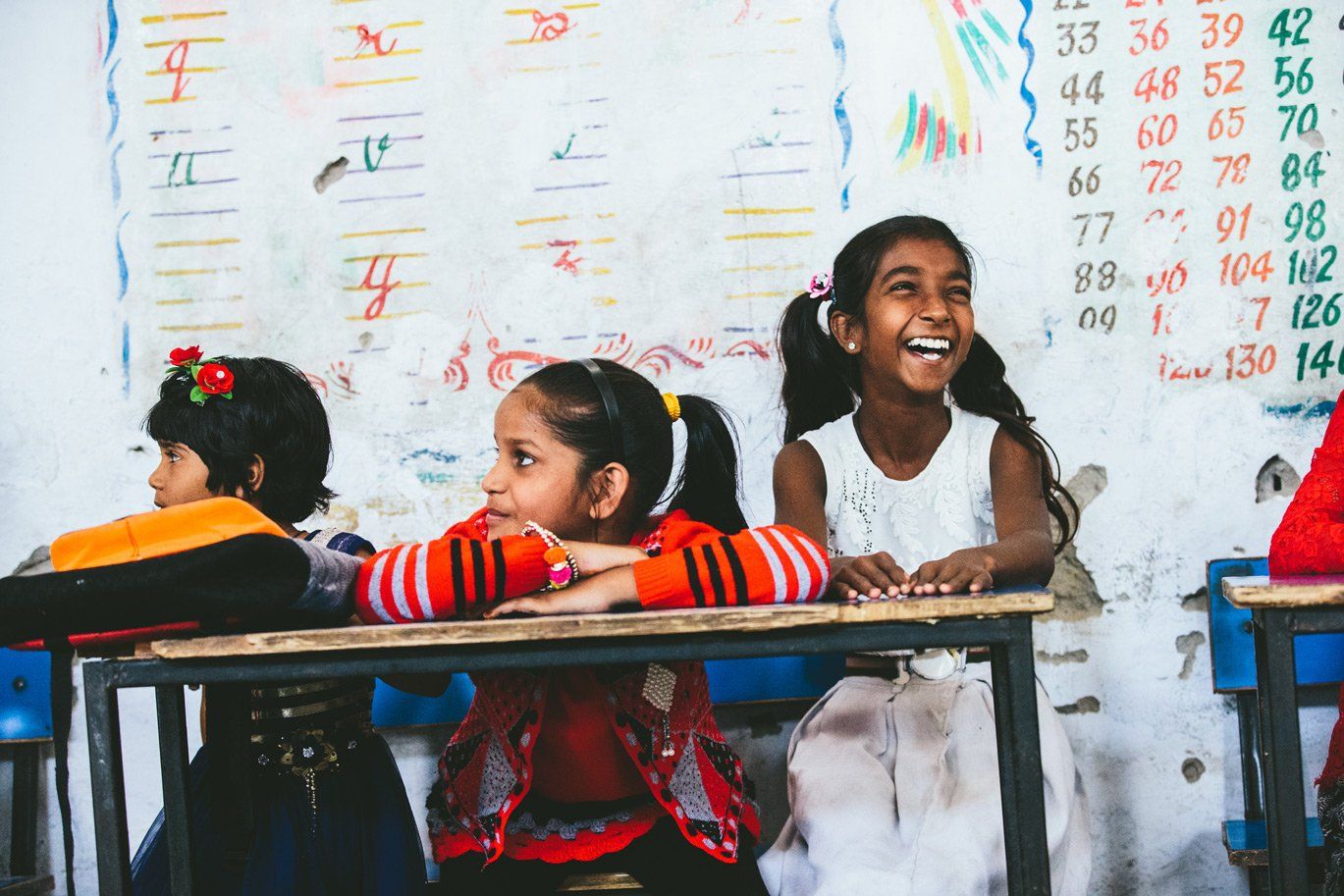
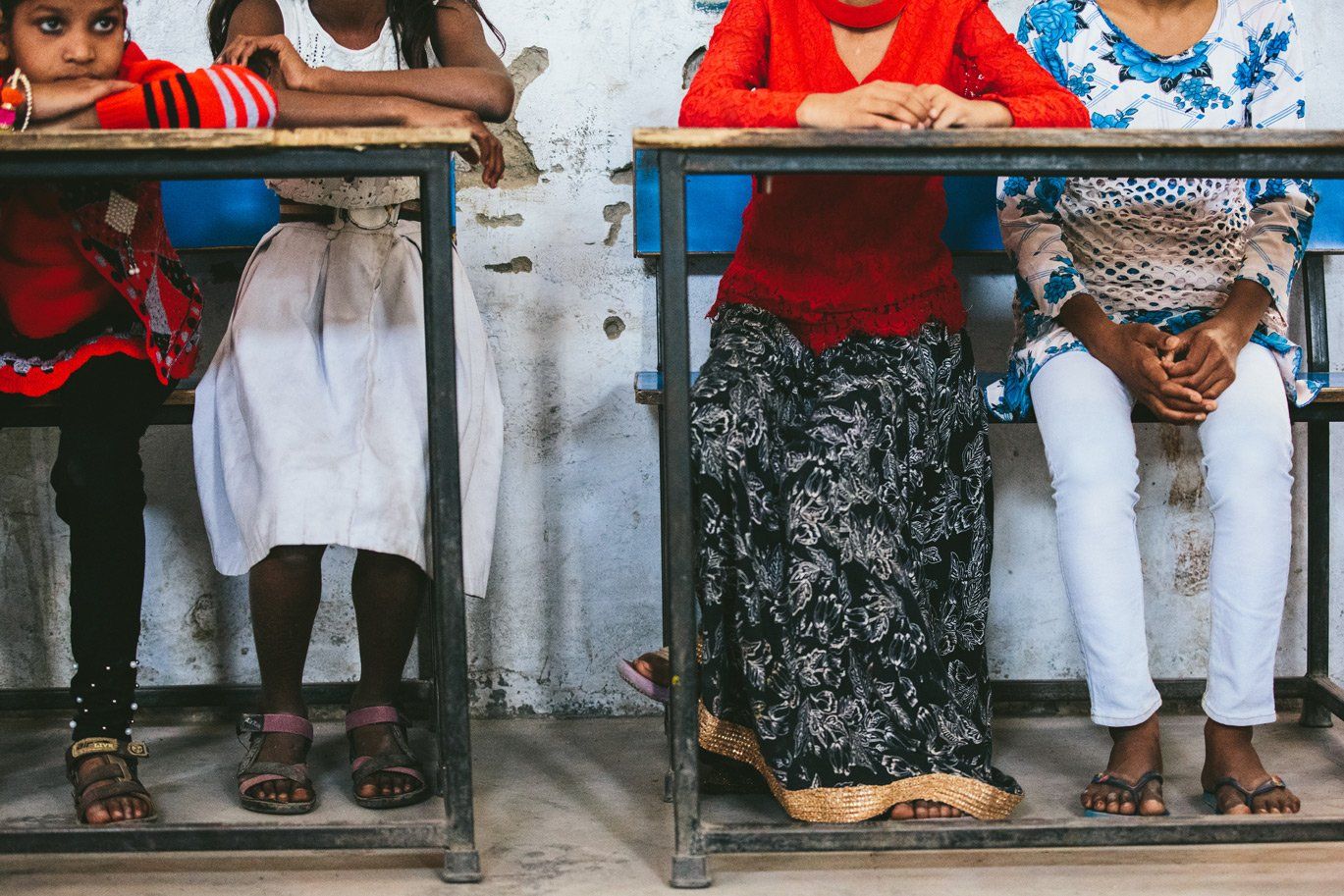
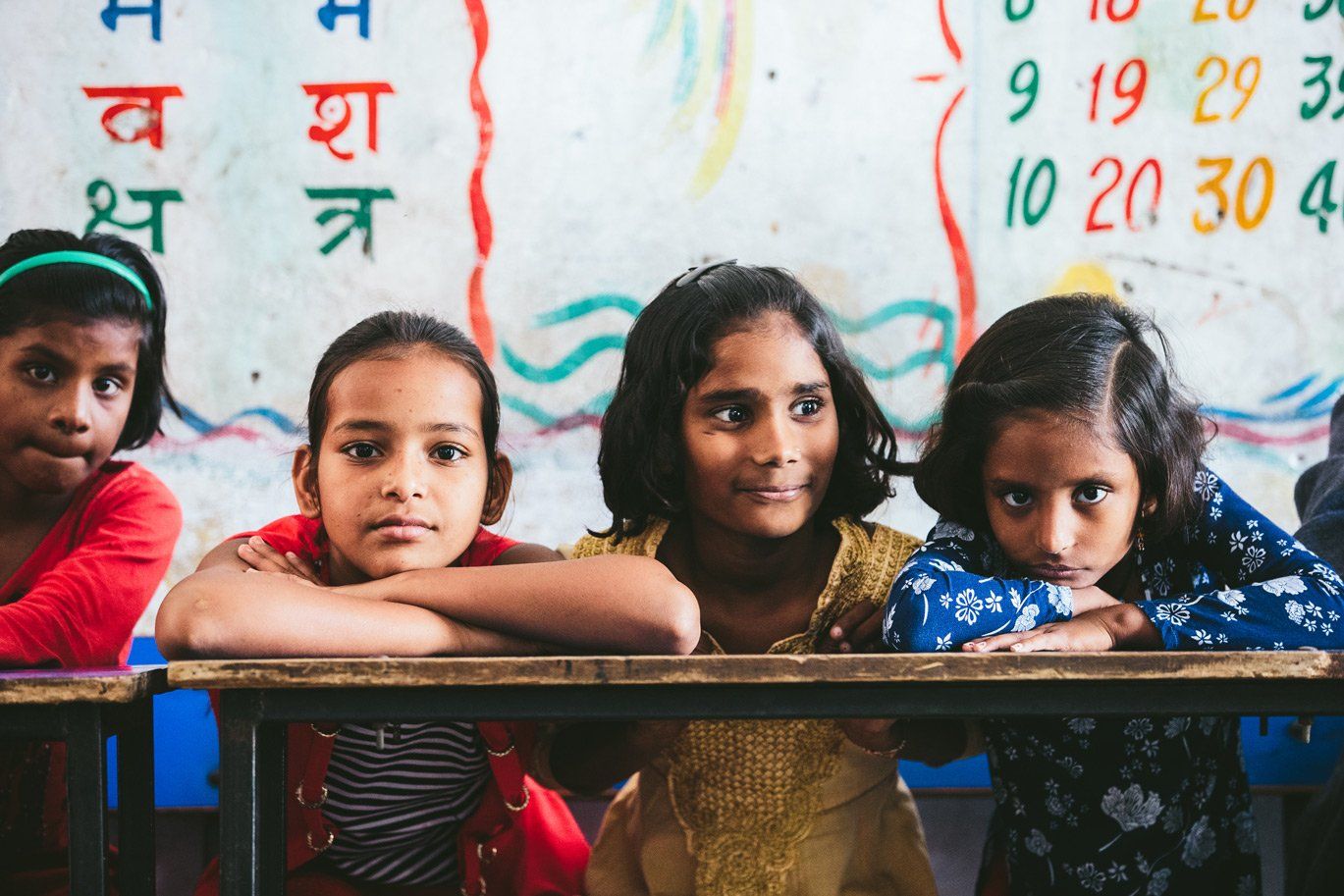
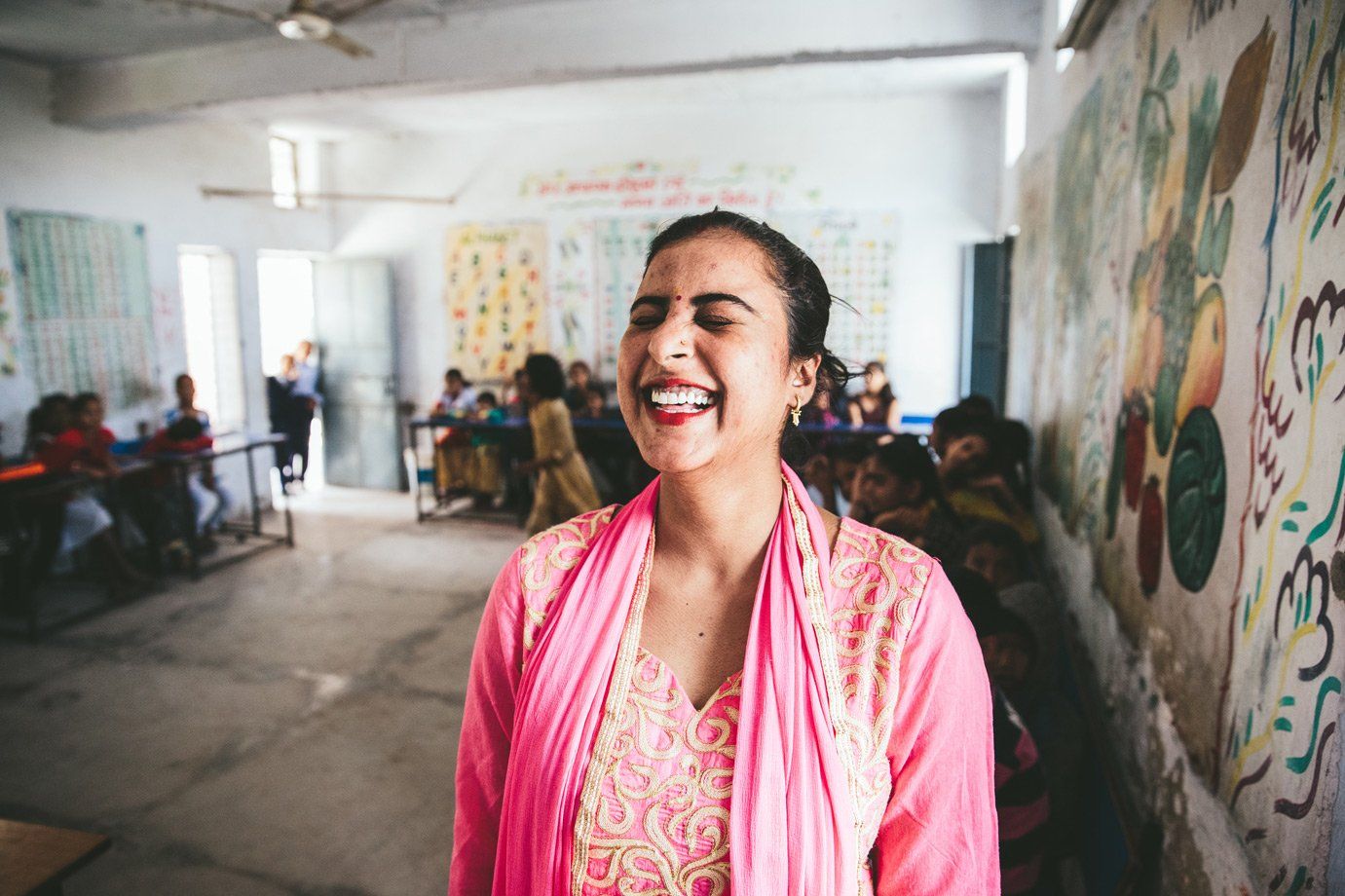
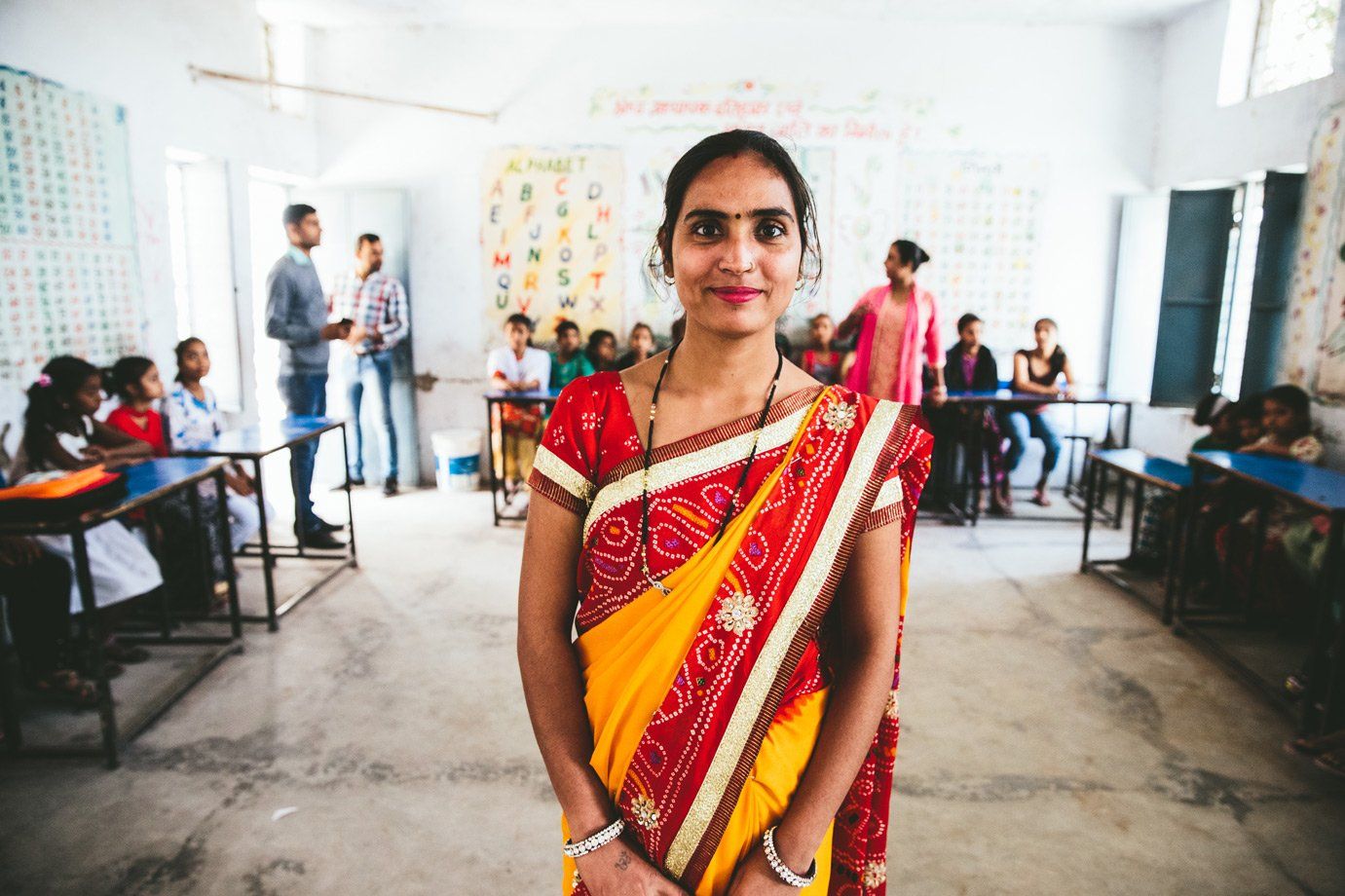
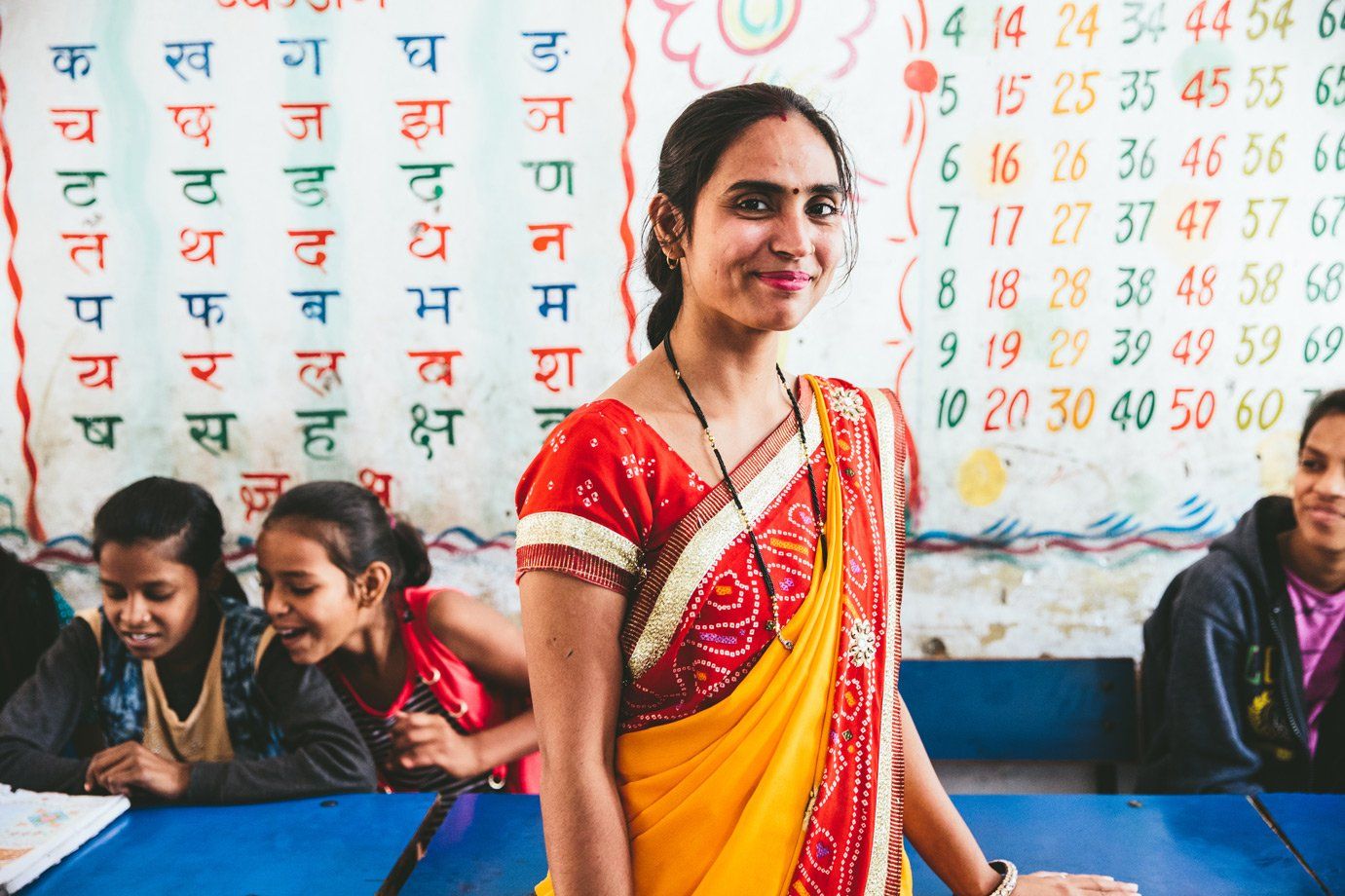
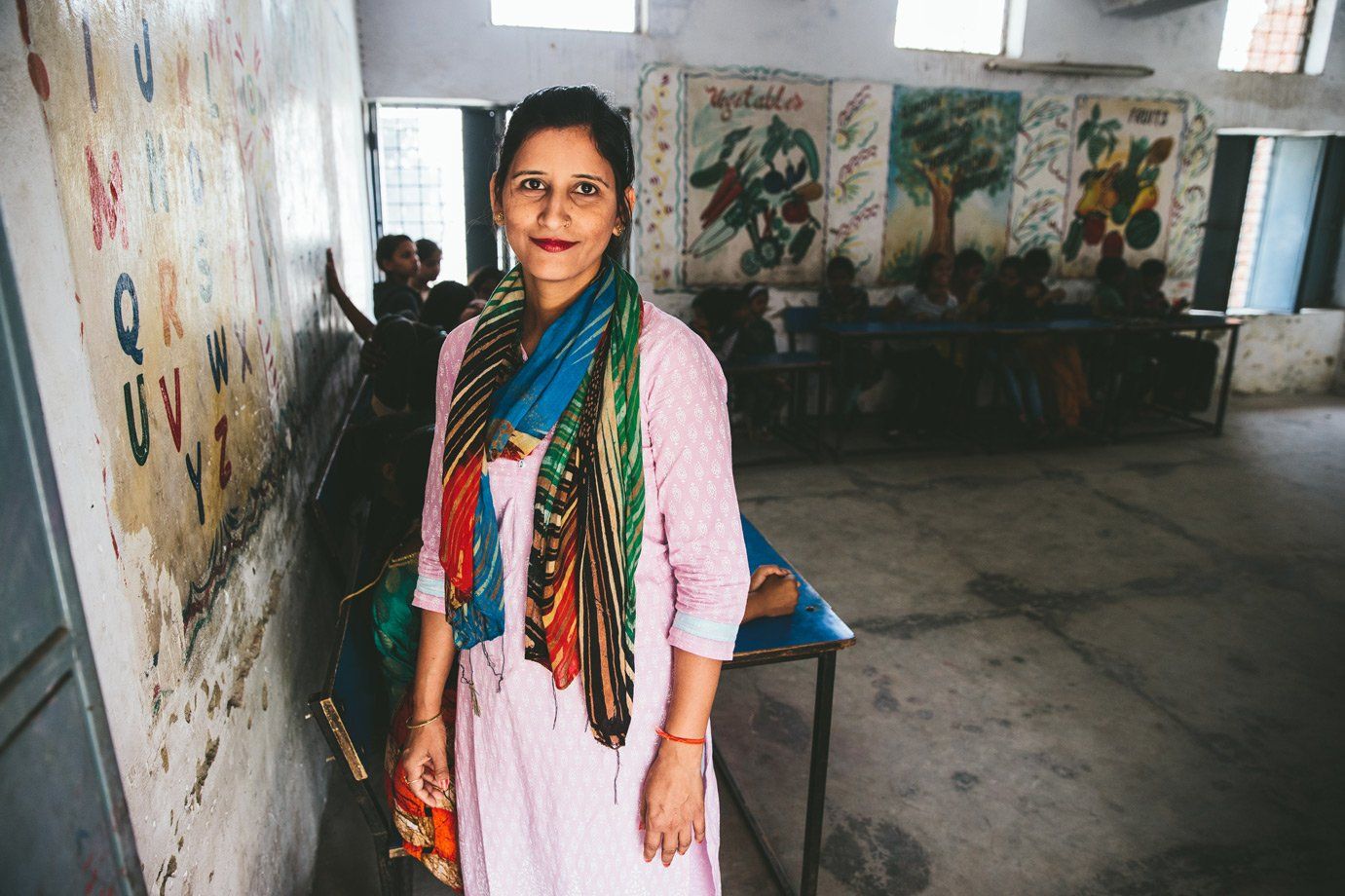
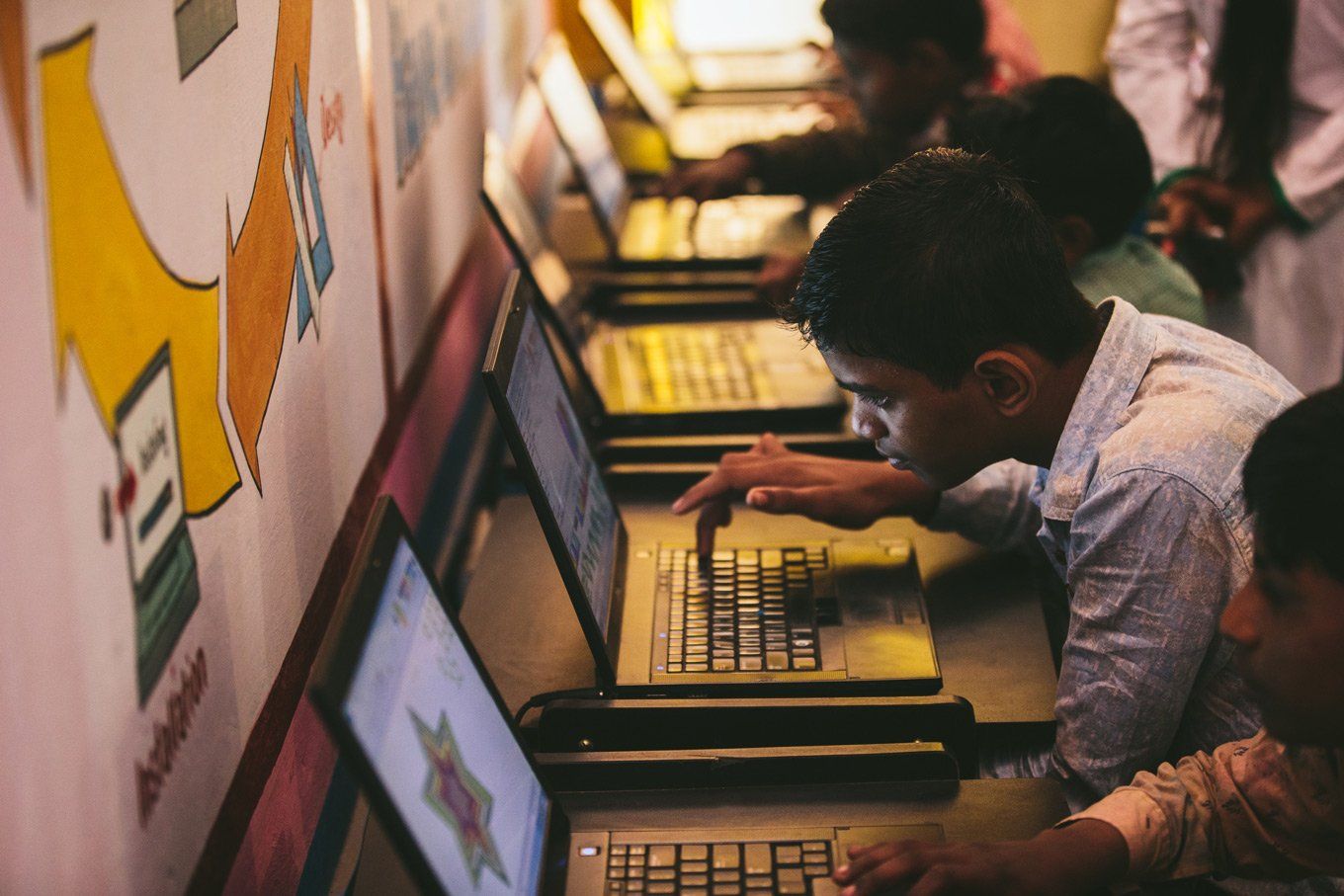
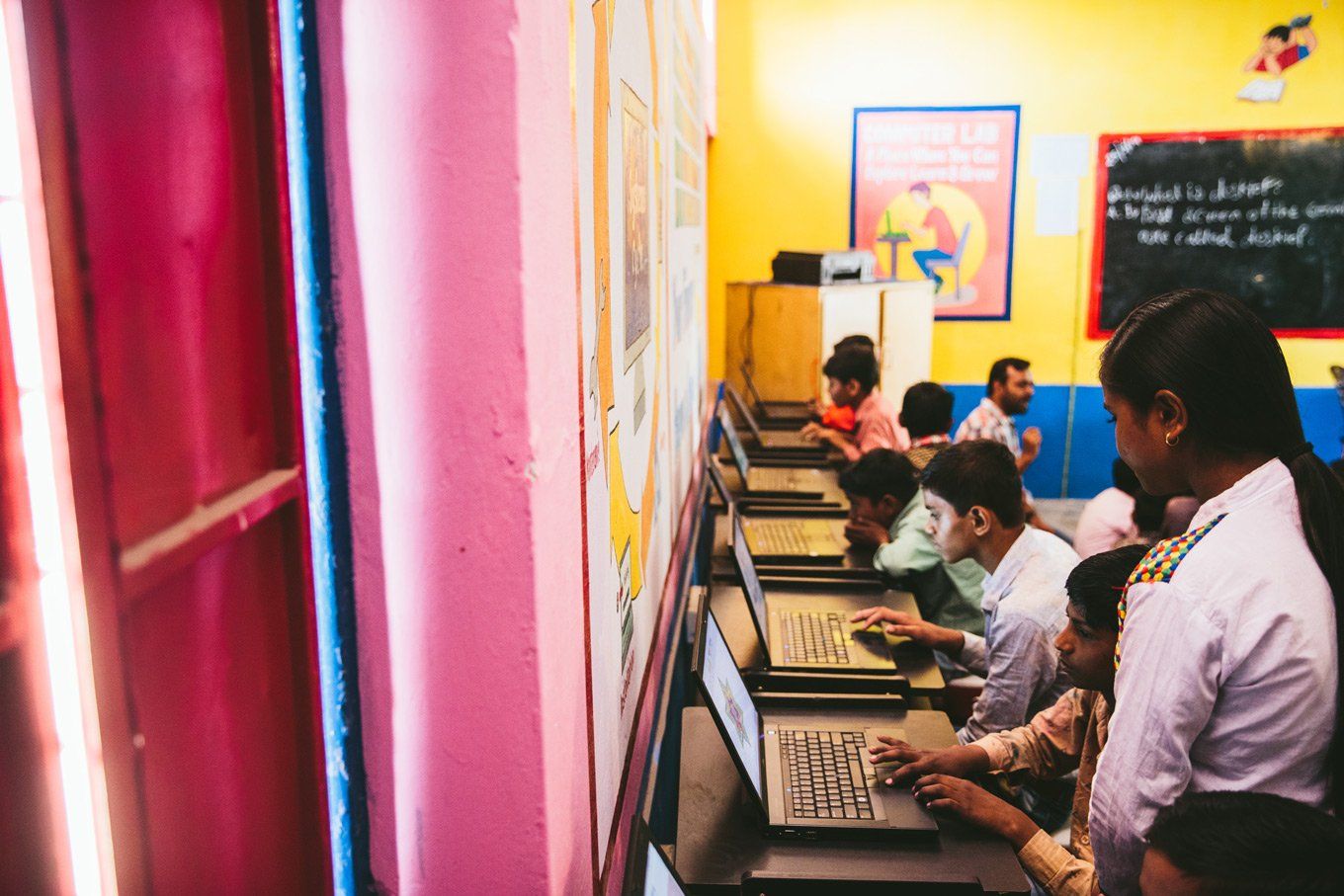
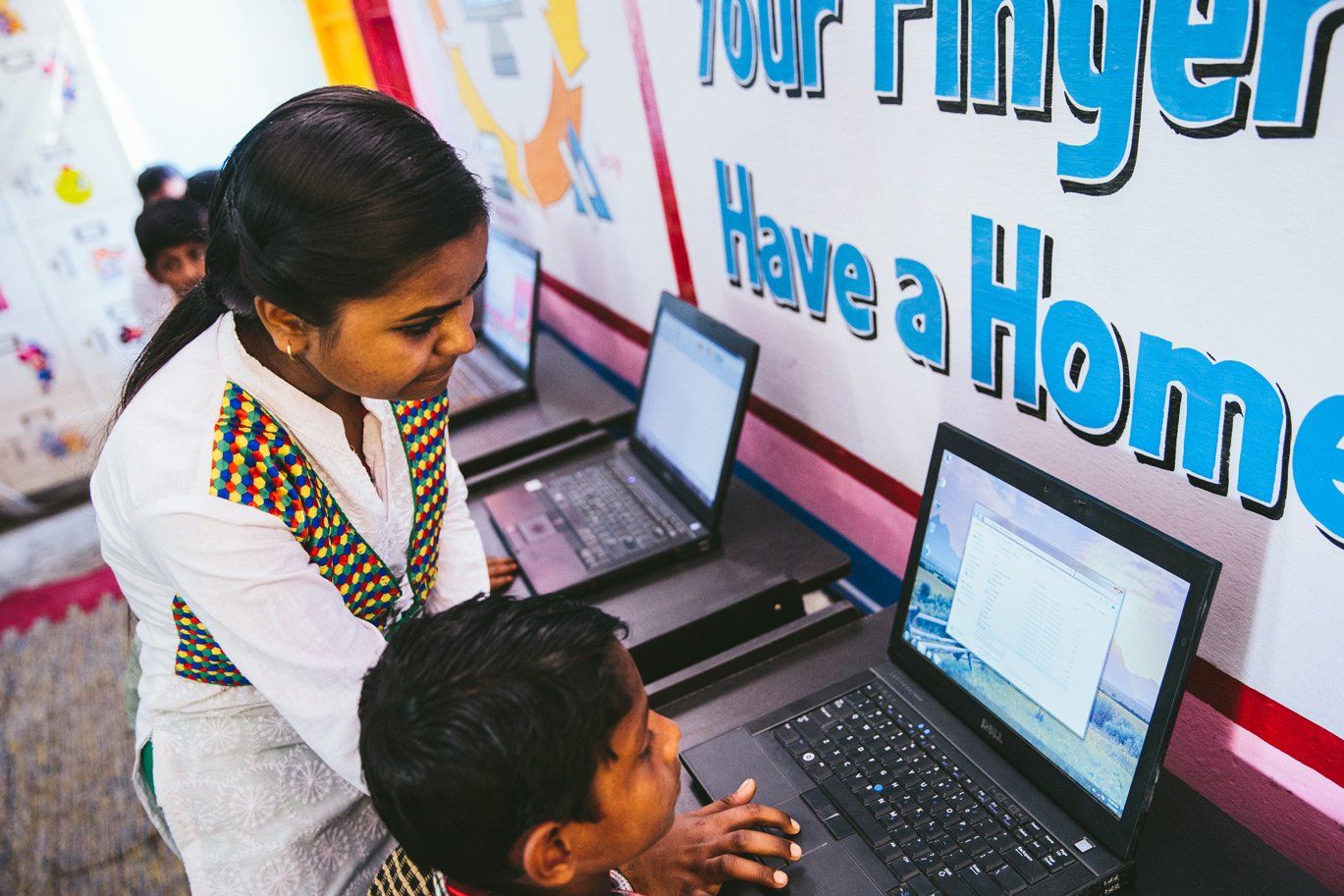
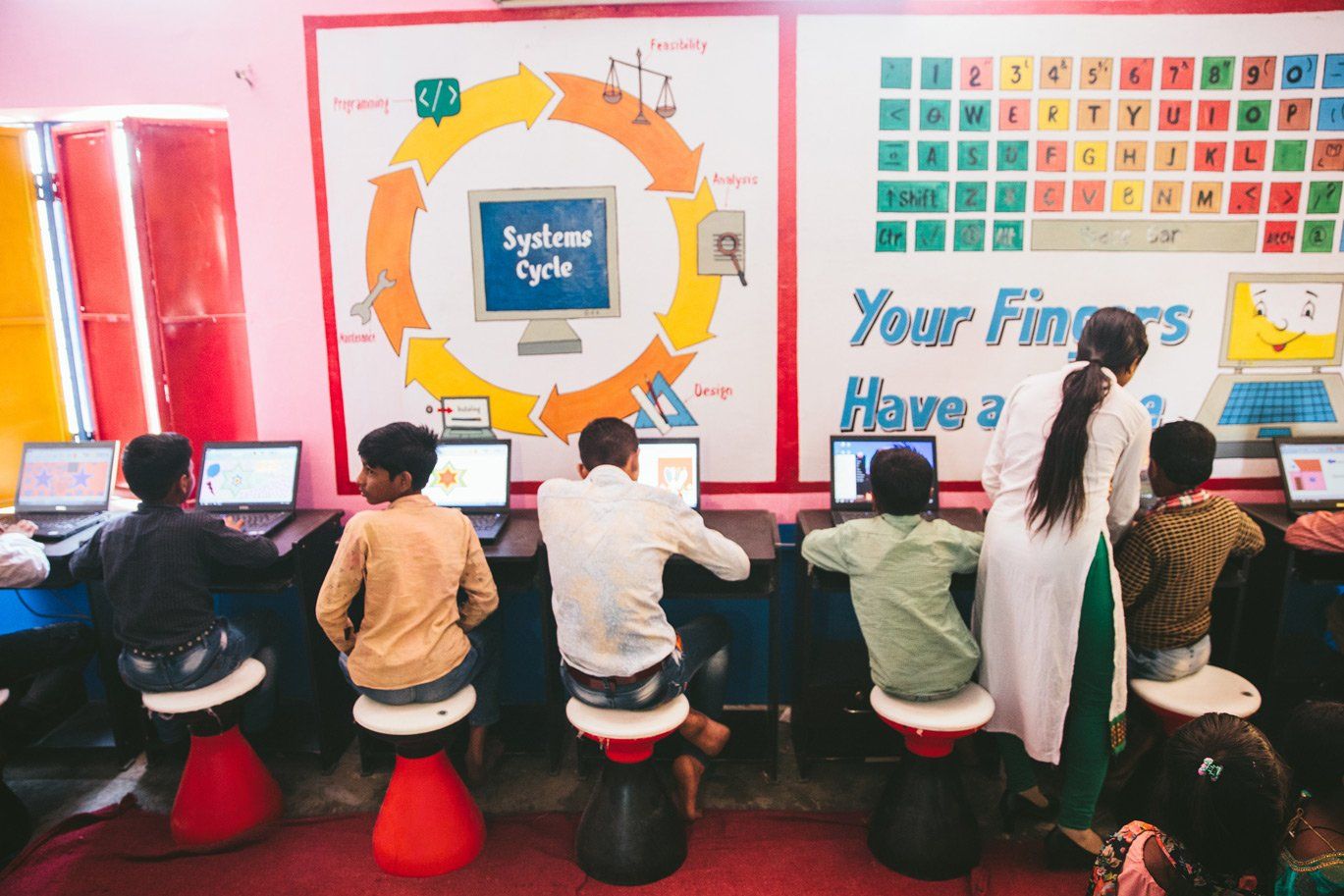
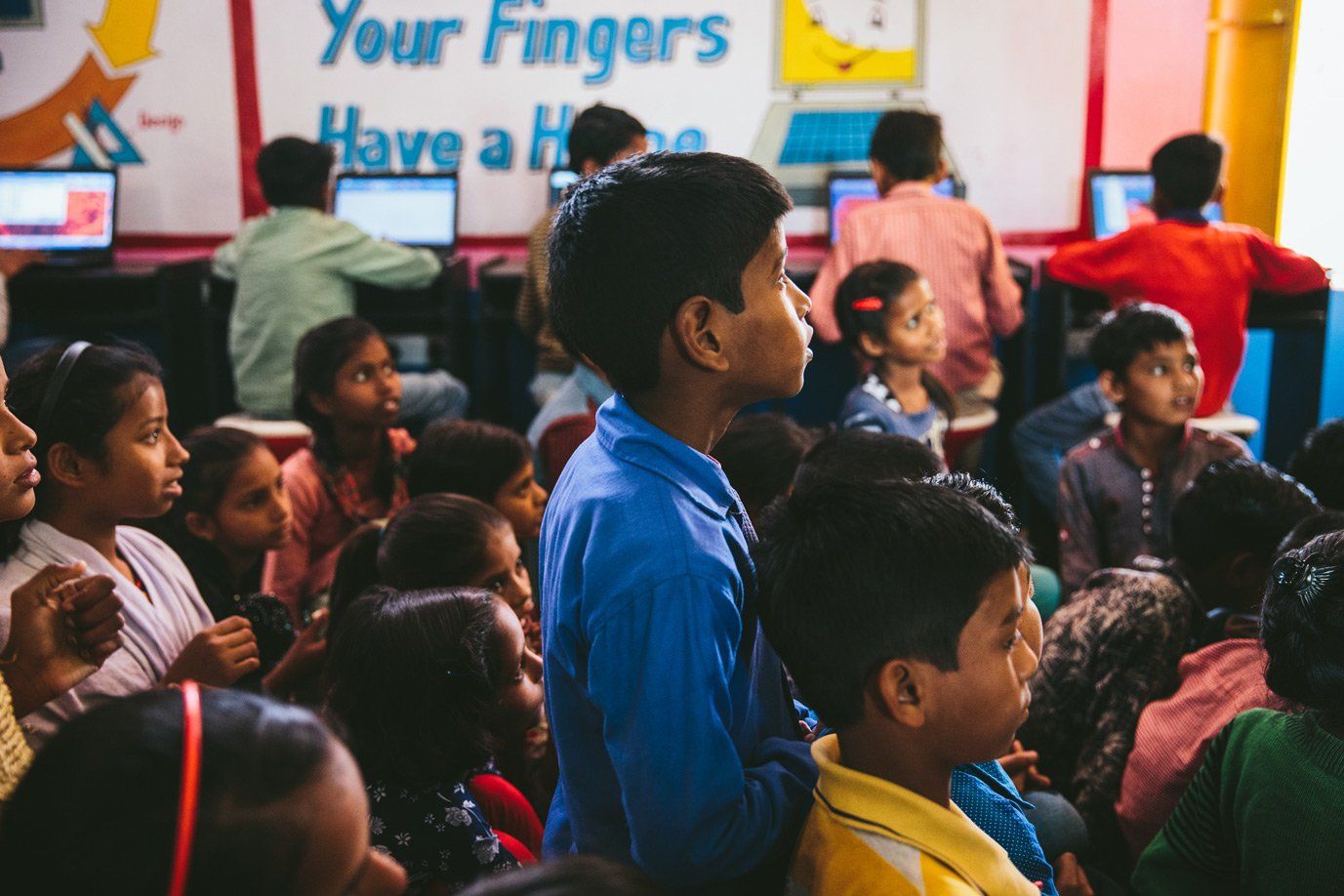
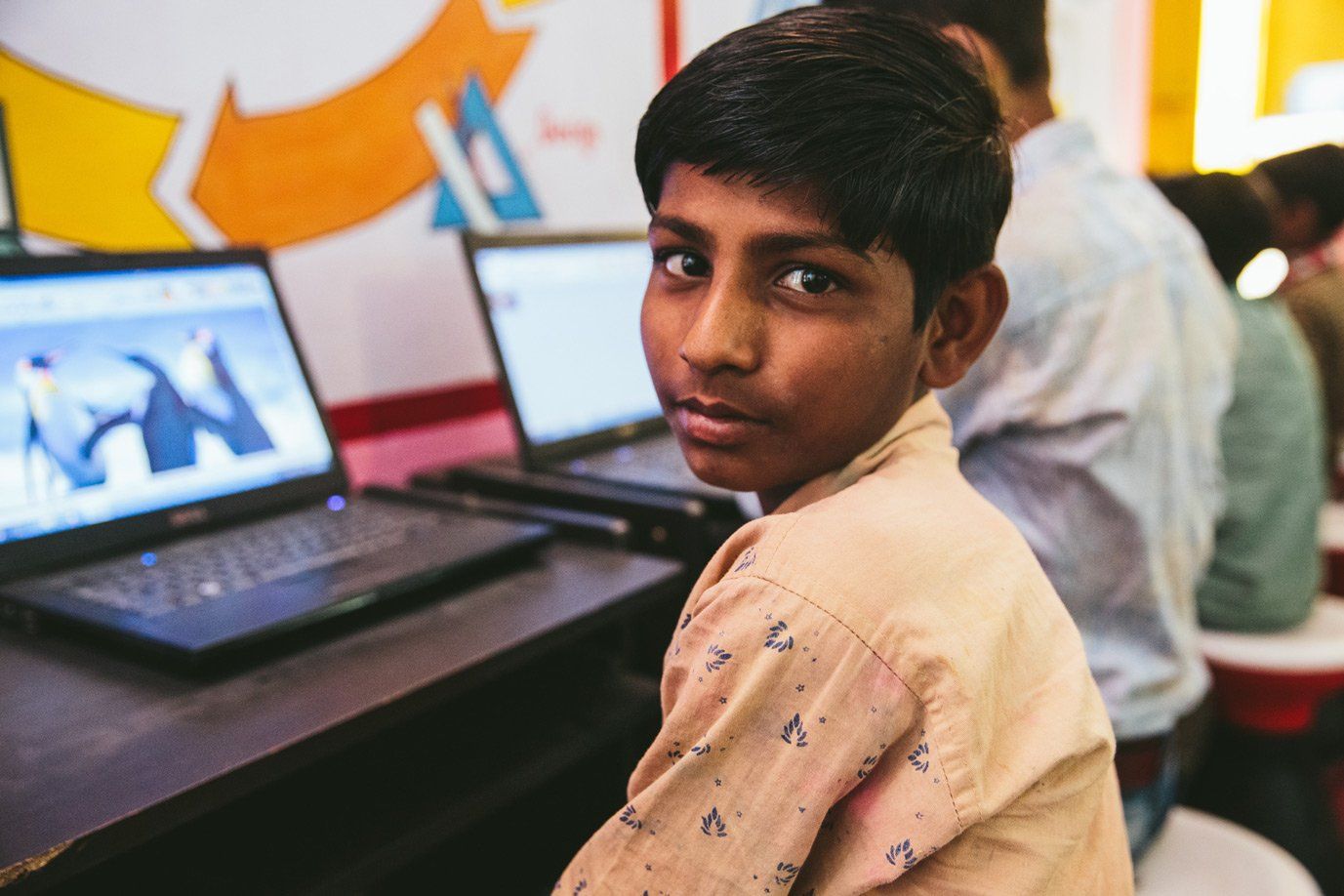
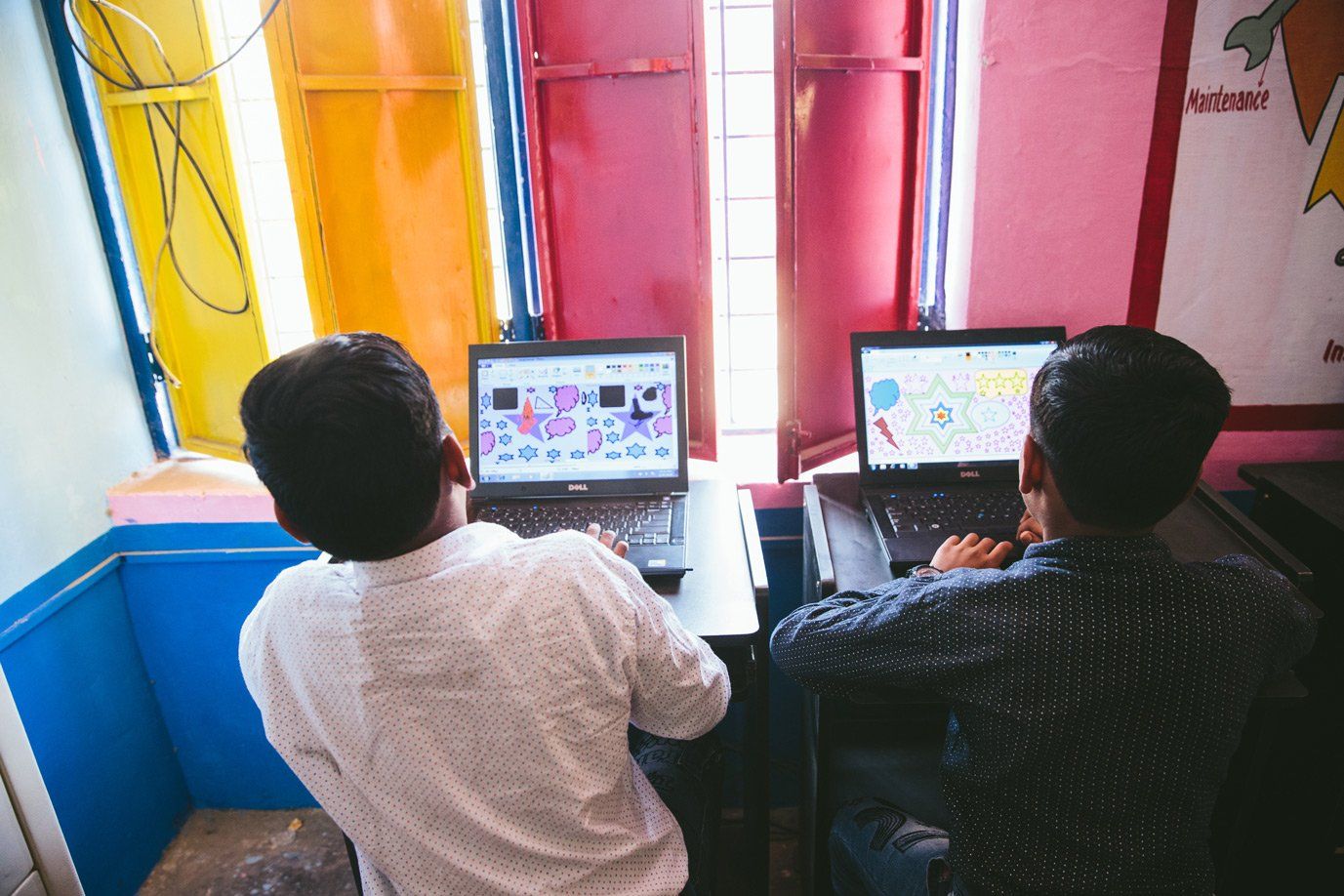
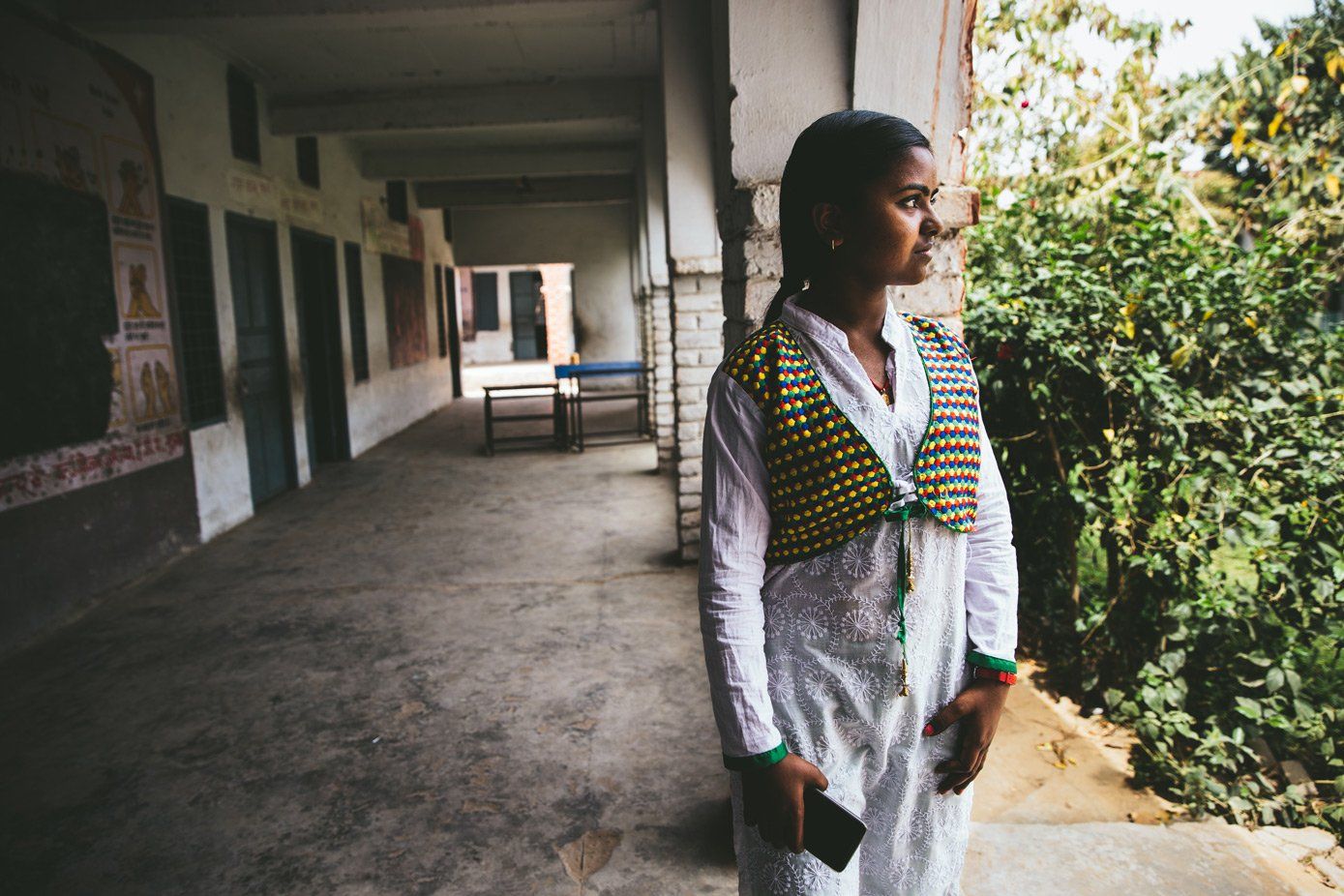
At Sakshi, a government school in the suburbs of Delhi, Microsoft has partnered to create a digital classroom—the laptops so sleek, the children are initially scared to touch. Perhaps especially in India, where information technology is a powerful and growing industry, digital literacy is the need of the hour, need of the time—beyond even reading and writing.
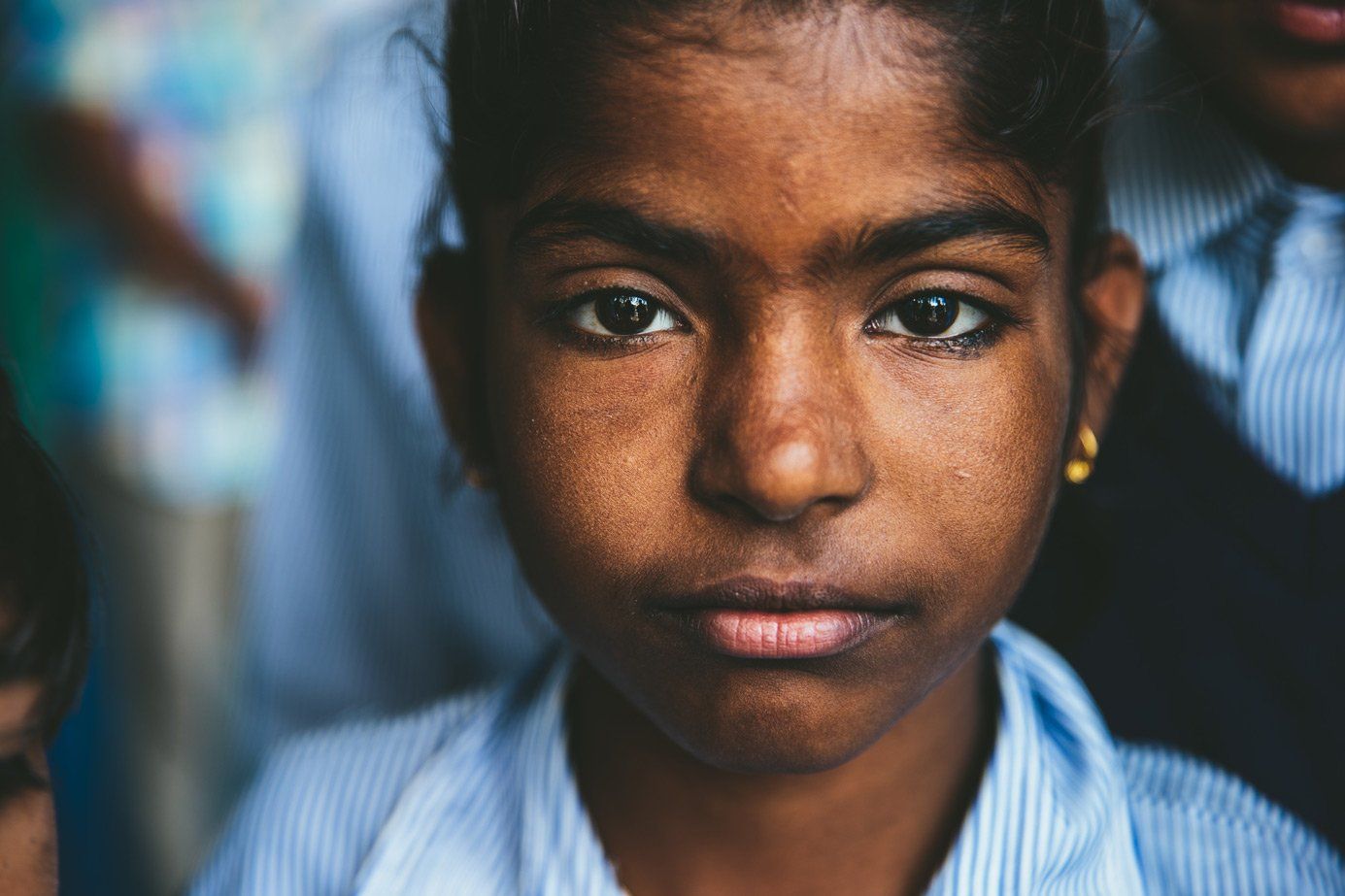
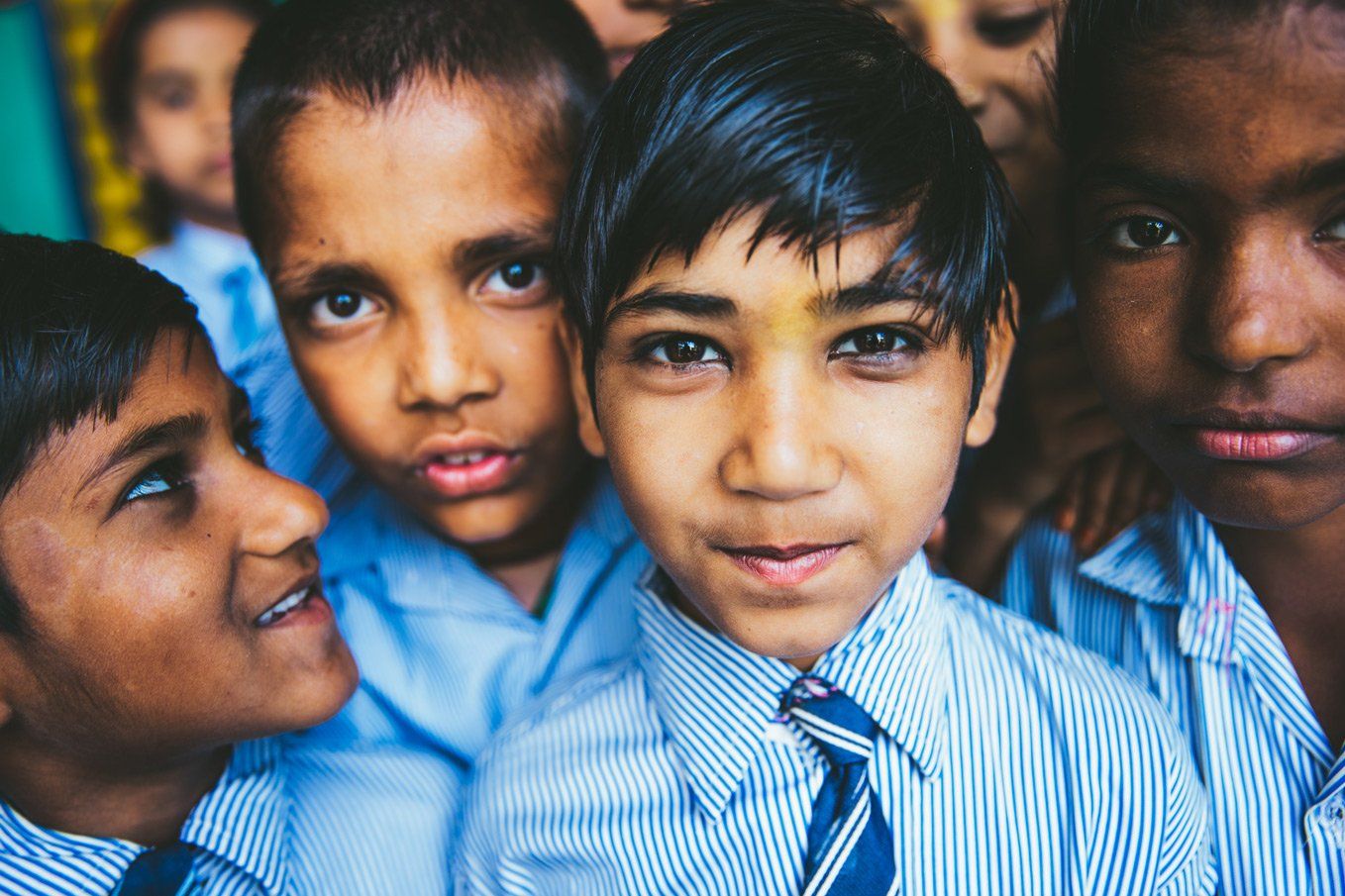
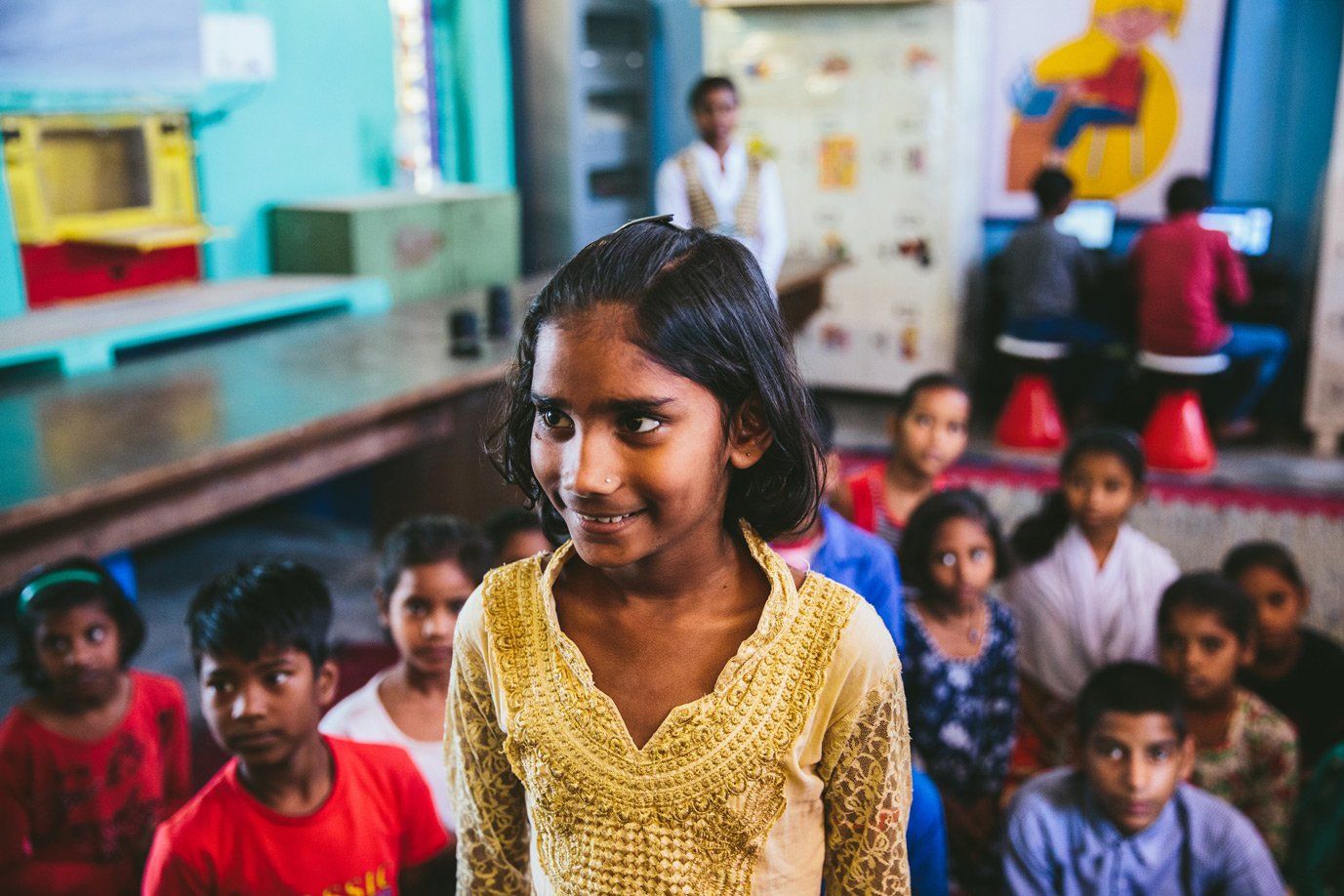
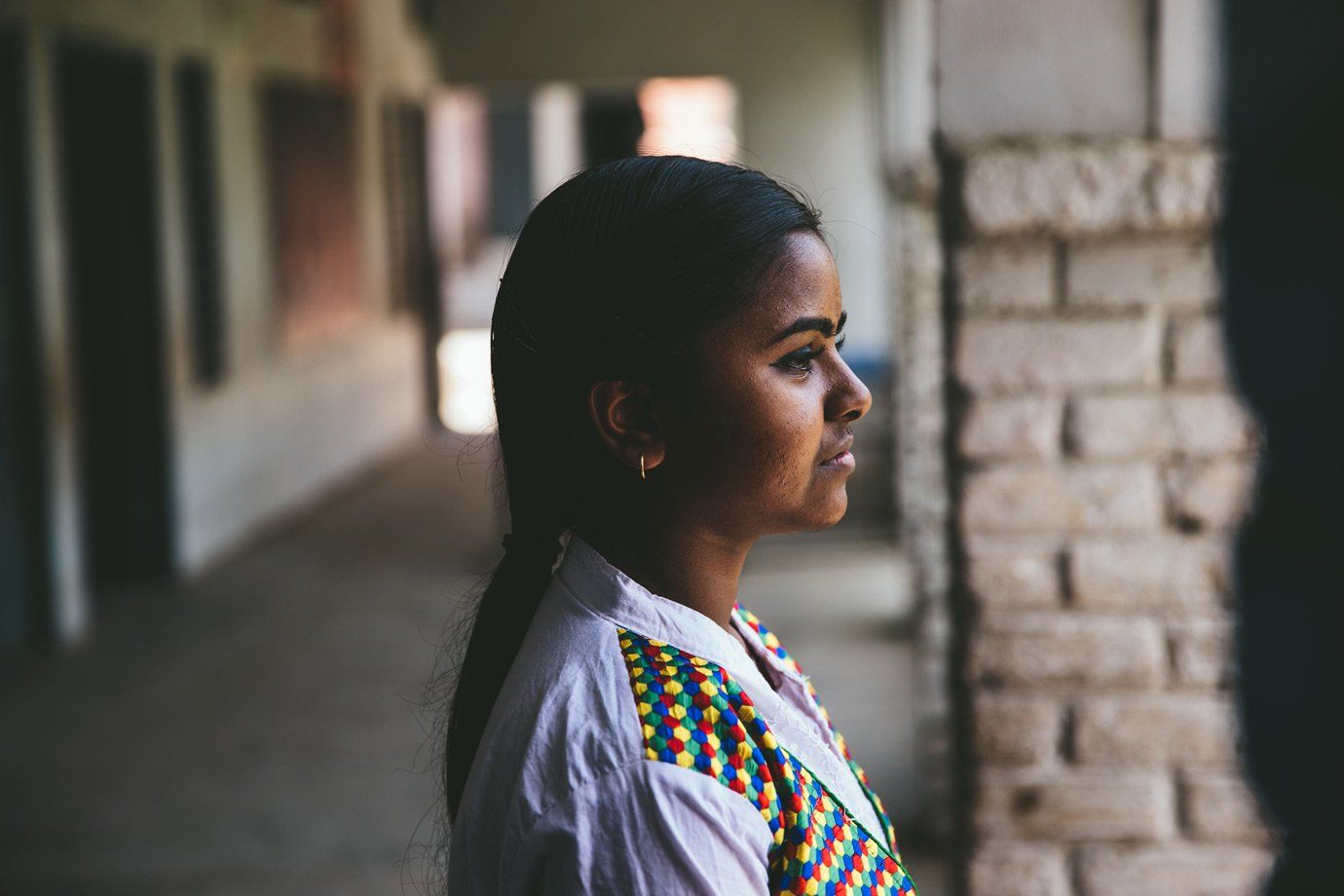
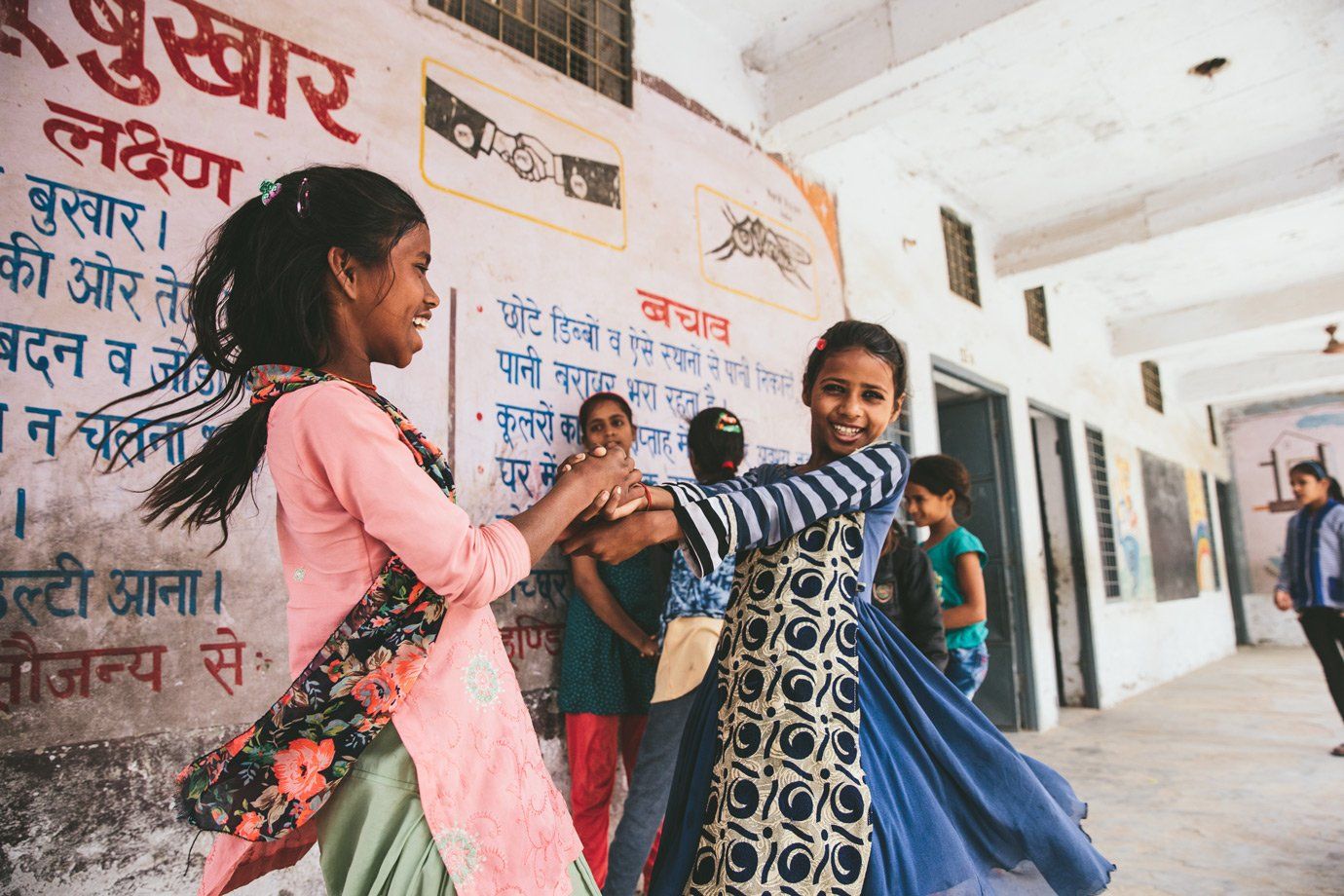
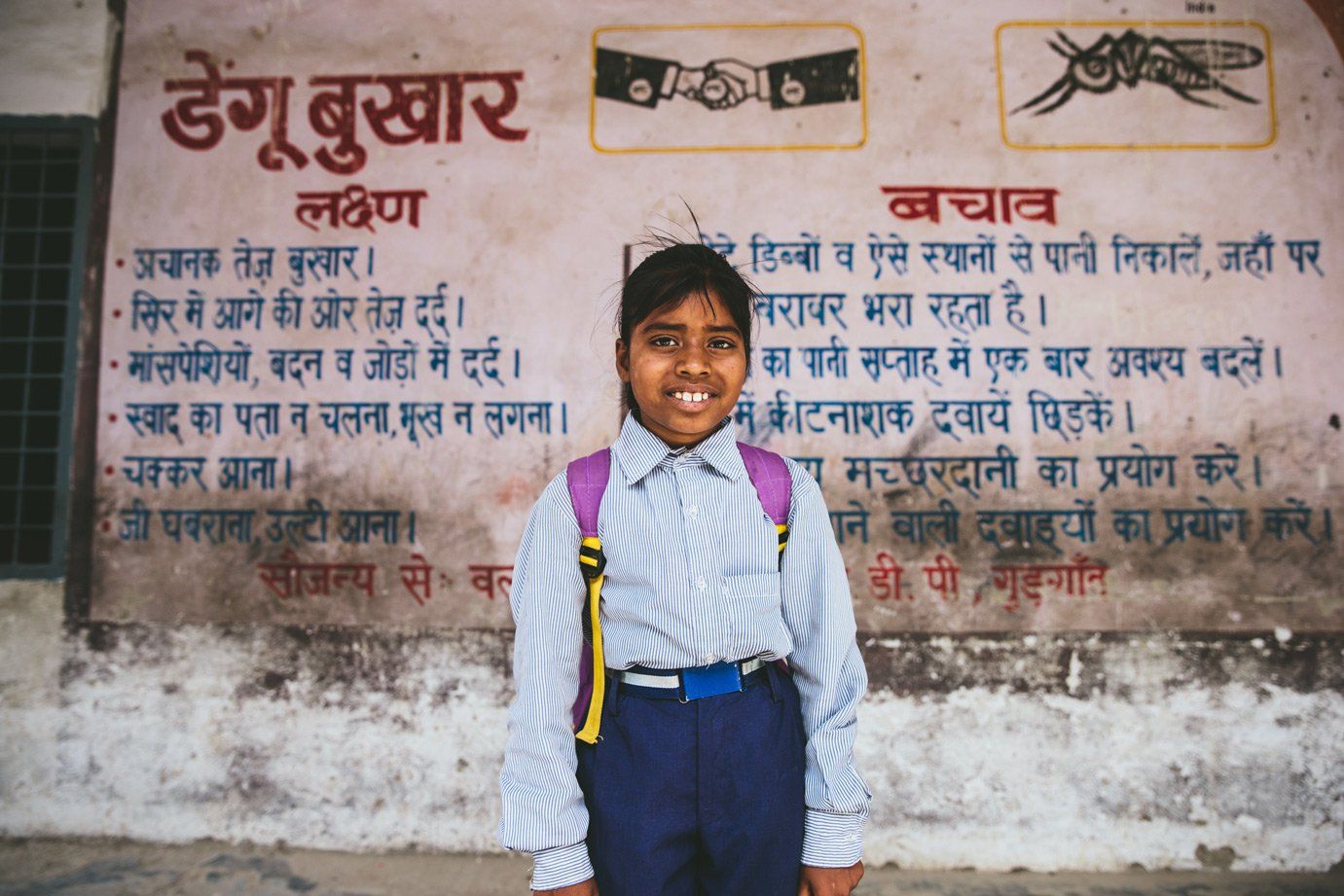
The children here are among the poorest of the poor—most of them beginning school well after 6-7-8-years-old. With a delayed education and daily responsibilities to make ends meet at home, the future is not necessarily full of opportunity for these full of potential, bright-eyed and curious young ones.
“Before coming to school, these students were involved in different kinds of activities, like begging, trash picking, or child labor. So, they have intellect and their cognitive skills are a bit developed, but they don’t know how to read and write. Their numeracy and literacy is zero.”


View more
“The students here are first generation learners and in their formative ages. Once they are grown up past 18-years-old, even if we give them opportunity, it will not add as much value as this digital classroom is adding at this age, between 10-14 years old," says Mohammed Hassan, Monitoring and Evaluation Officer for Sakshi Schools.
While today the kids most enjoy drawing elephants with a mouse, tomorrow they could be coding apps to streamline garbage collection or predict crop yields and it's access to a keyboard that puts that train in motion.
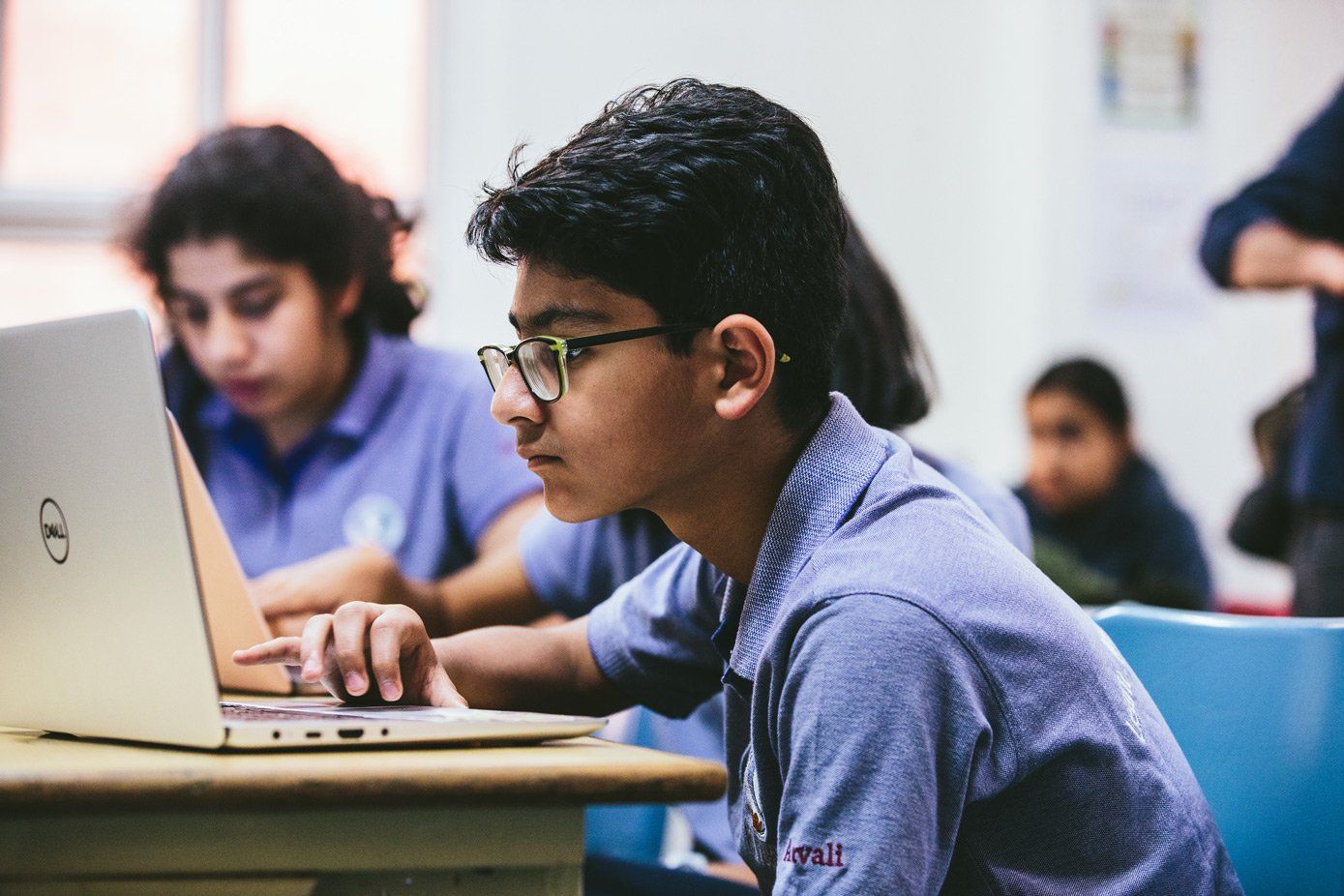
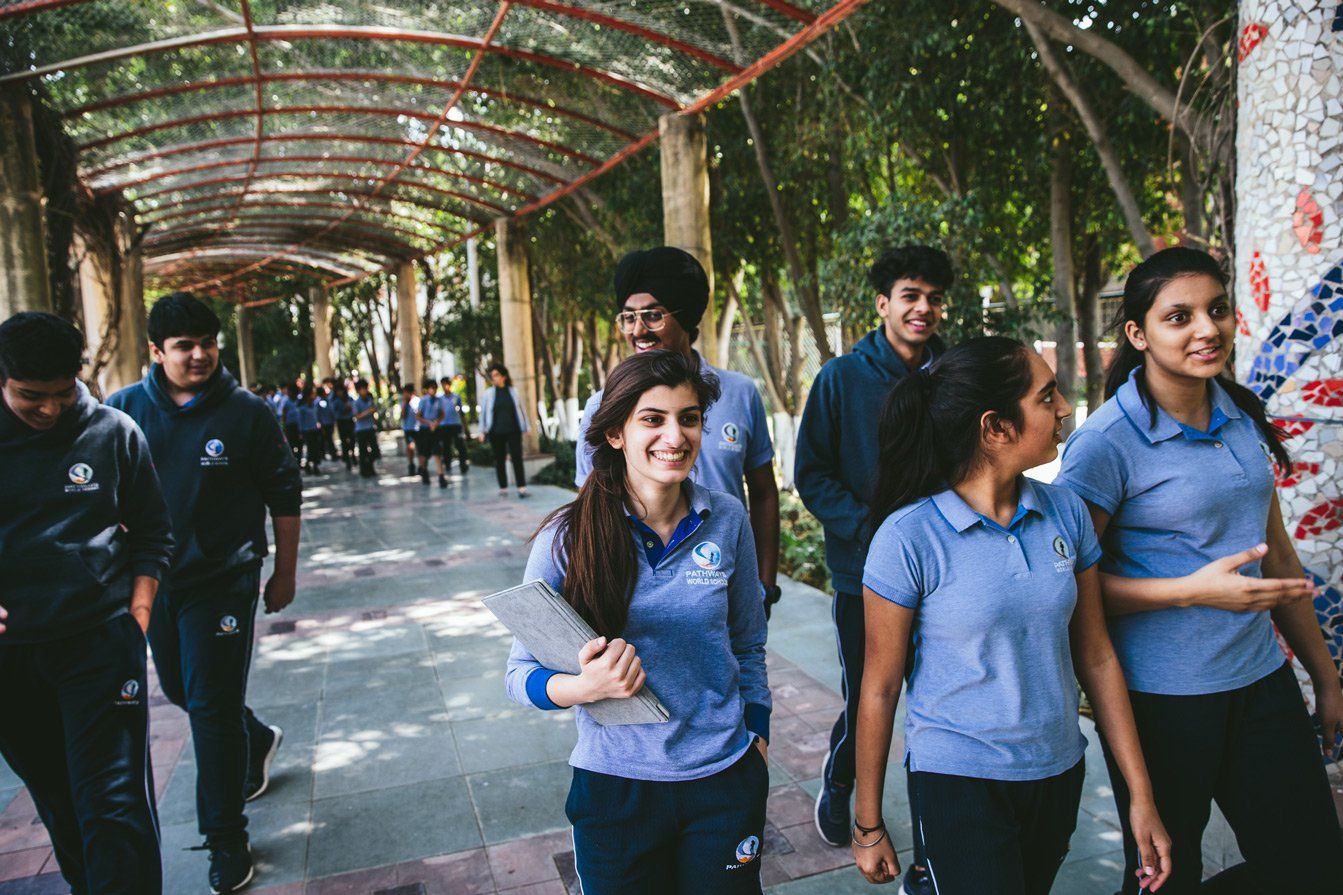
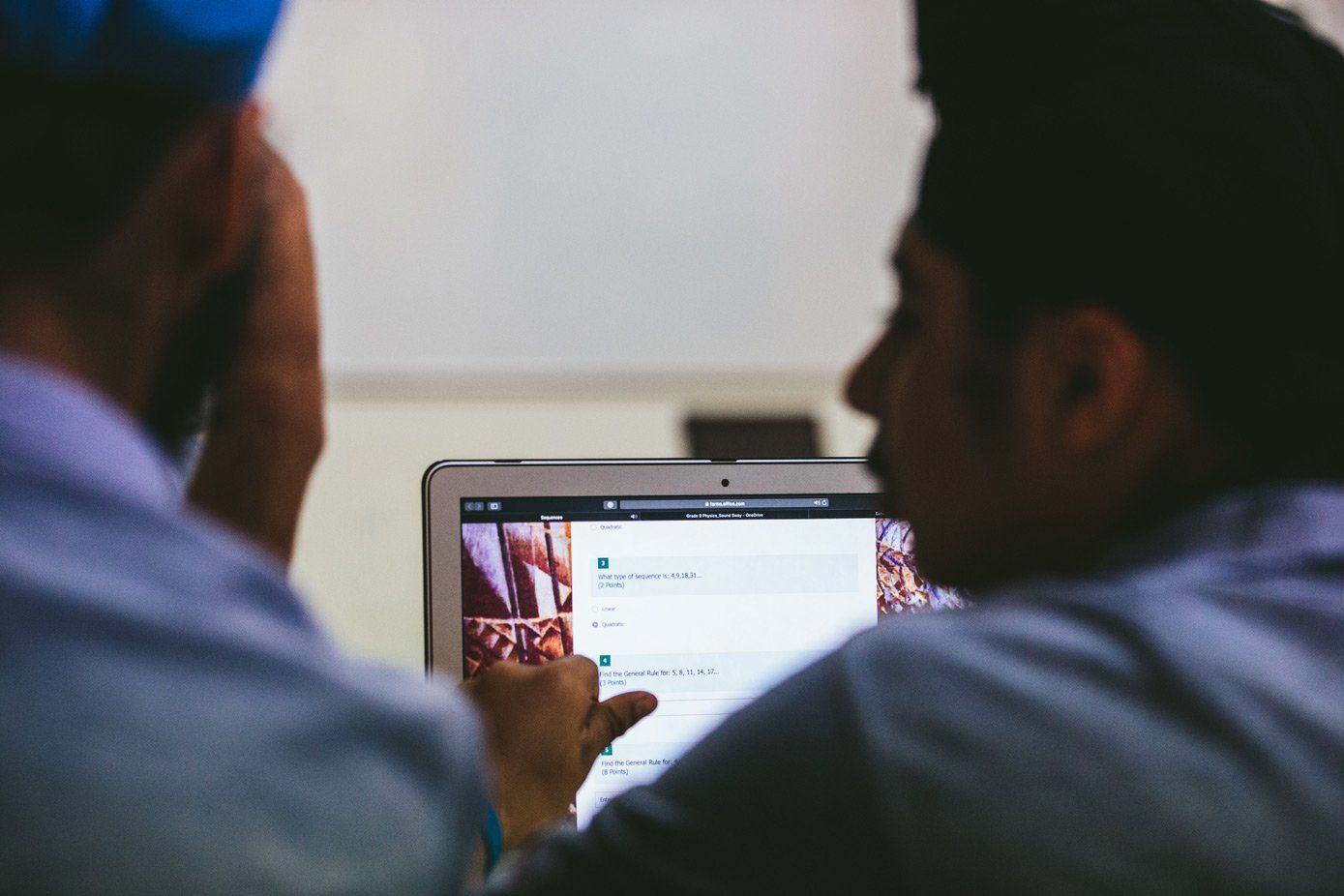
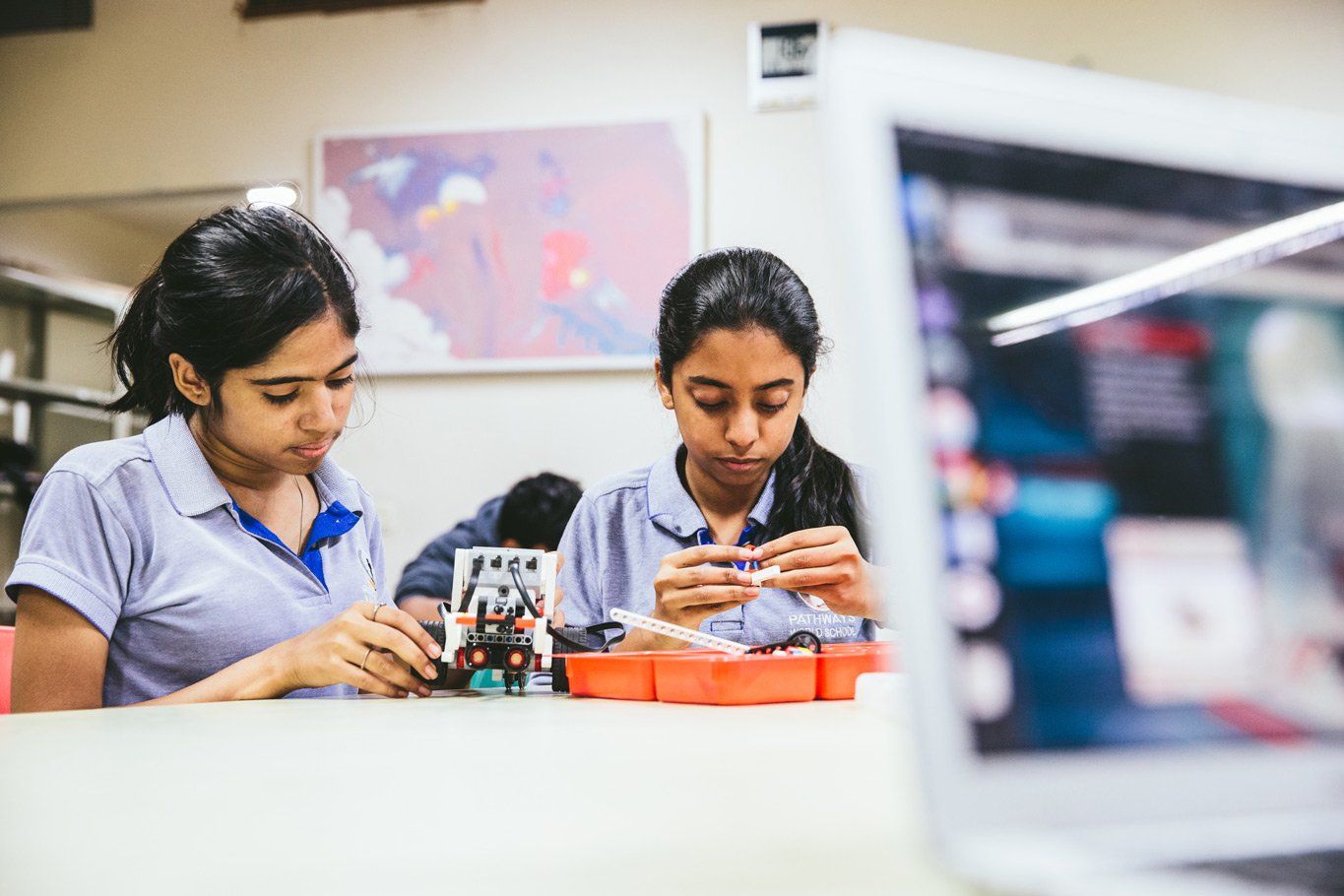
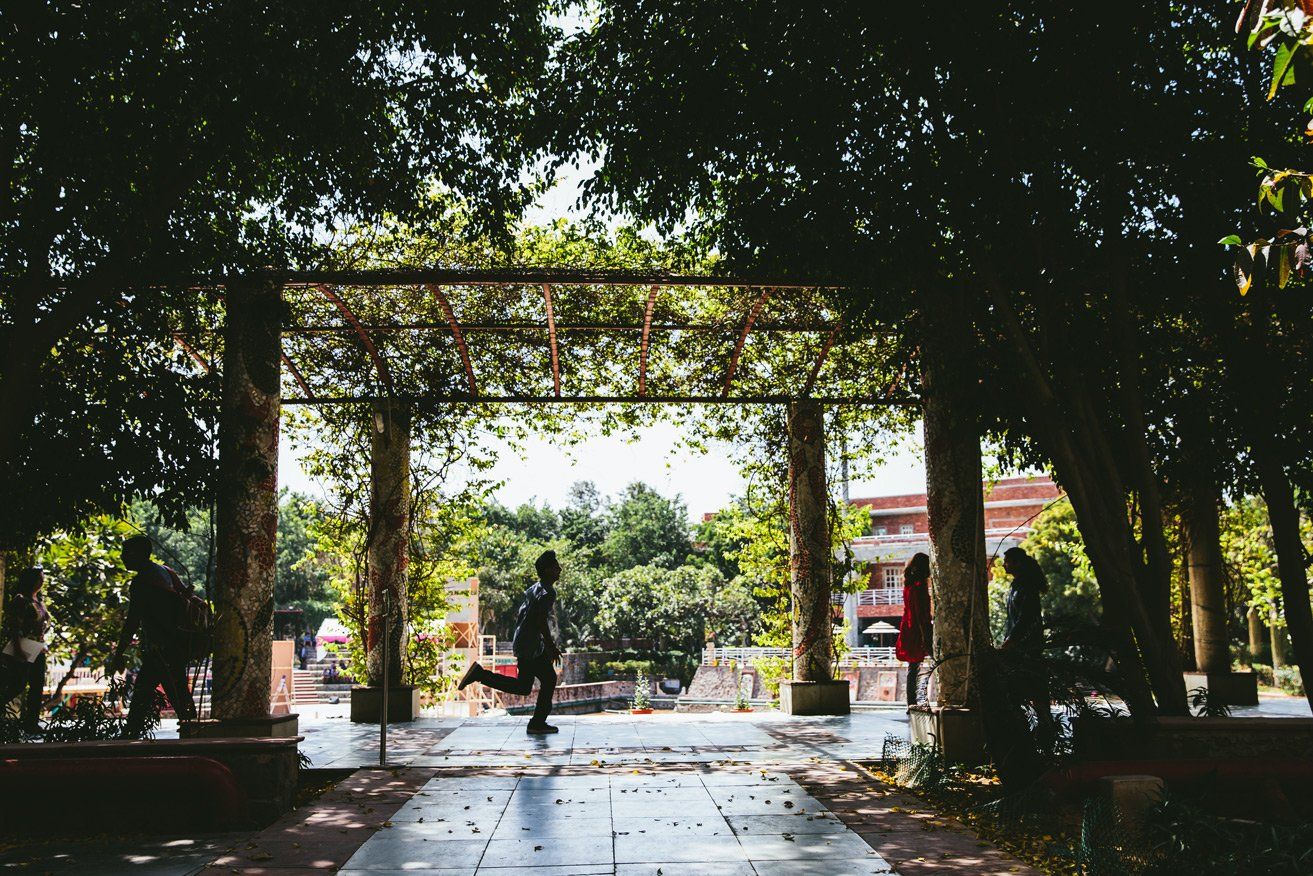
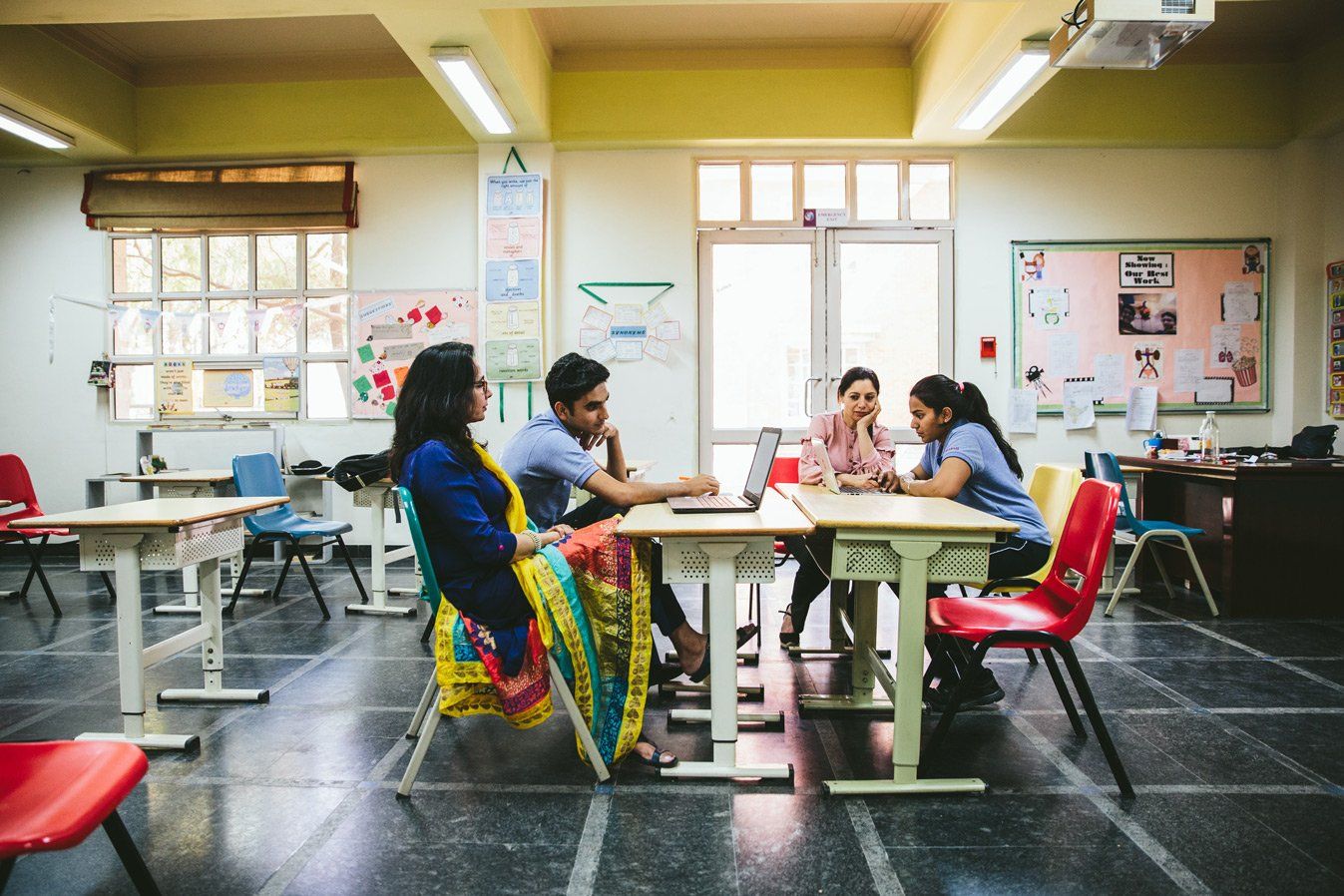
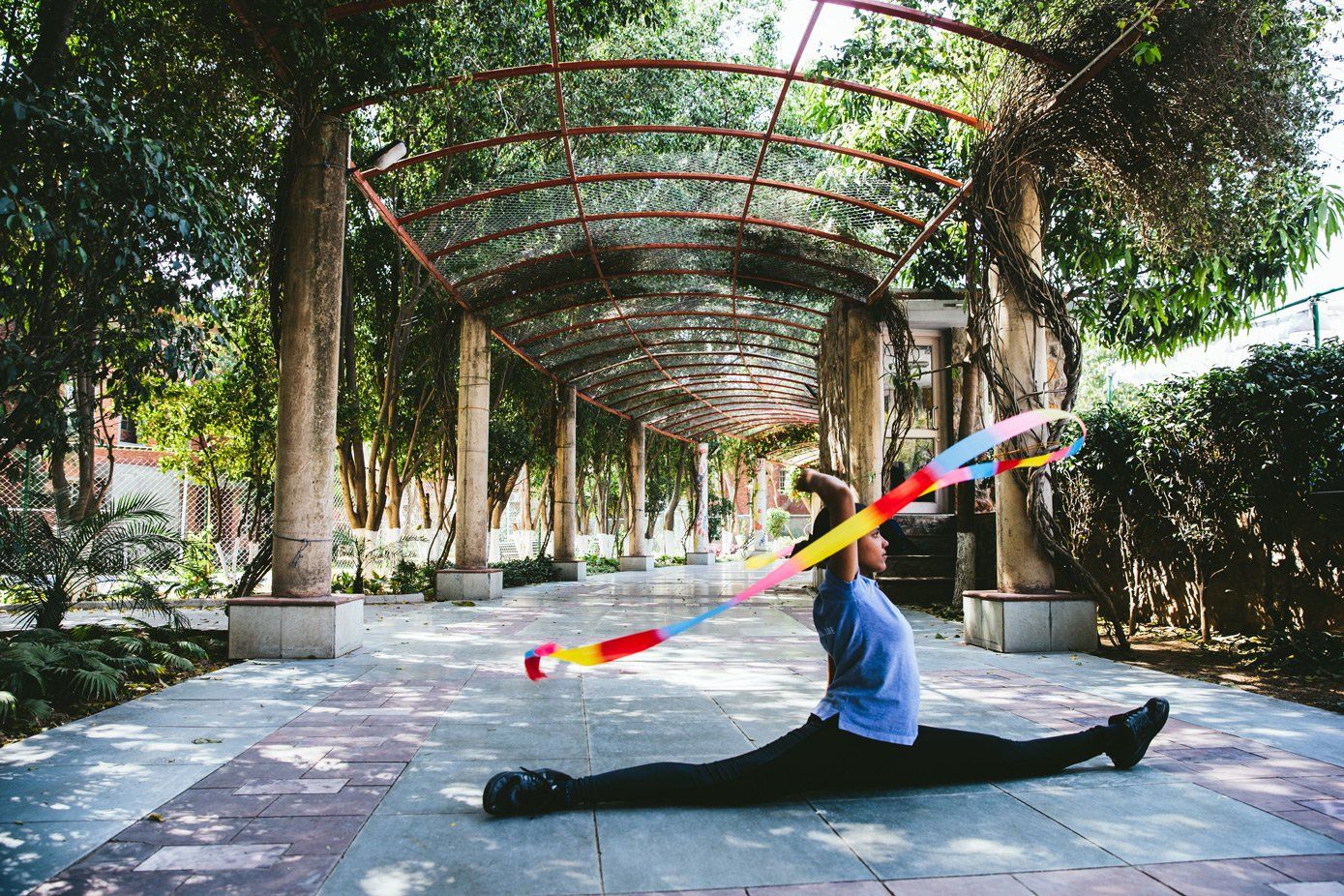
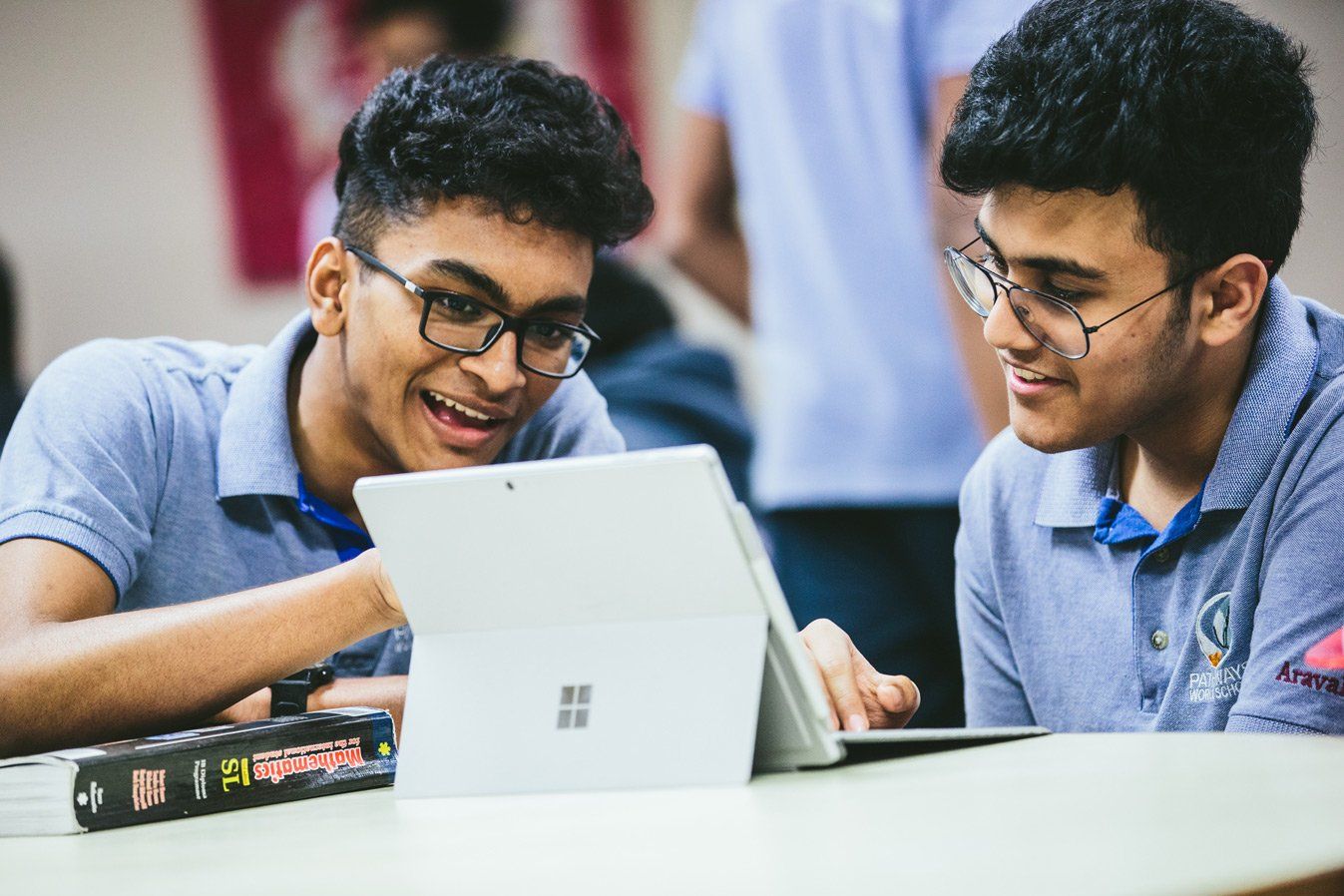
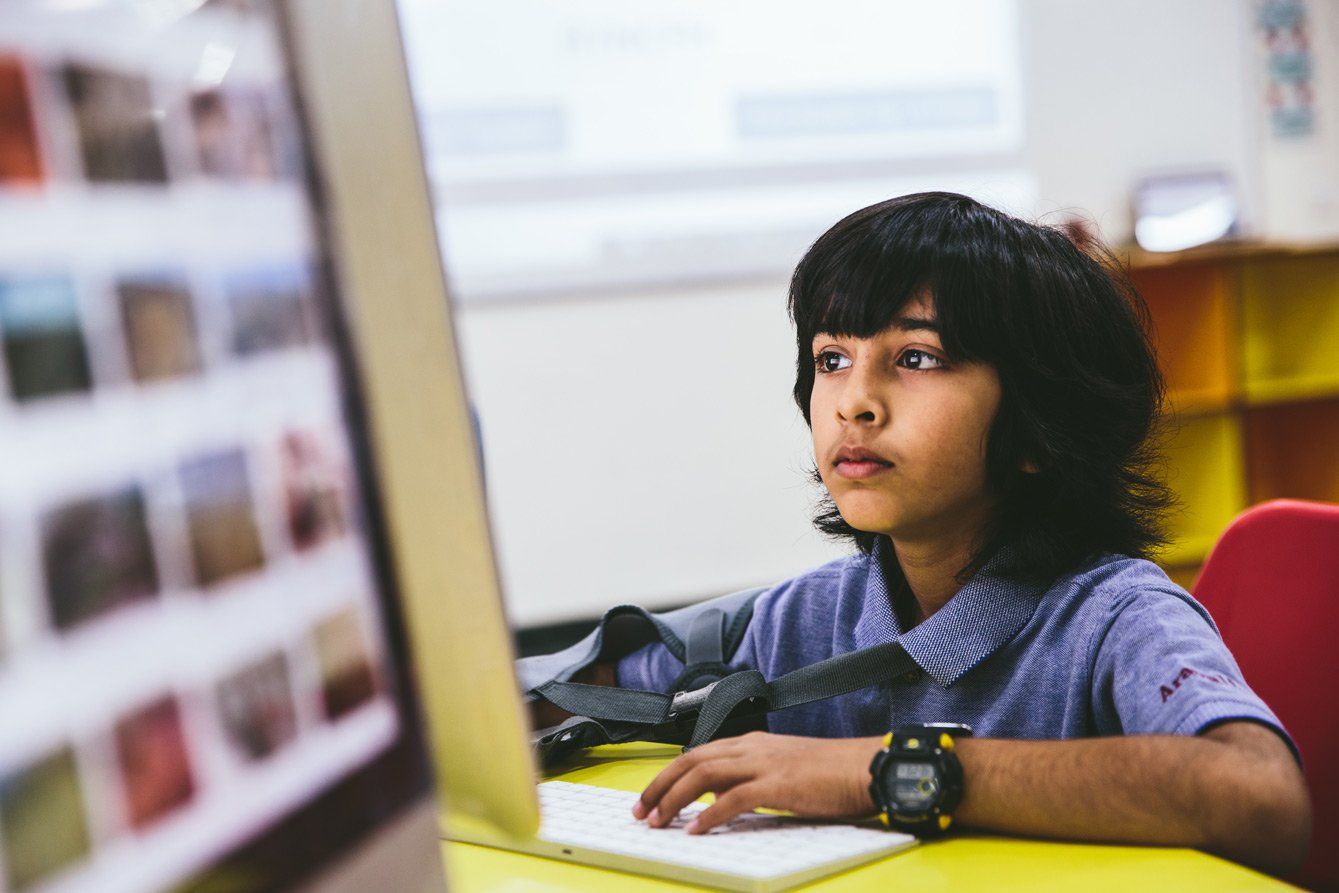
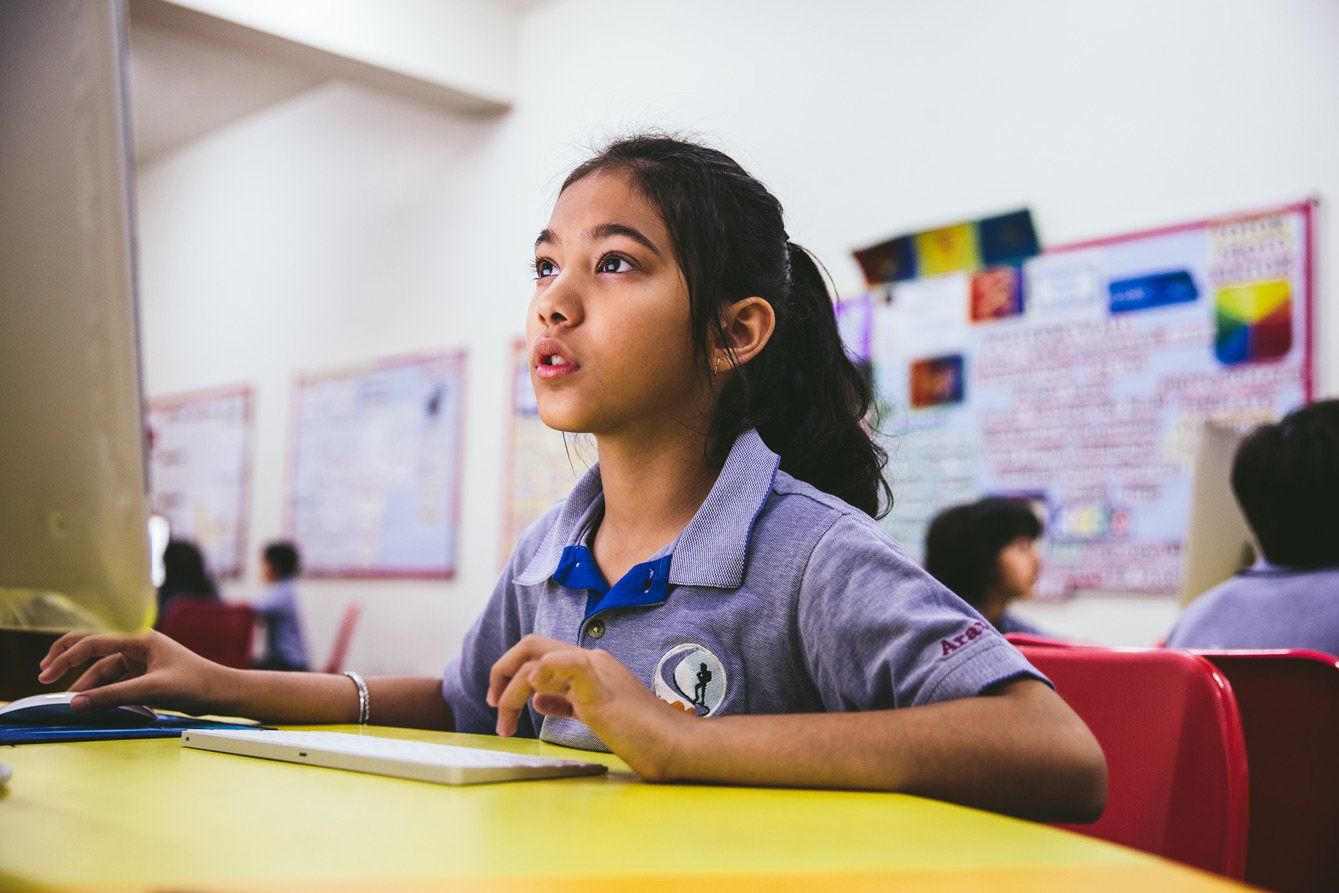
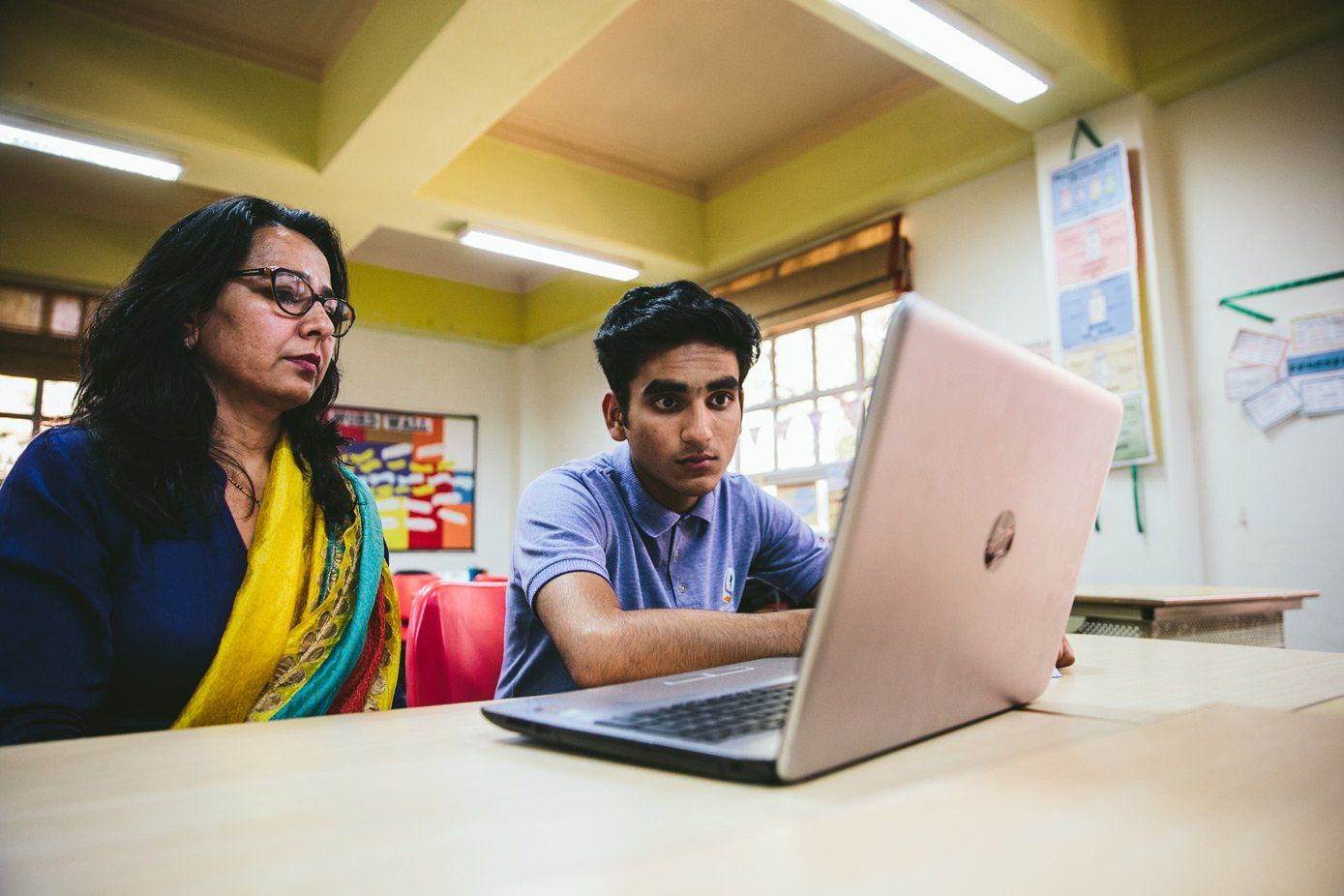
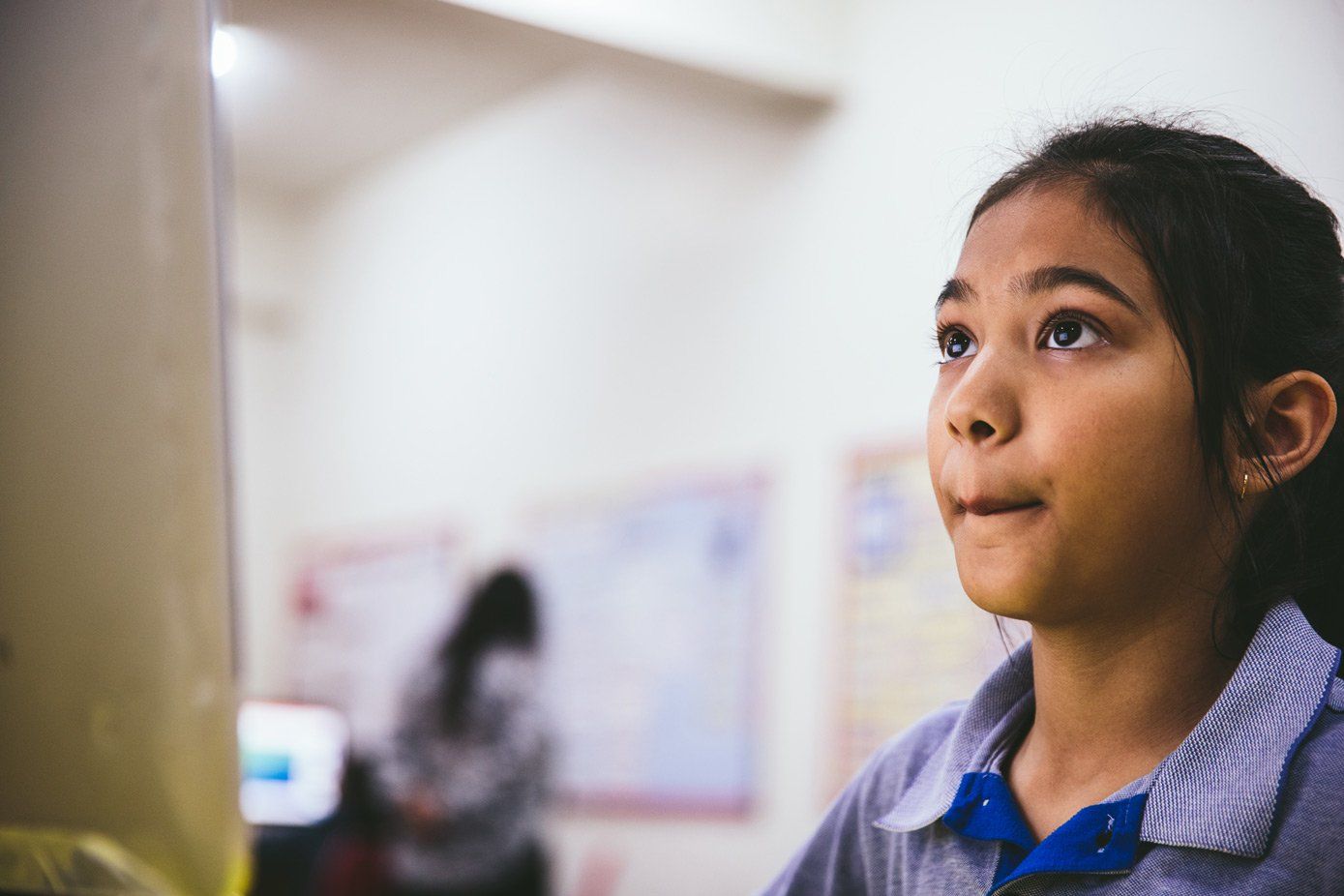
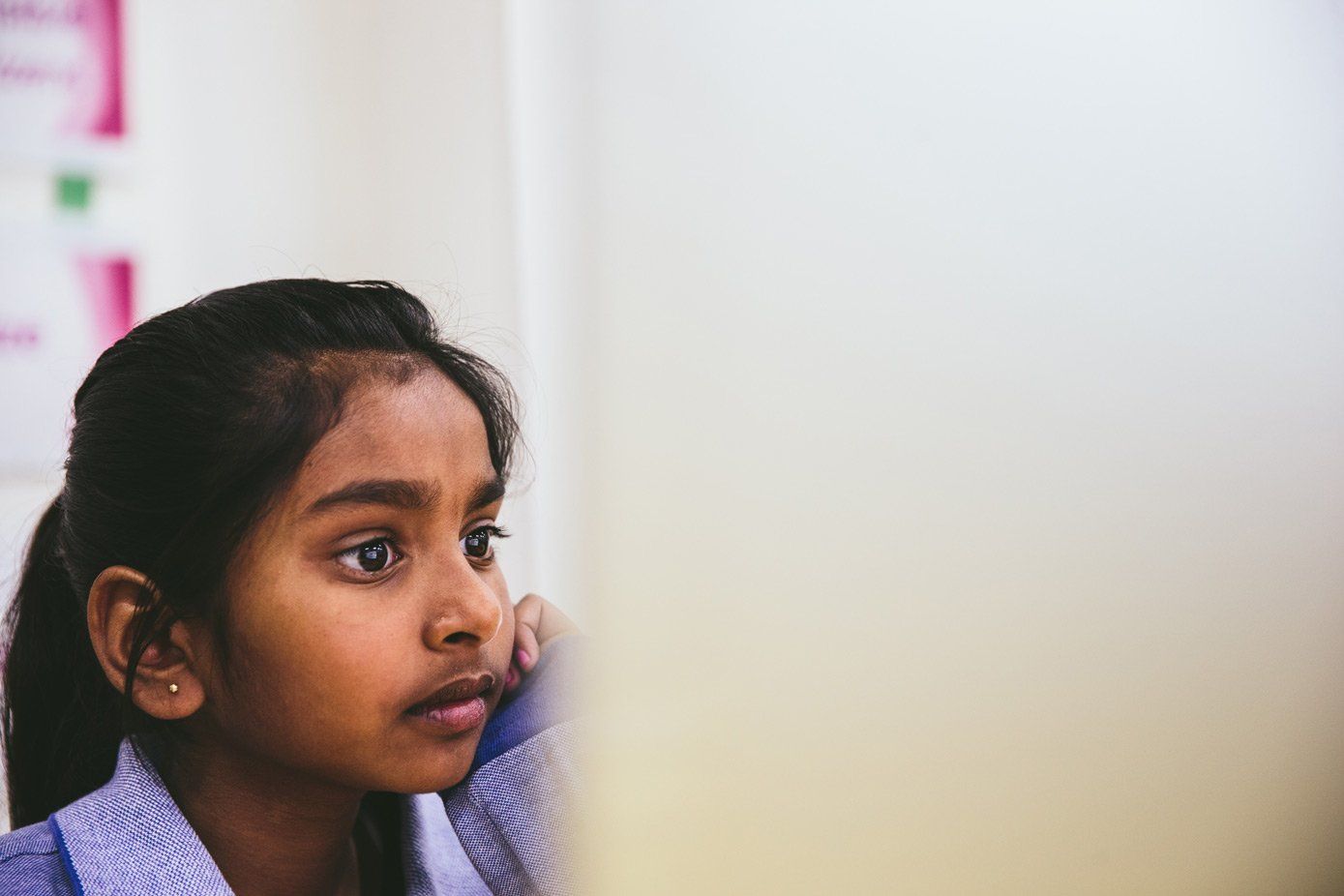
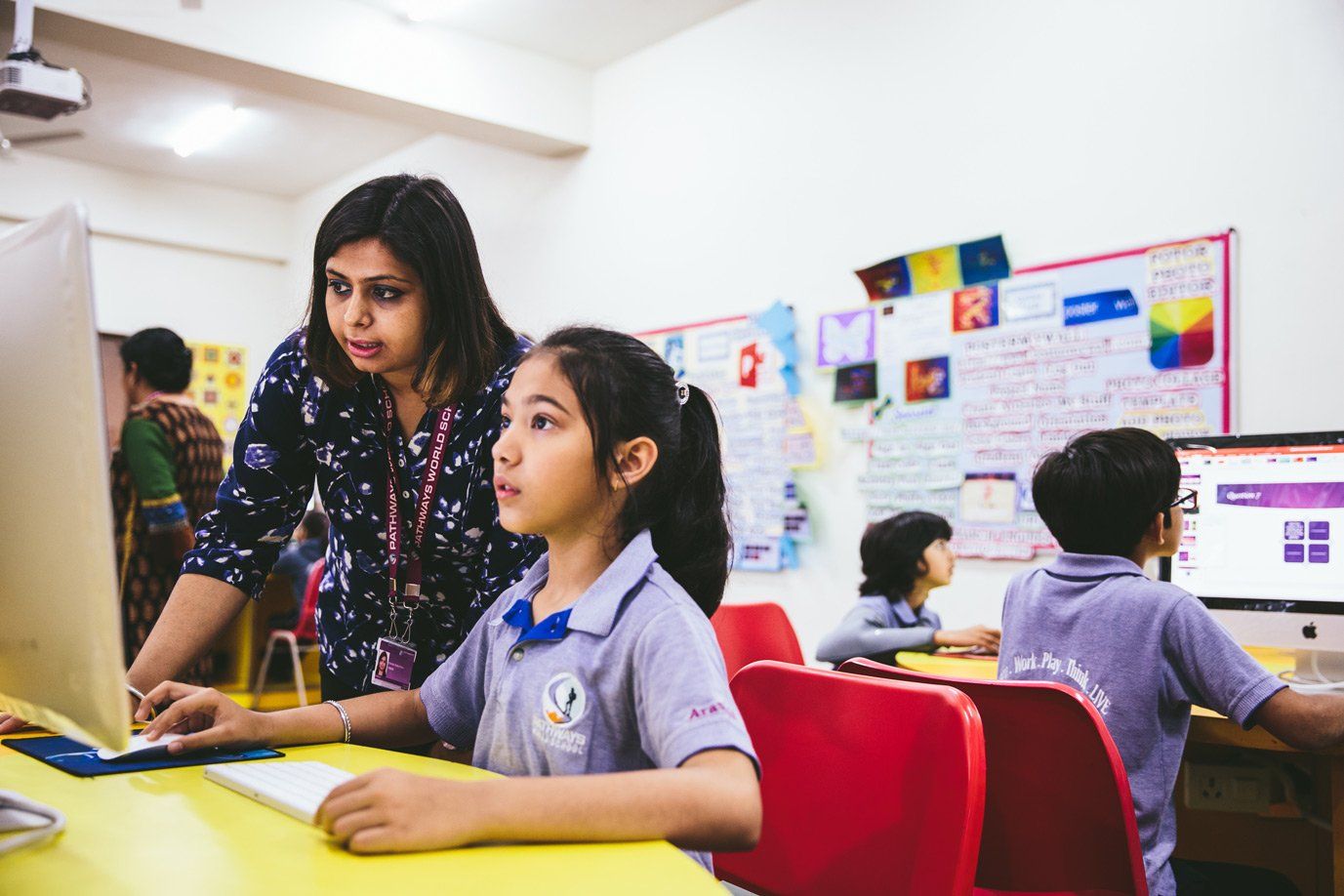
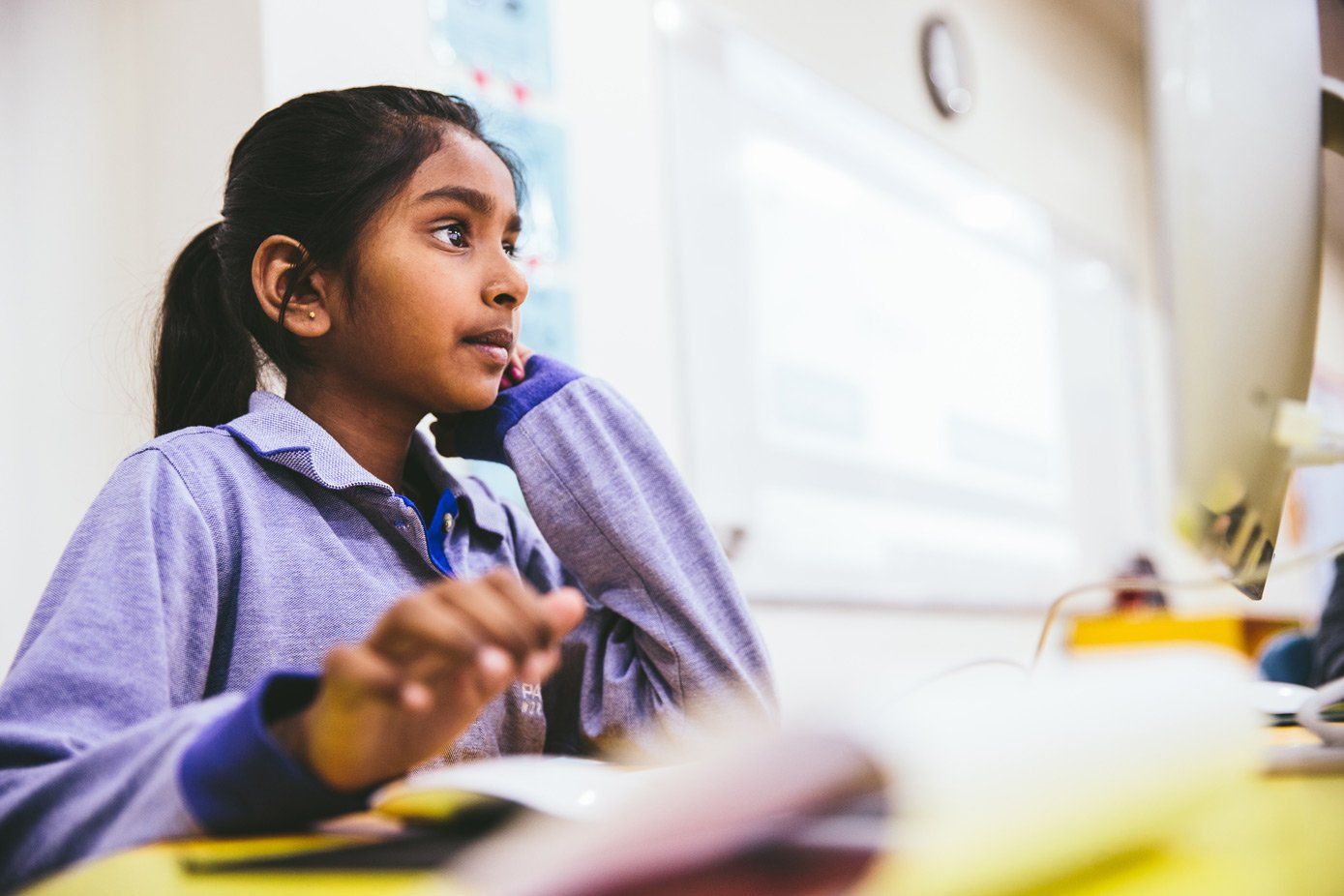
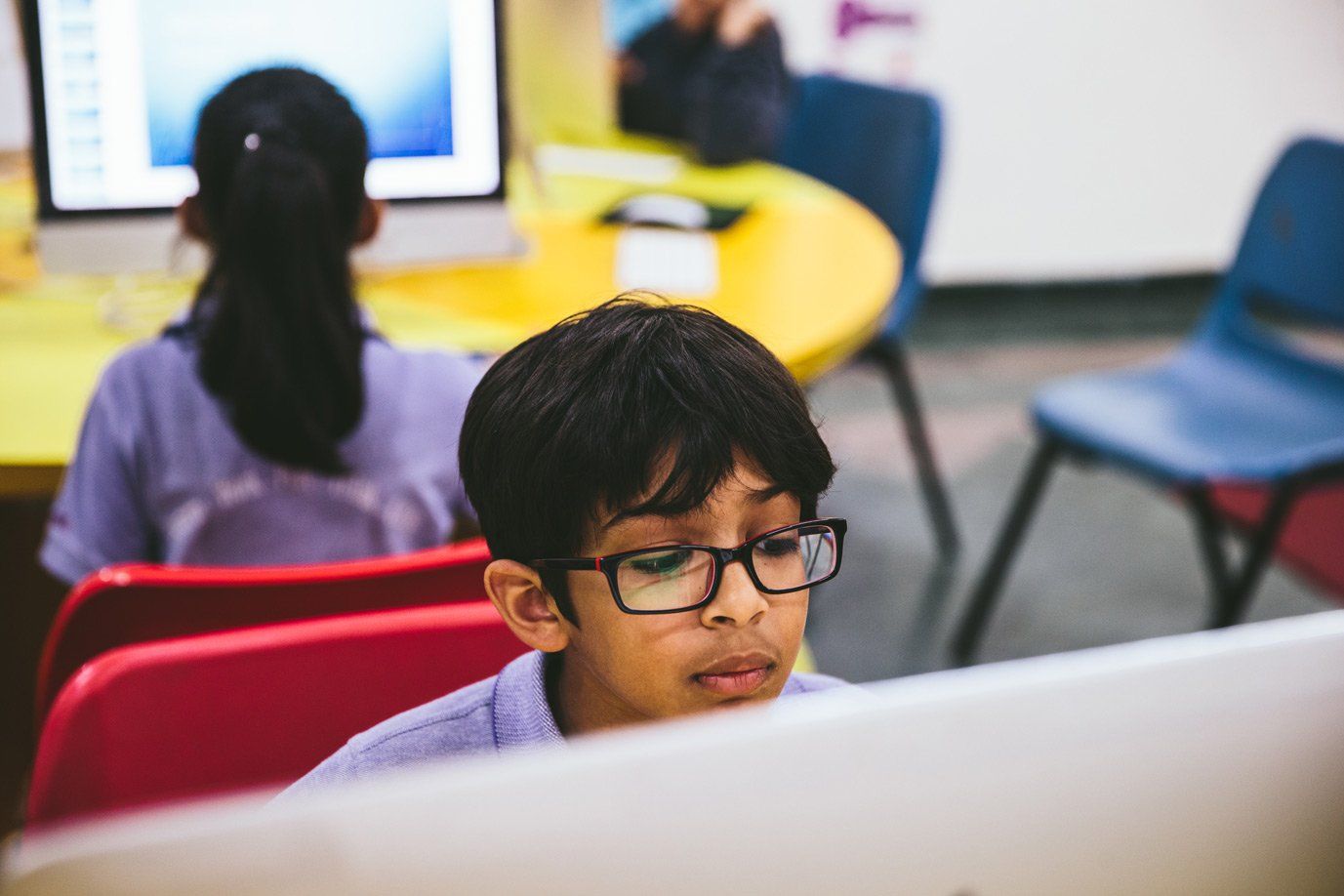
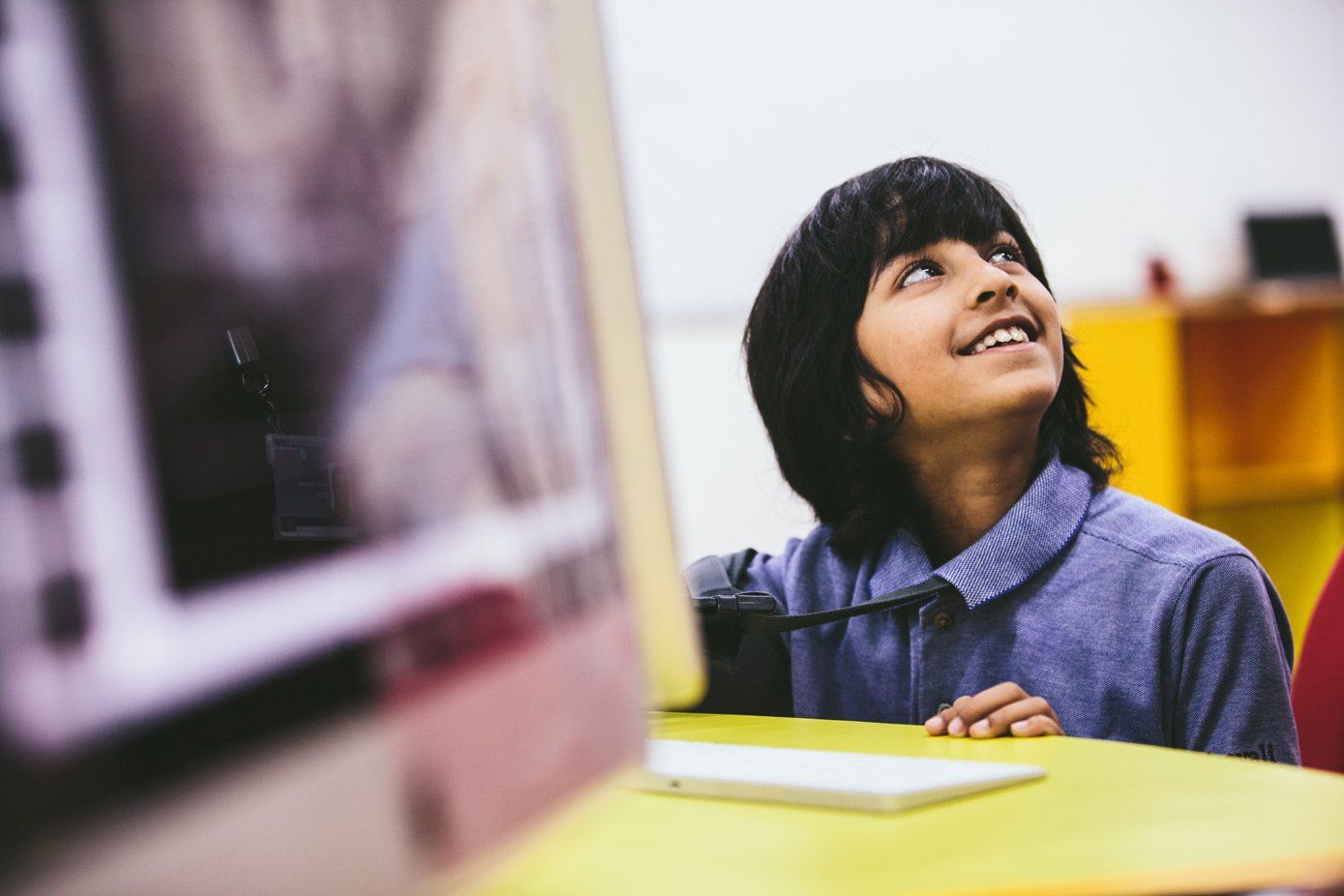
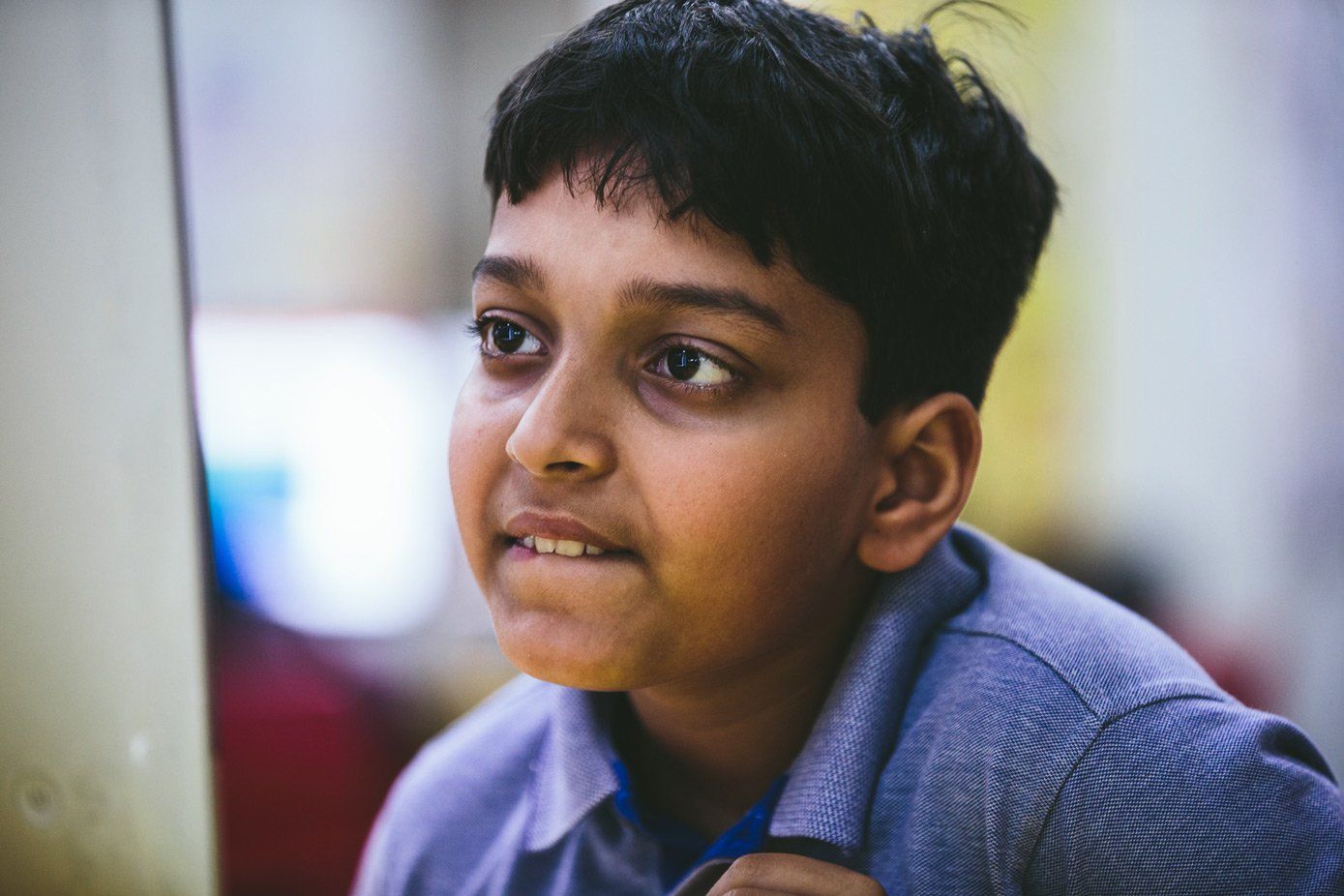
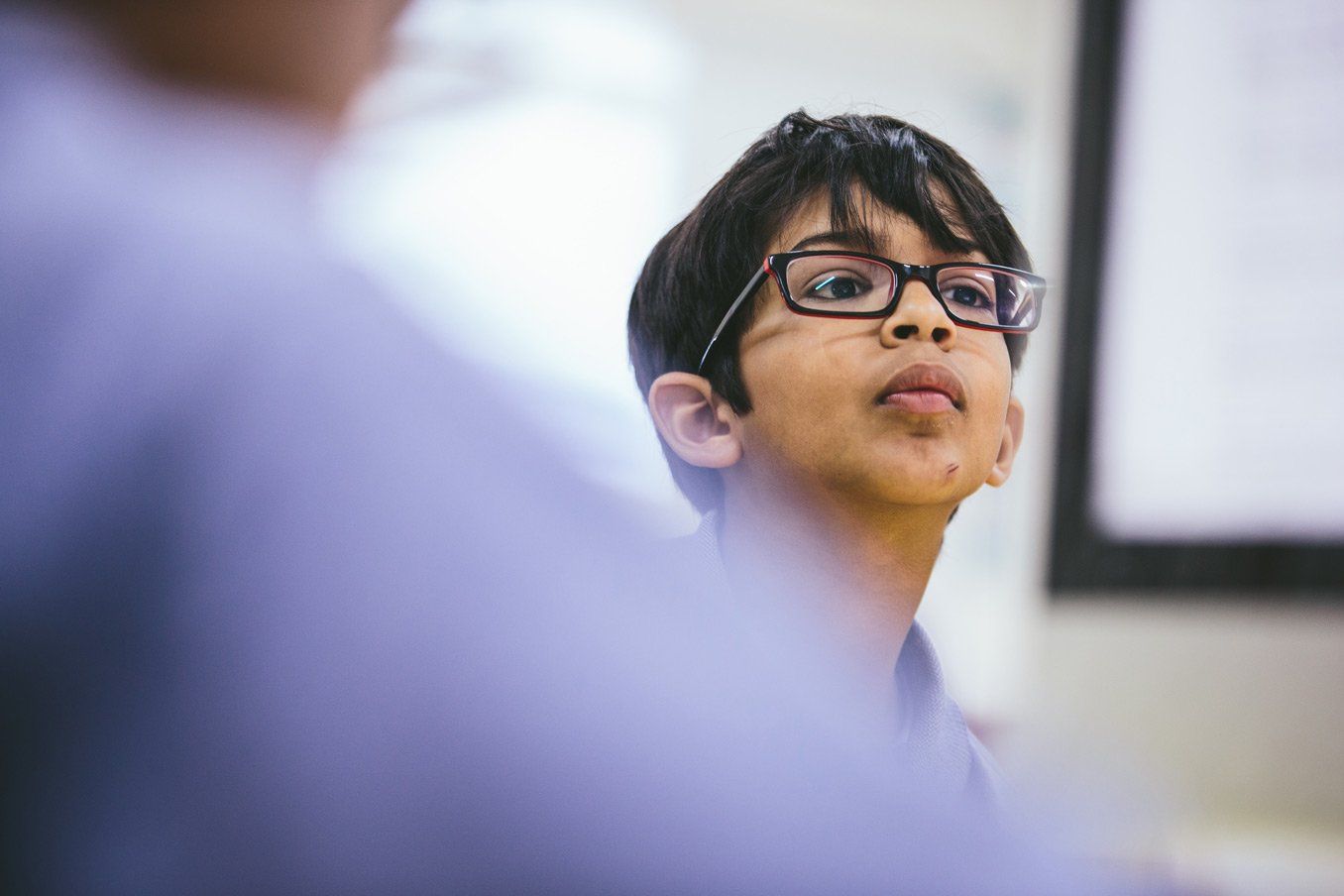
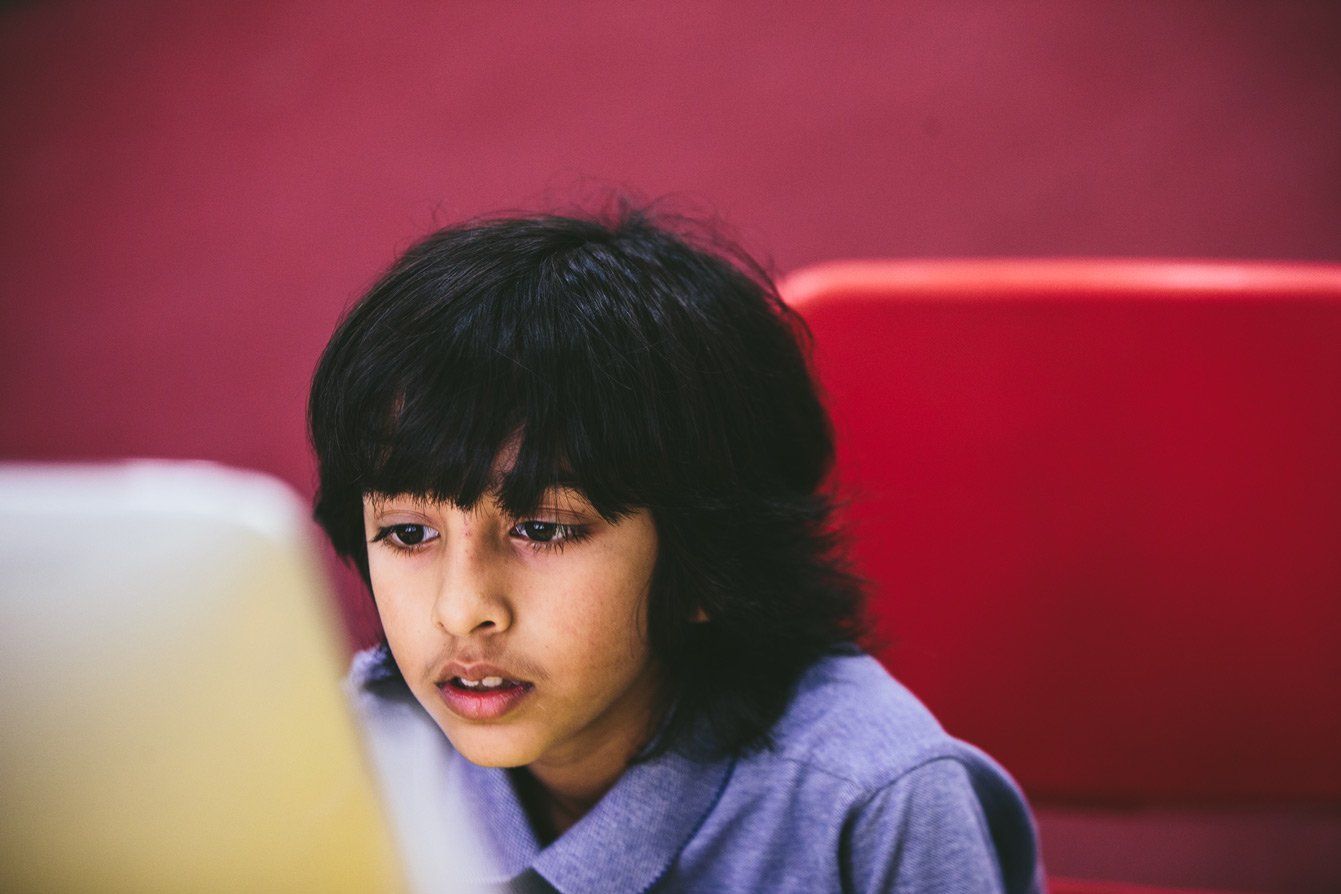
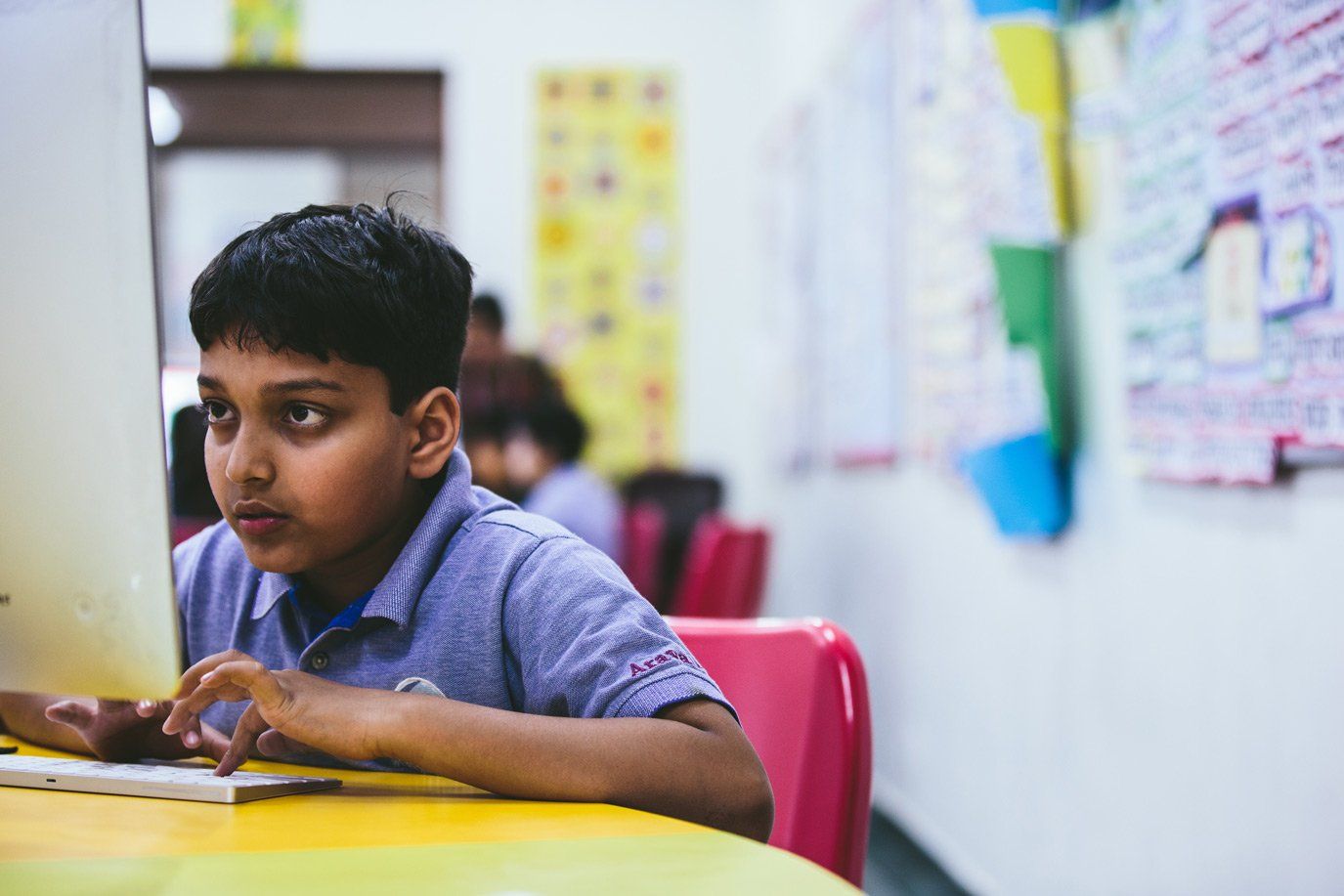
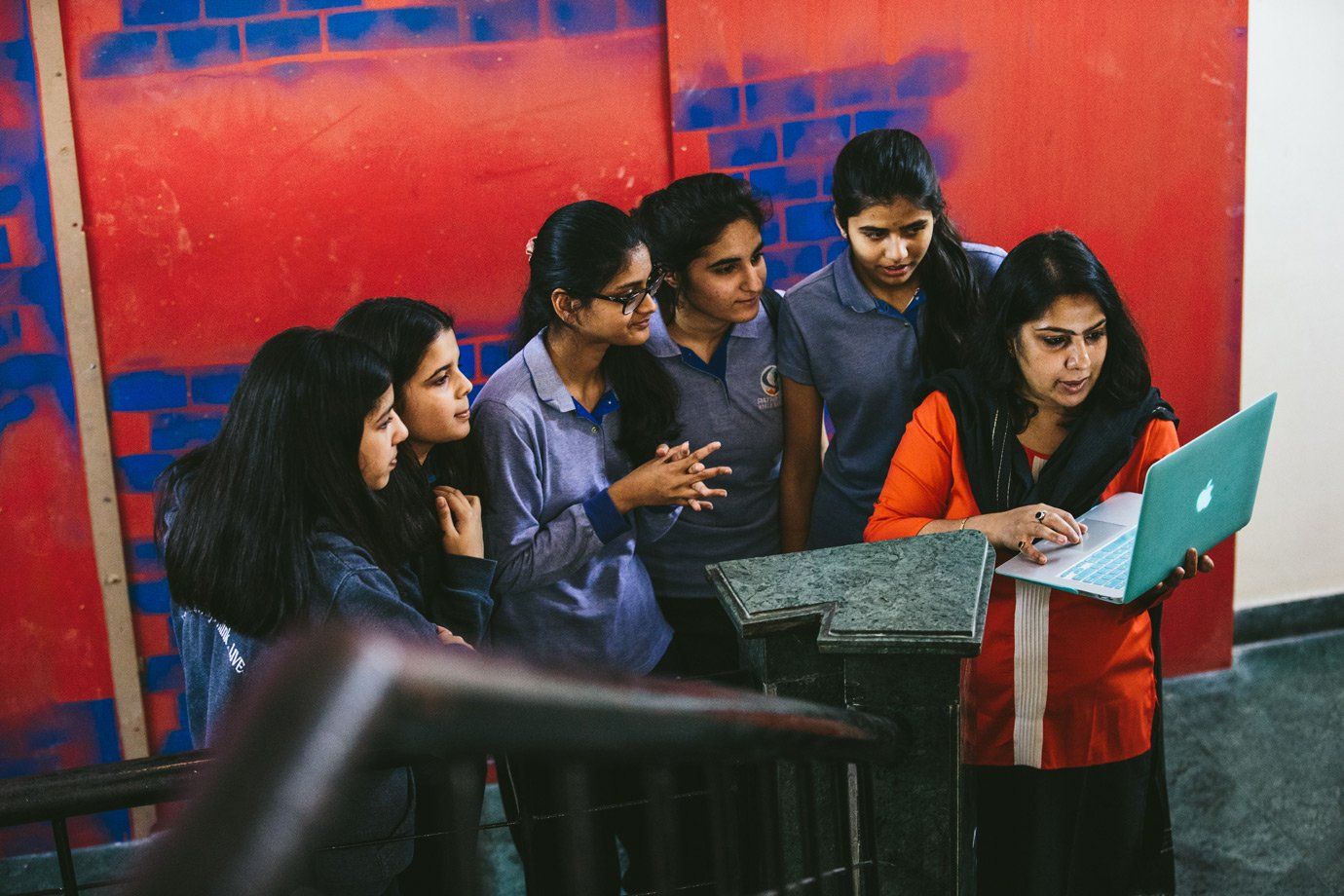
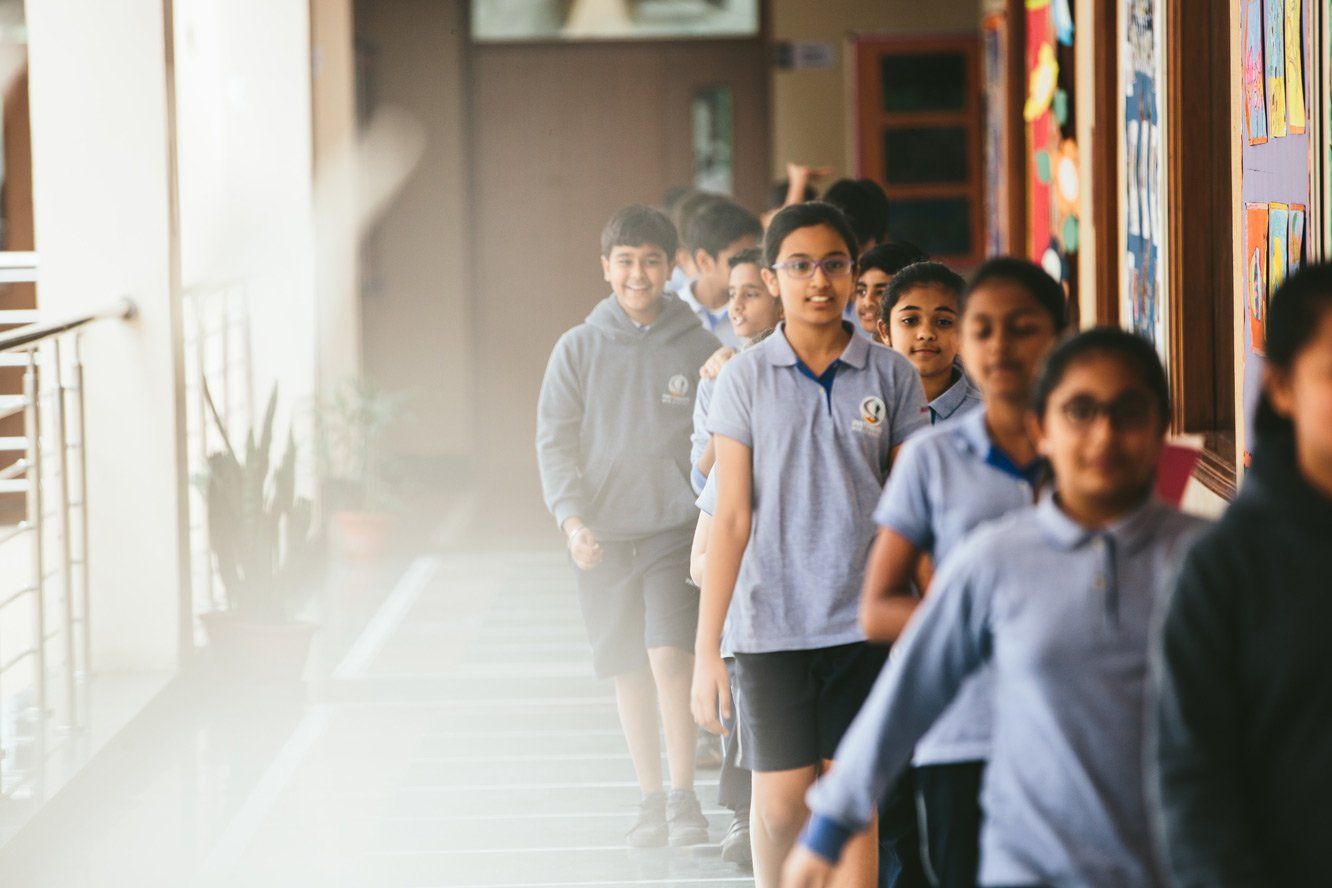
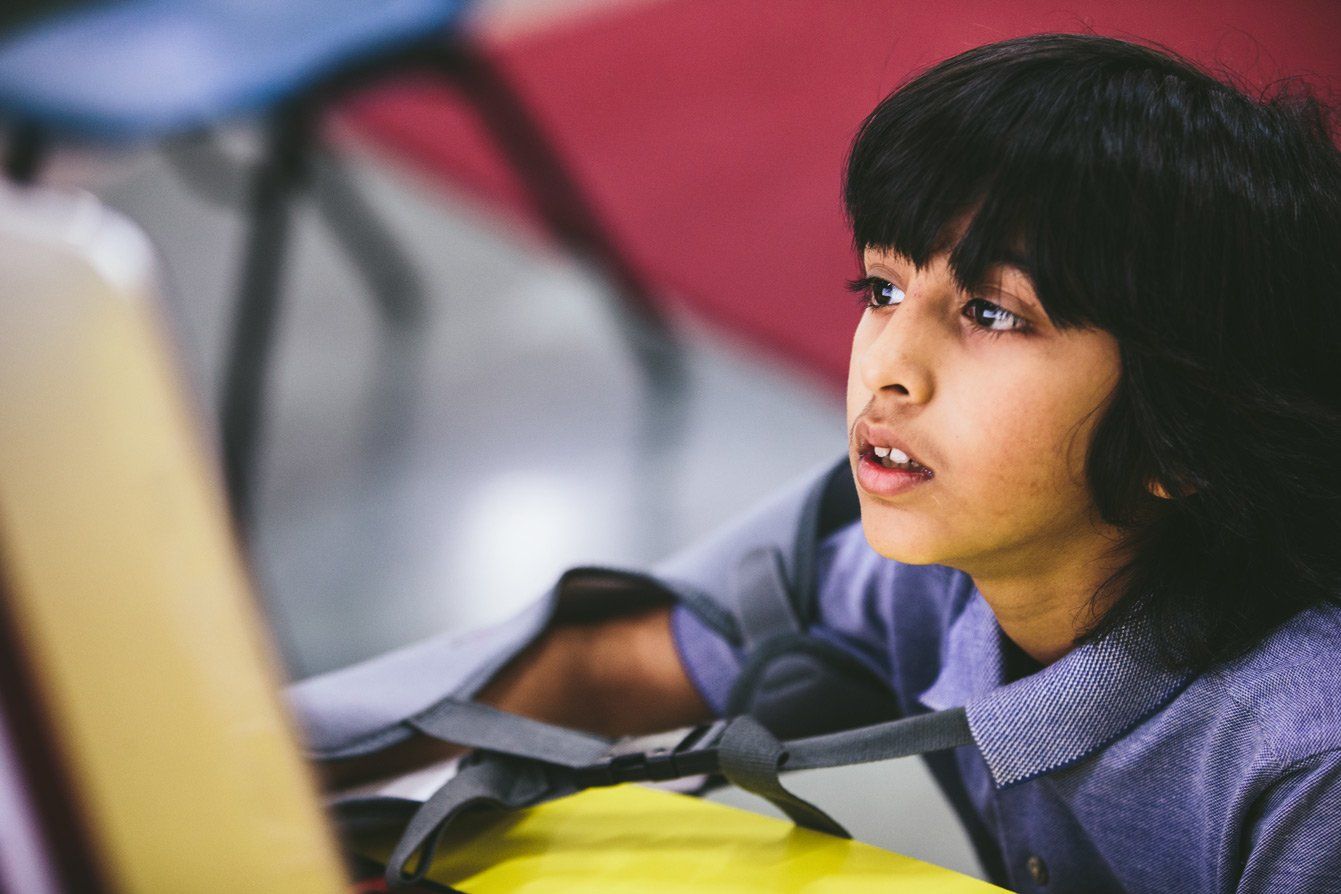
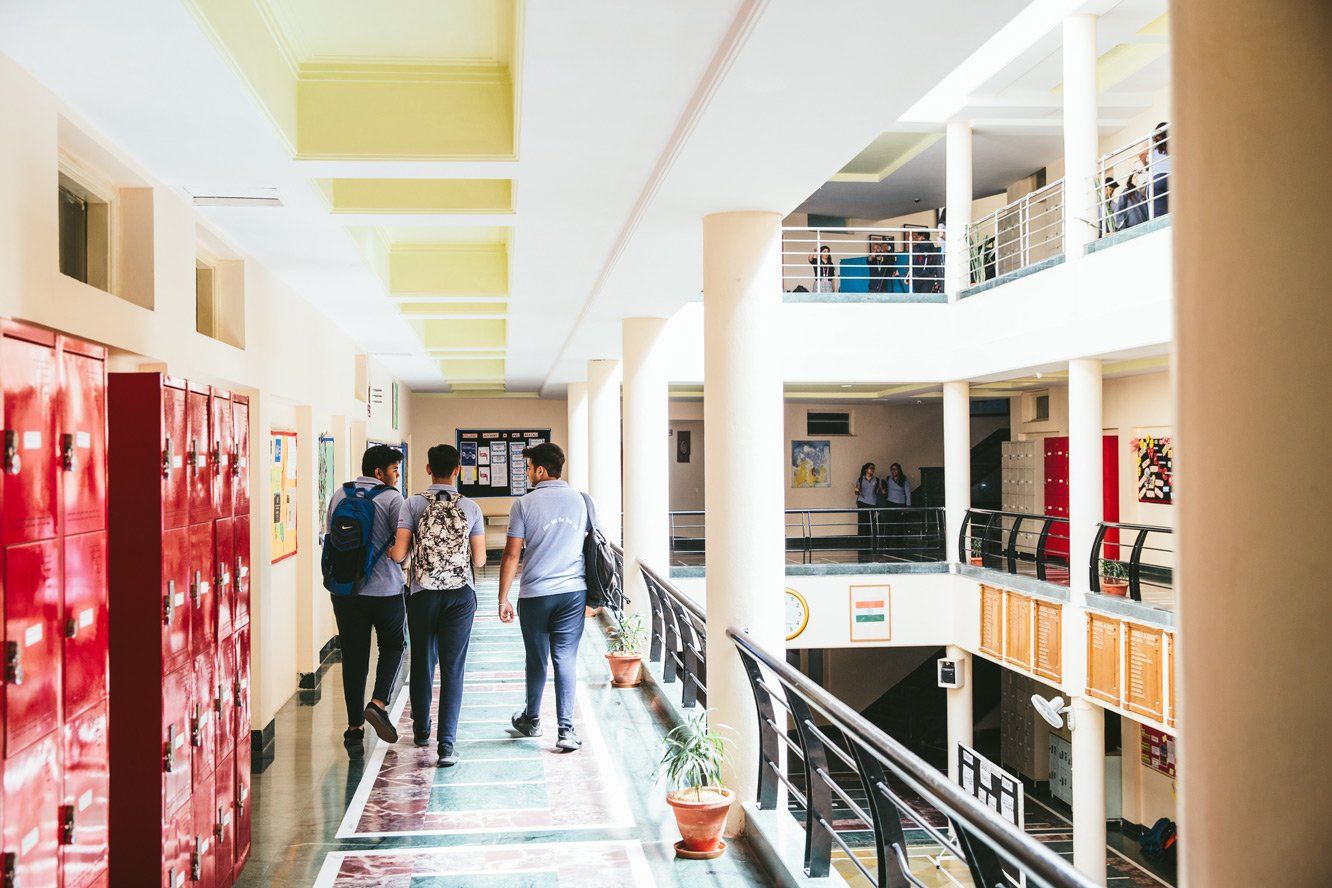
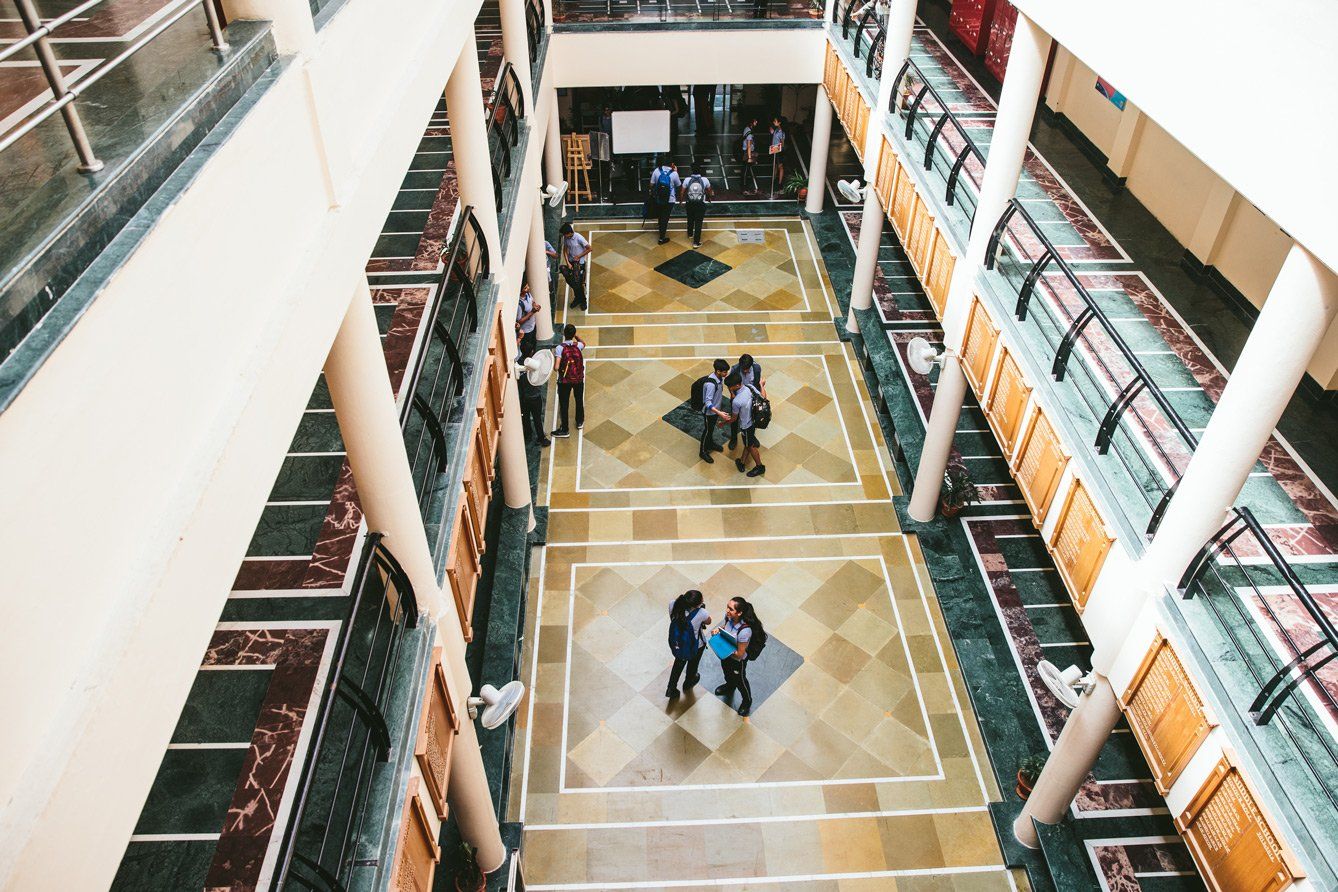
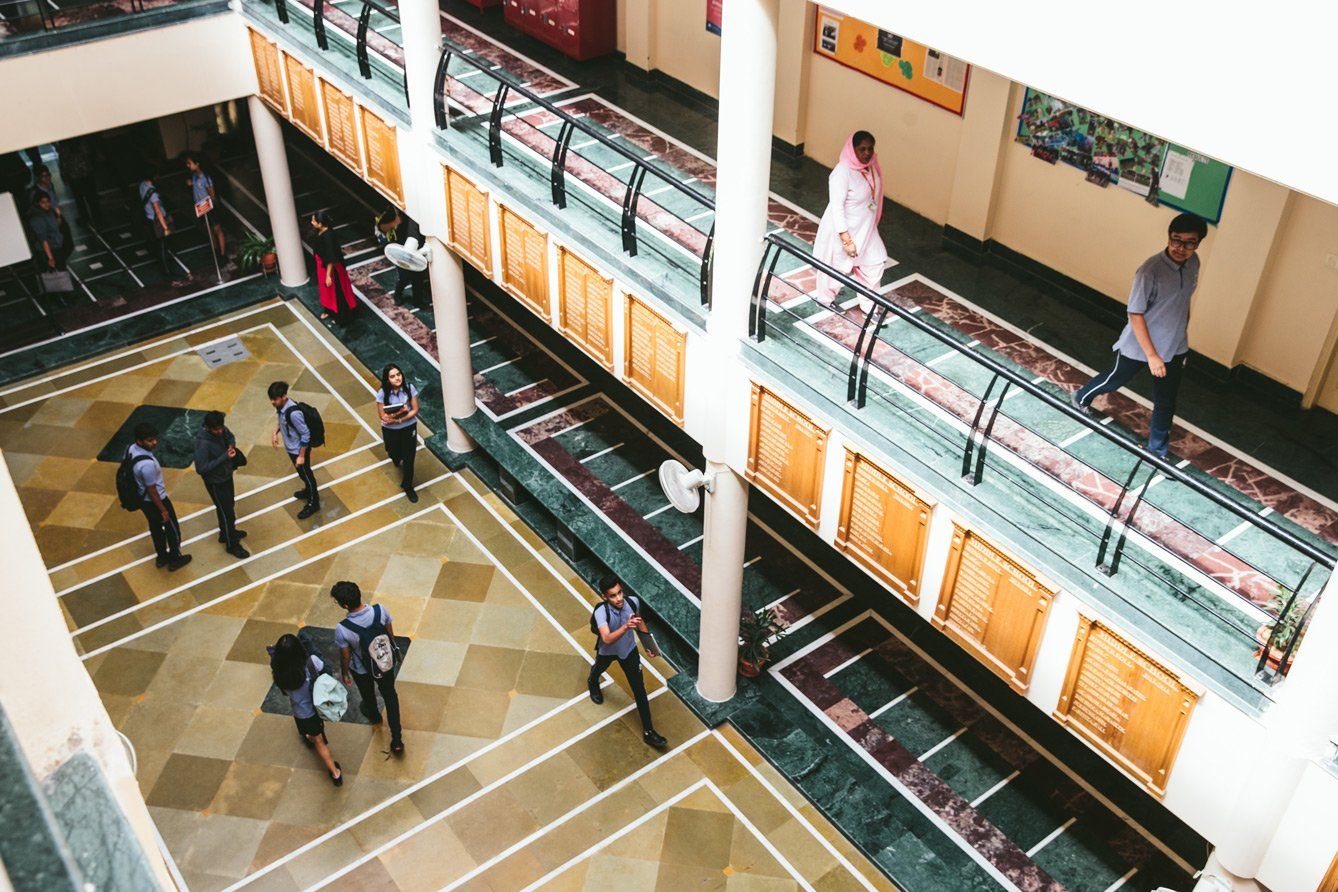
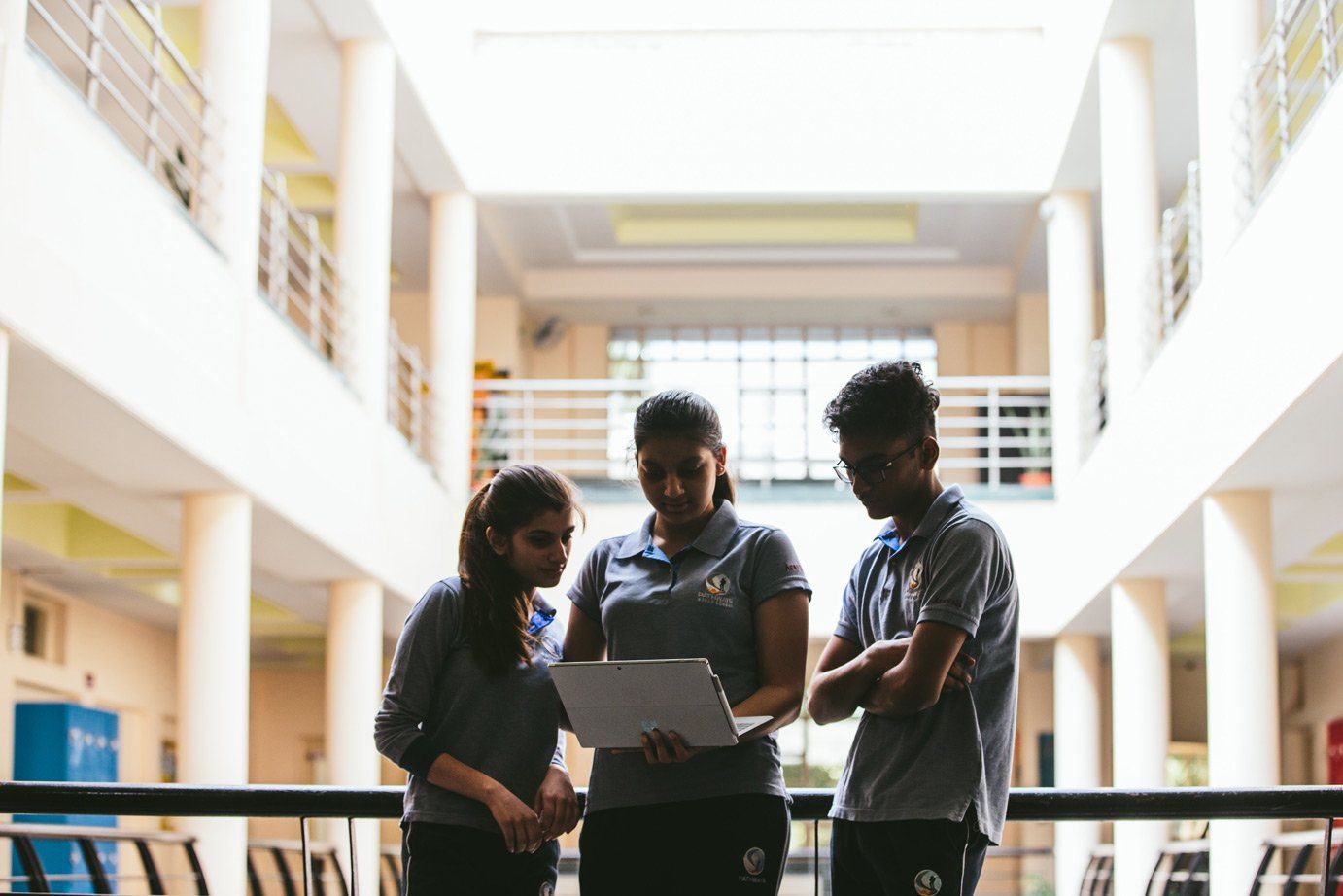
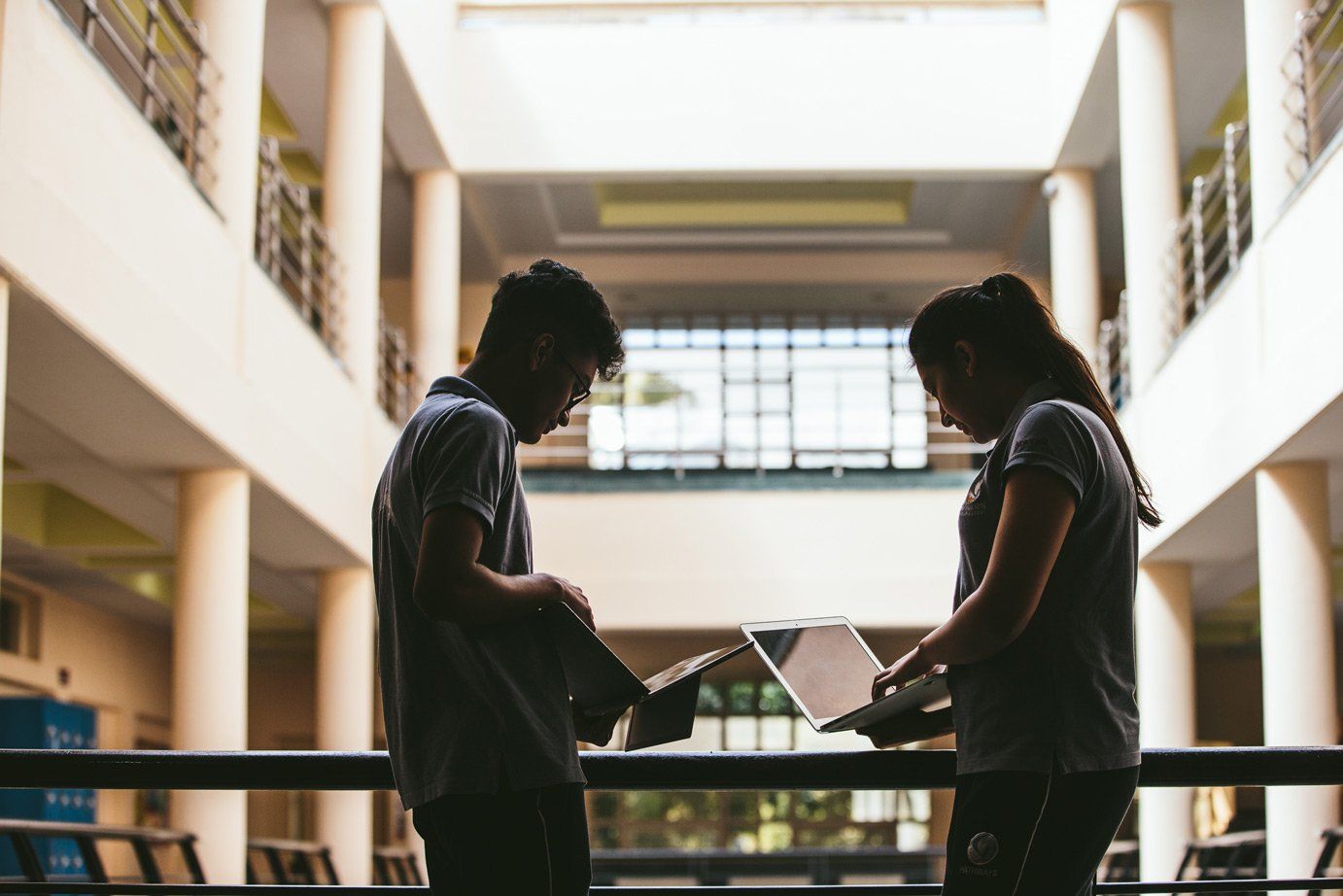
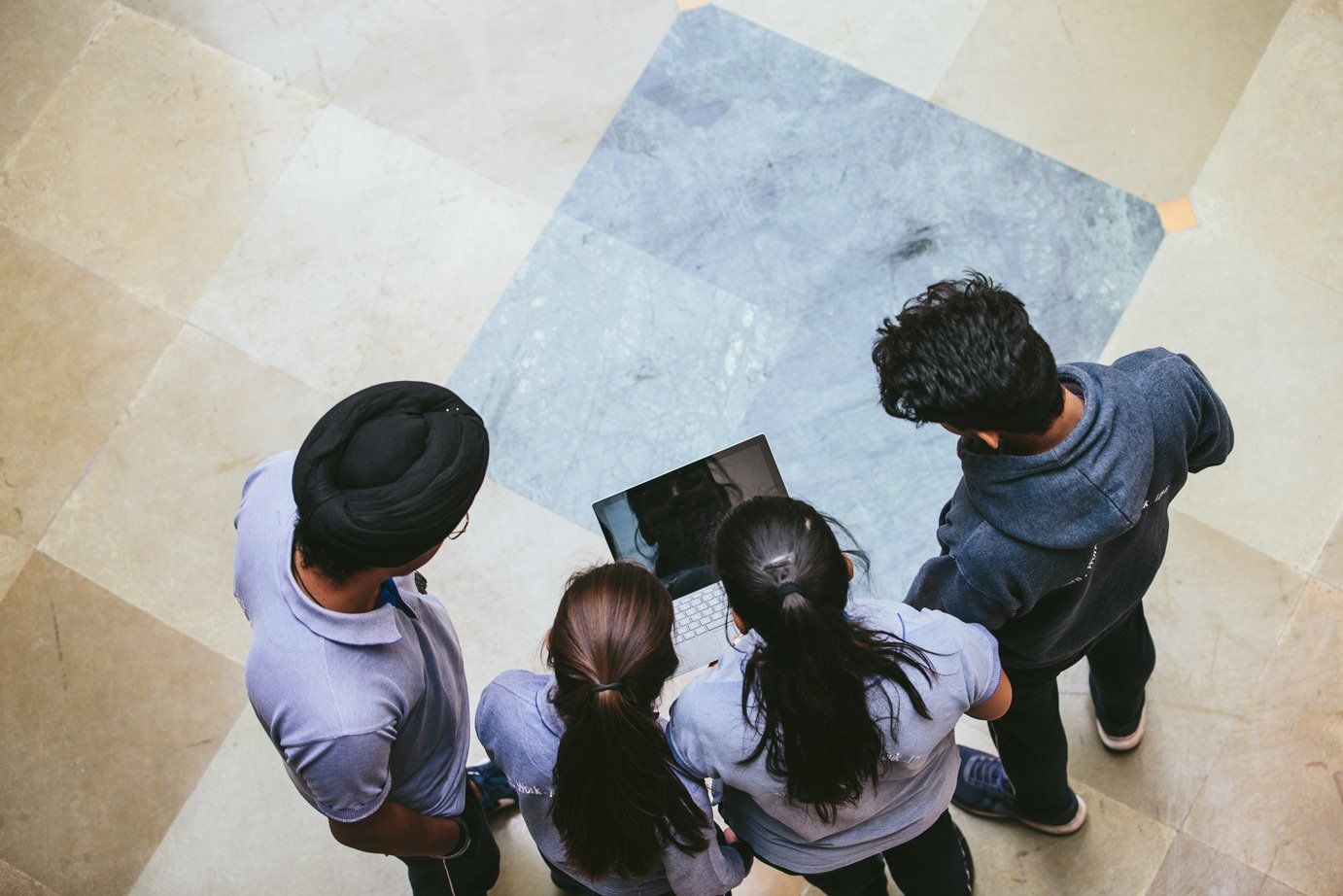
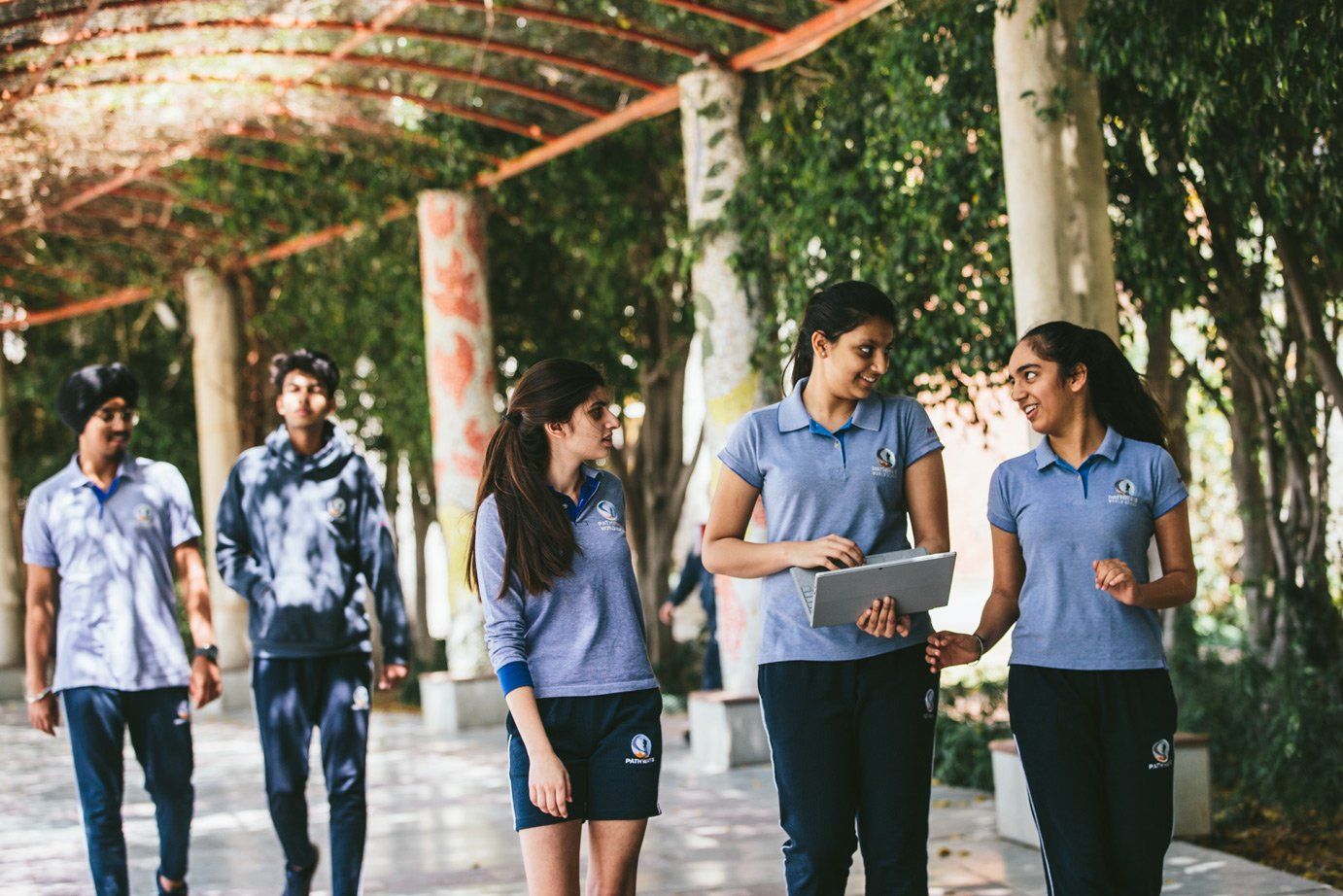
No matter Mac or PC, our software plays a major role in shaping minds. We see this in quite a different context at the Pathways World School in Aravali, India, which showcases deep integration of technology in education with Microsoft systems at the core.
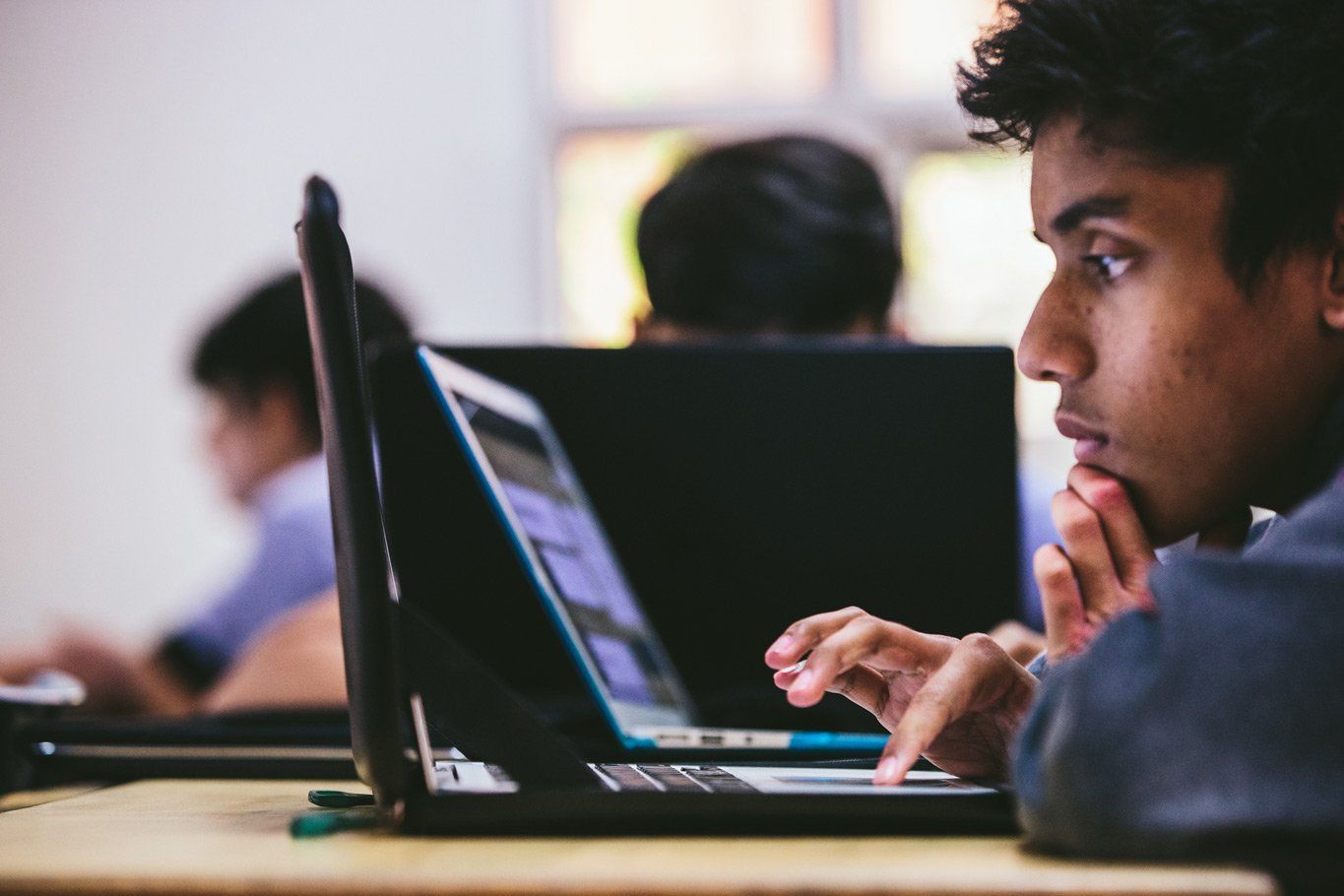
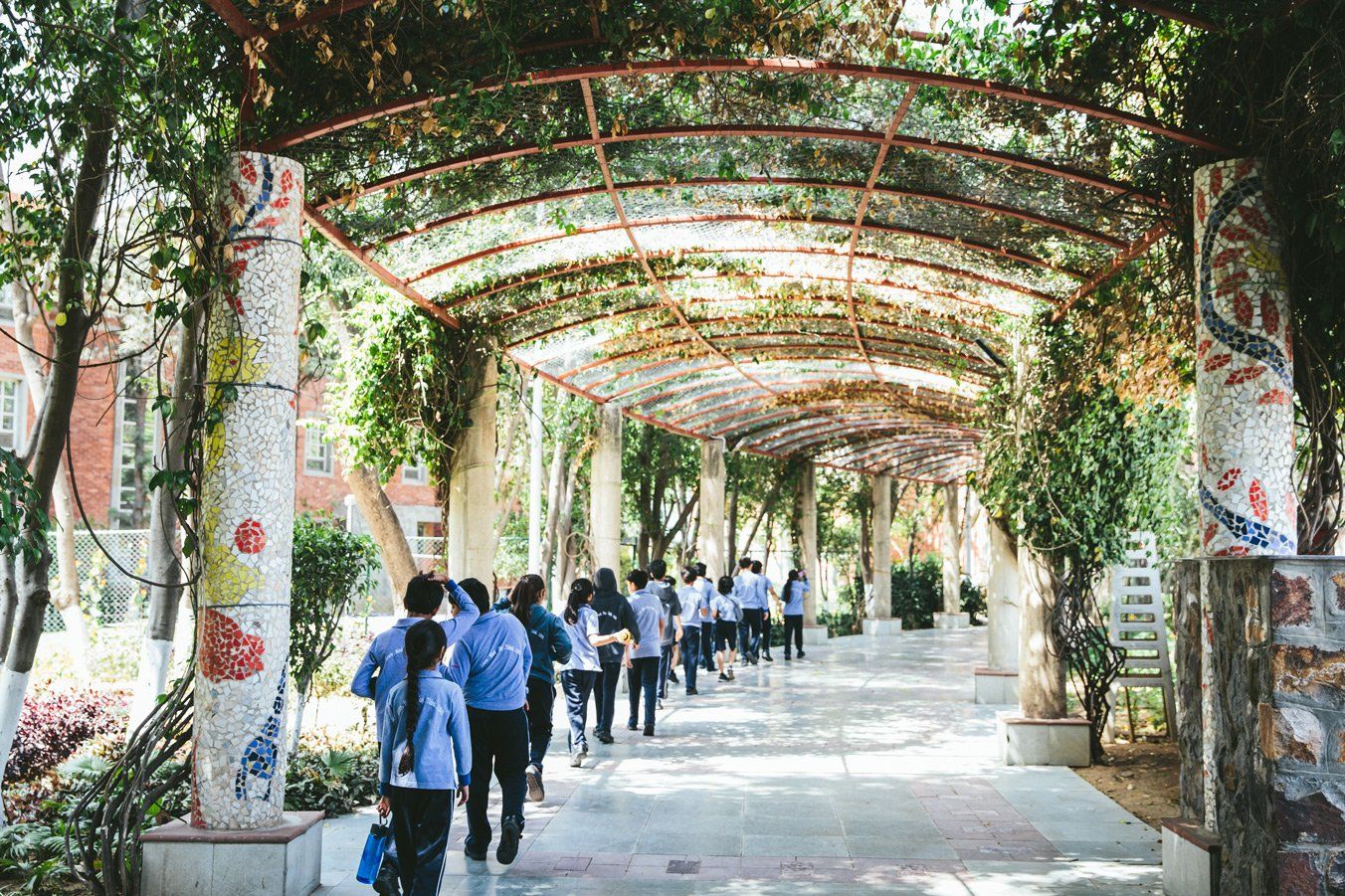
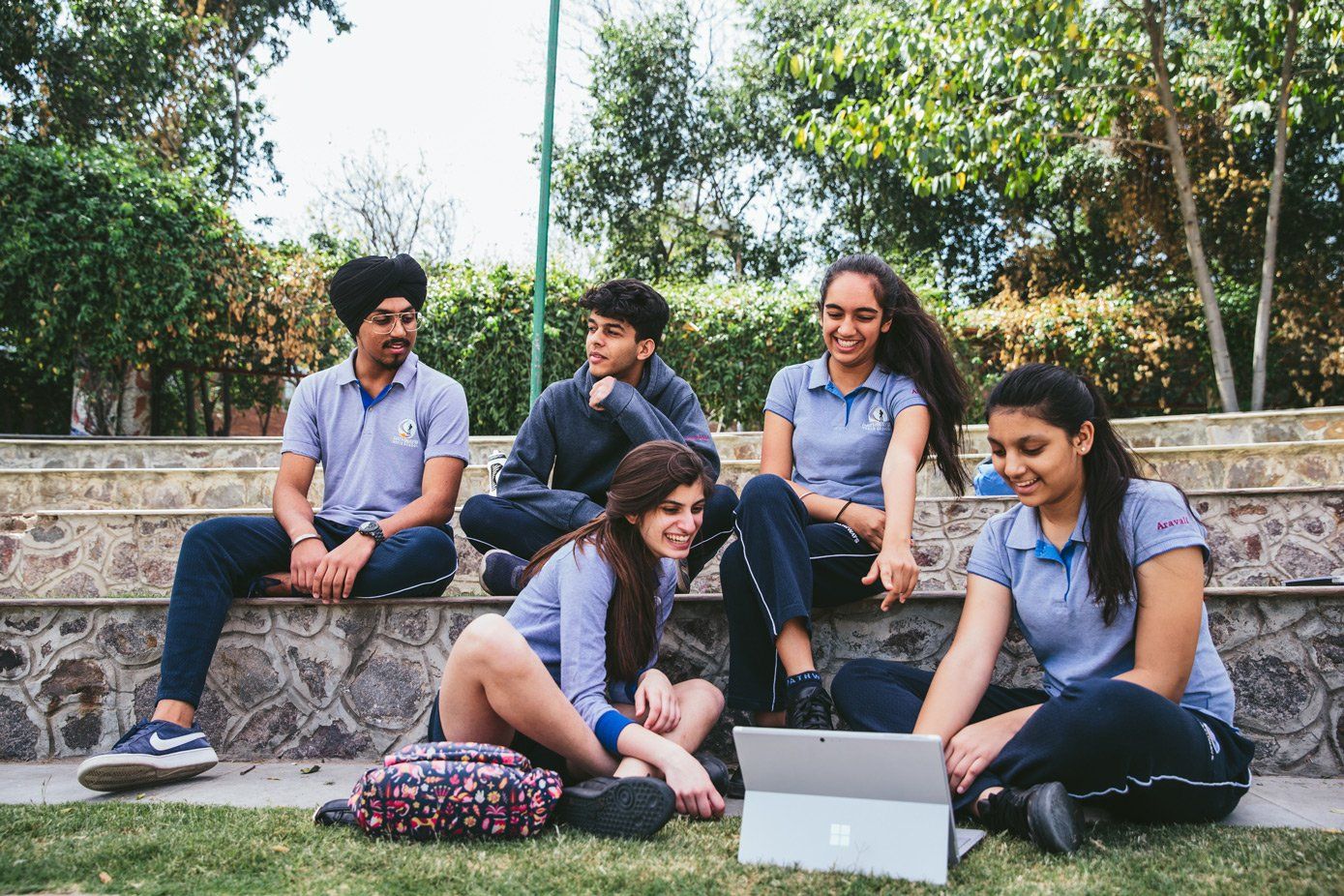
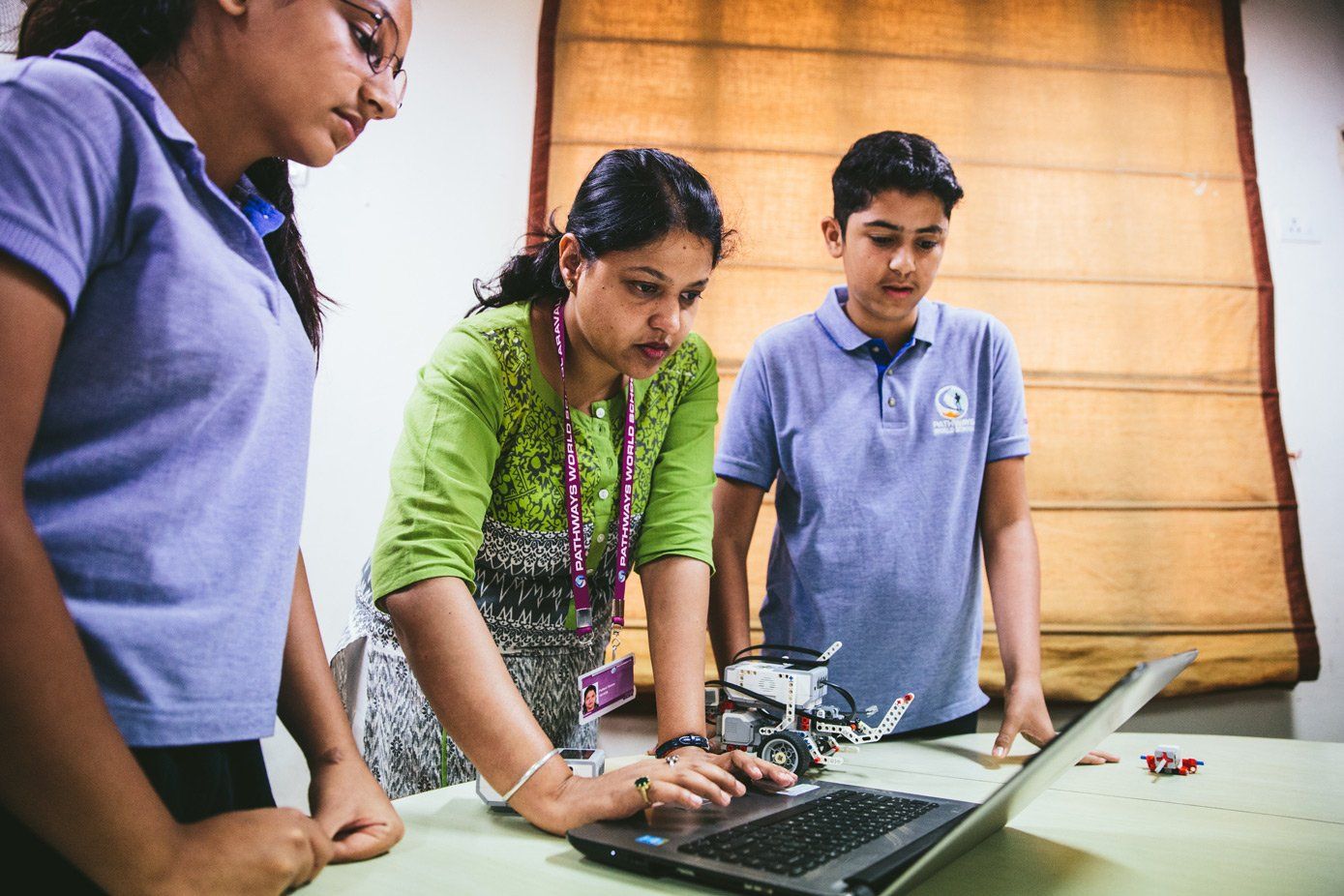


View more
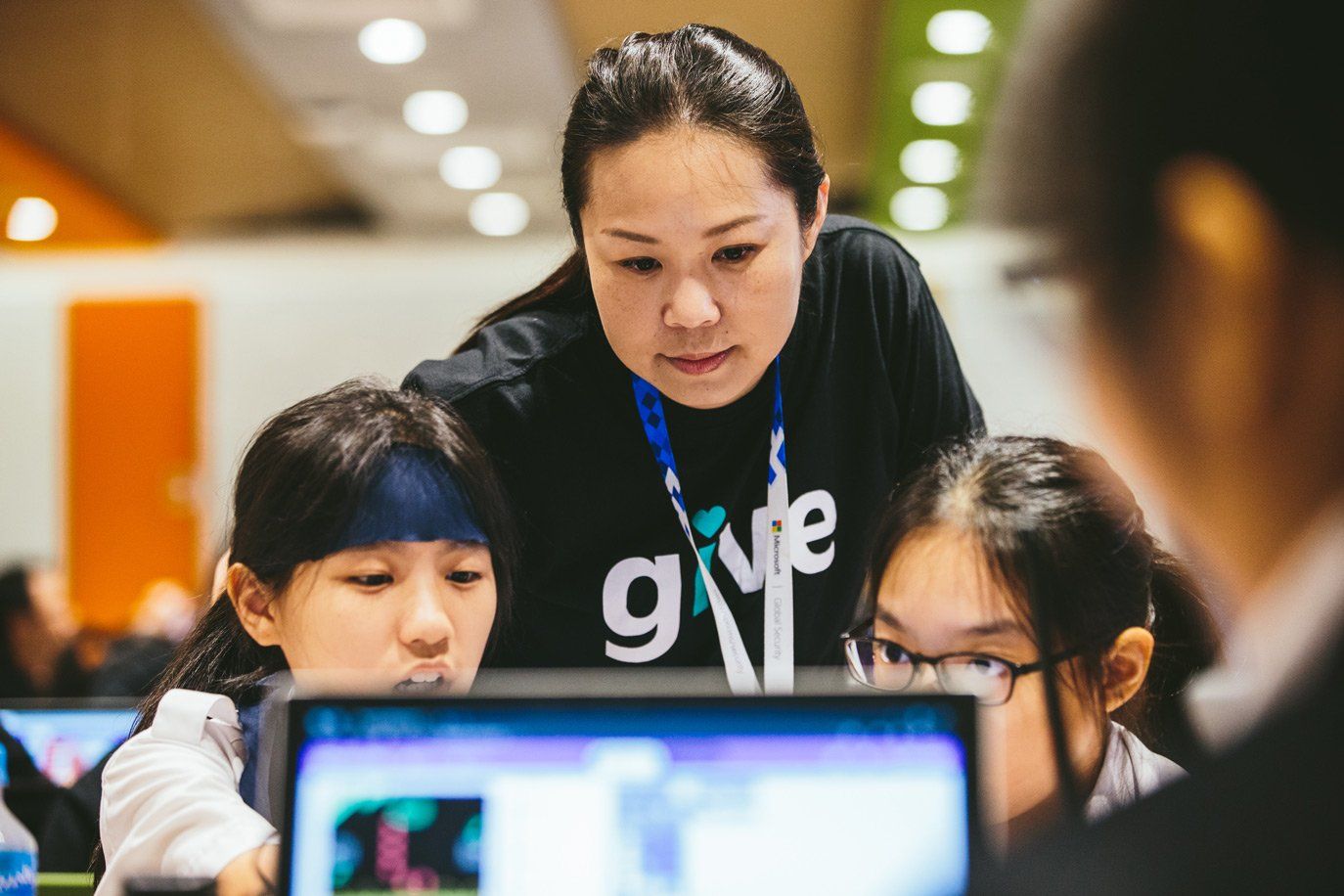
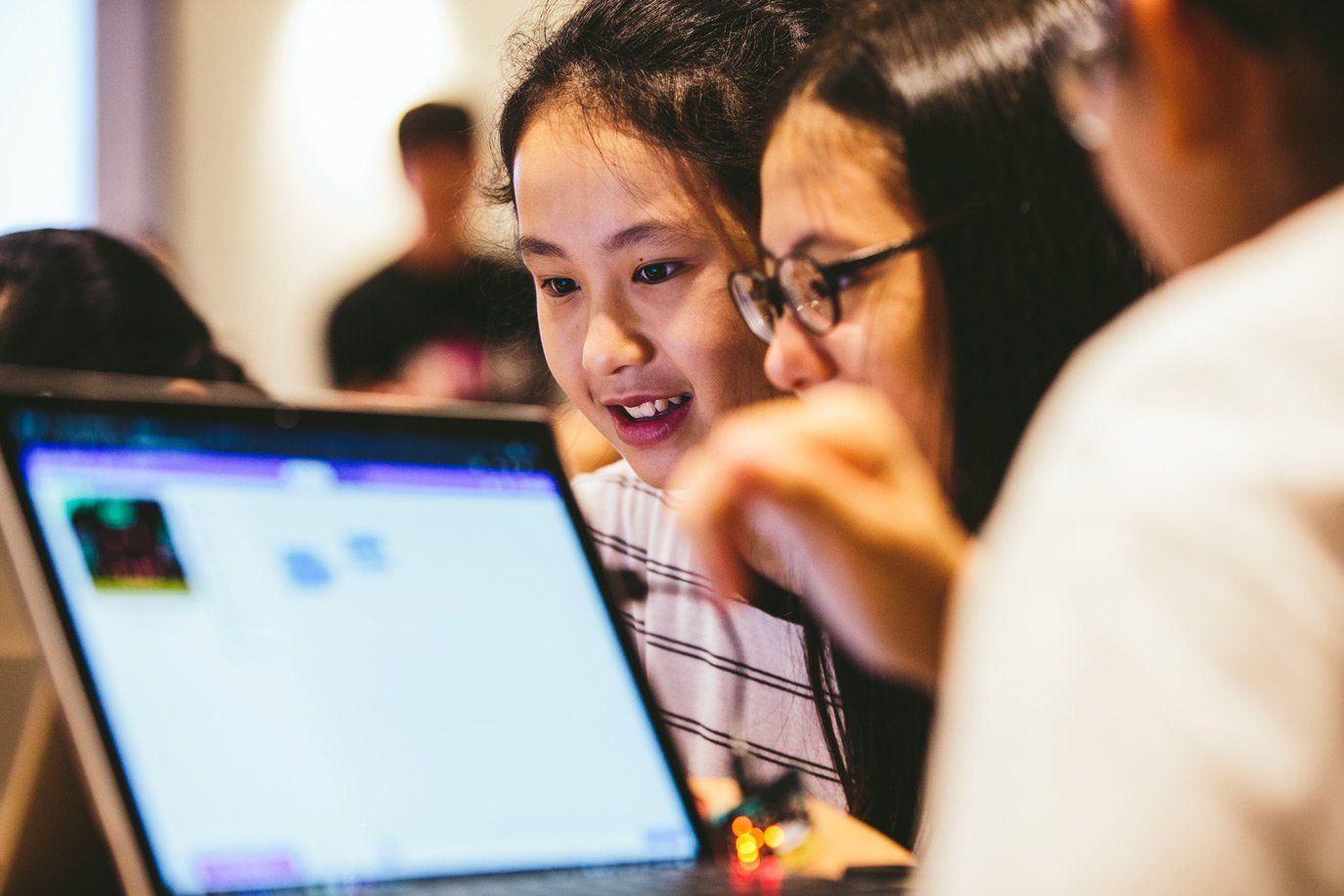
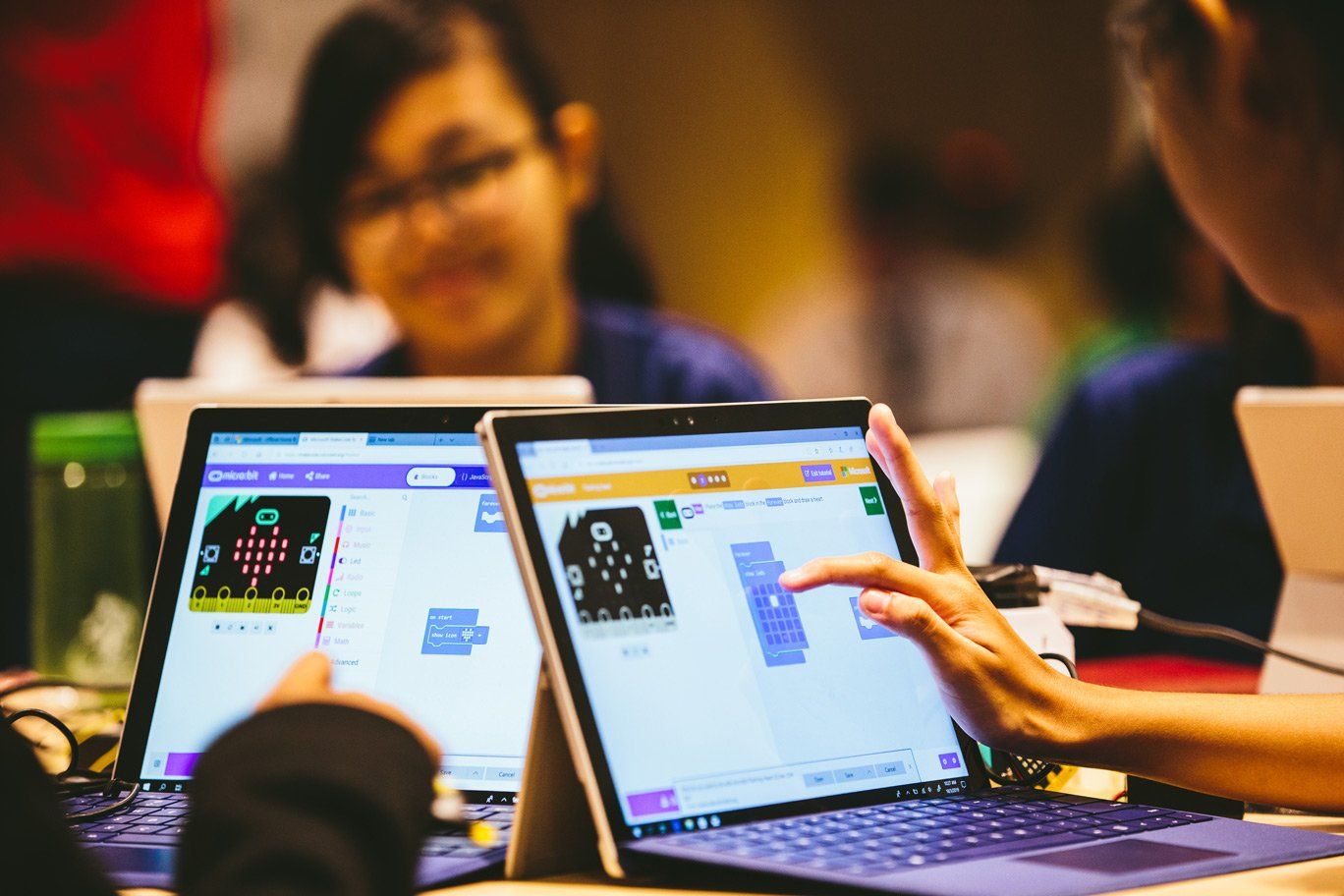
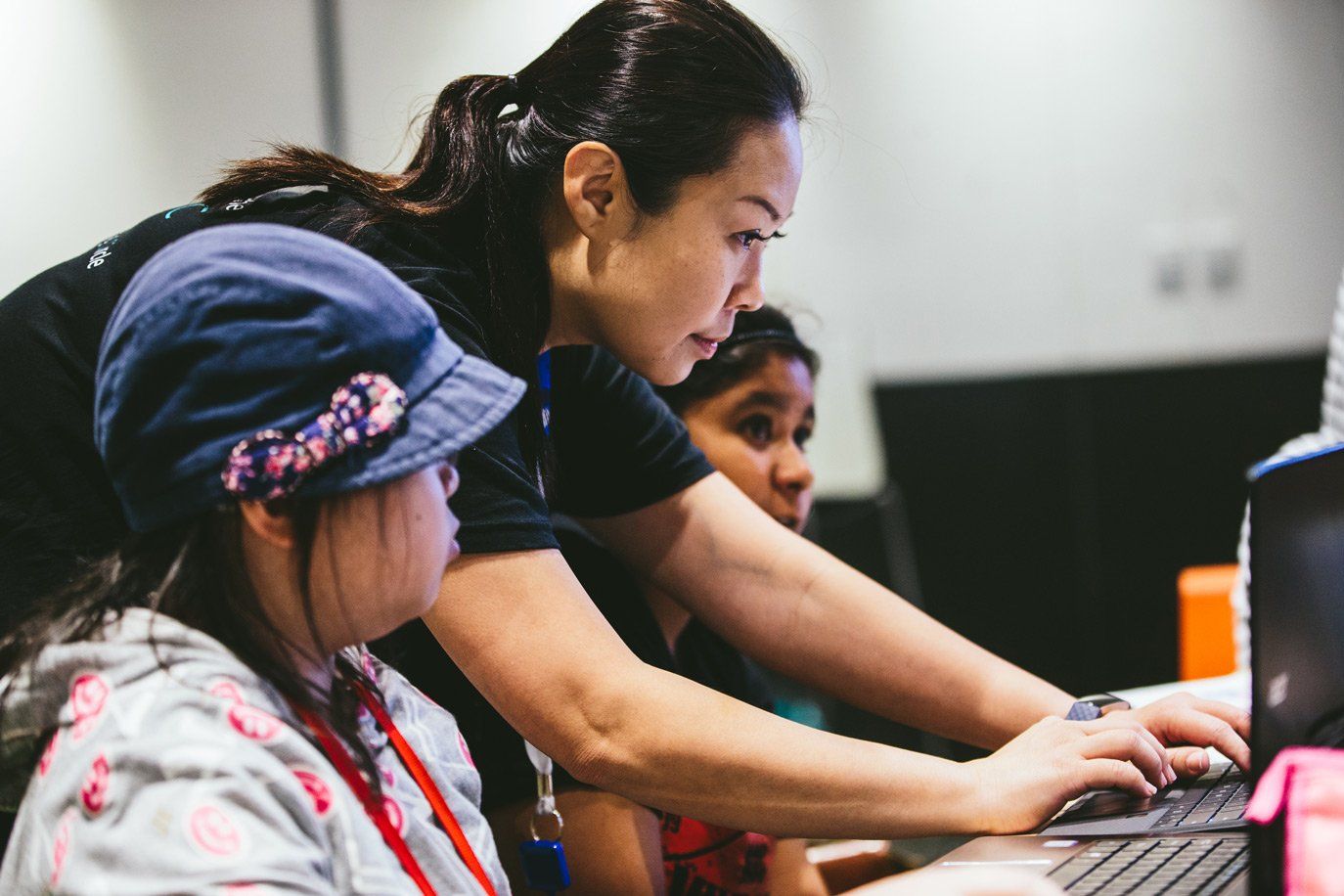
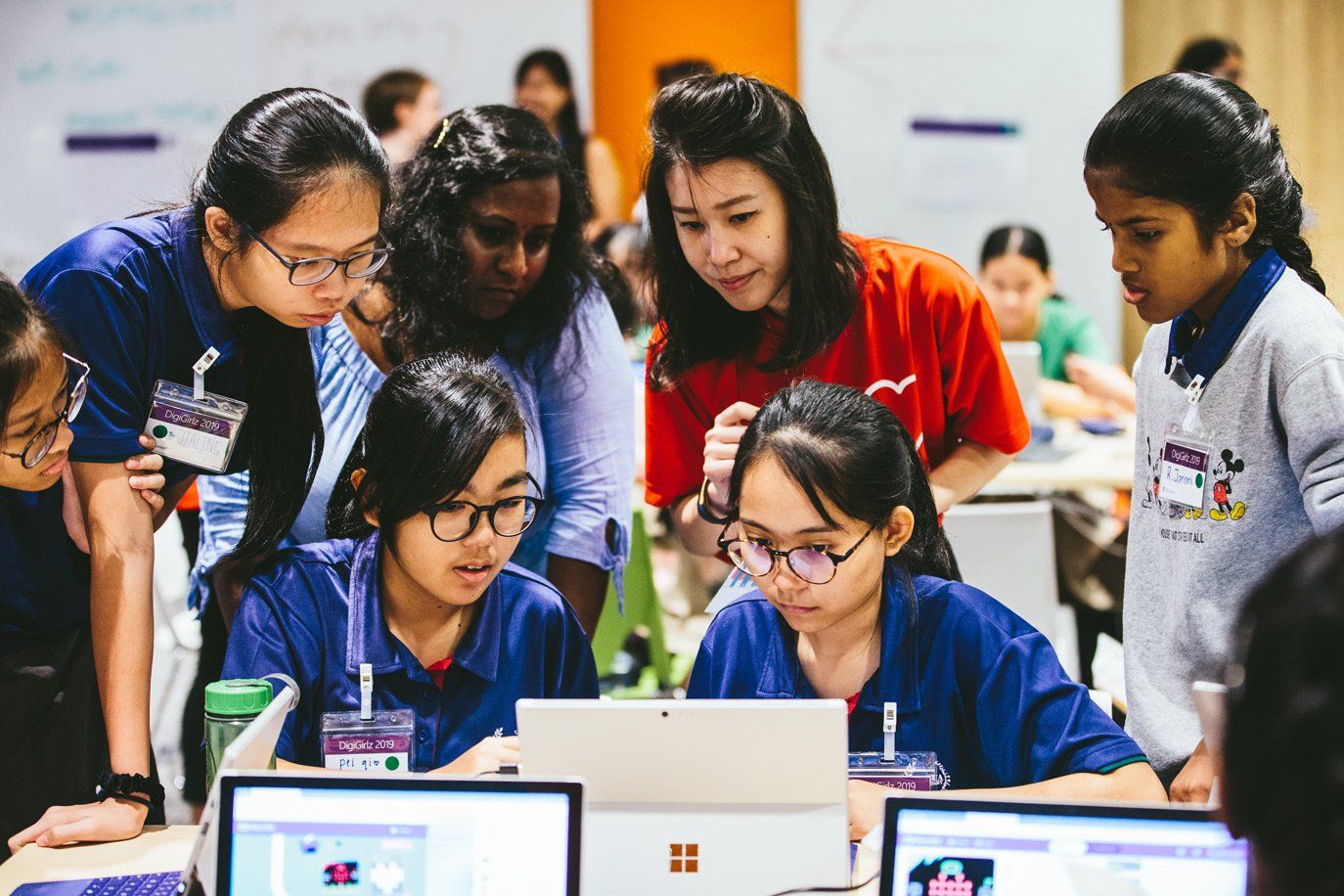
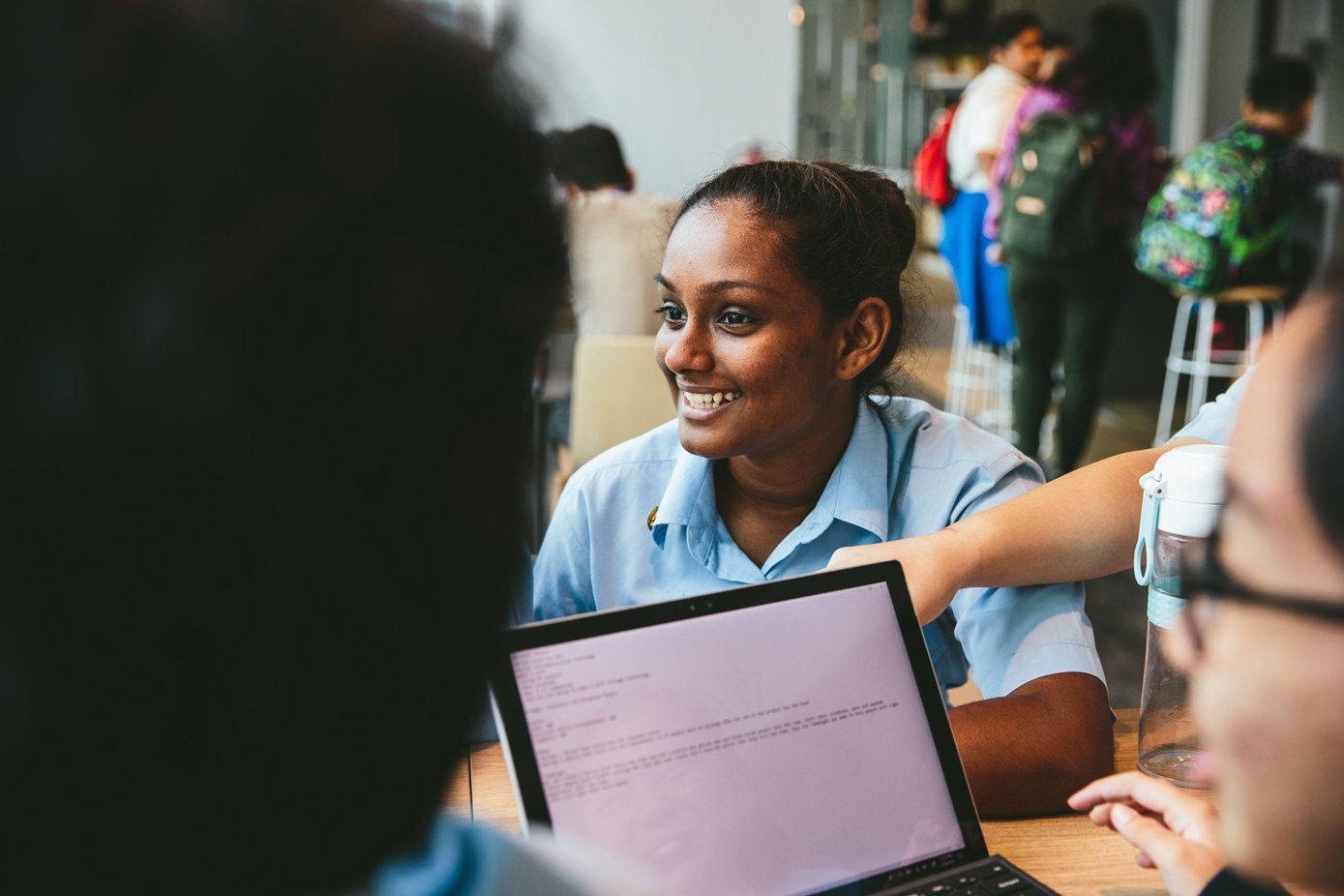
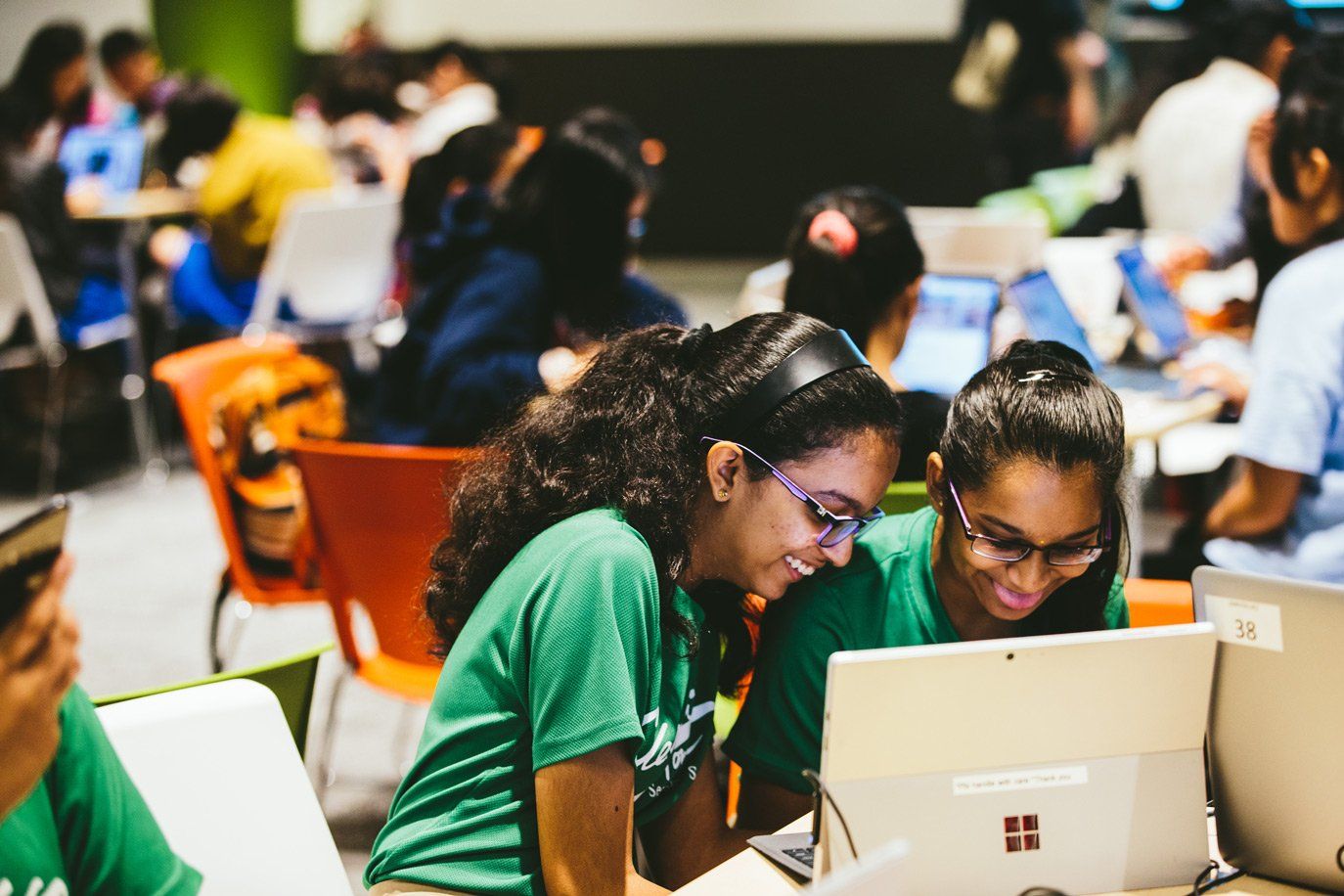
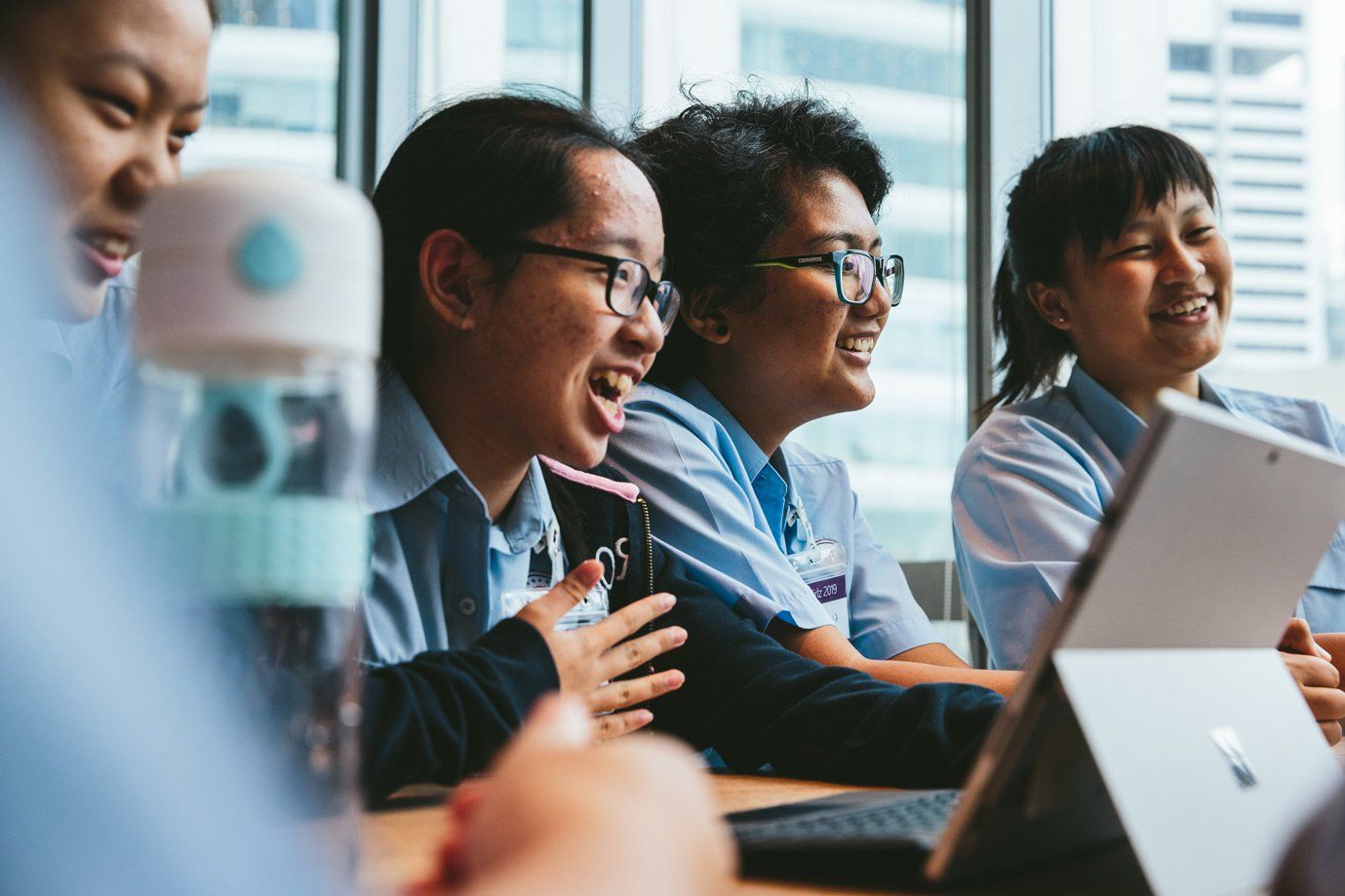
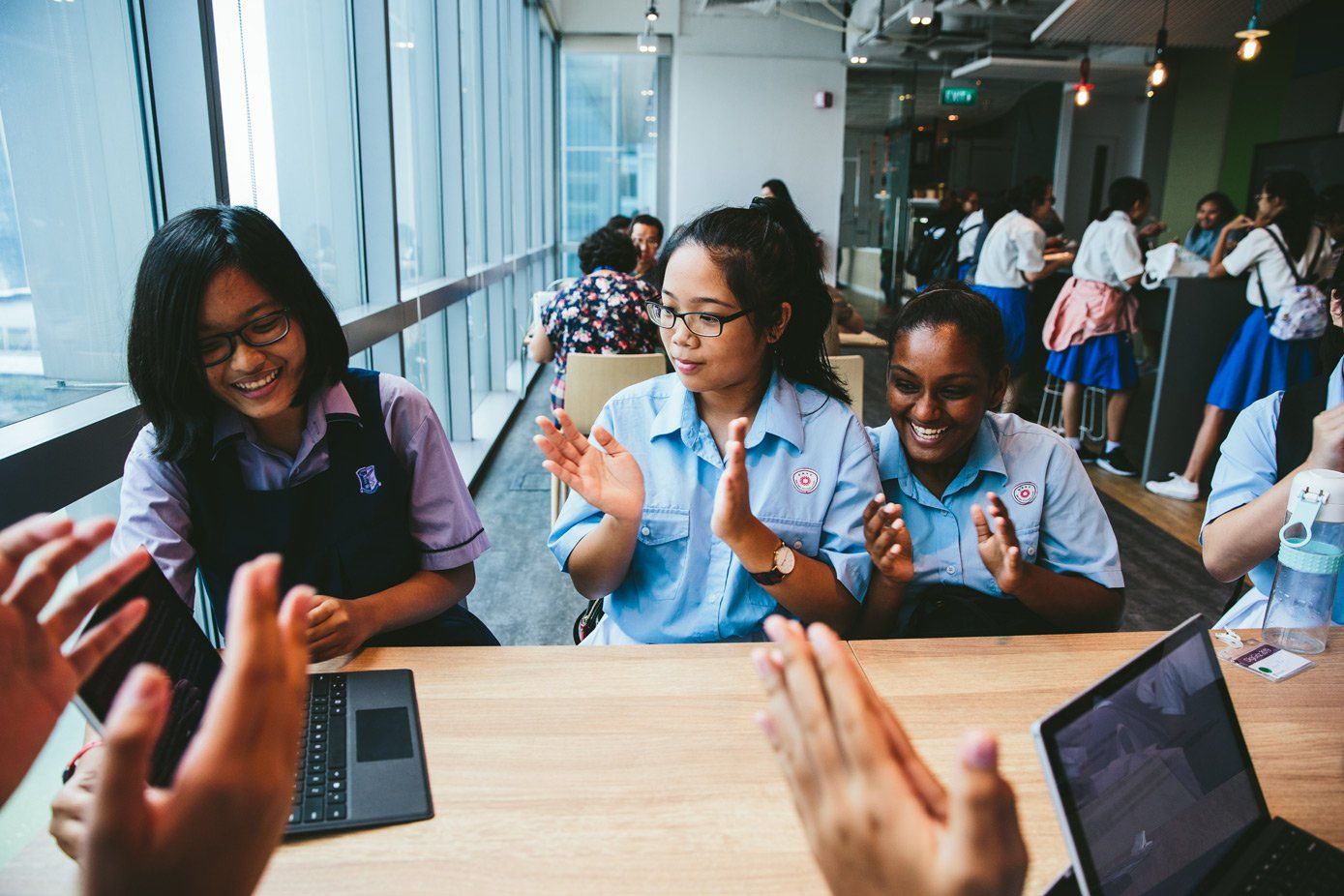
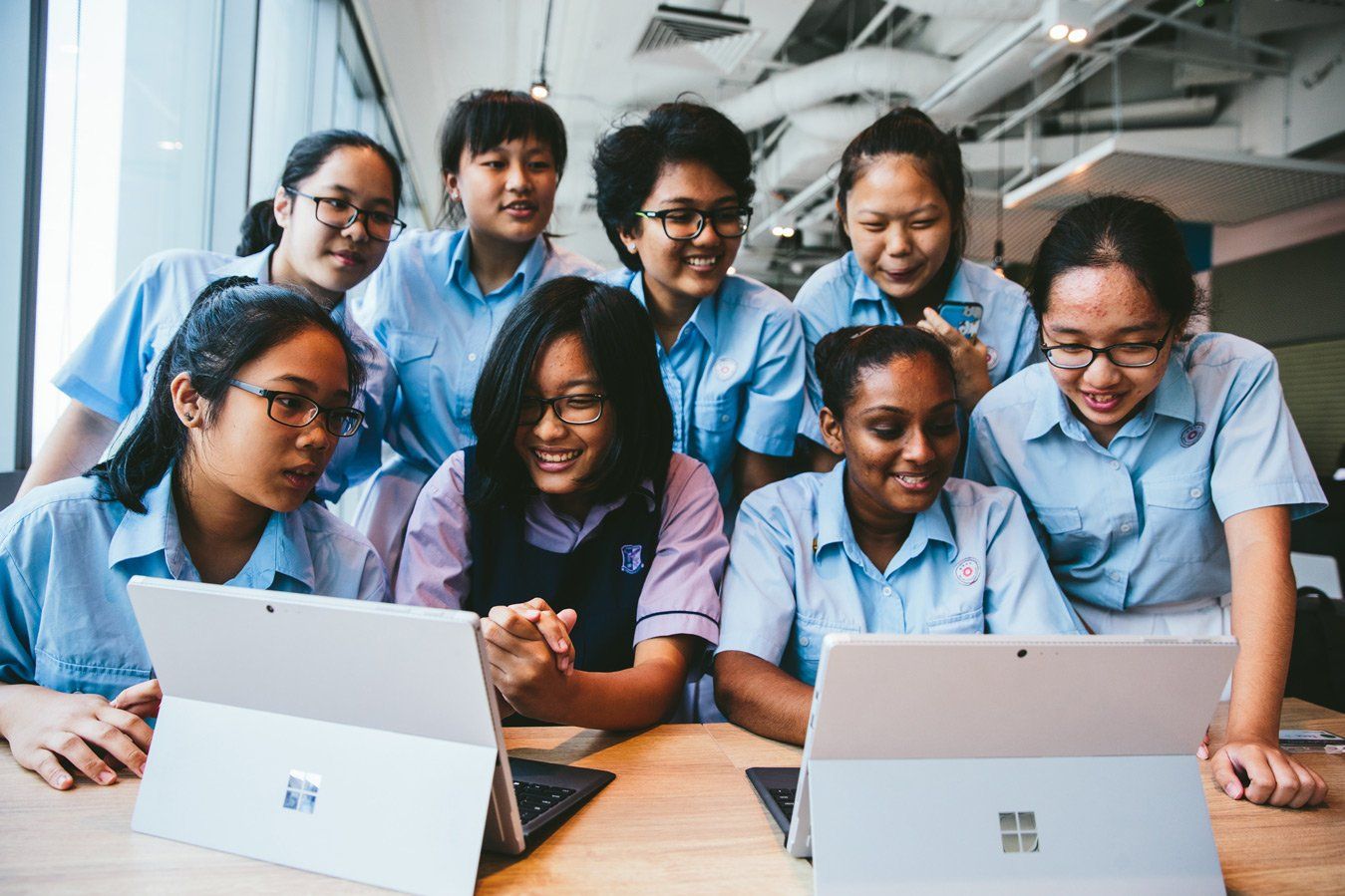
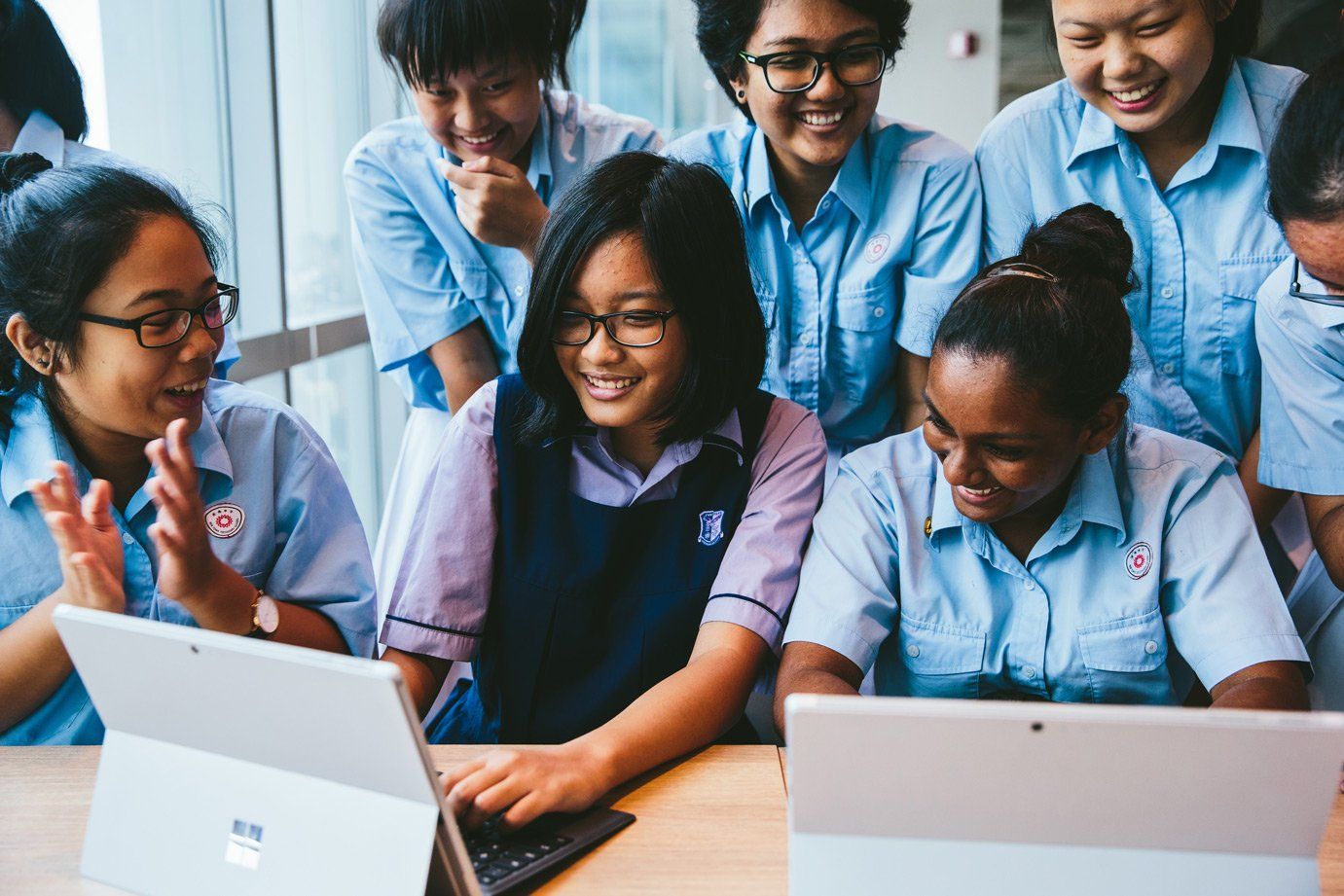
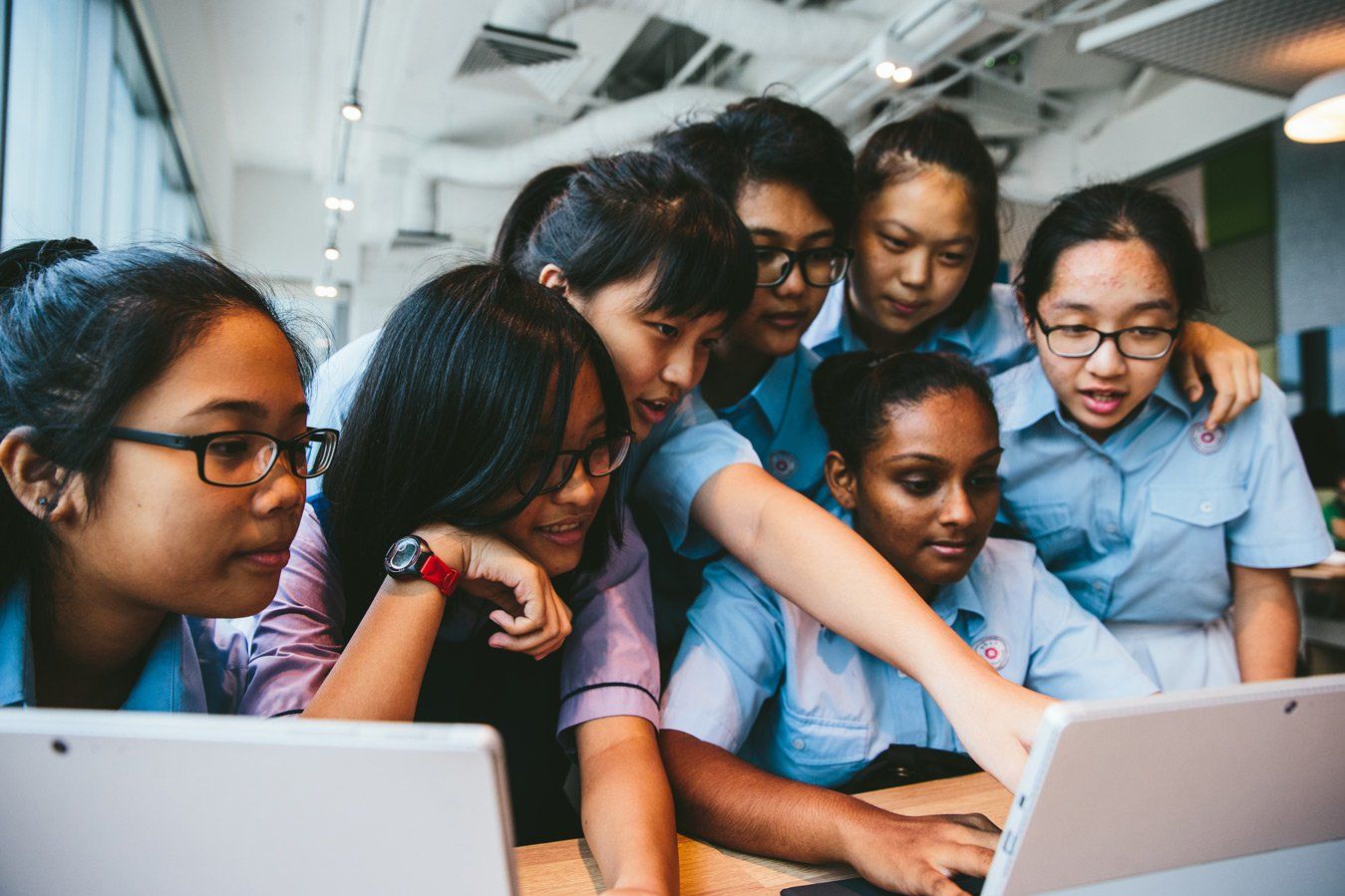
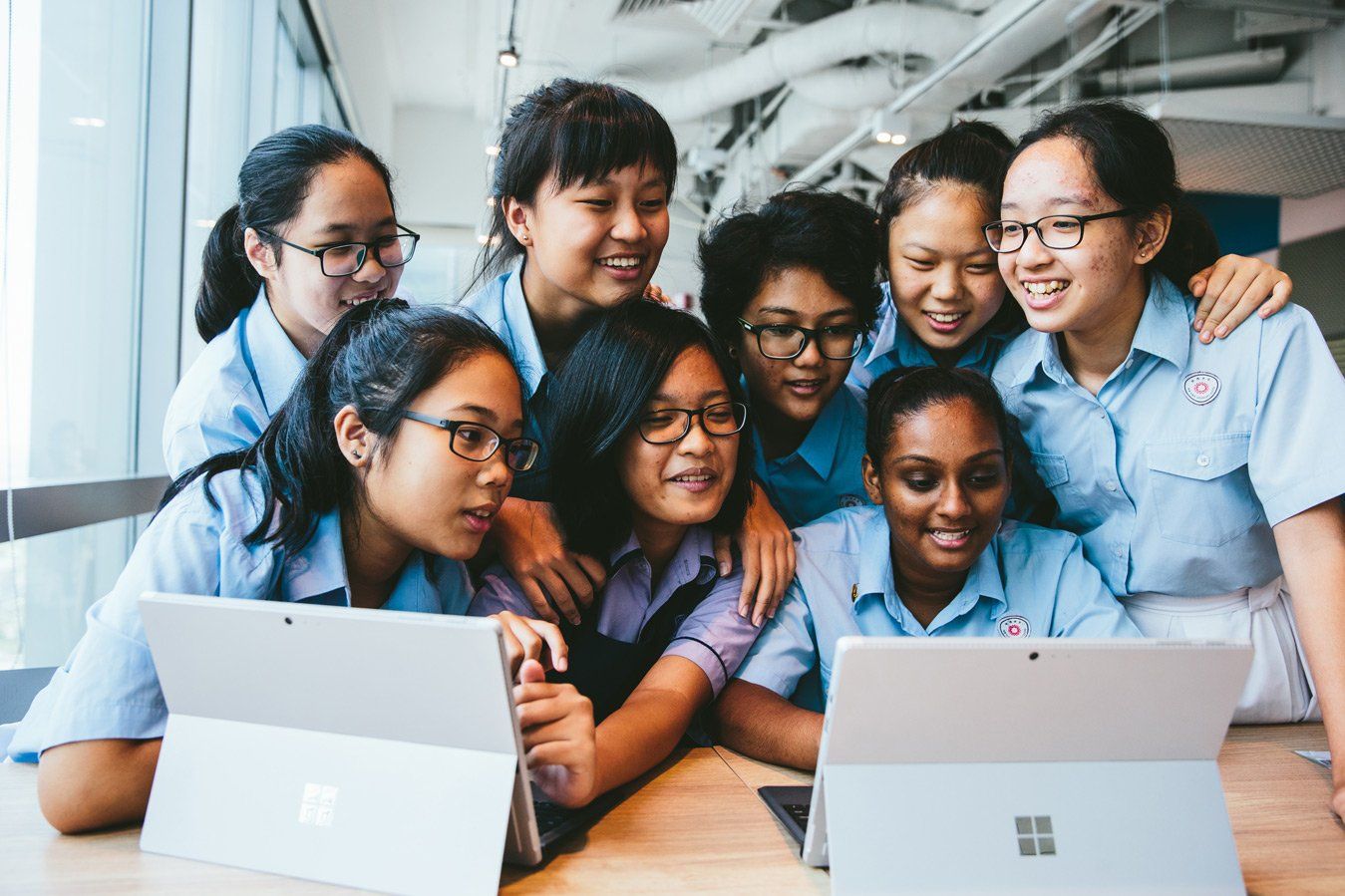
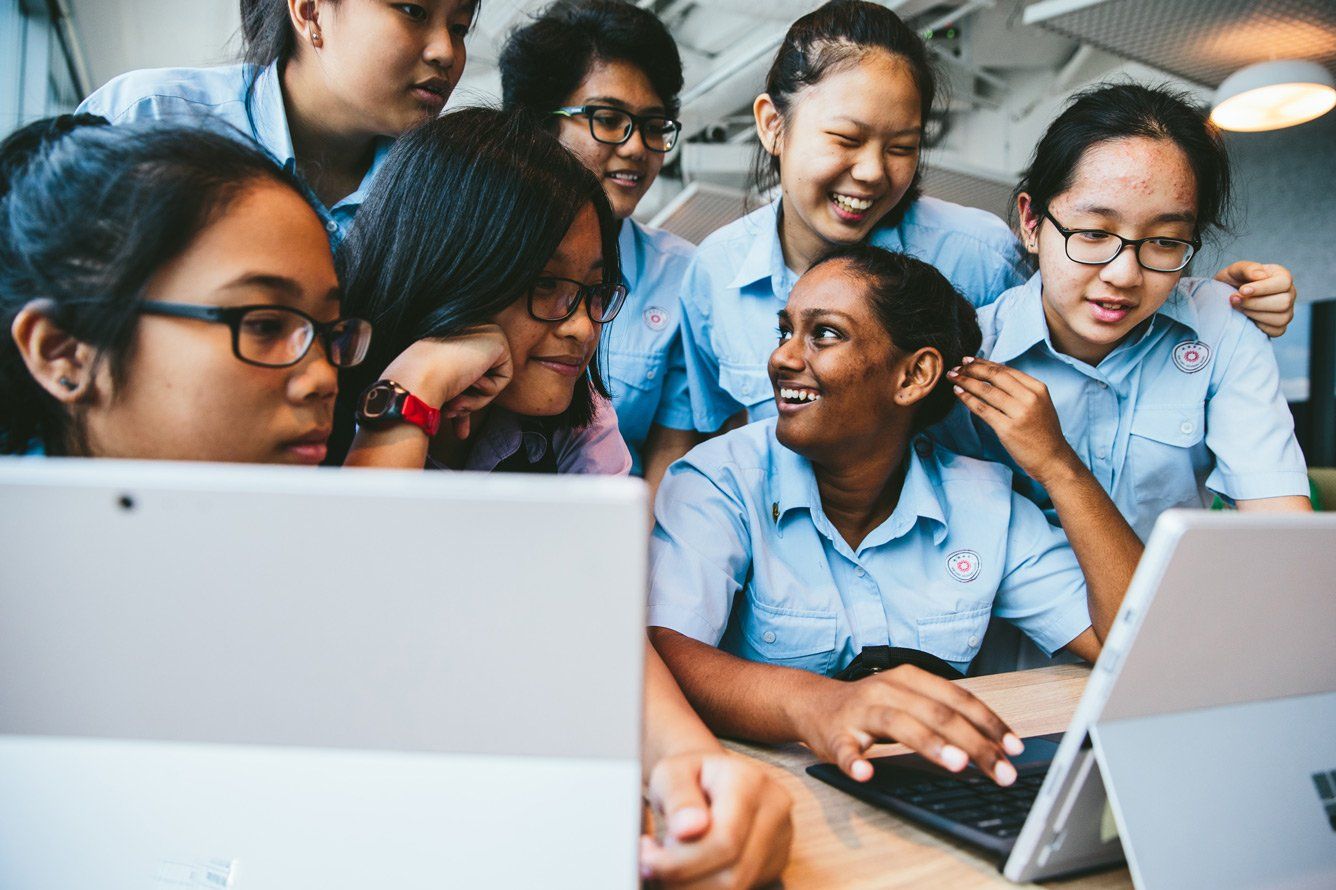
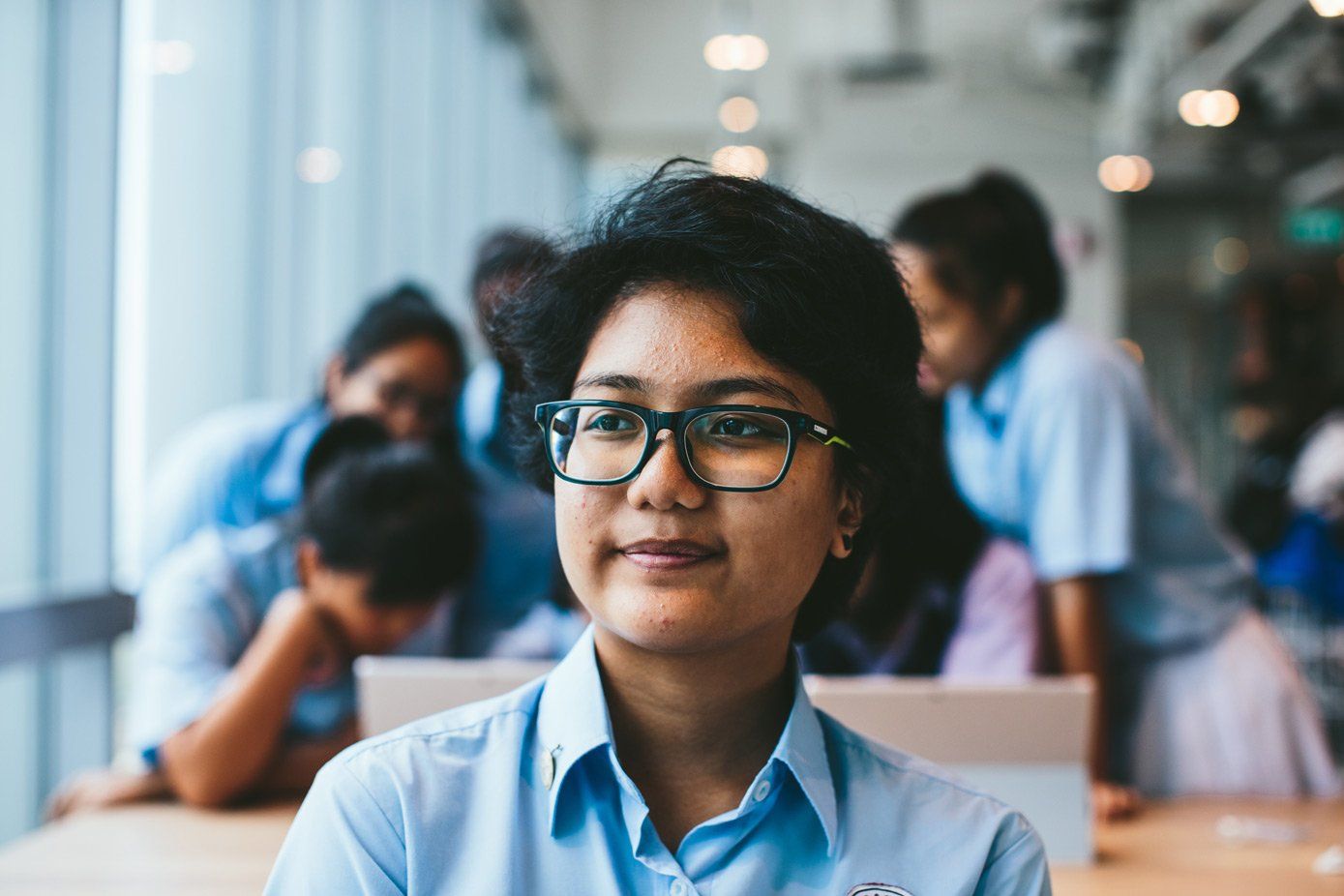
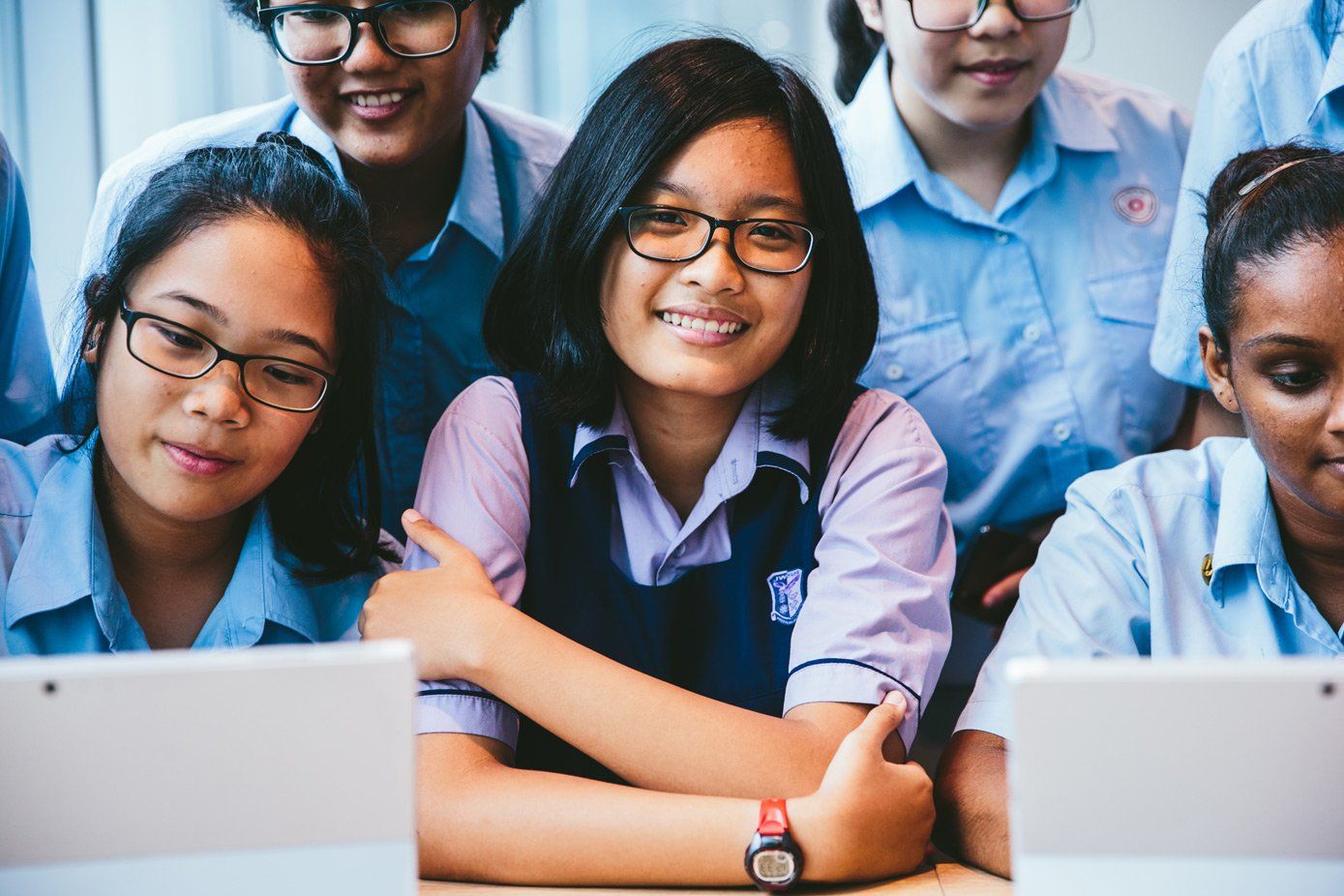
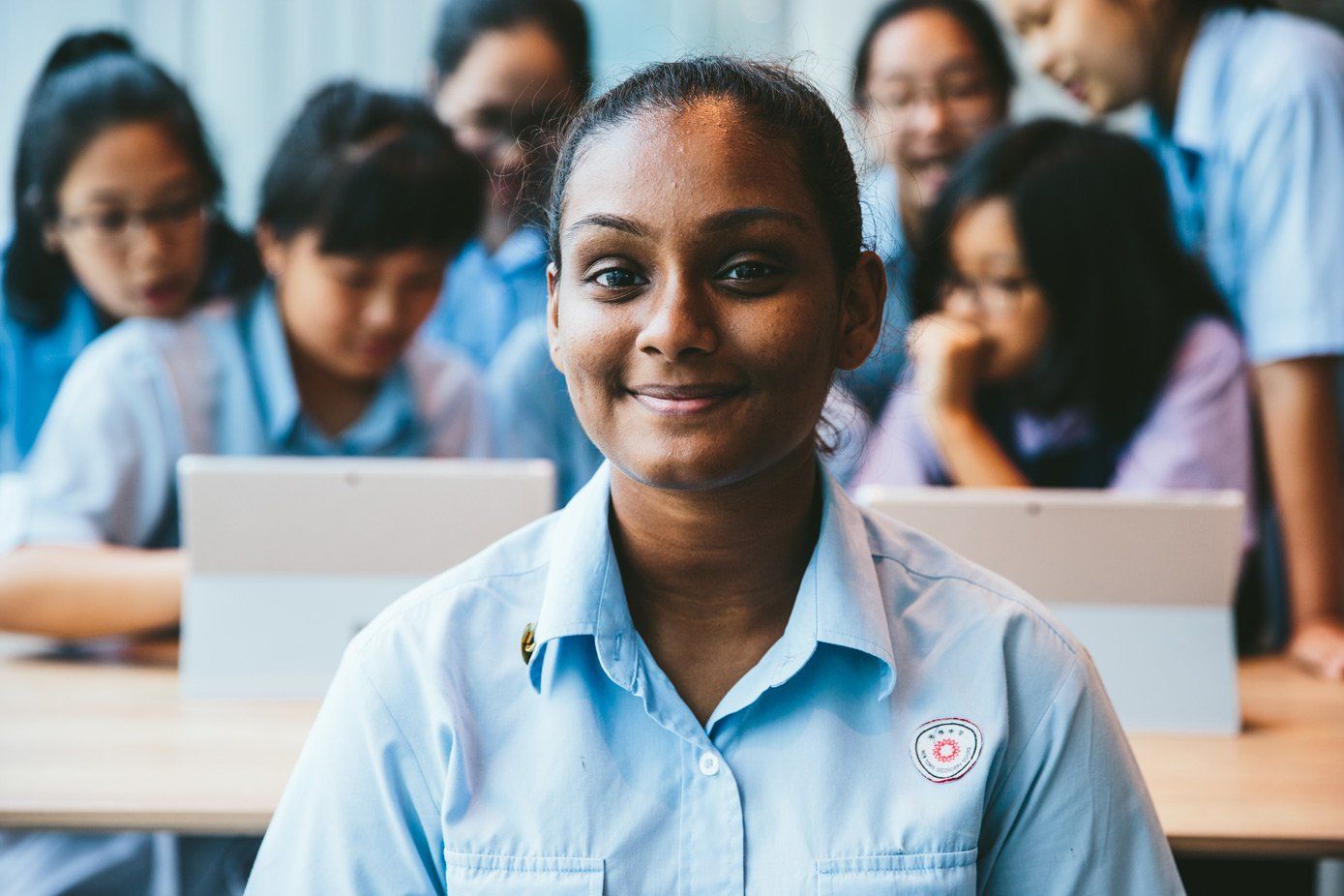
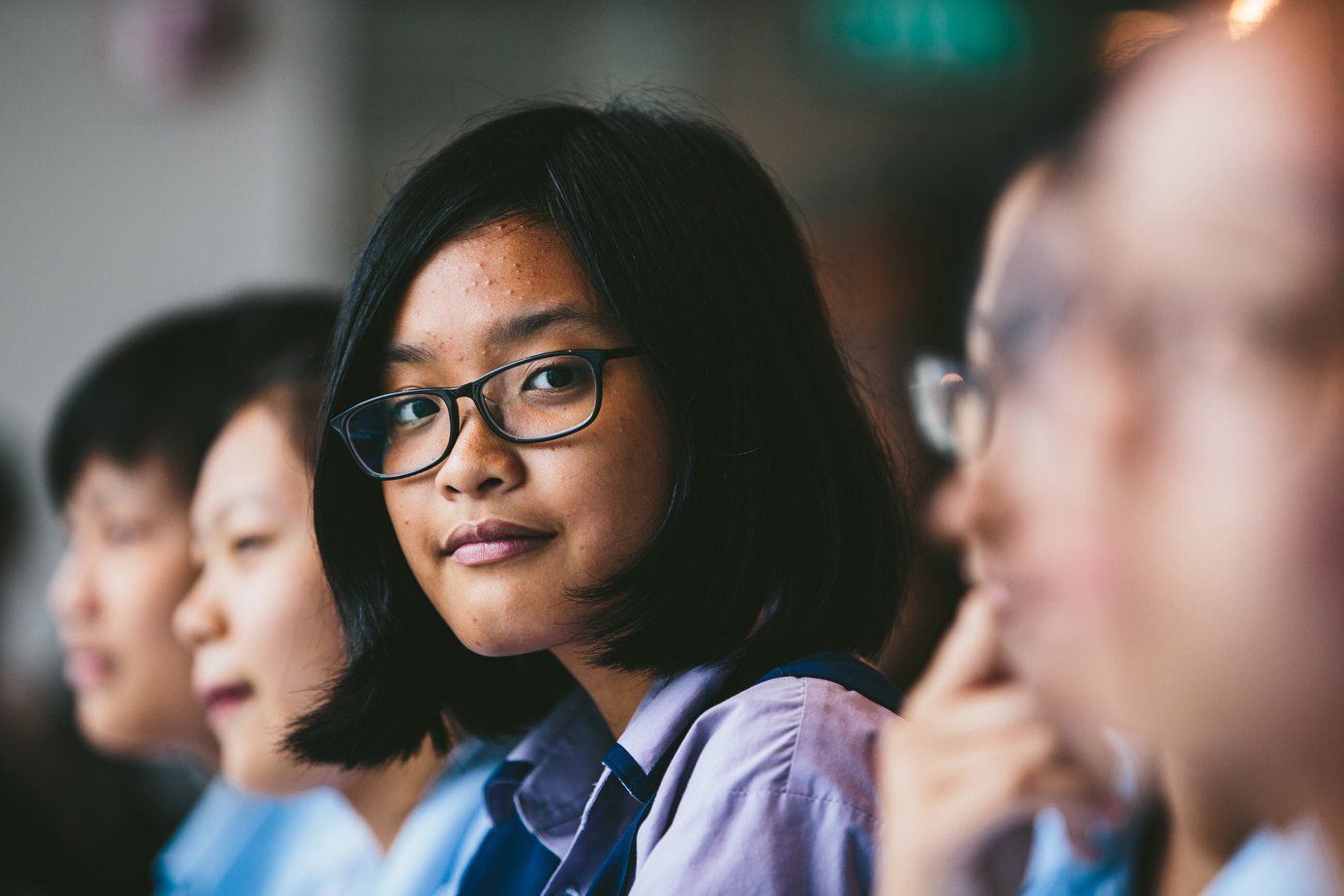
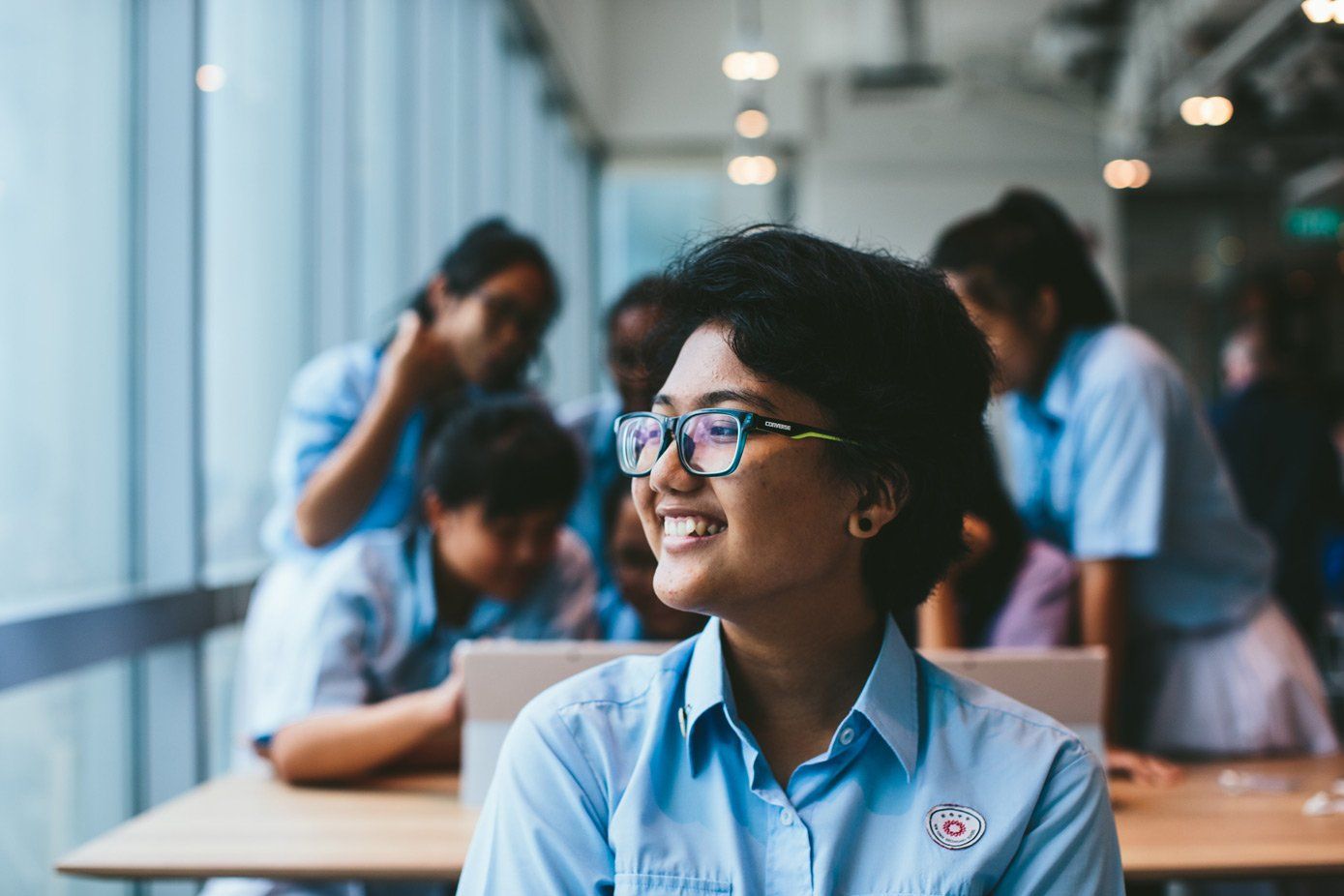
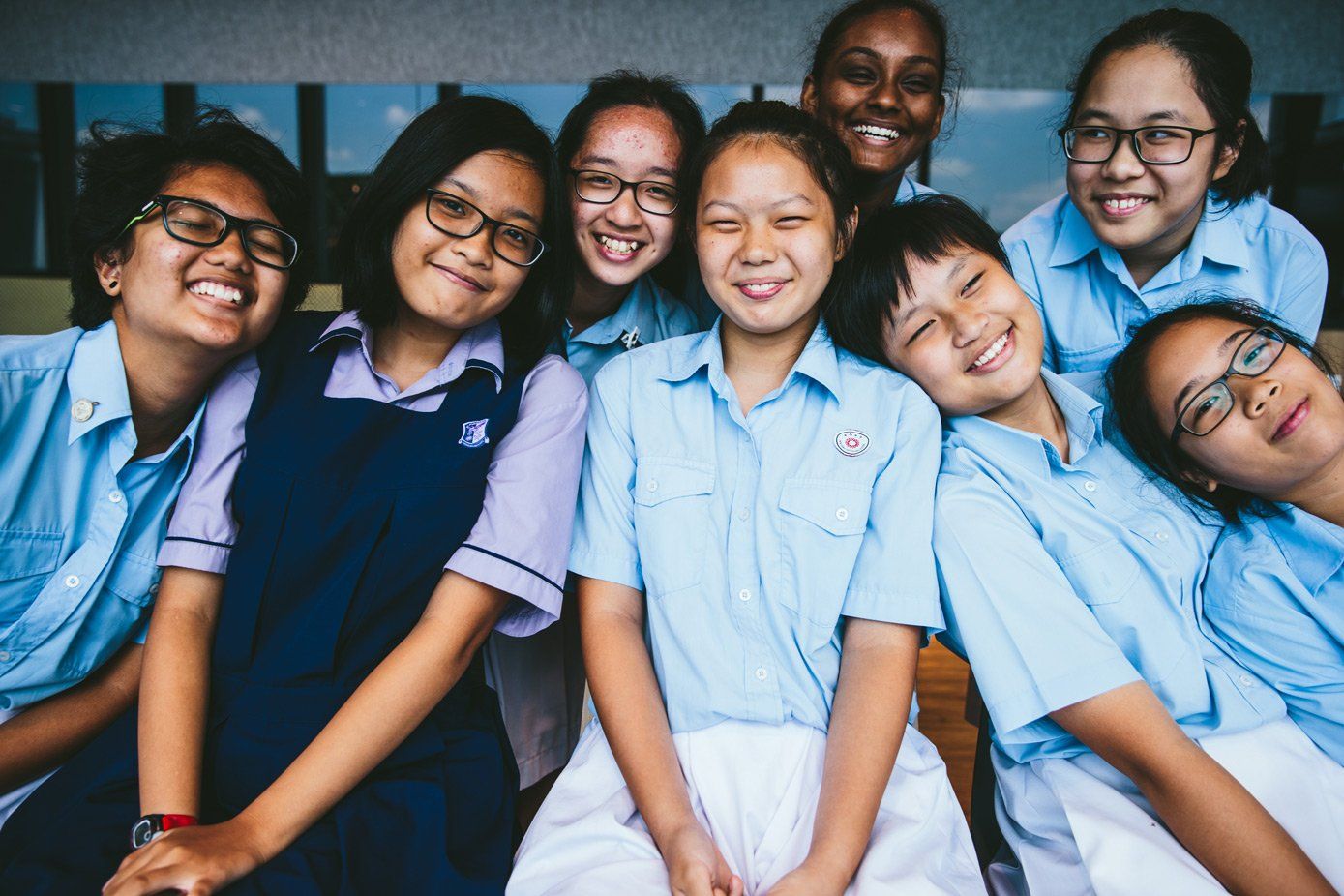
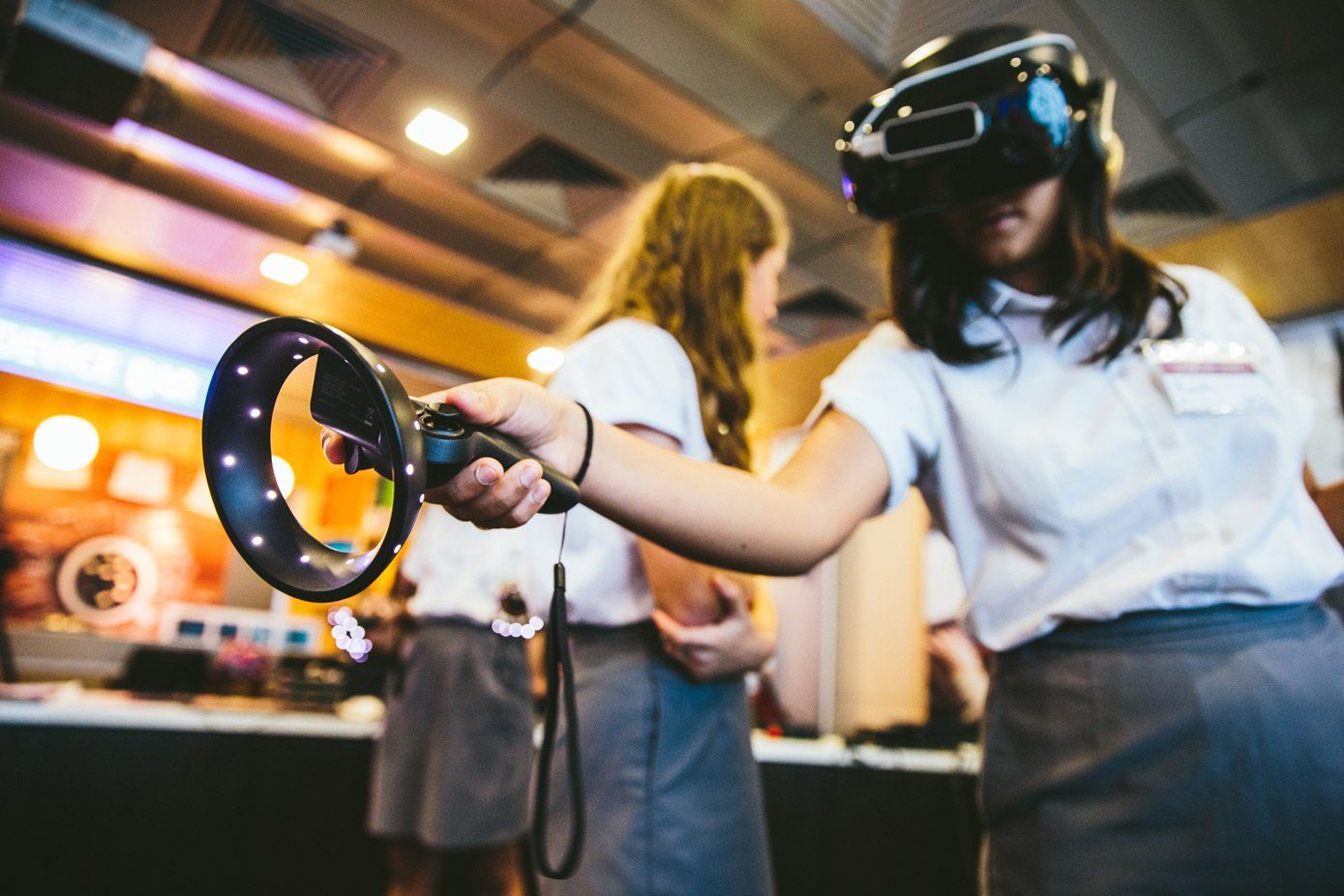
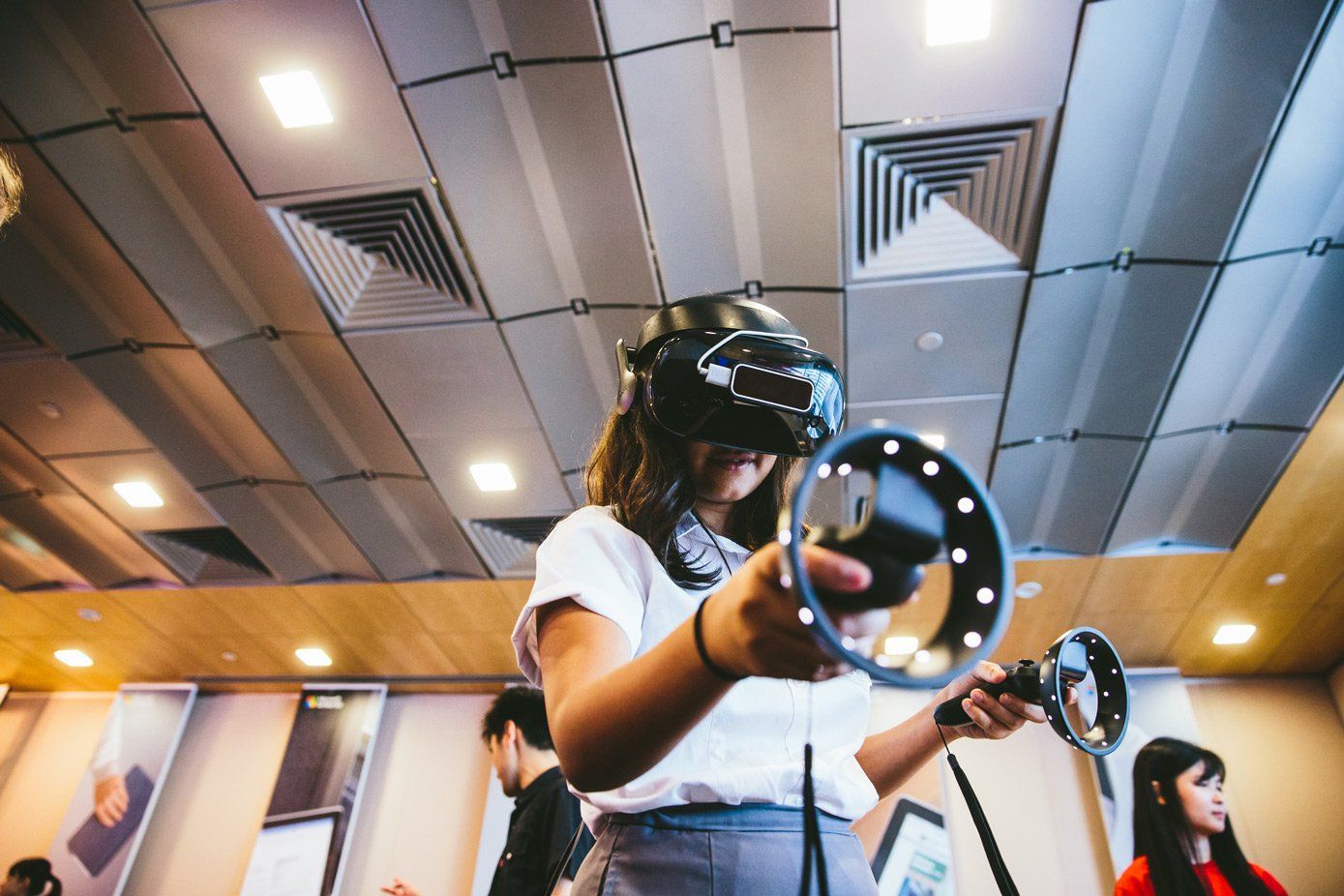
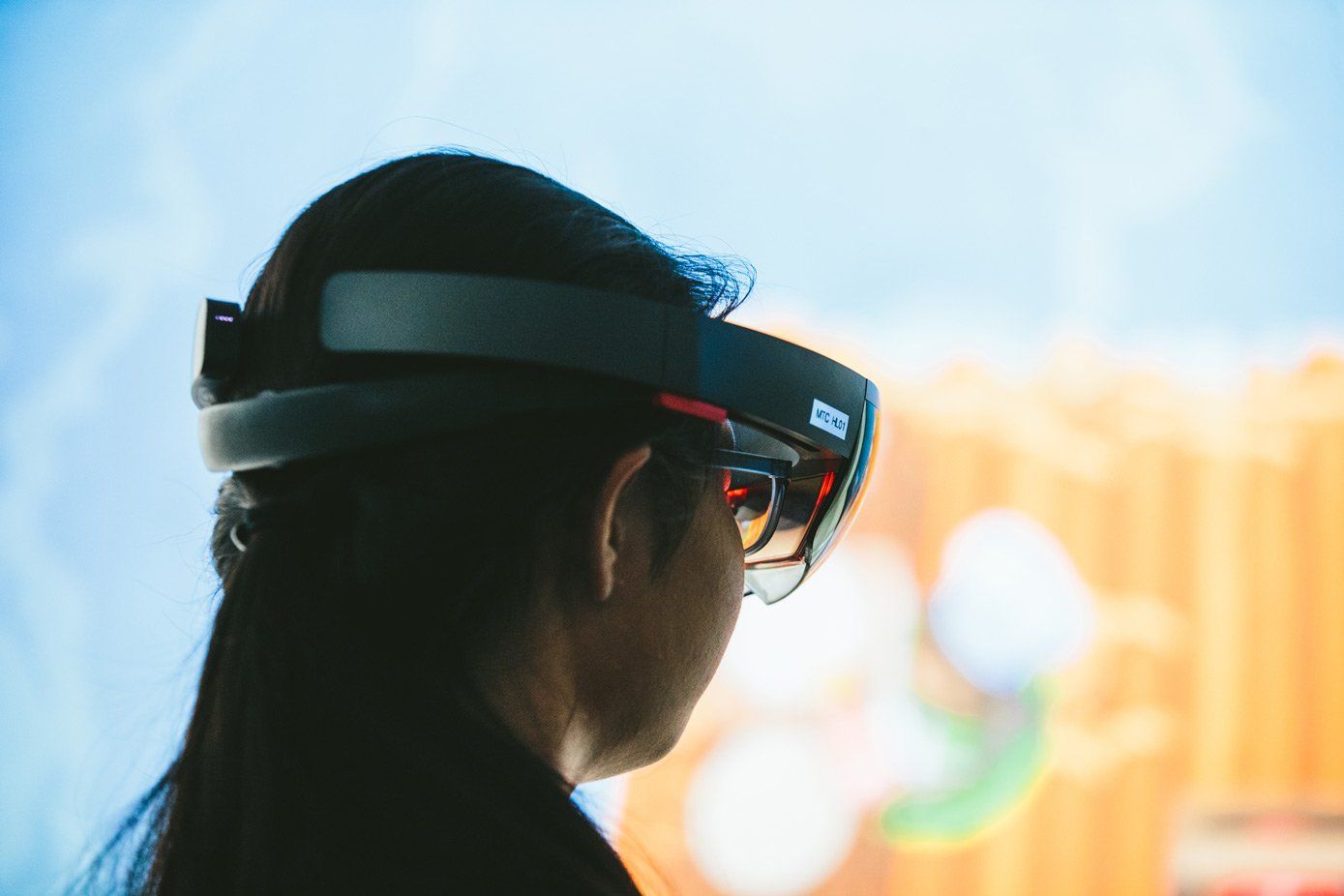
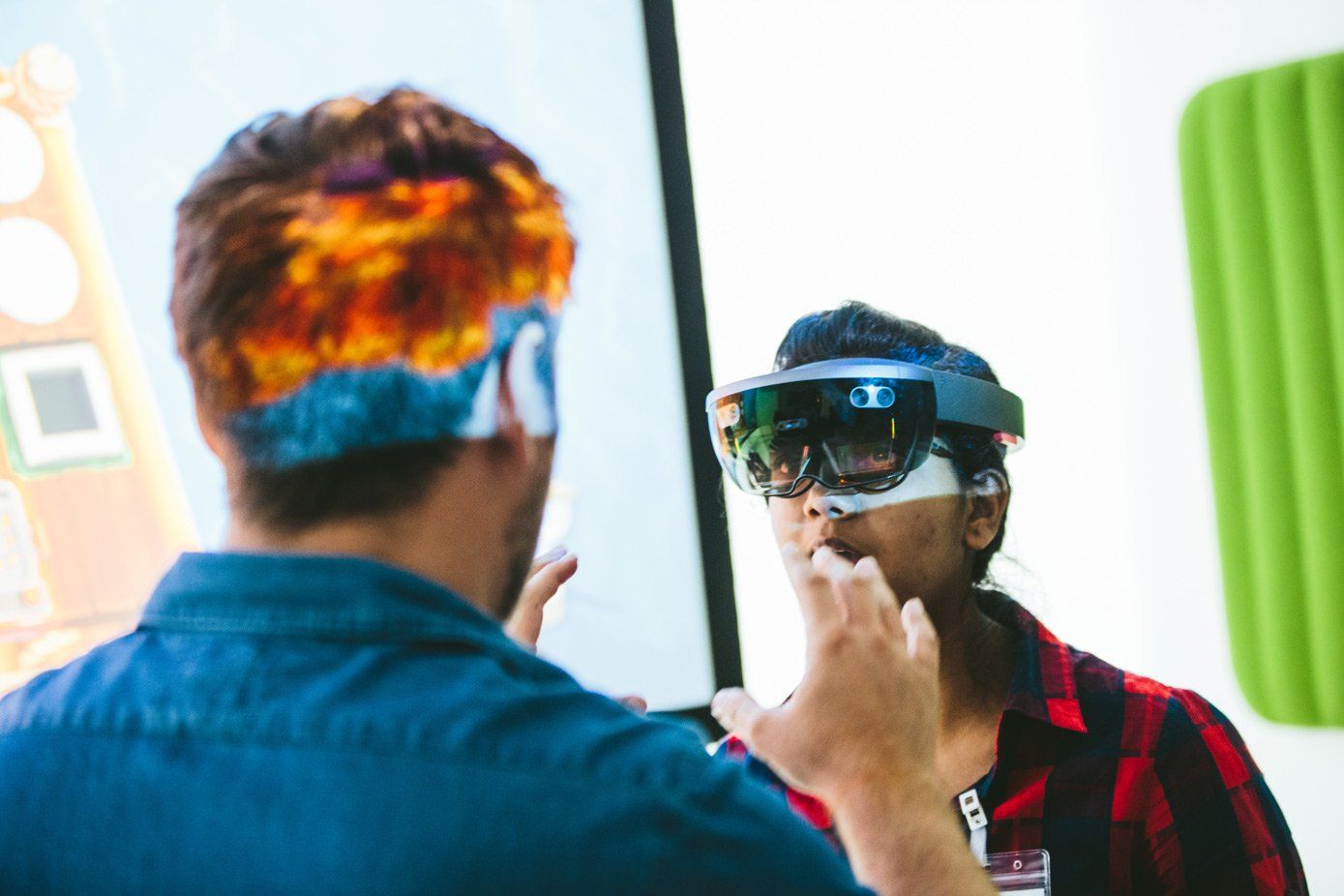
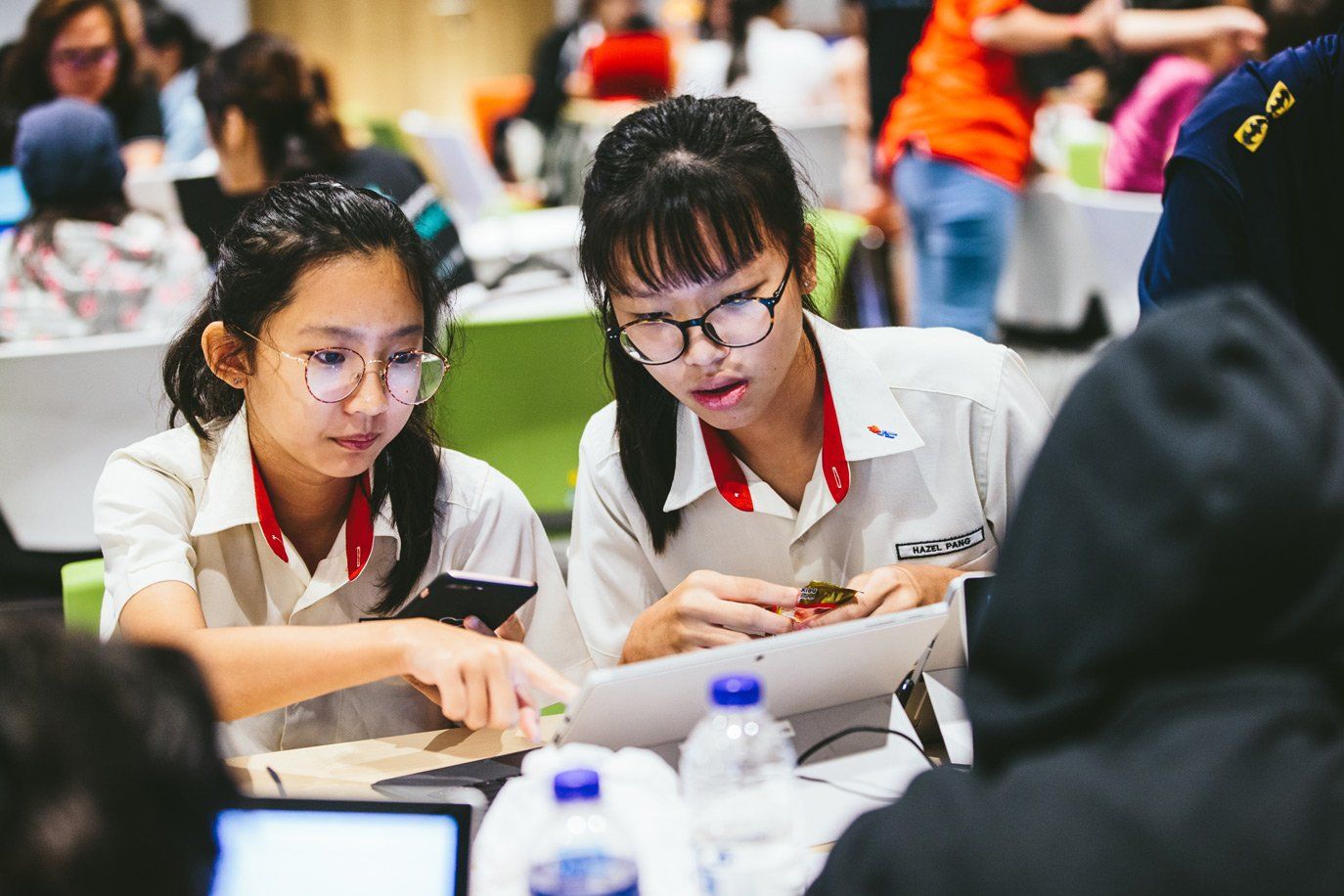
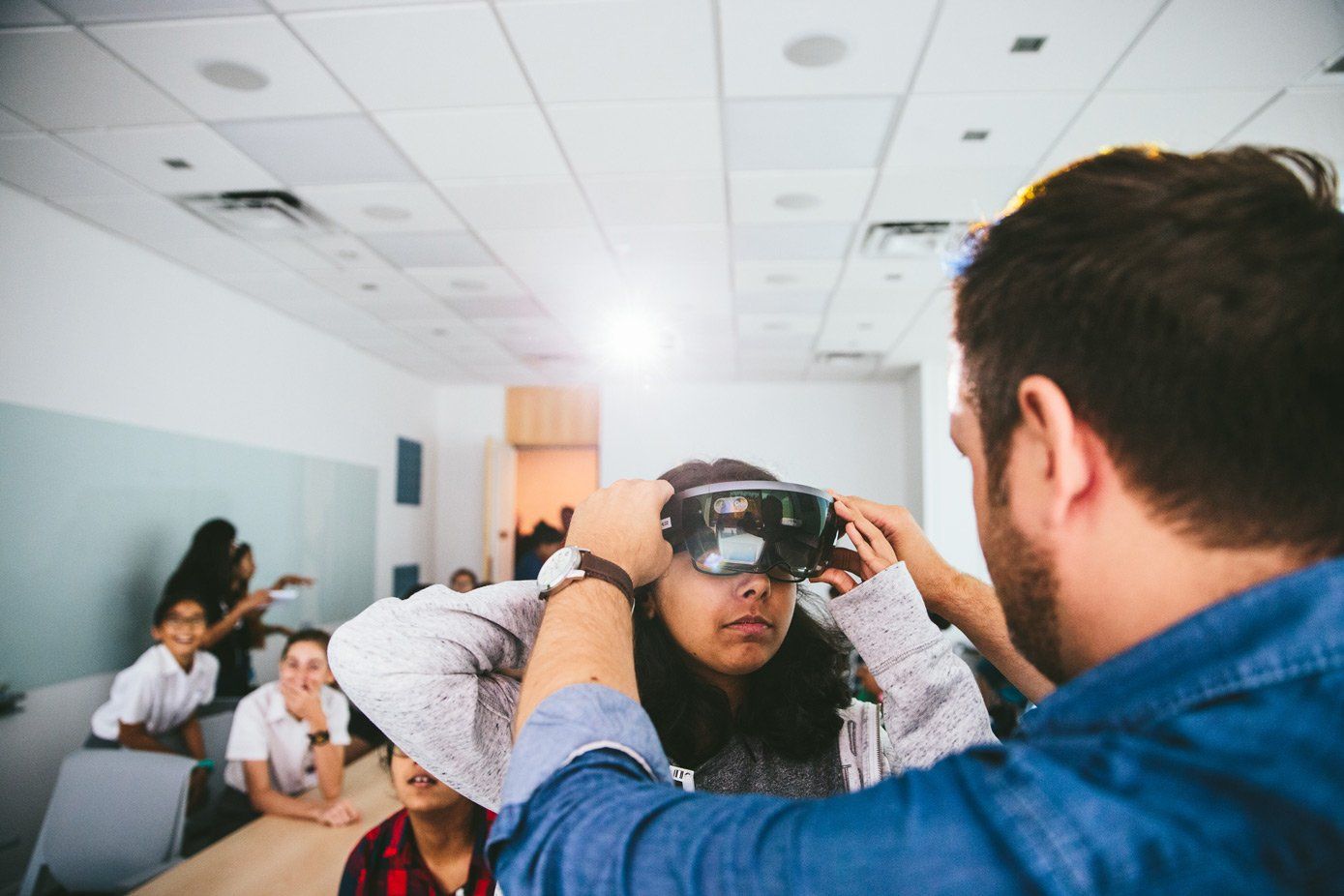
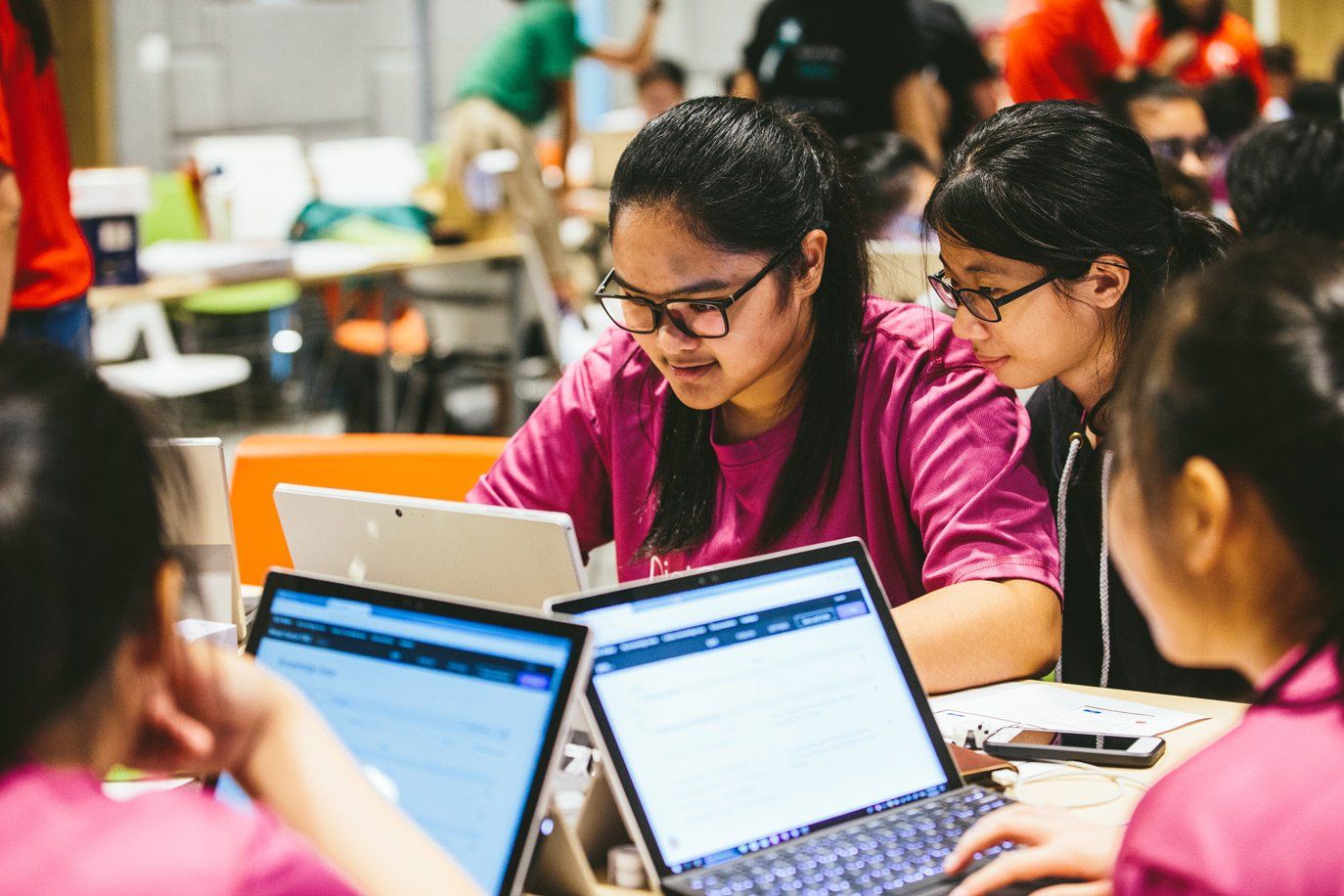
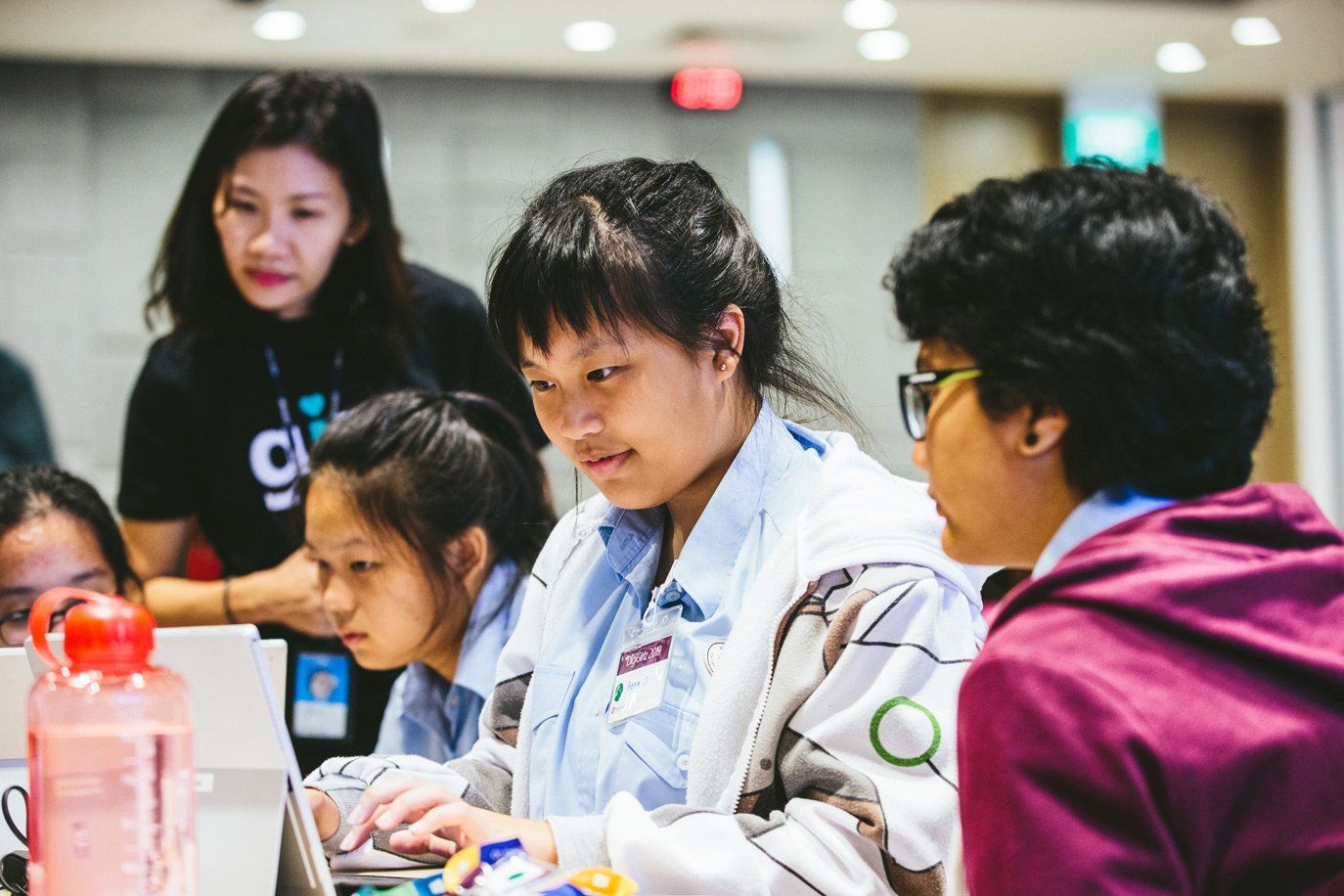
With a specific intention to encourage interest and improve accessibility of STEM for girls globally, Microsoft partners with DigiGirlz to host daylong code camps and trainings for students. This time, the DigiGirlz event includes 180 teenage girls from 15-20 schools at round tables with Surface Pros at every seat. Teachers in red shirts circulate to raised hands asking for help.
From the front of the room, a facilitator mobilizes the room for a microbits accessibility challenge: “Consider how a visually impaired person is not able to see when a cup of hot water is full. How can we use microbits to alert when a certain level is reached?” This, of course, replacing the age old technique of holding the tip of your finger in the cup until scalded. The room hums at a little girl octave while ideas are rapidly prototyped.

View more
The next generation is growing in technical proficiency, acumen and interest, intent on leveraging their knowledge to solve social problems of equality and inclusion. Microsoft is strategically and wonderfully positioned to empower that creative development in the next generation worldwide, from rural, small-town India to design and innovation-forward Singapore.
Realizing Change
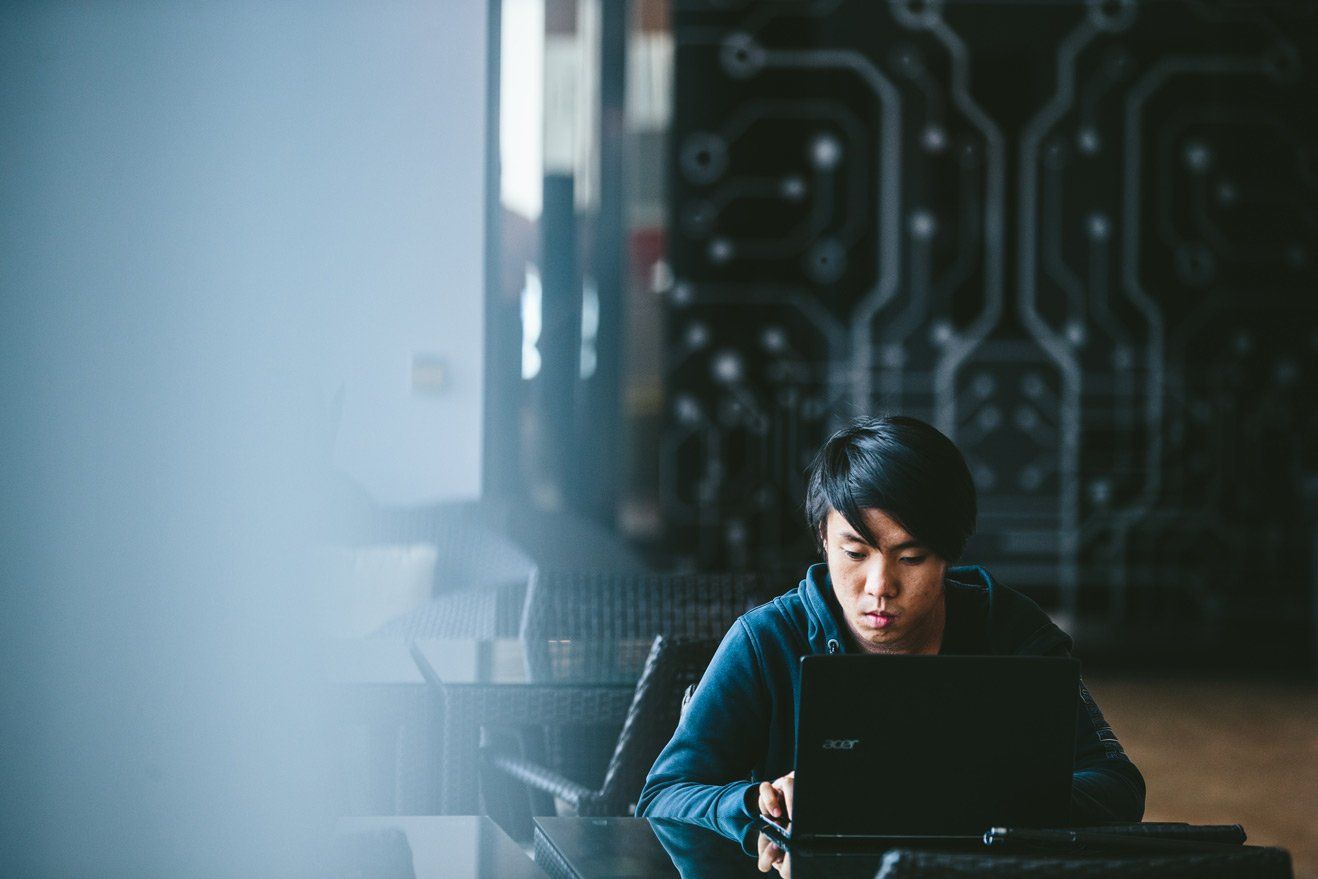
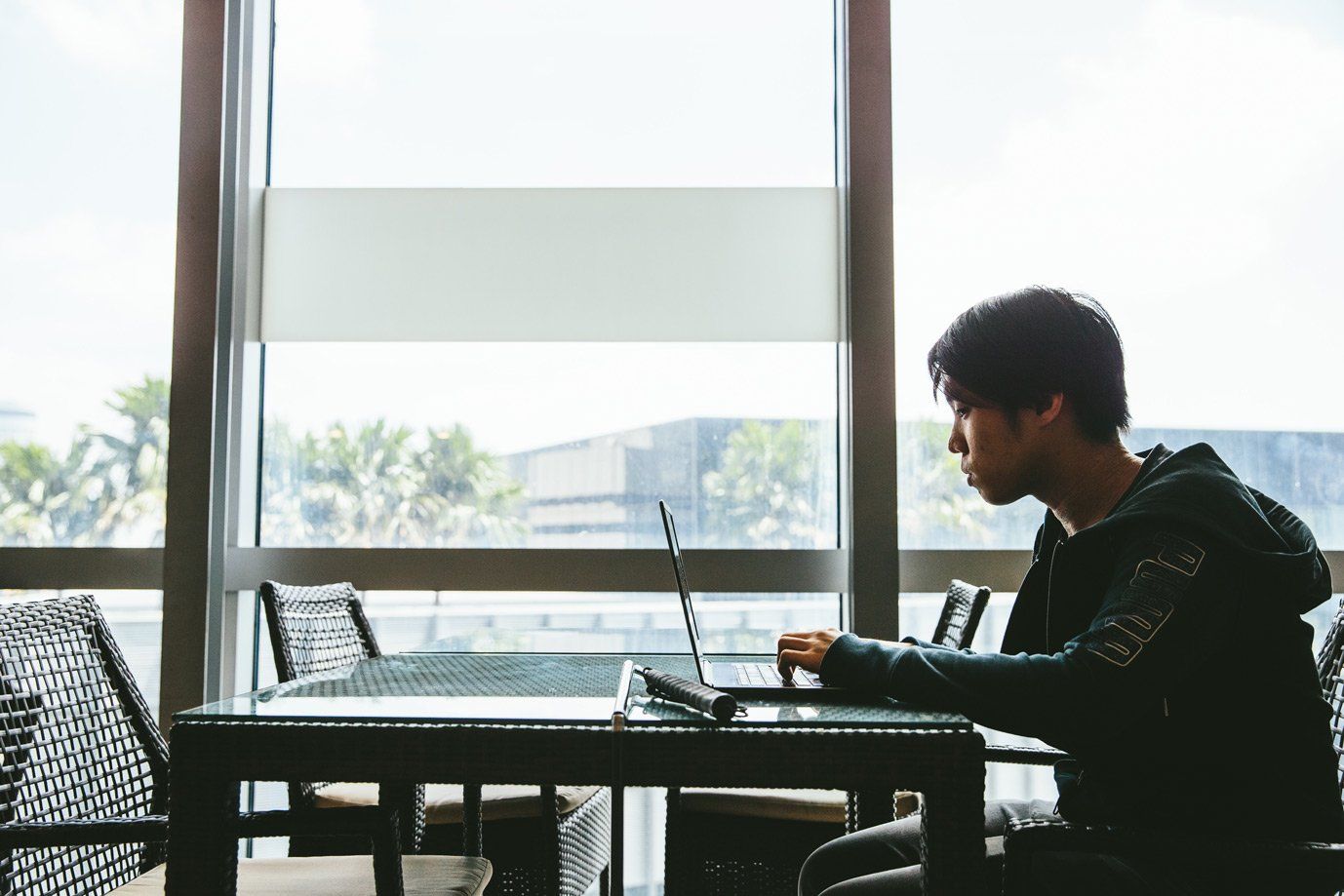
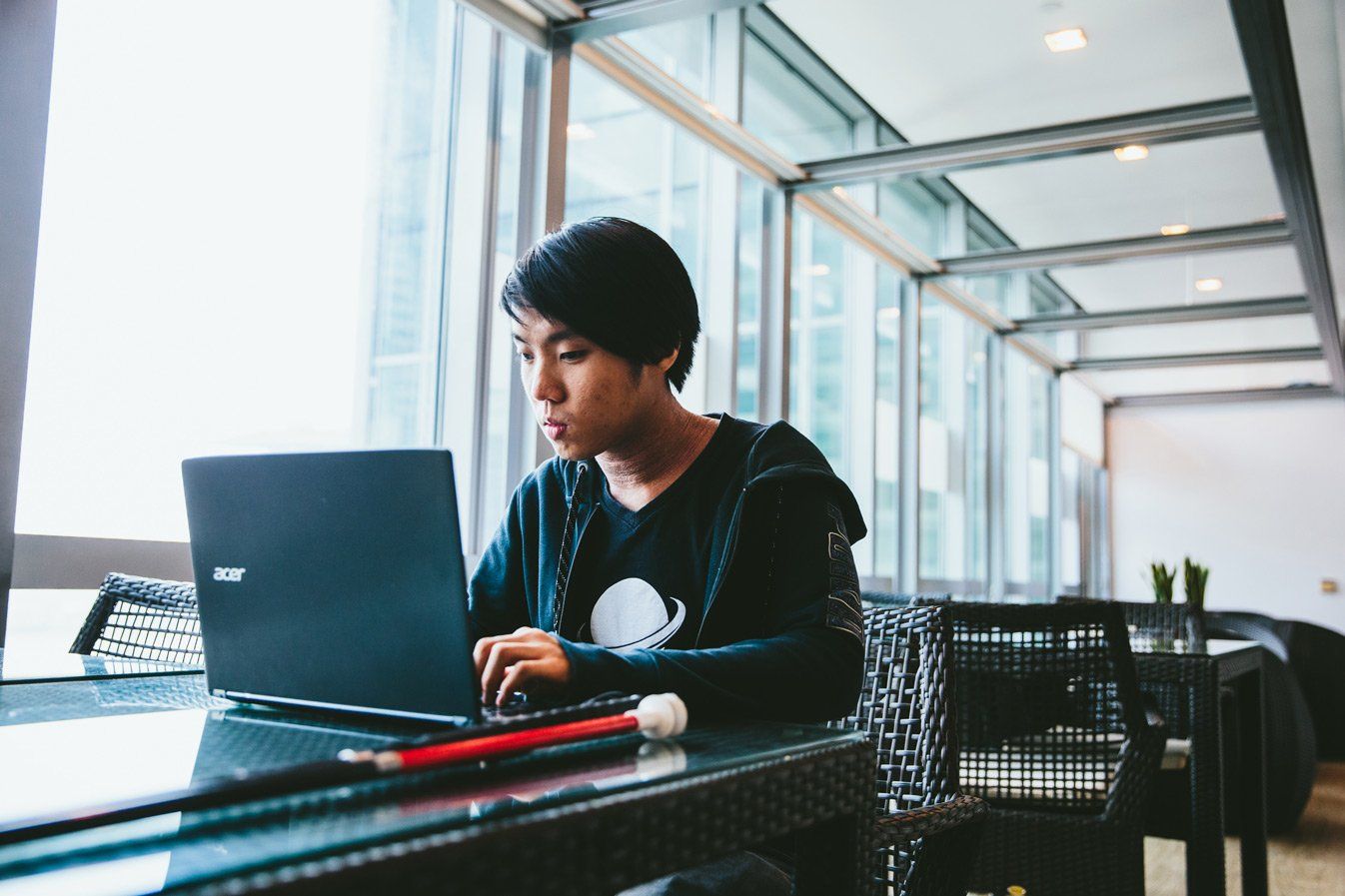
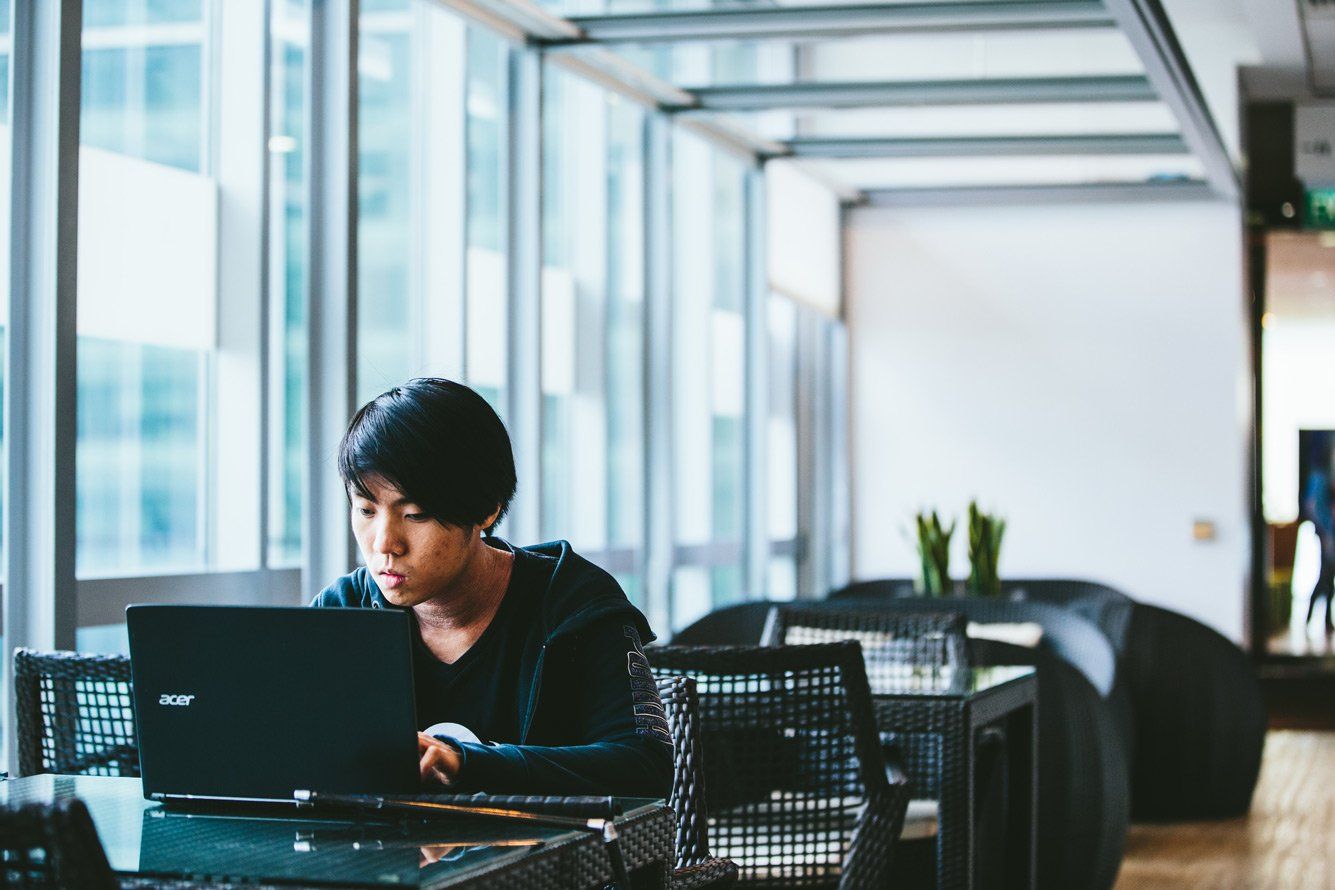
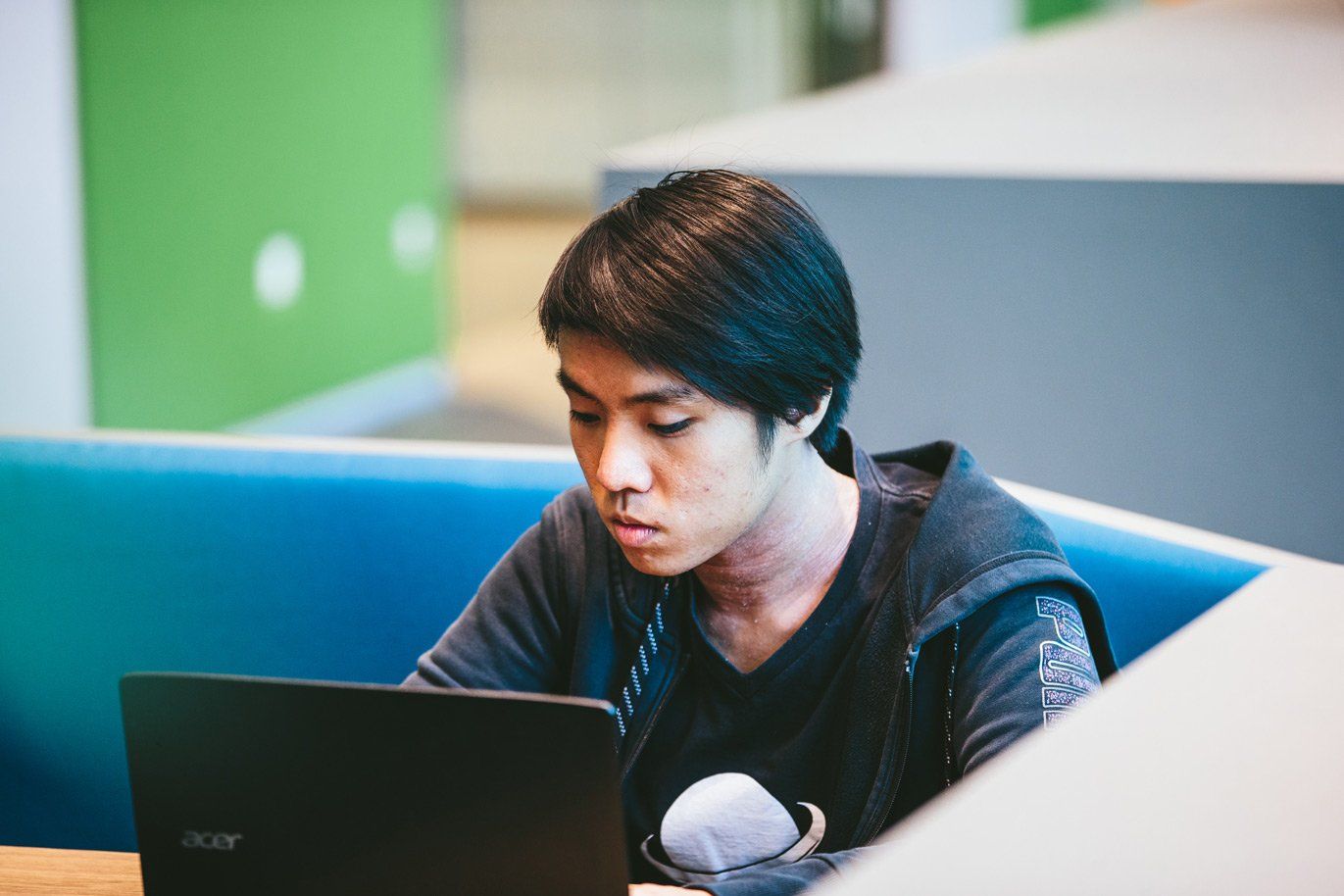
Joshua holds his phone up an inch from his face, the speaker pointed at his ear, while his white cane sits neatly folded on the table next to his laptop. The Seeing AI app describes the photographer standing in front of him—“33-year-old man smiling.” This app has been especially helpful as Joshua has begun navigating a new professional landscape with a severe visual impairment.



View more
Joshua began learning code a couple years ago at a DigiGirlz event, sponsored by Microsoft in Singapore. Today, he is one of Empire Code’s rising stars and graciously agrees to show us how access to coding and technology opened a creative and professional world to him.
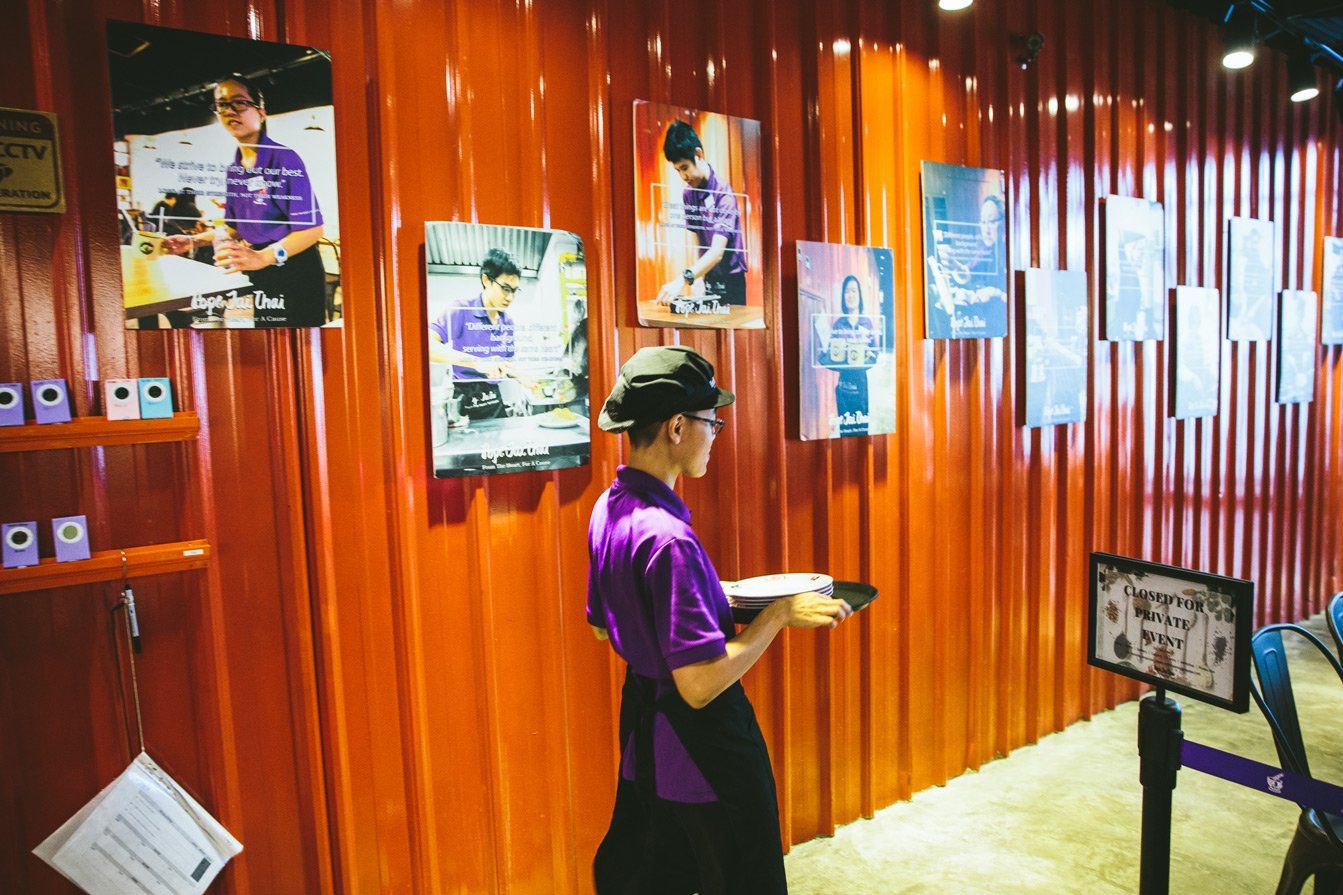
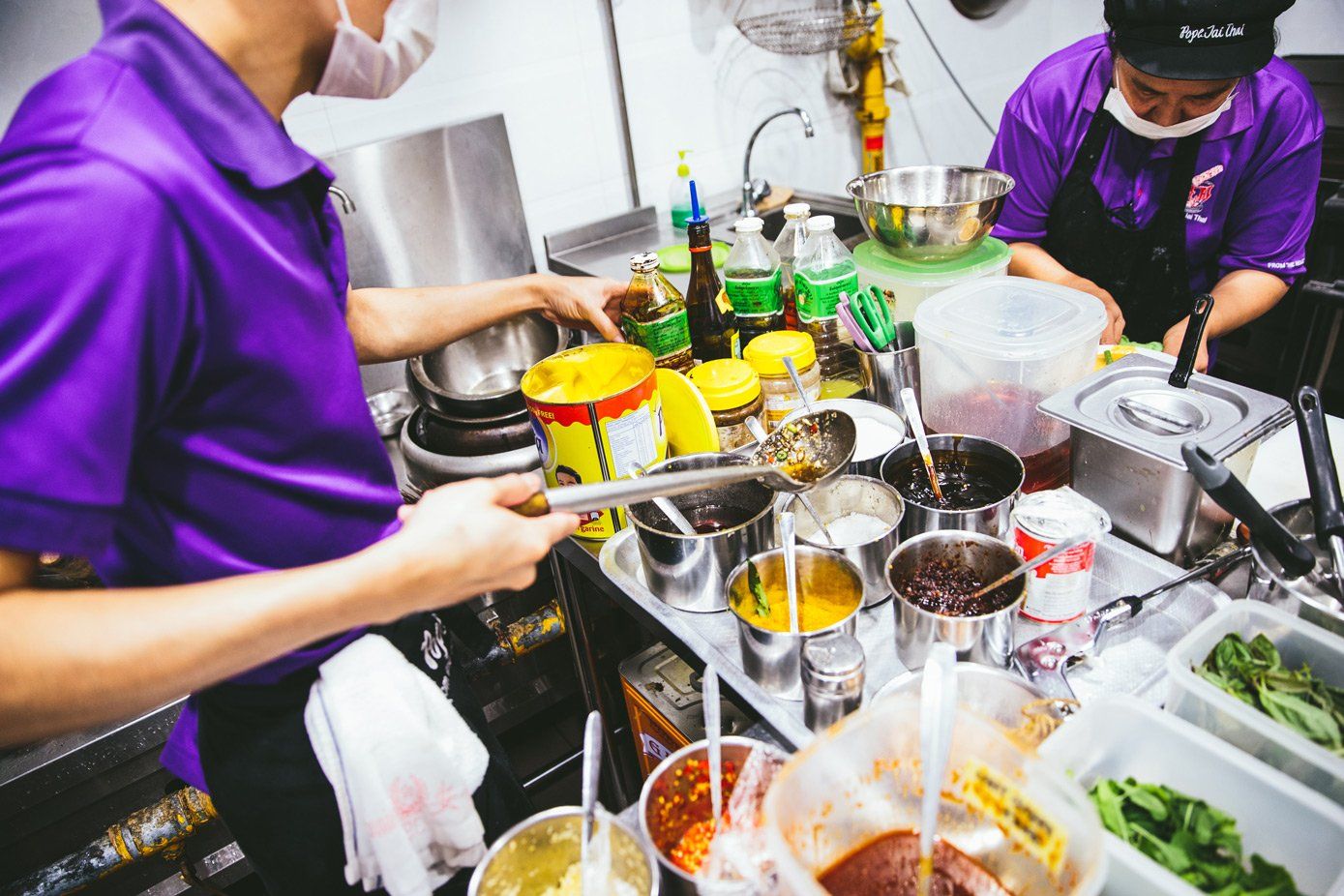
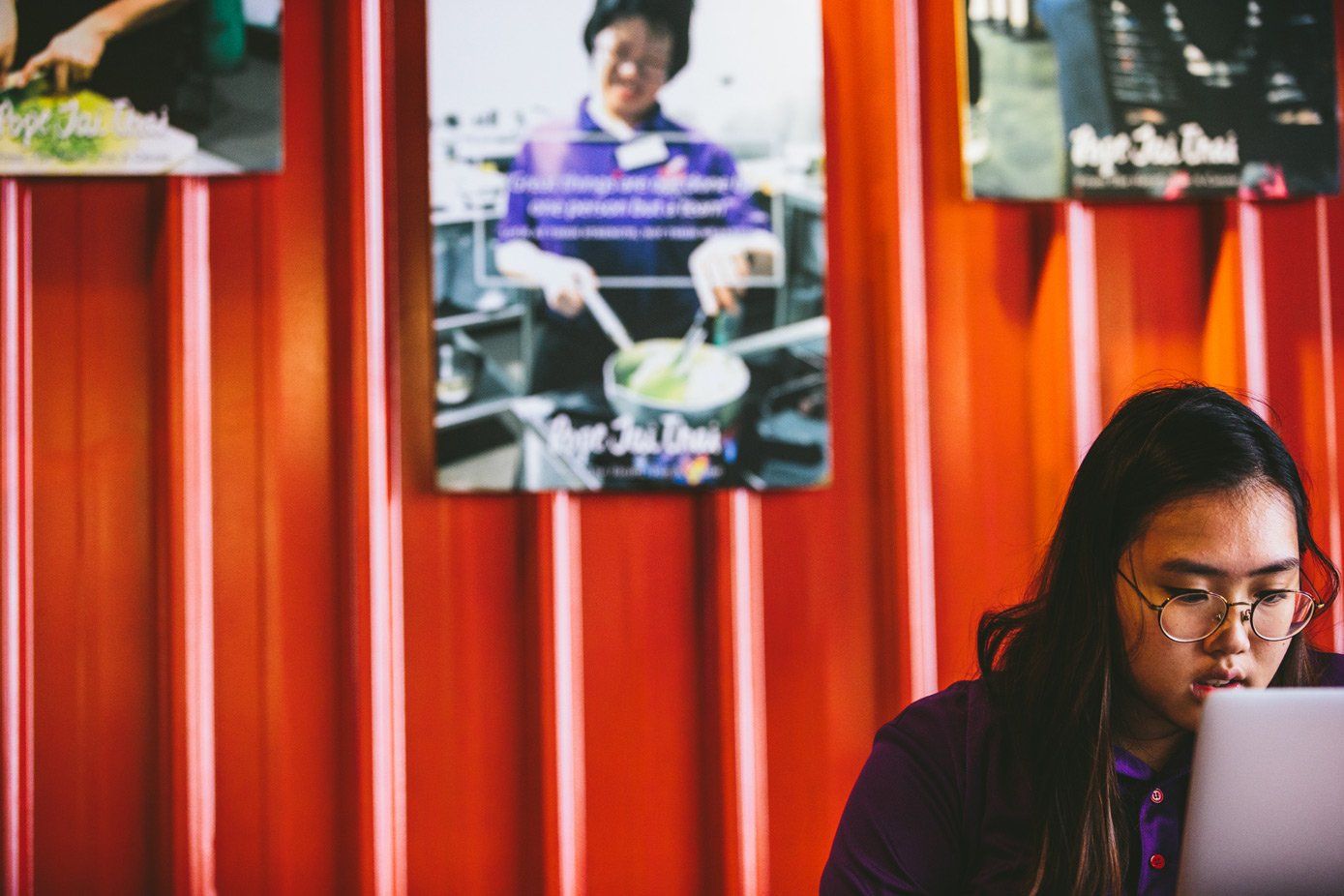
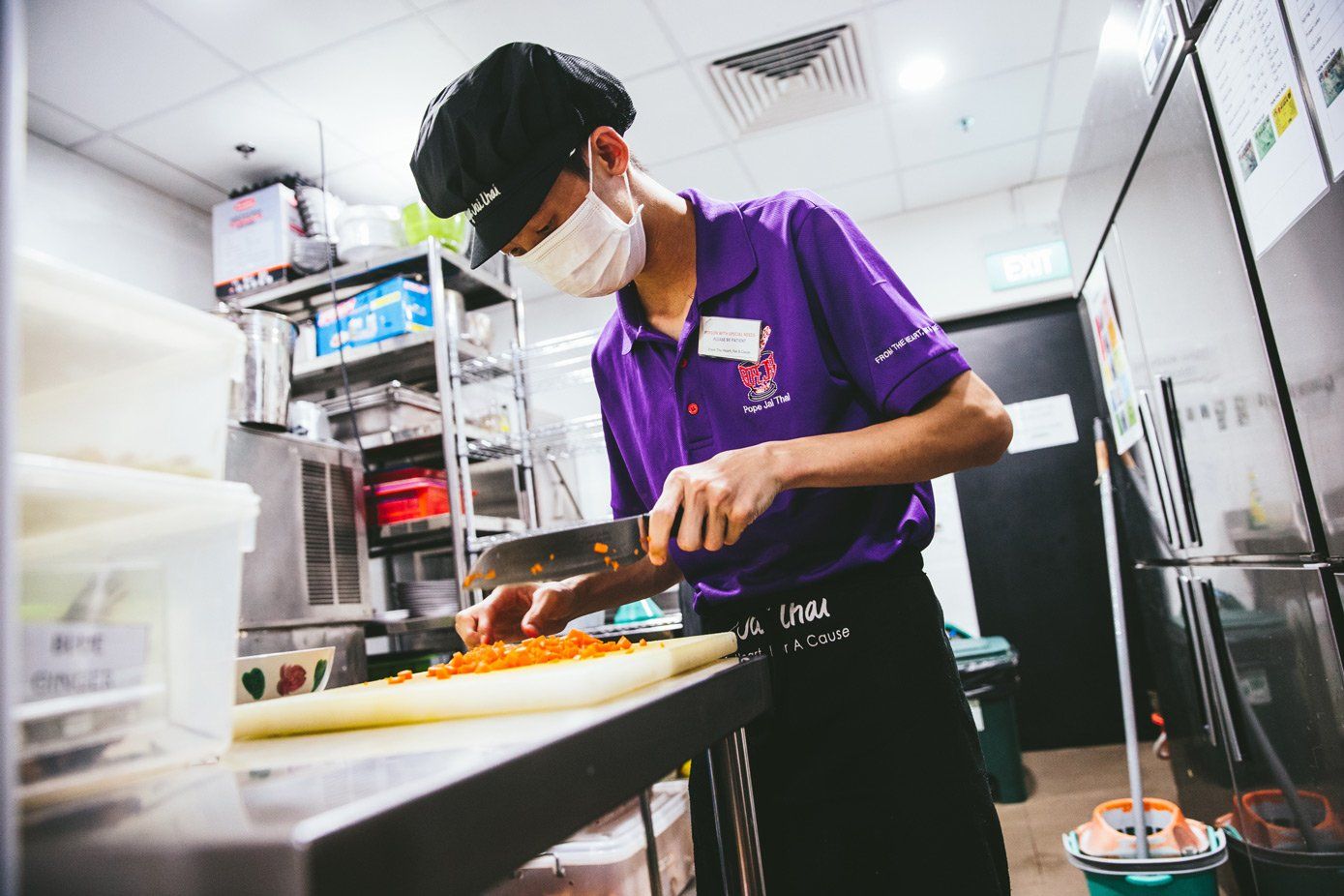
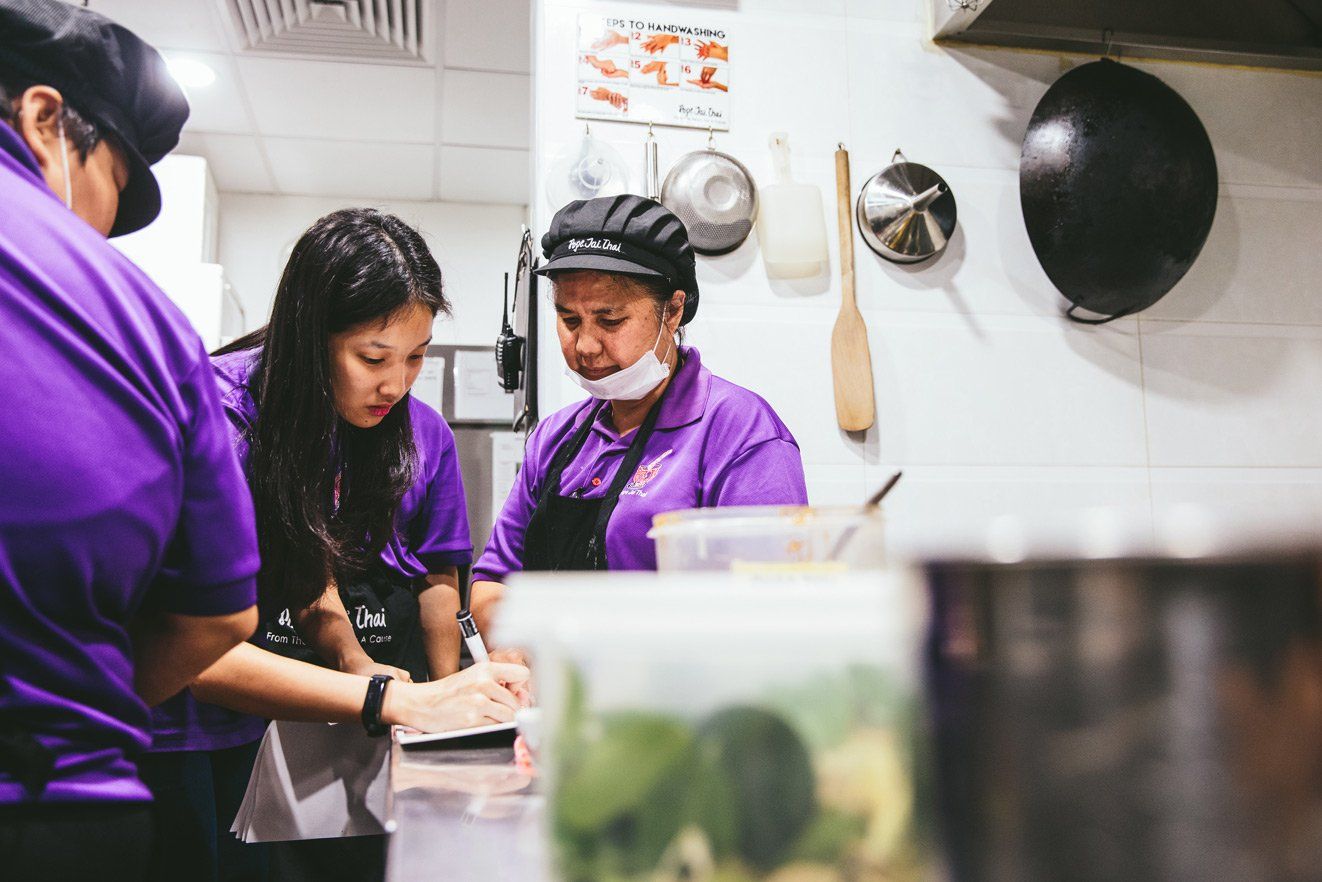
Similarly, social entrepreneur Daniel Teh extends the DigiGirlz accessibility challenge beyond the walls of this room by sharing with the students a few of his own inventions that help the staff at his restaurant, Pope Jai Thai, be successful in the food service industry while overcoming challenges of differently-abledness.
To guide a severely autistic young man with a visual impairment in the safe and consistent chopping of vegetables, for example, Daniel built a chopping template that the young man could feel and follow. The tables educate patrons how to communicate with a hearing-impaired server, like how to say please, thank you, and ask for water. Visiting his restaurant, we meet assistant manager, Amelia Koh, and other staff members.





View more
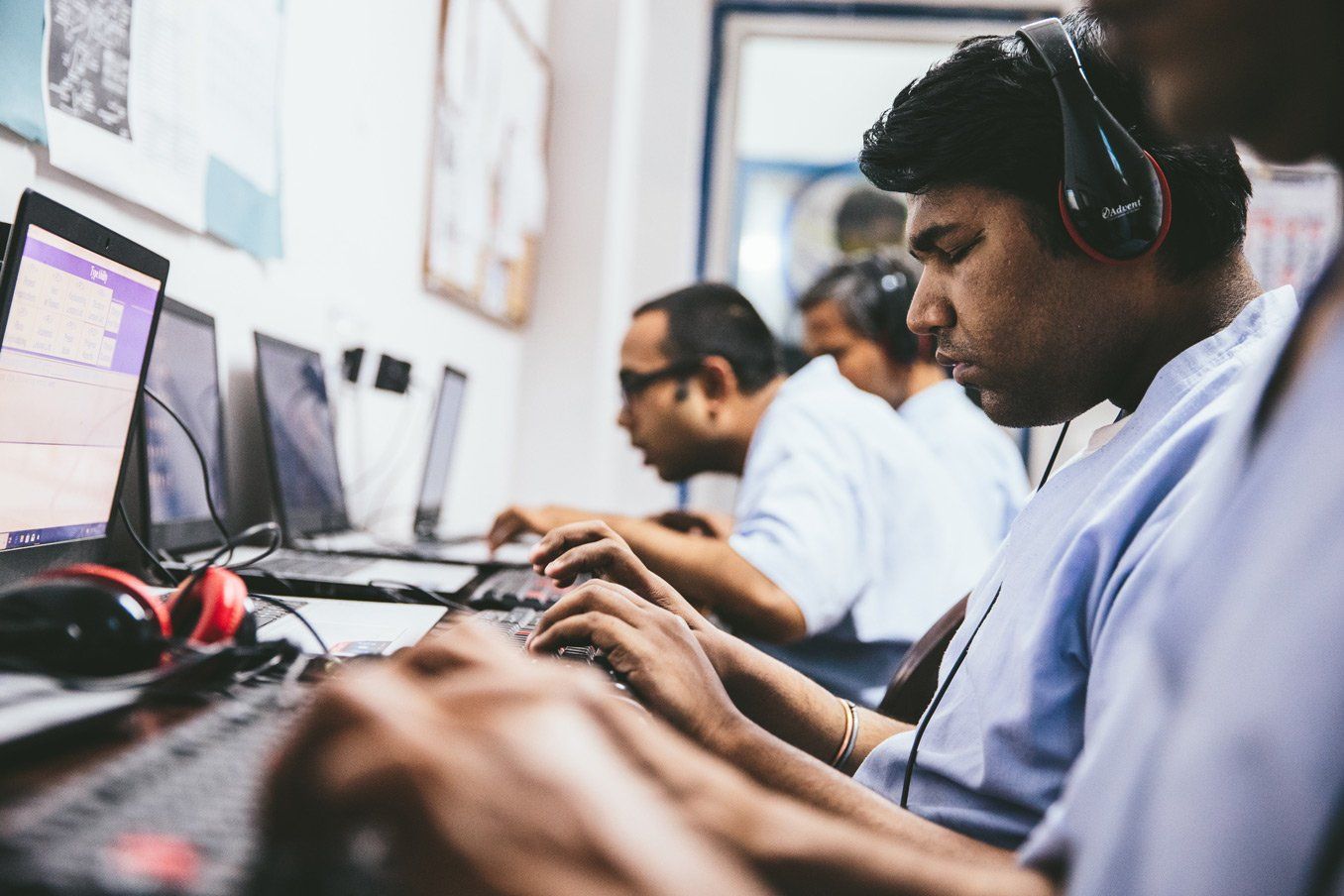
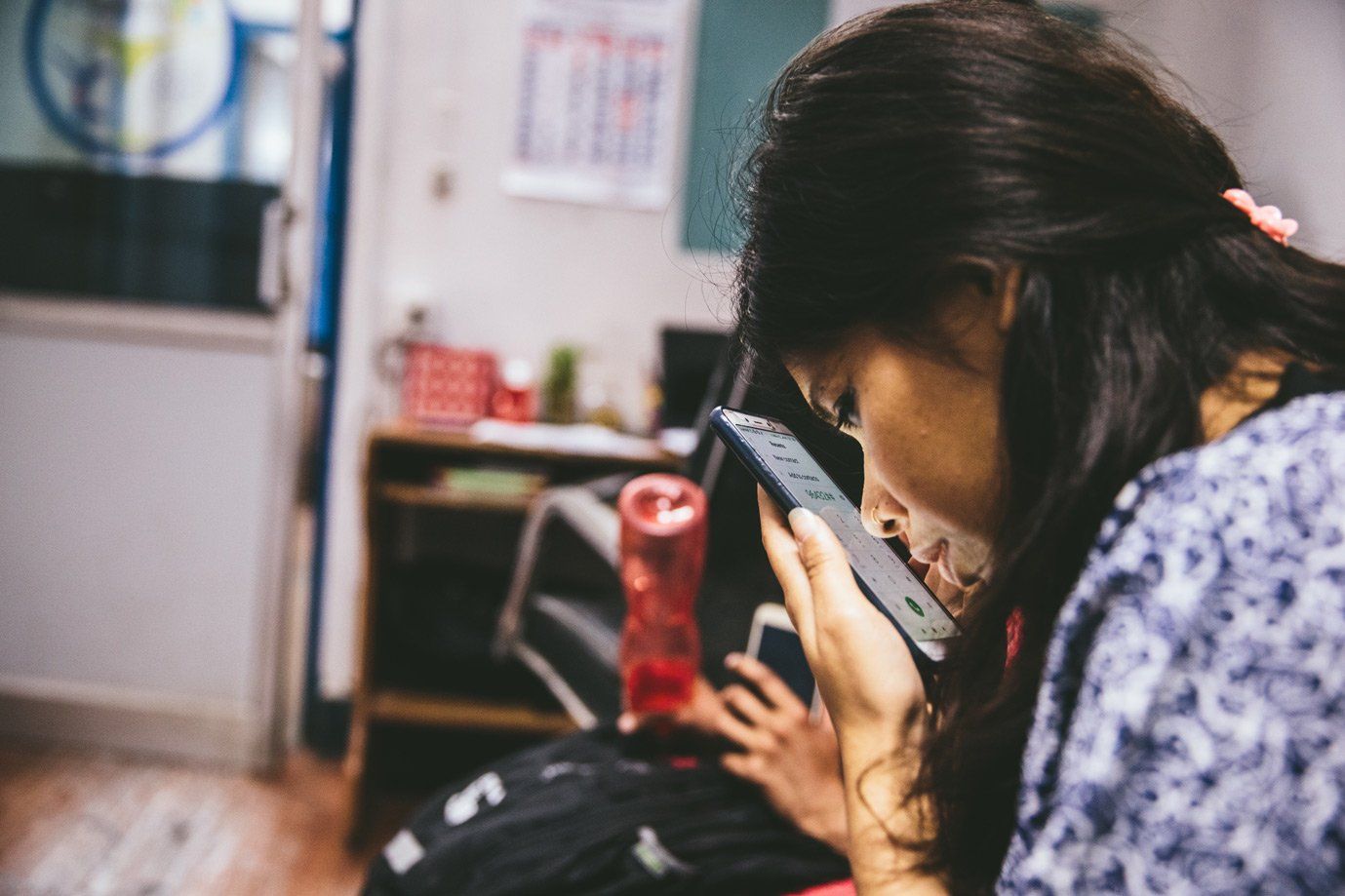
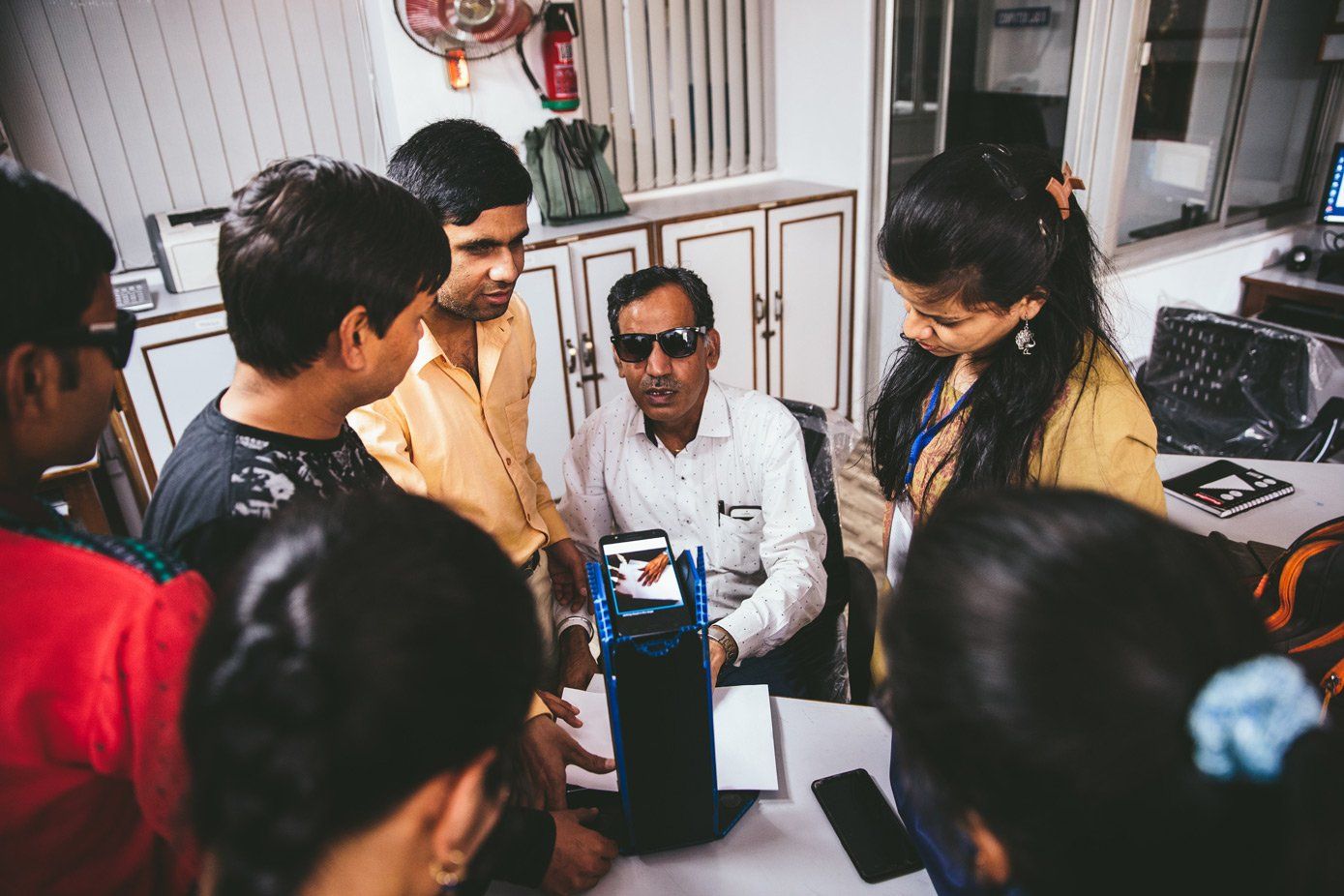
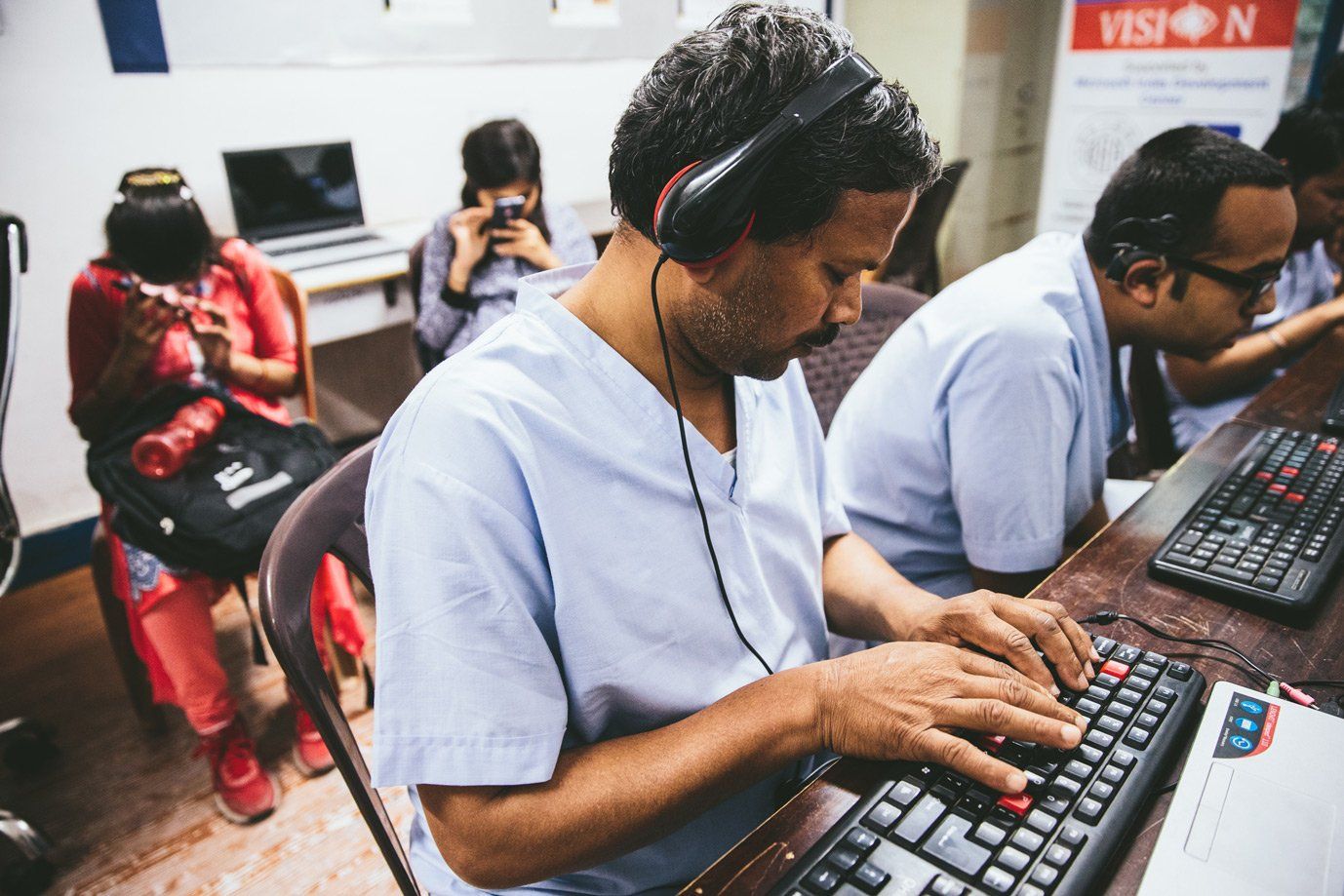
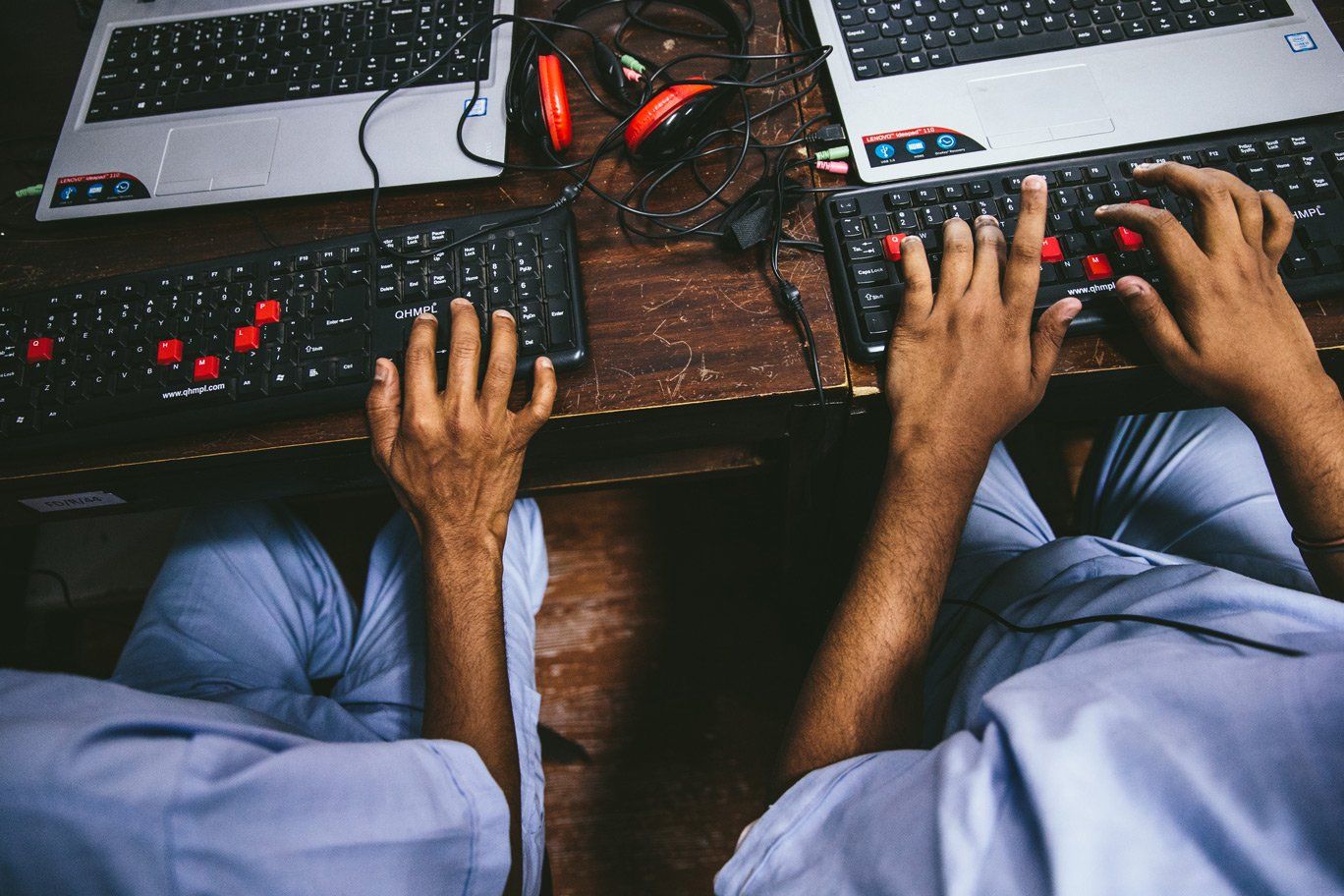
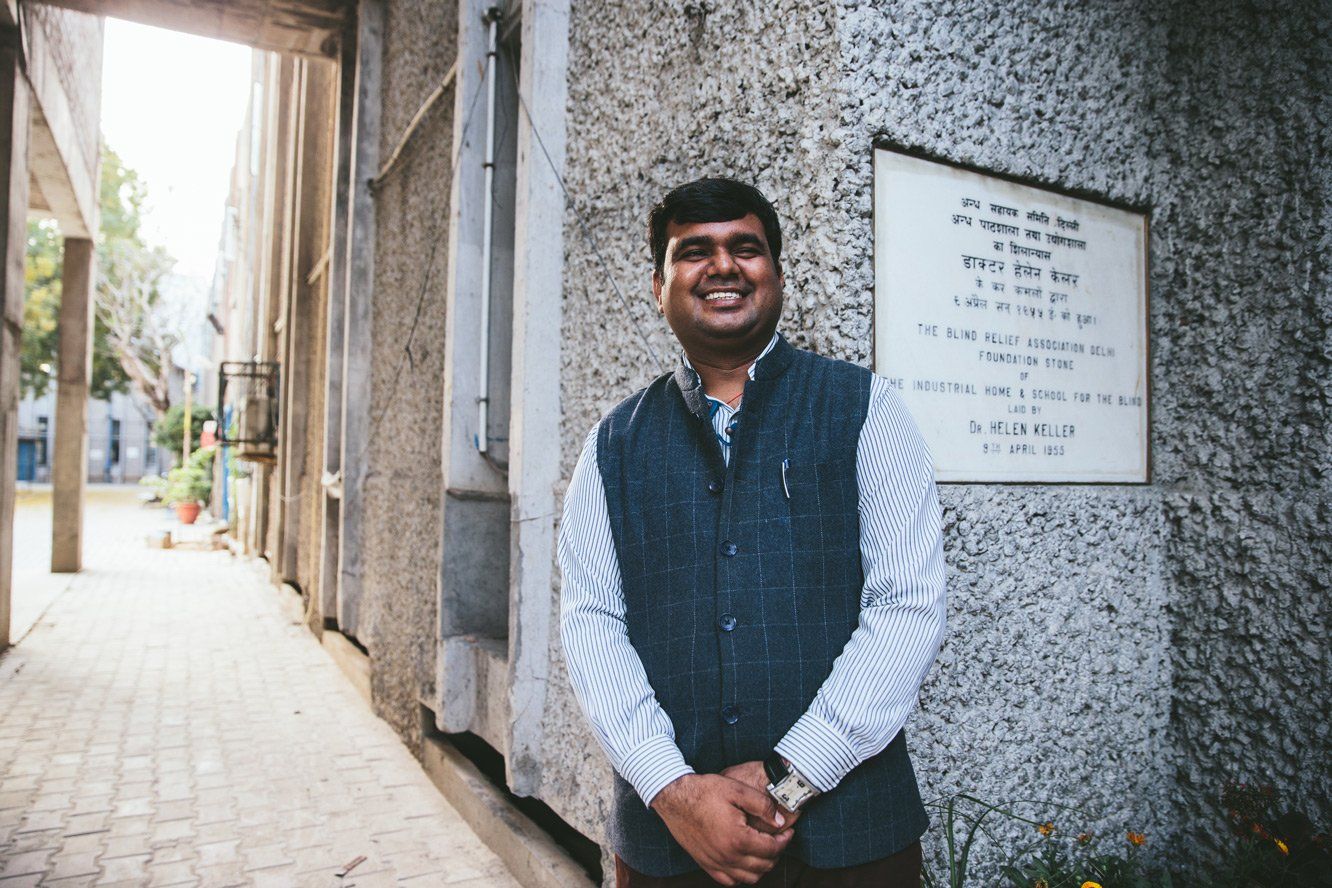
Engaging a slightly older marginalized group, Microsoft also partners with Youth4Jobs and Blind Relief Association to train their students in digital literacy and code. This particular program is anchored in a corner classroom on the ground floor of the Industrial Home and School for the Blind, where Dr. Helen Keller laid the foundation stone 65 years ago.
Youth4Jobs is the largest organization working with youth with disabilities in India, training and placing them in jobs. This is especially significant since most of the students come from remote villages where they are first generation learners within their families, like those we met at the Sakshi school.


View more
“Across India, technology is driving business and we want to see how people with disabilities can contribute in that,” says Ankit Bansal, part of the Youth4Jobs program staff. "Through our 'Introduction to Computer Programming', we are training youth with visual impairments on coding and computational skills using HTML, Web Accessibility and Python."
A poster on the wall pays tribute to Dr. Helen Keller and reframes disability into differently-abled: “I thank God for my handicaps, for through them I have found myself, my work and my God.”
Our Own Backyard
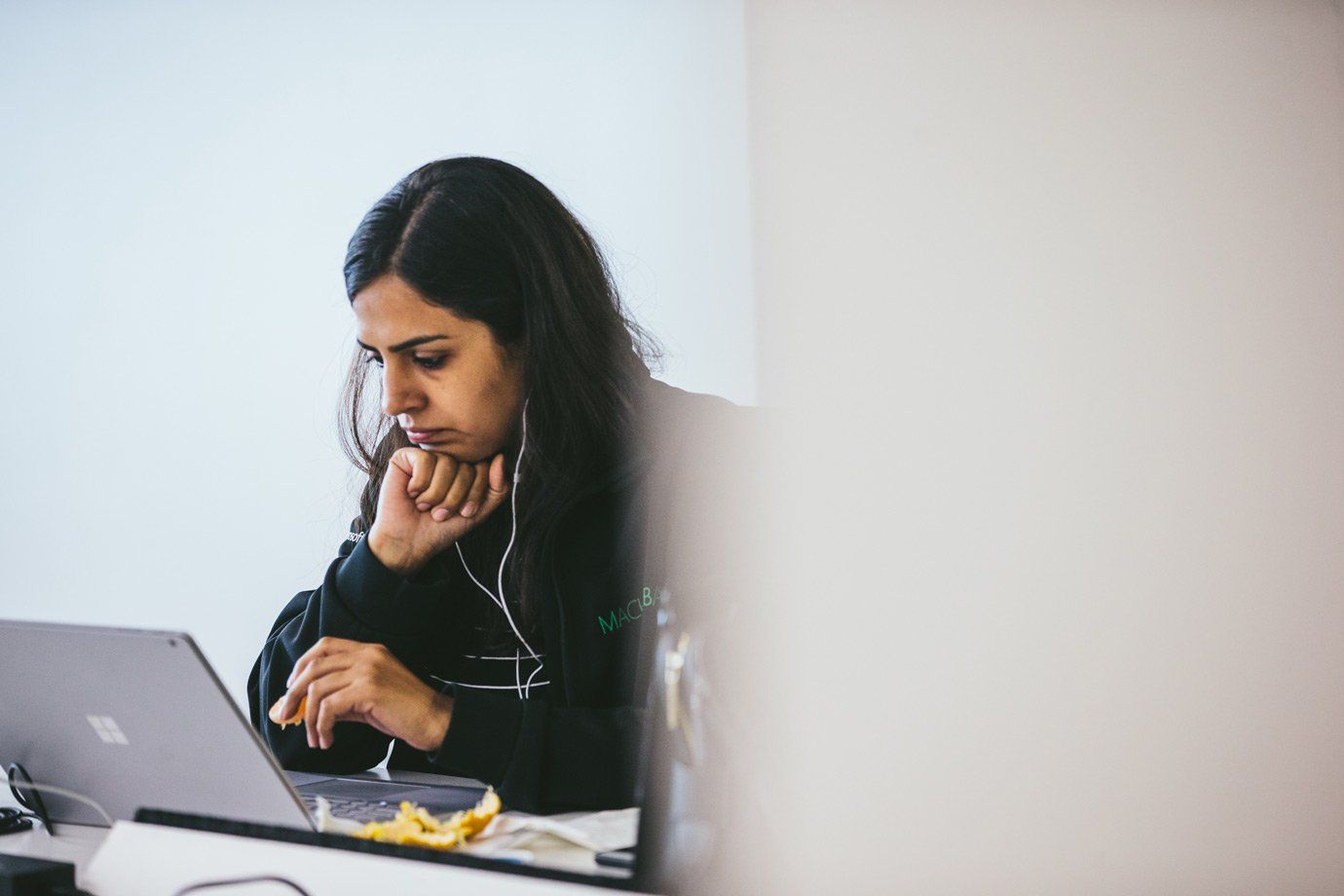
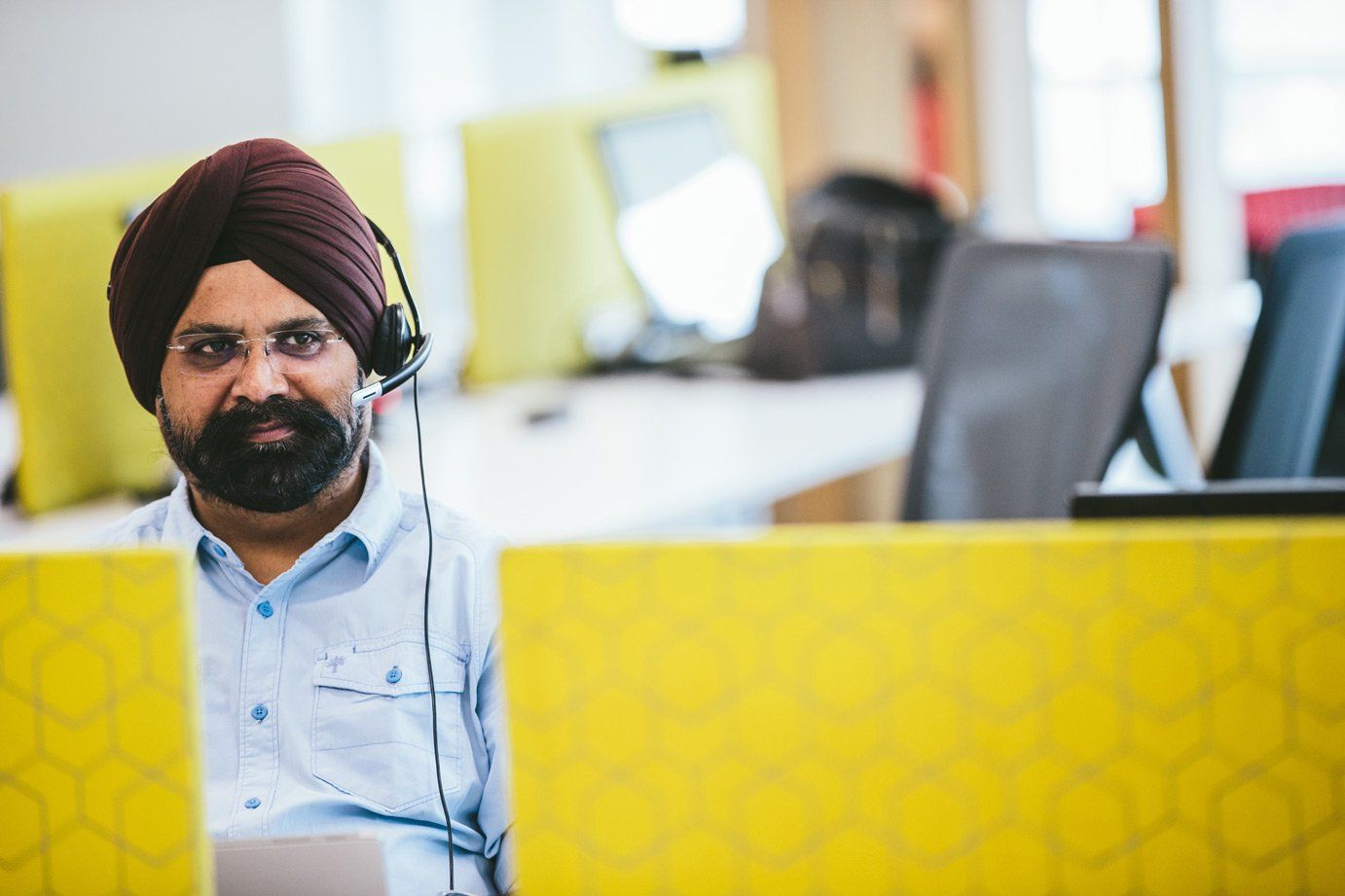
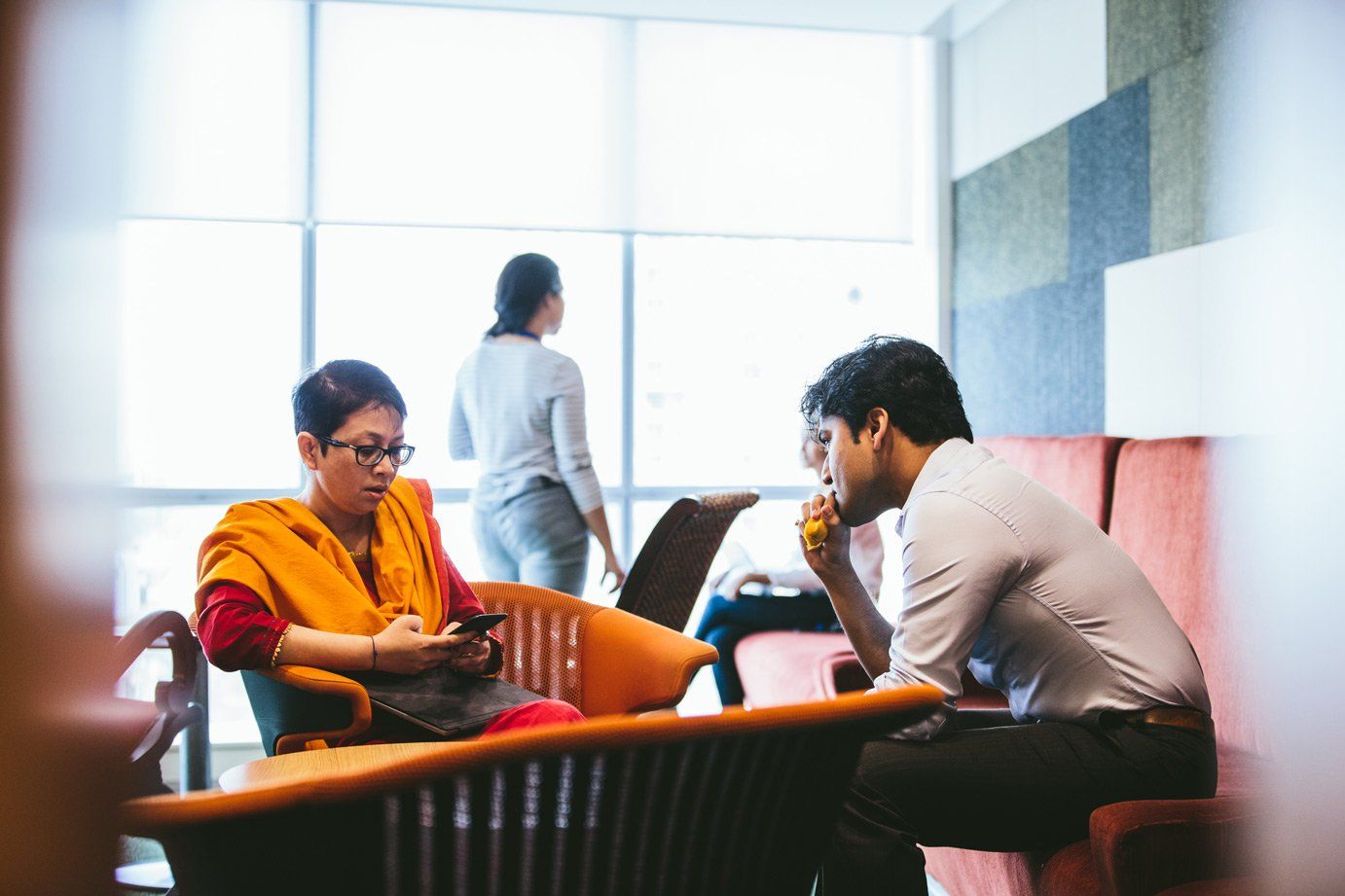
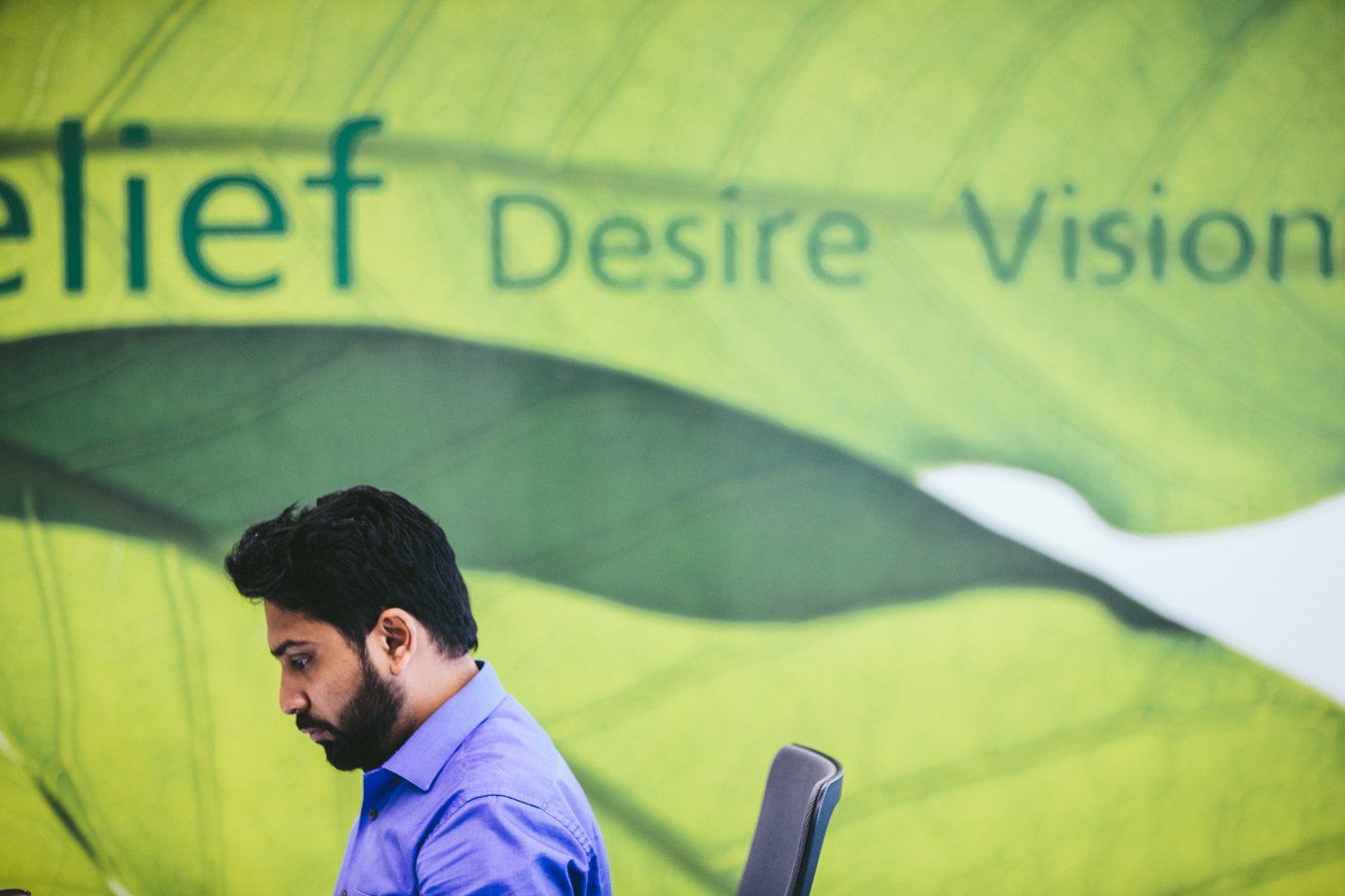
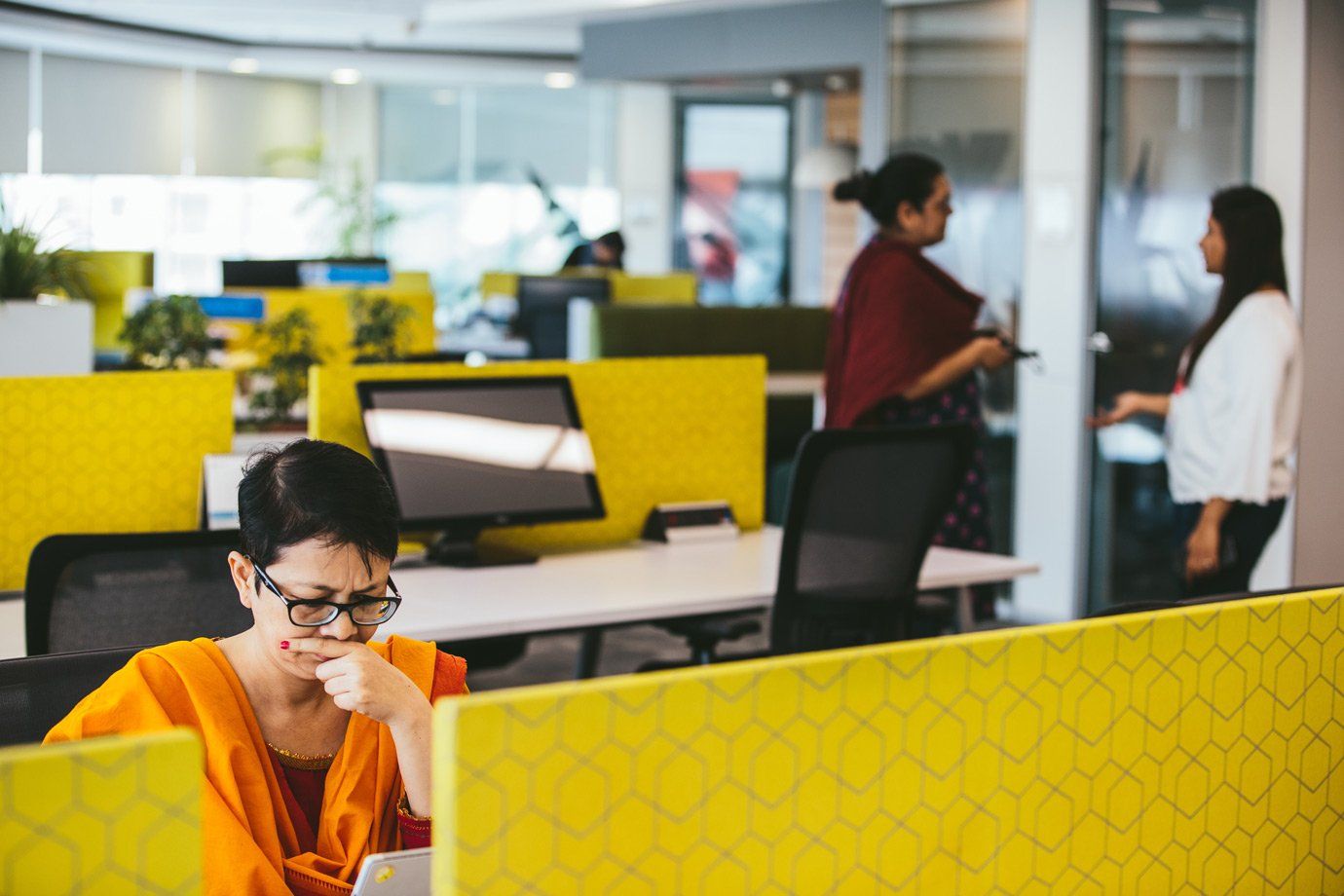
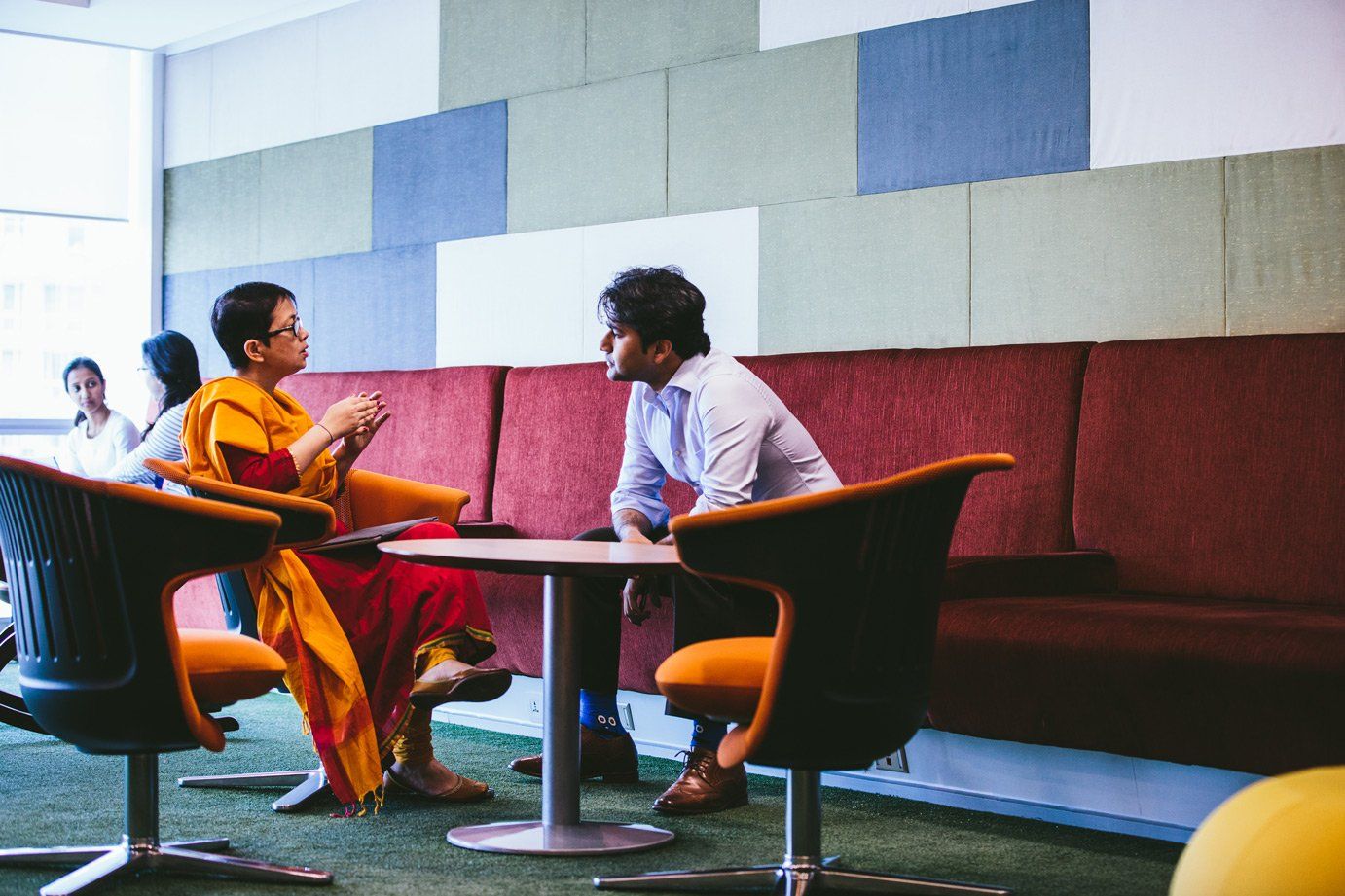
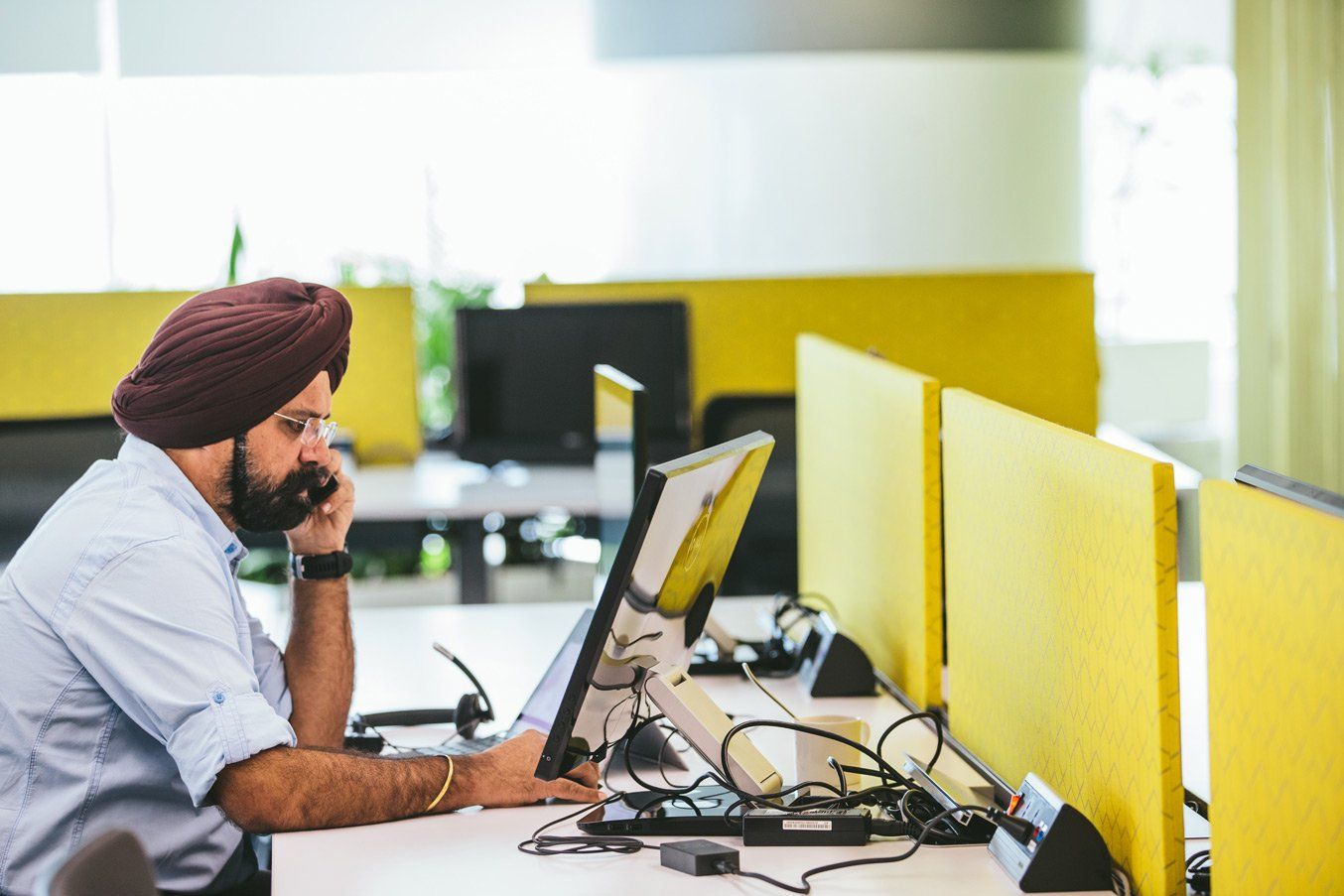
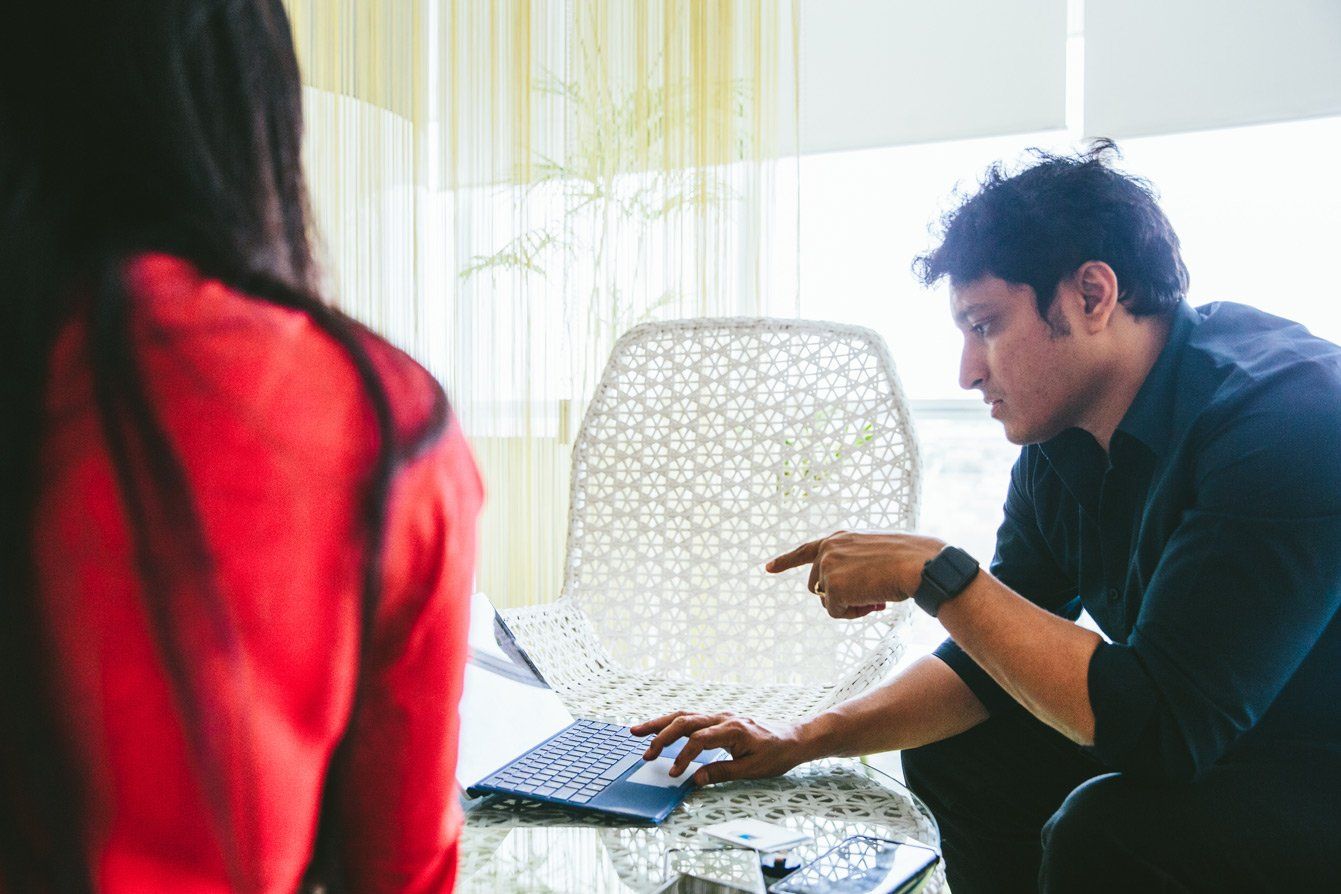
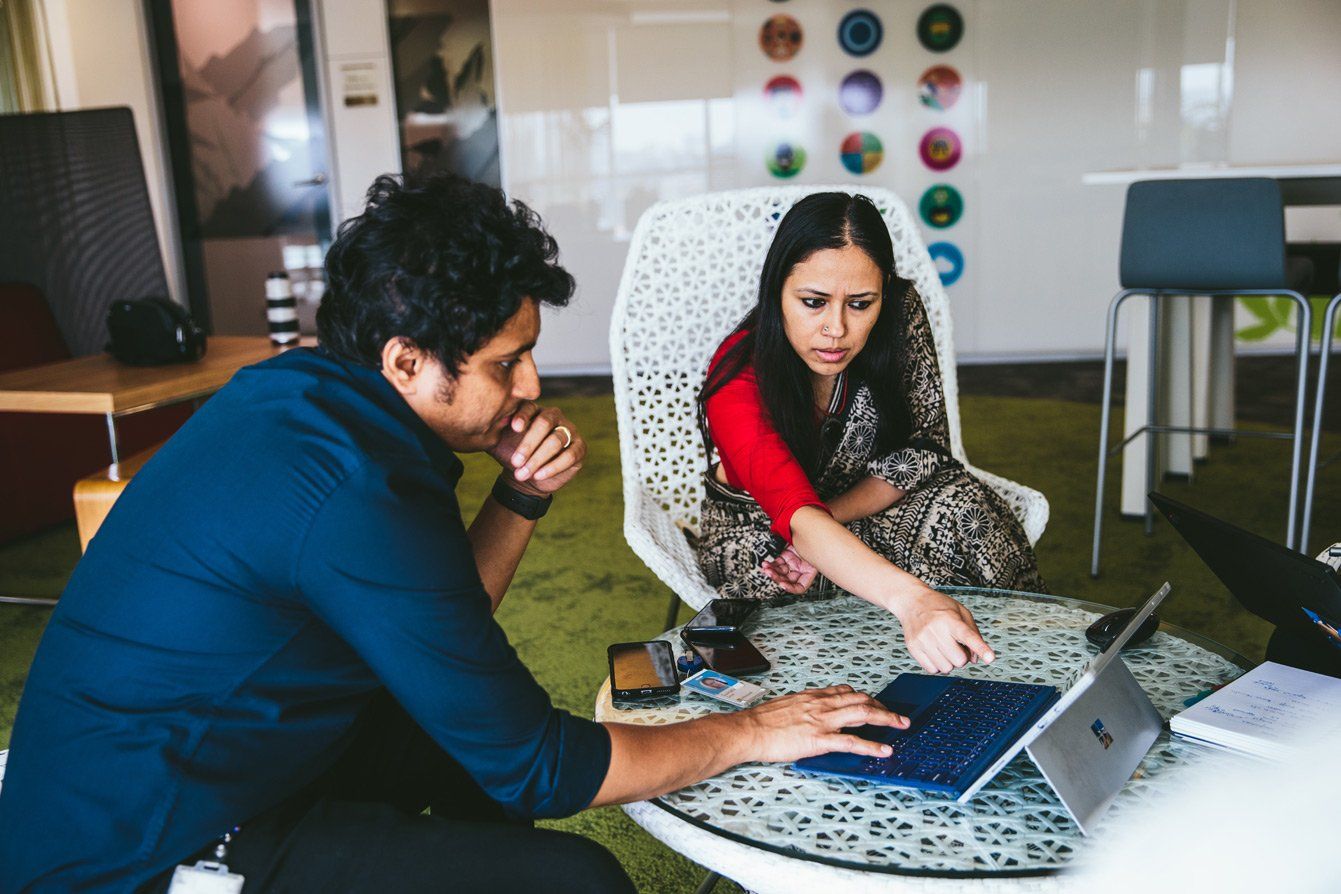
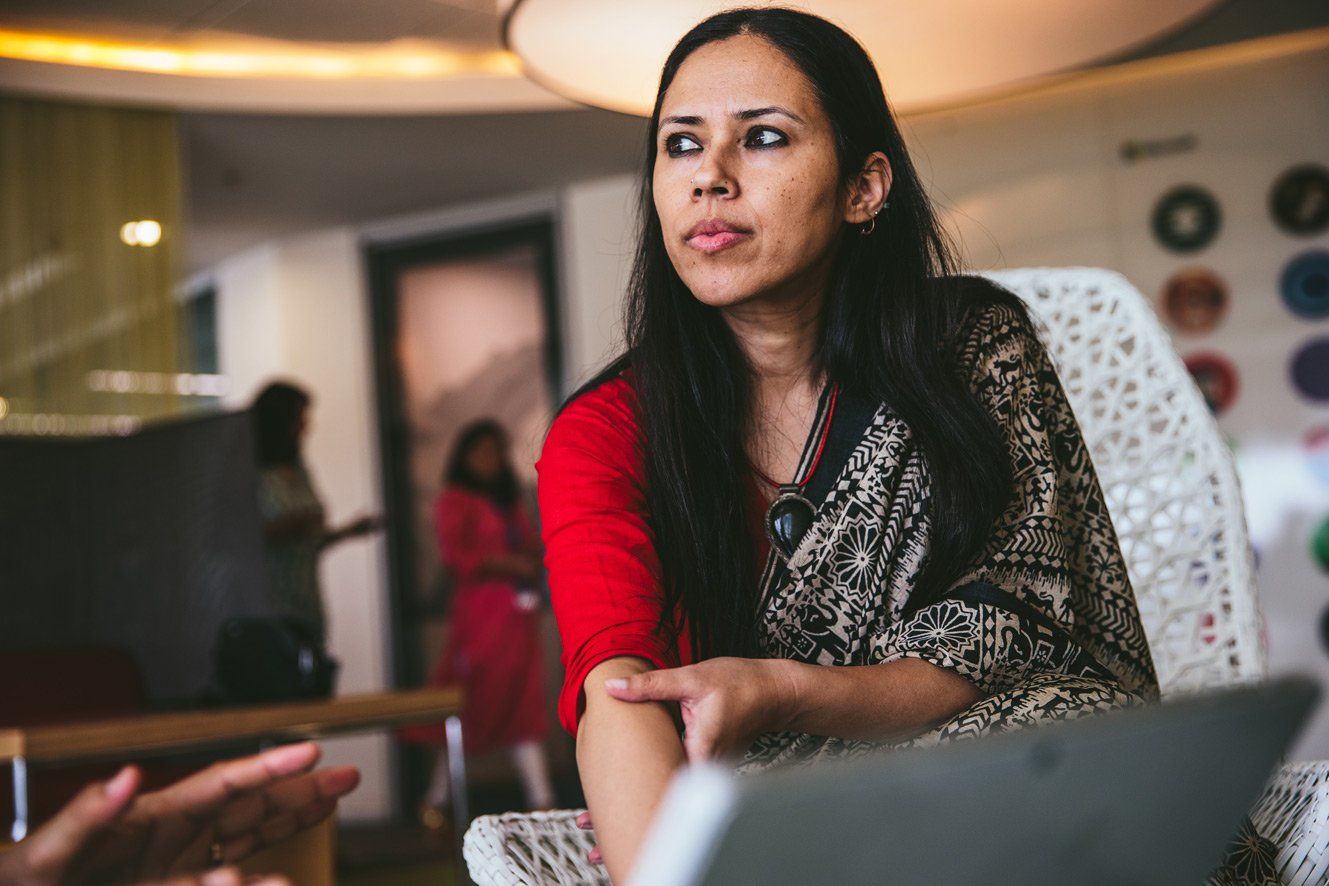
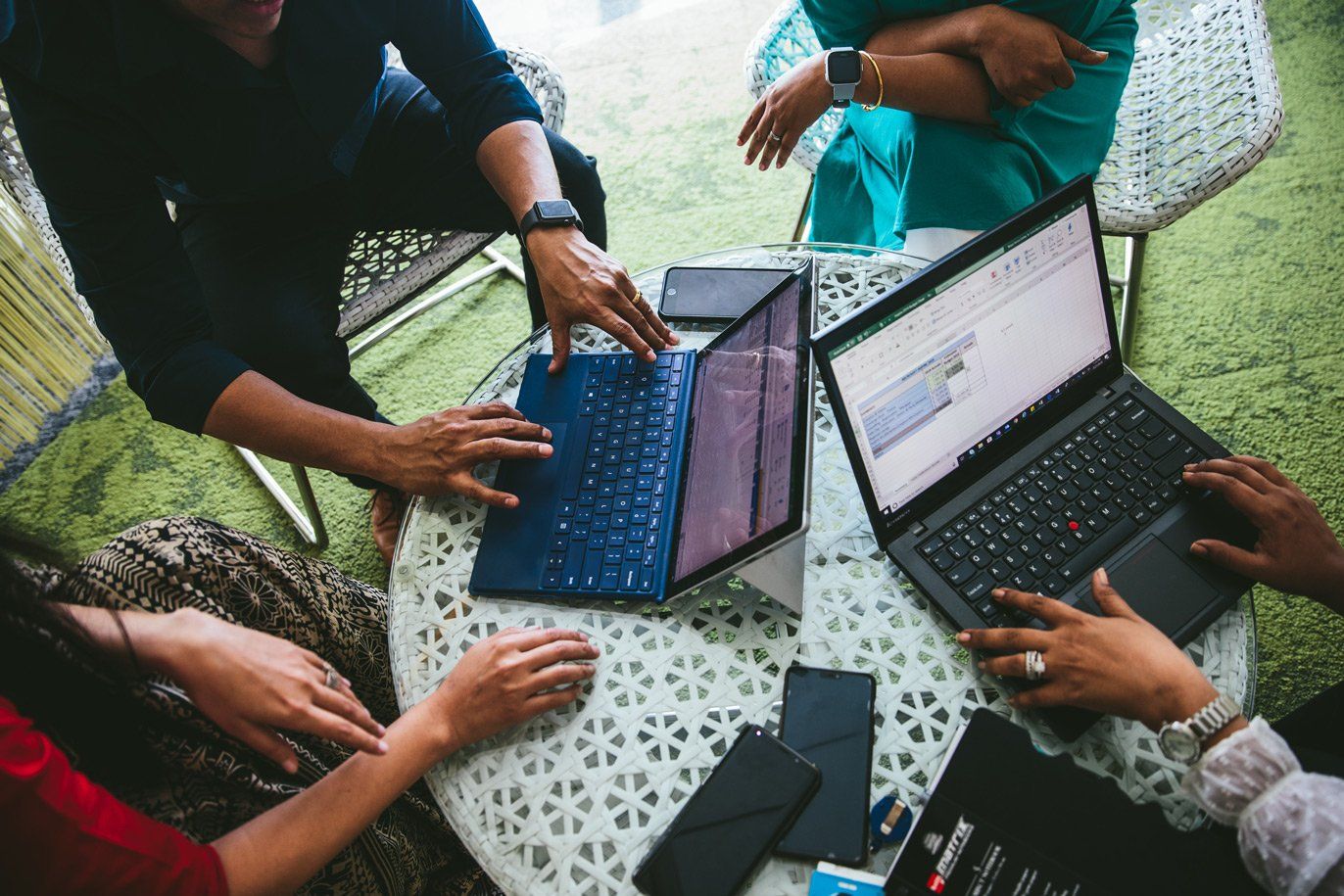
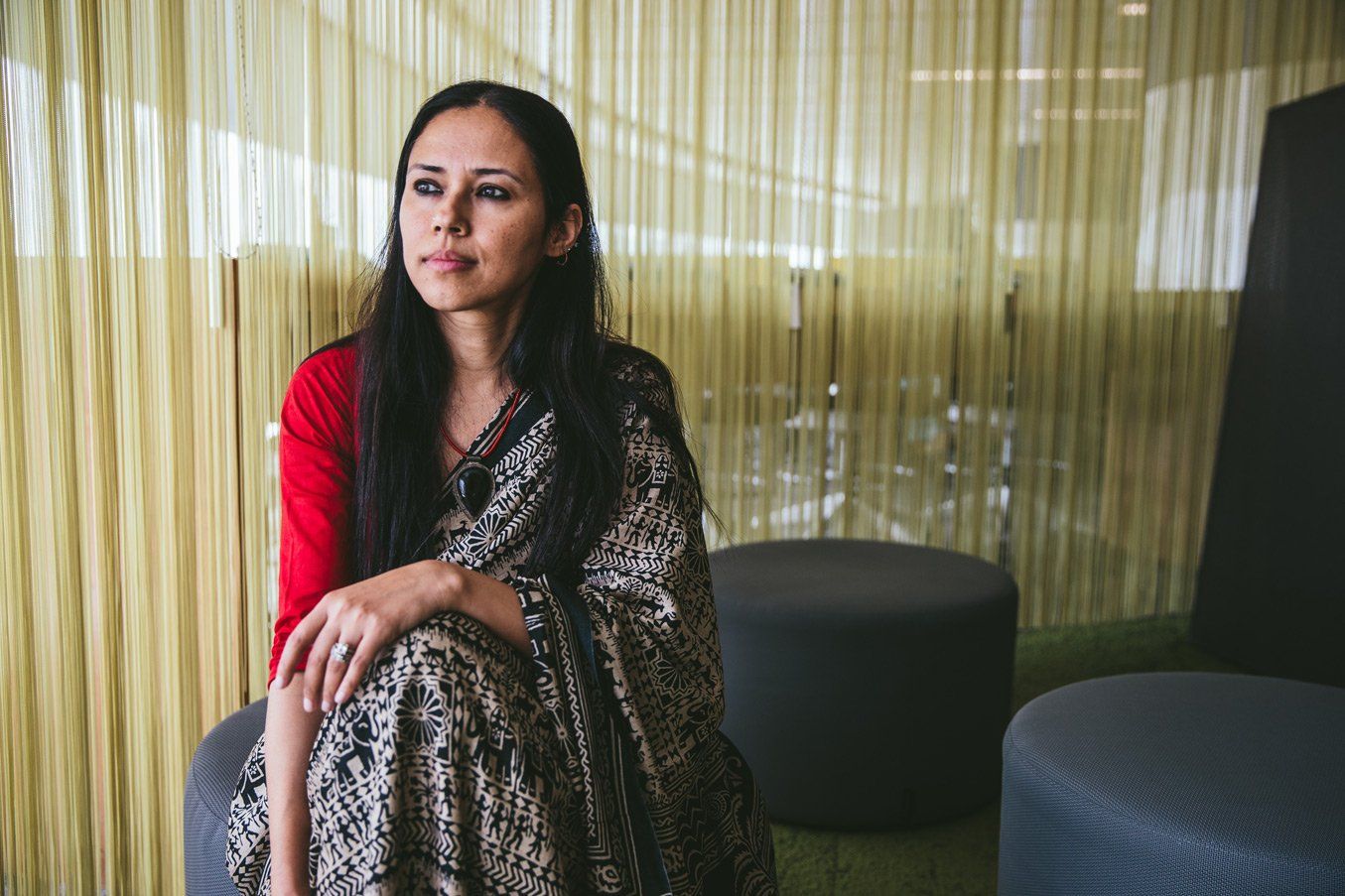
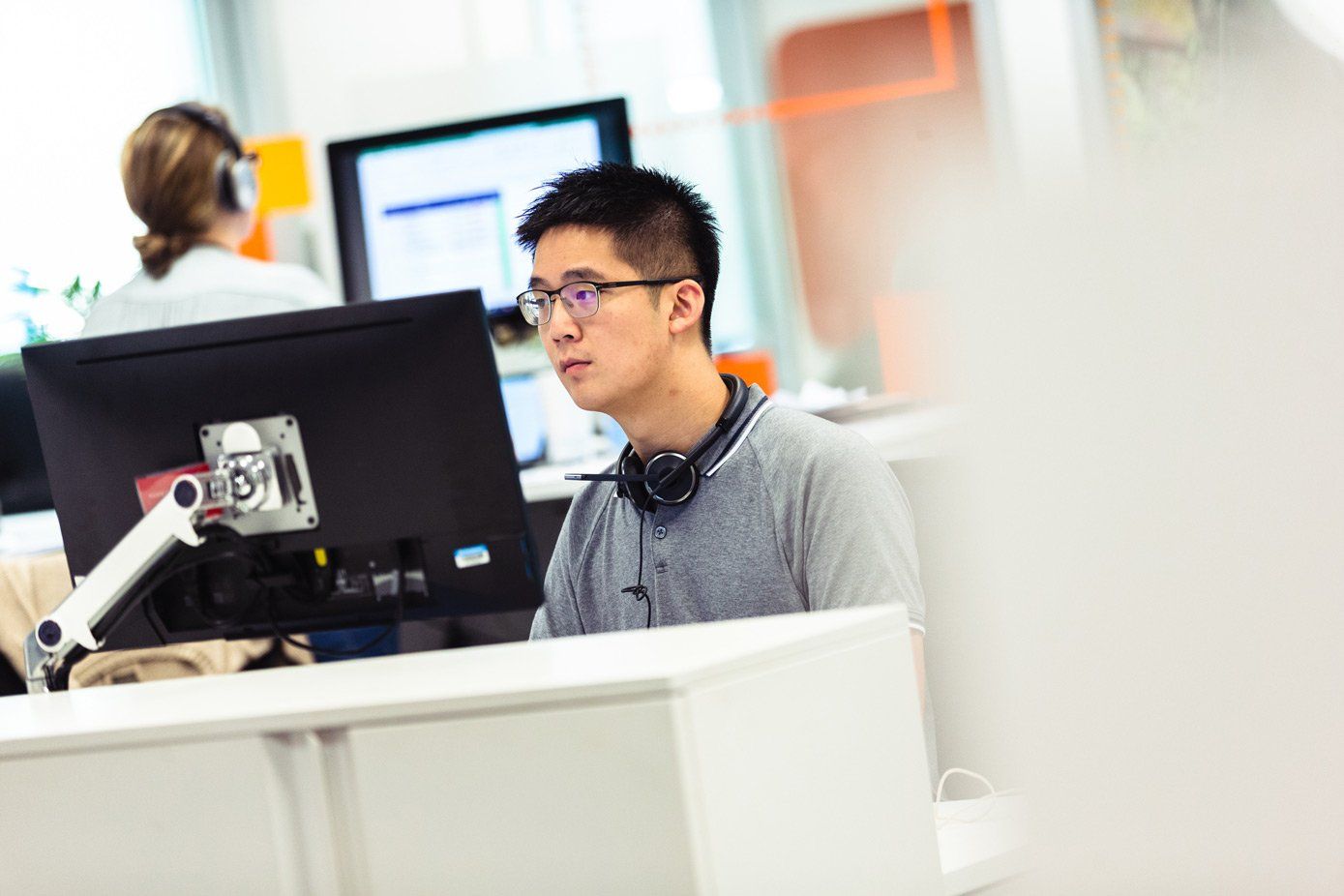
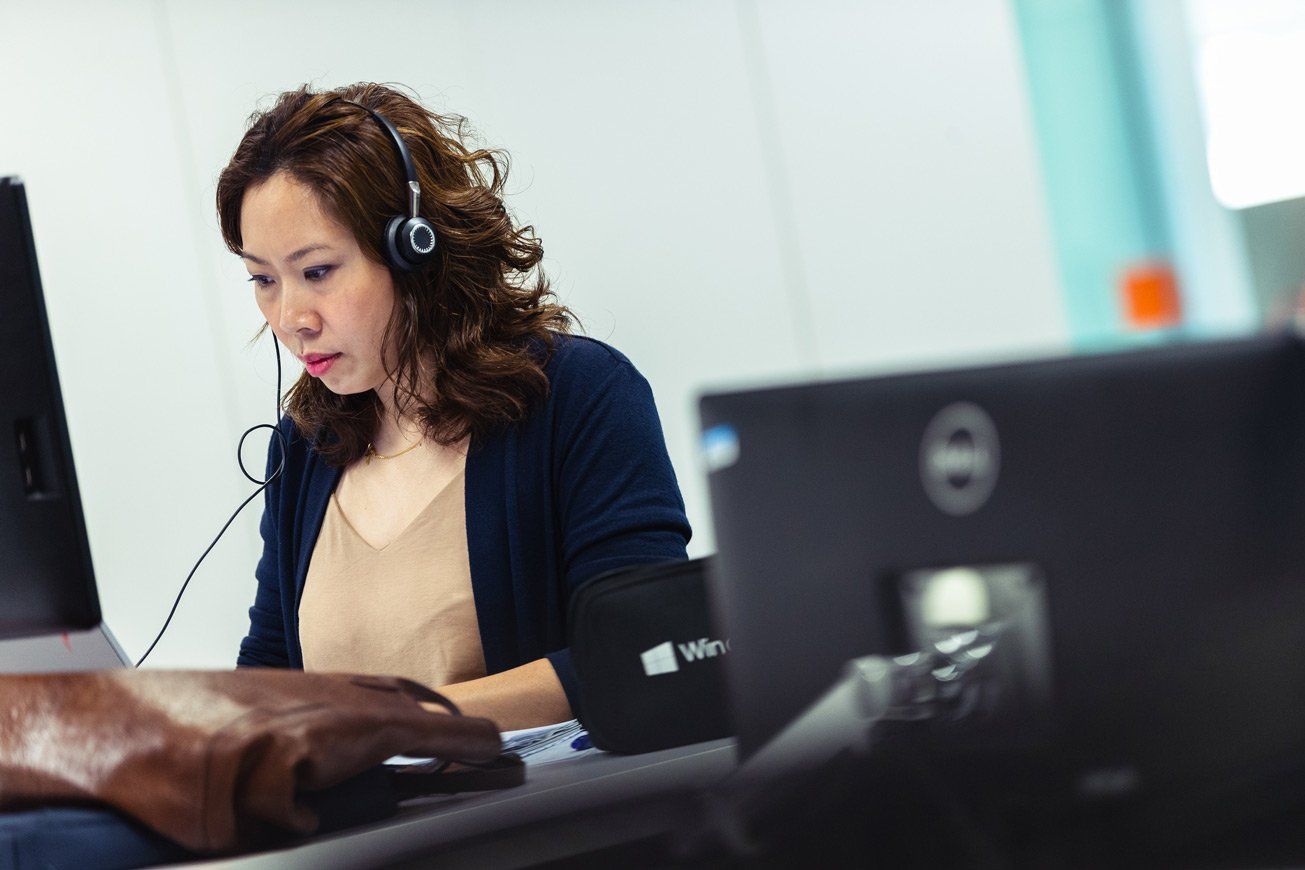
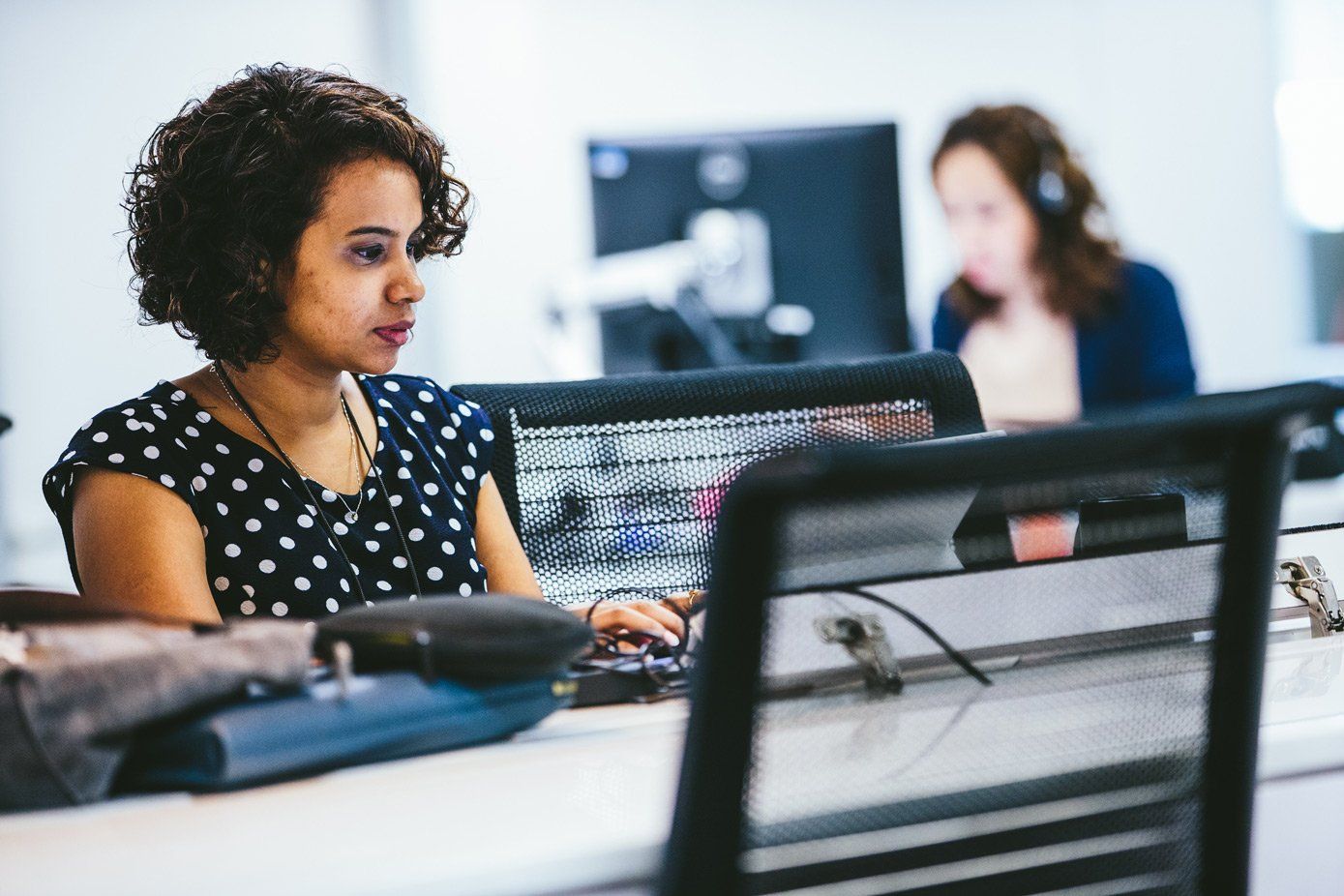
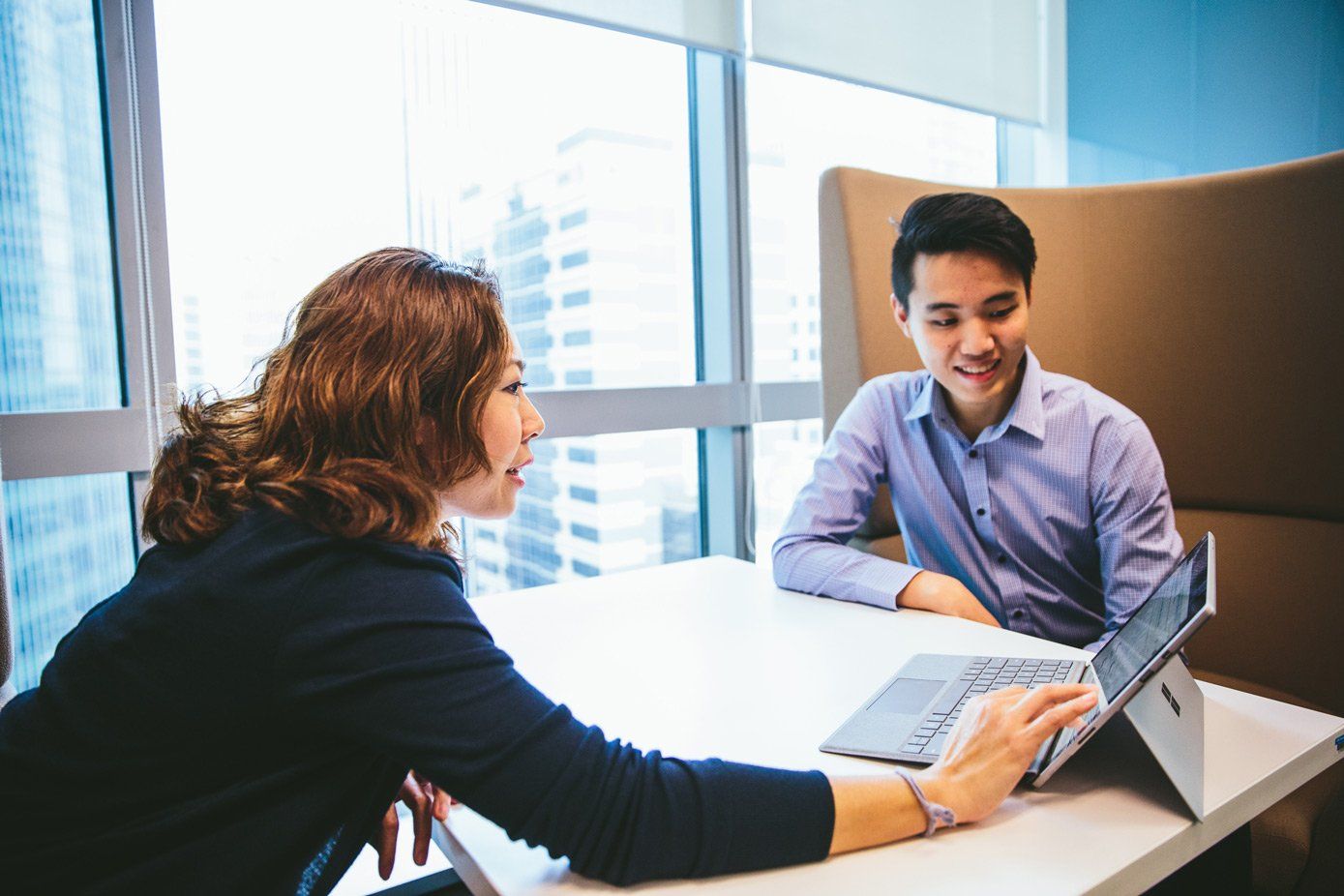
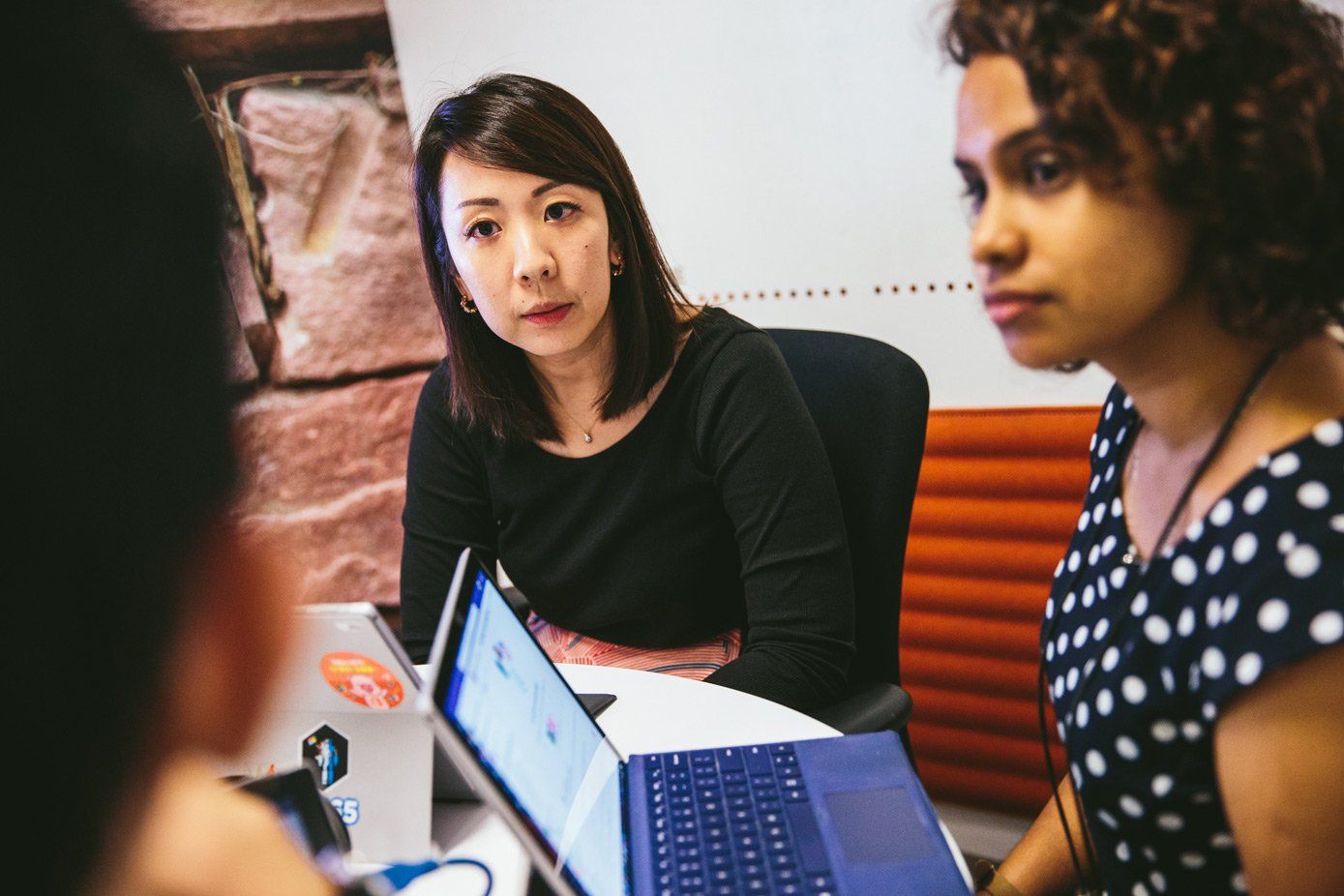
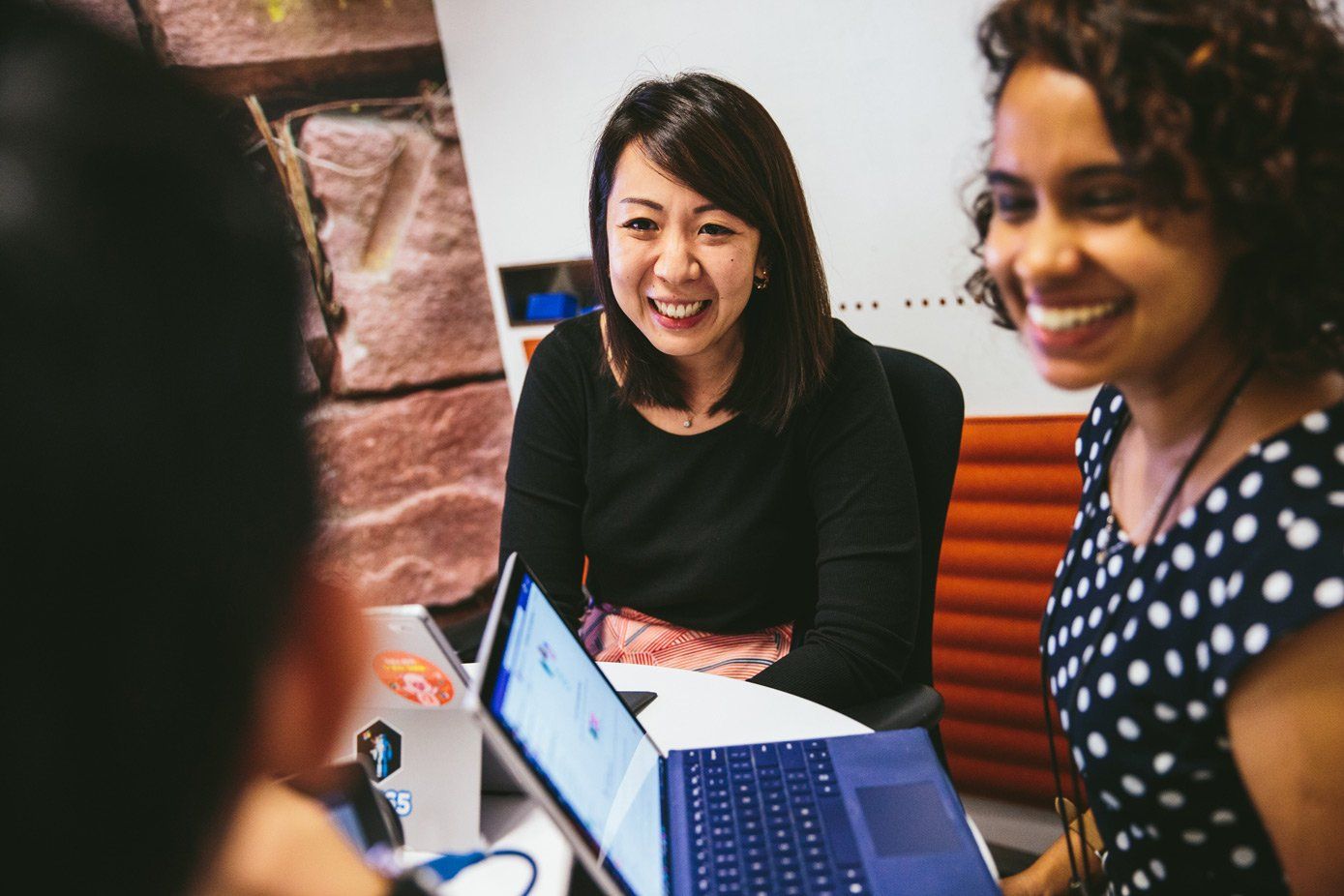
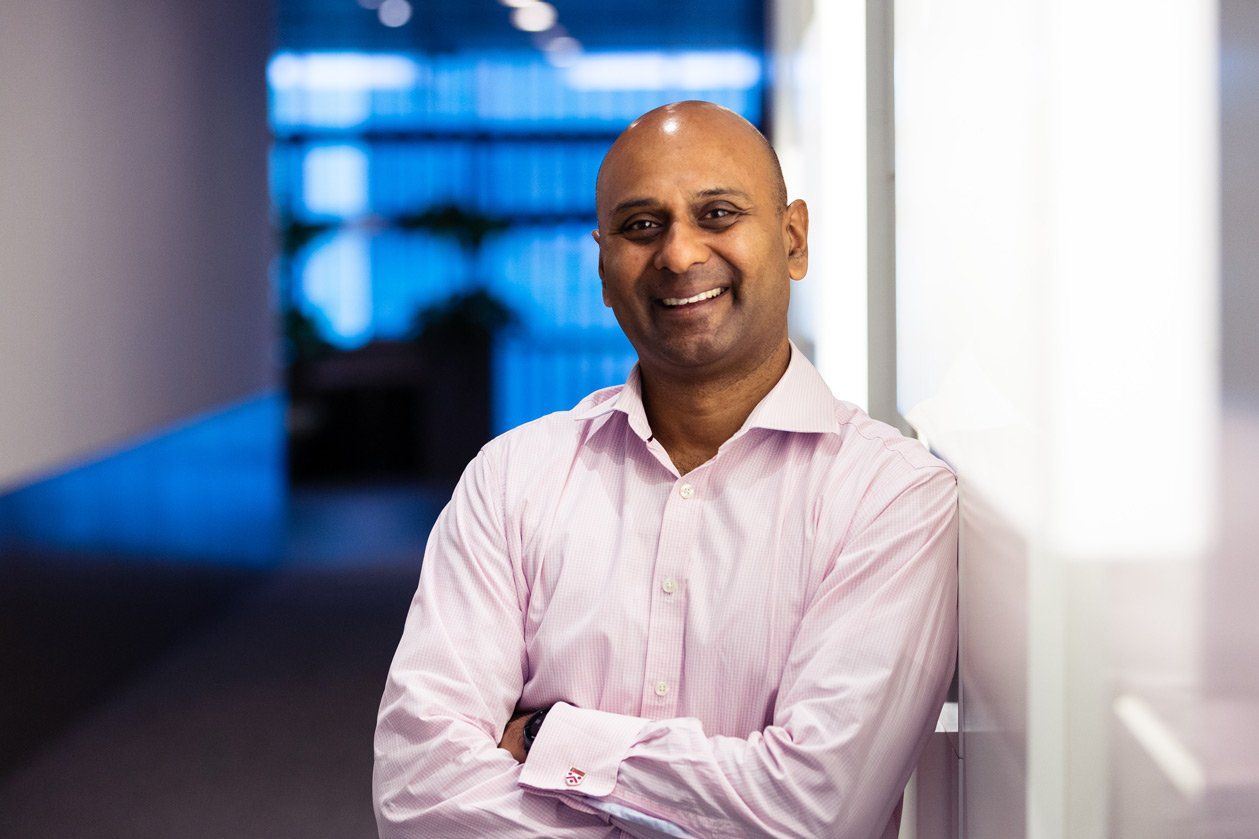
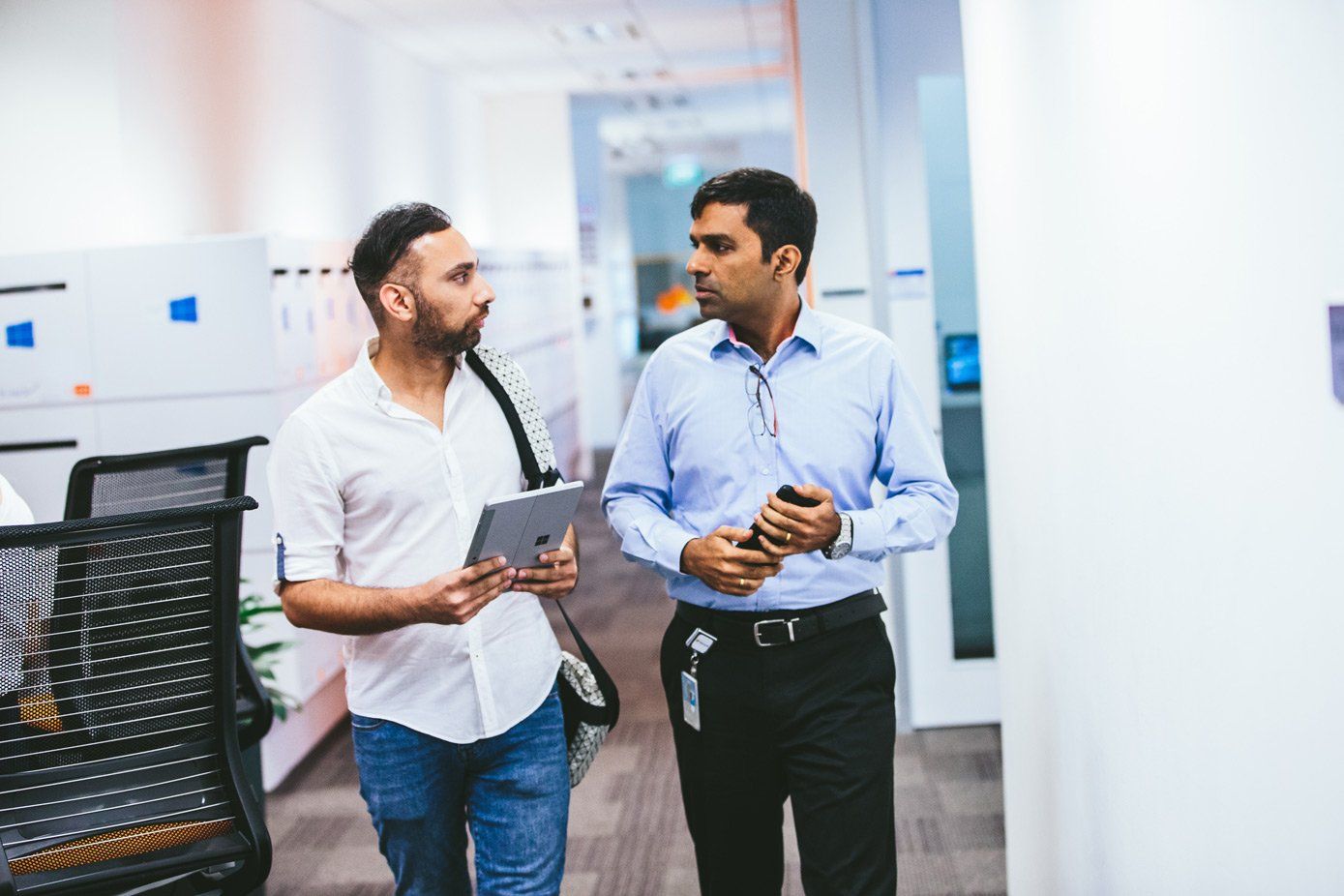
At Microsoft campuses around the world, we see the strength and synergy of diverse teams solving complex challenges. This series is a visual study of collaboration as the cornerstone of innovation.

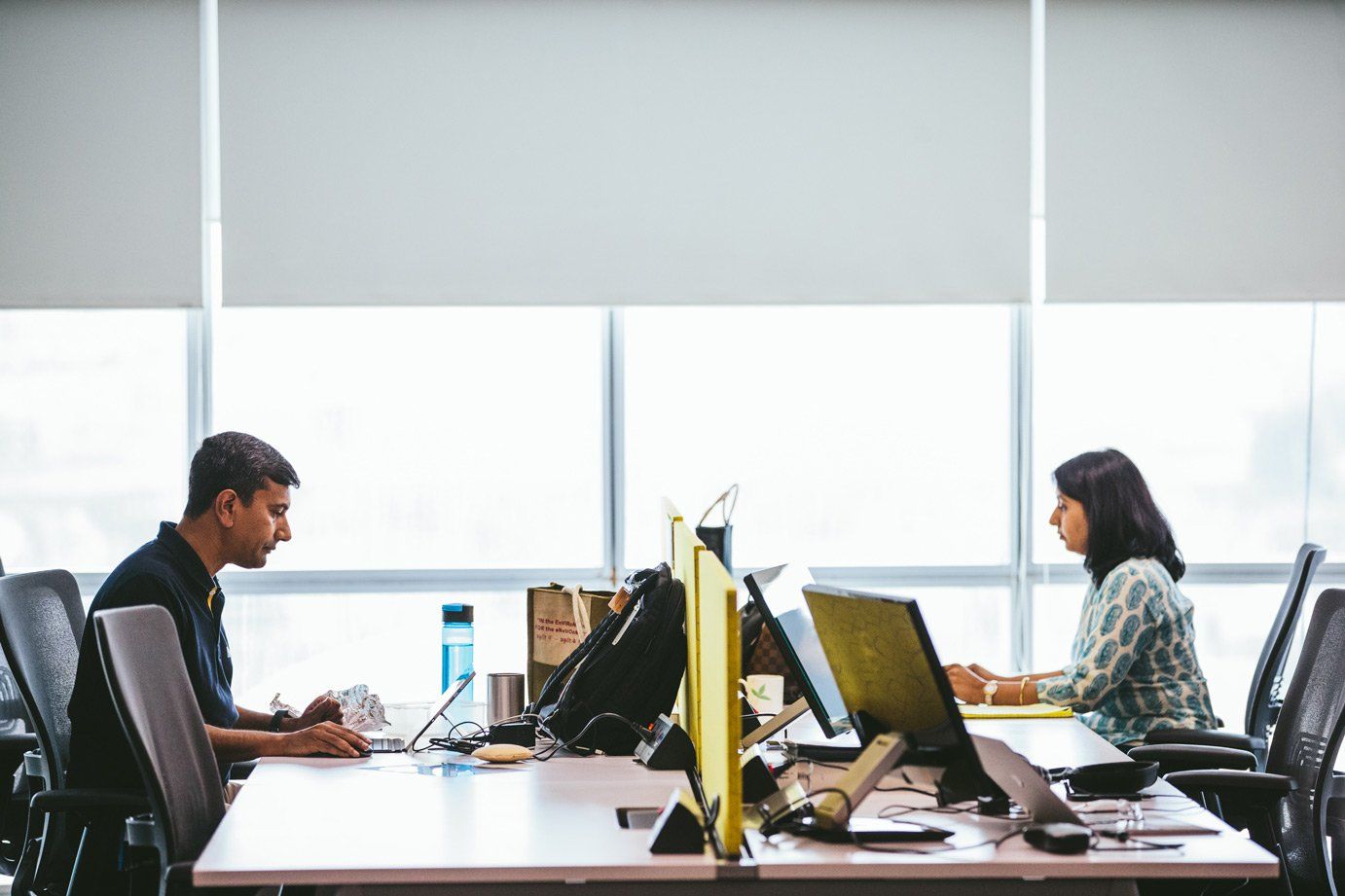
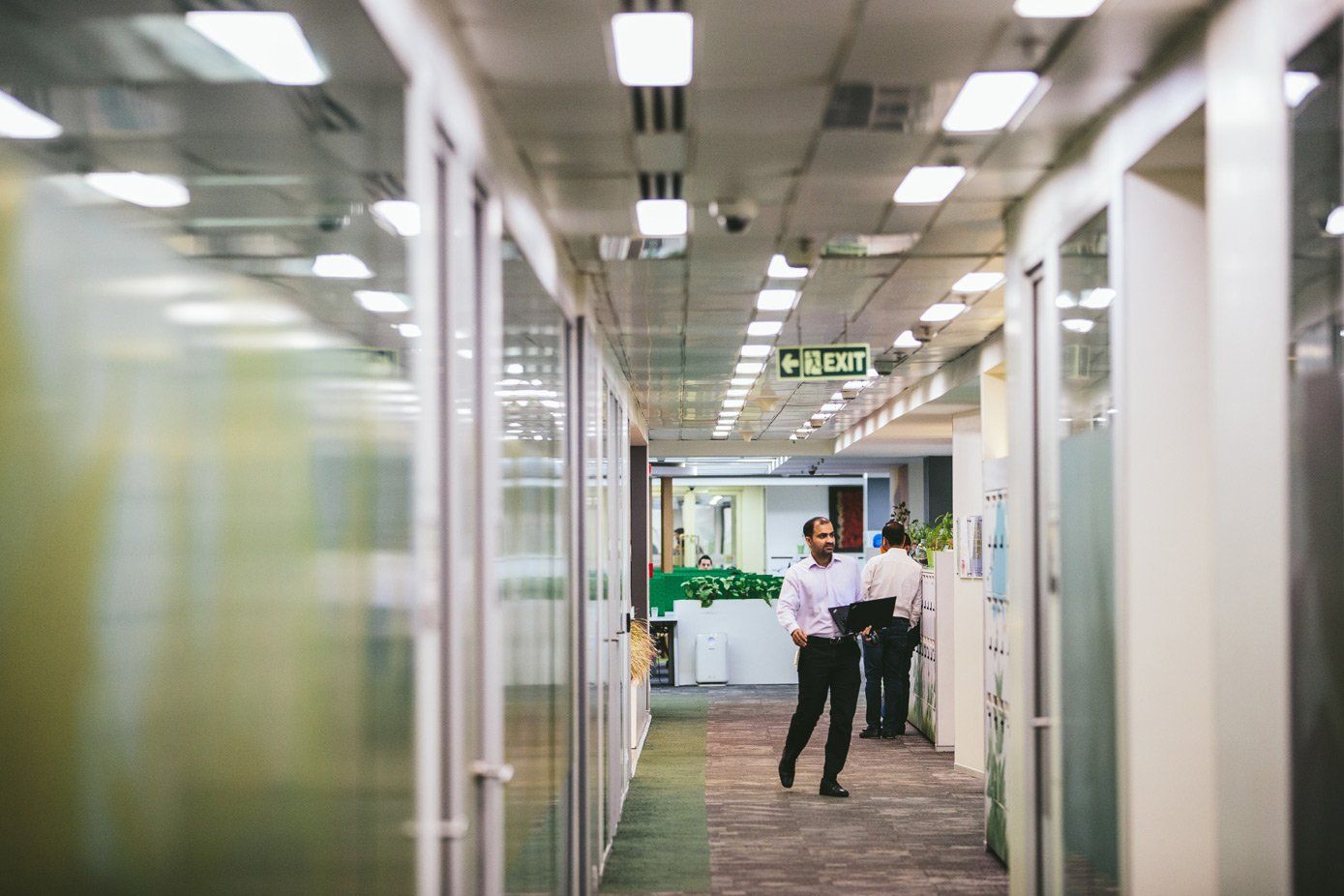
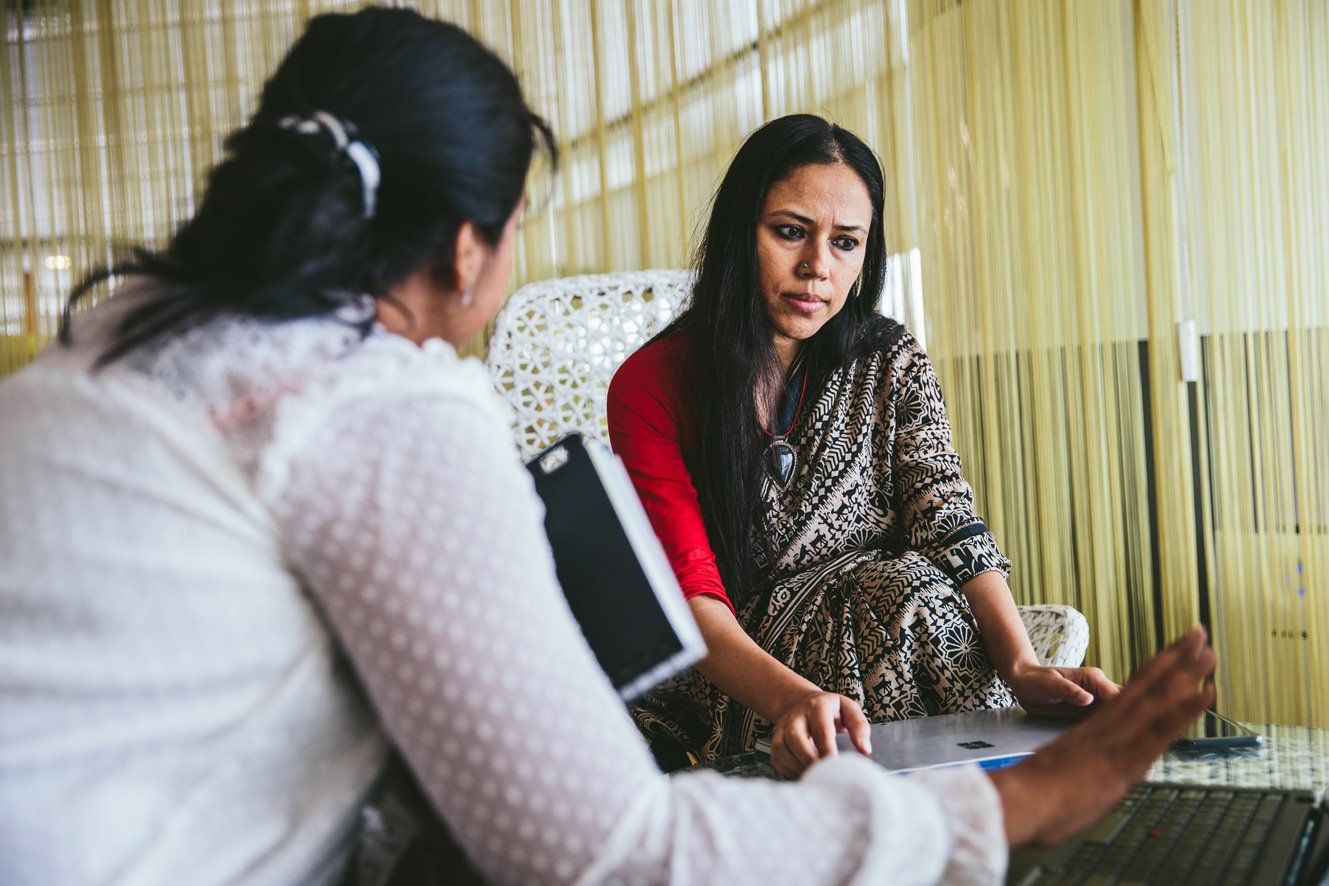
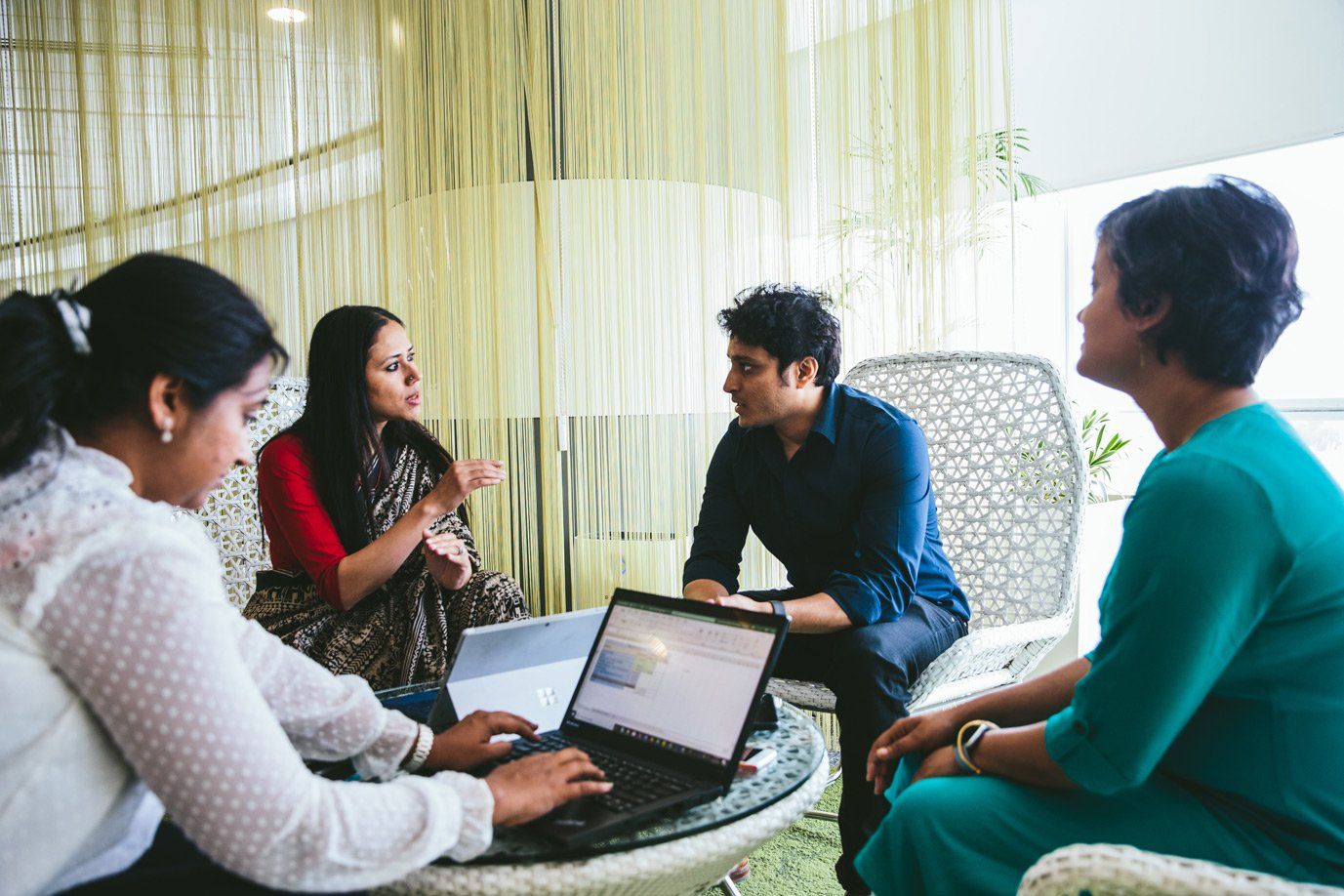

View more
Our staff is as diverse as the world we serve through our products. As one of our core strengths corporately, it is imperative that we prioritize authentic imagery reflecting this diversity. Words are flat and futile in discussions of this genre, while meaningful photography is invaluable and says far more than paragraphs ever could.
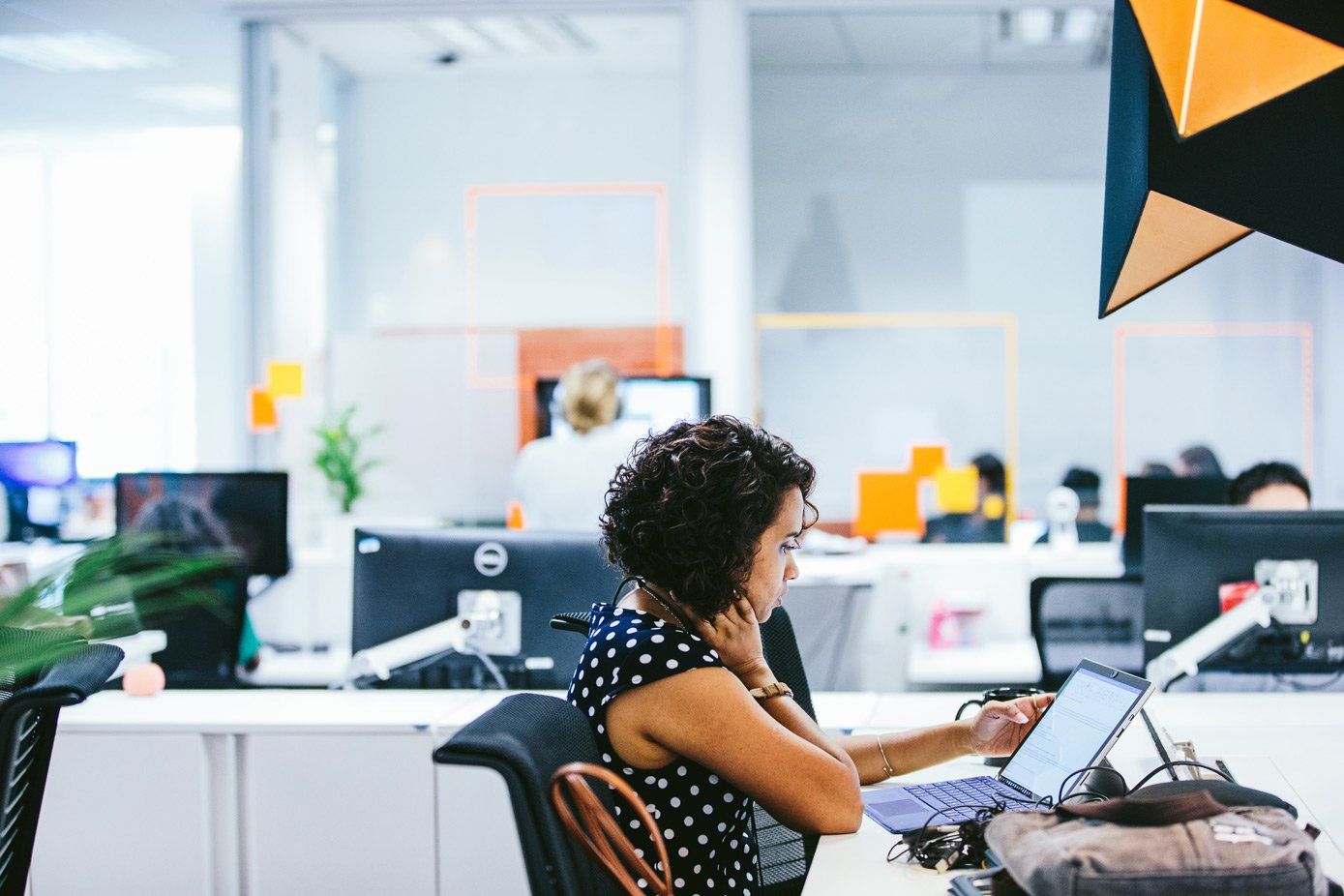
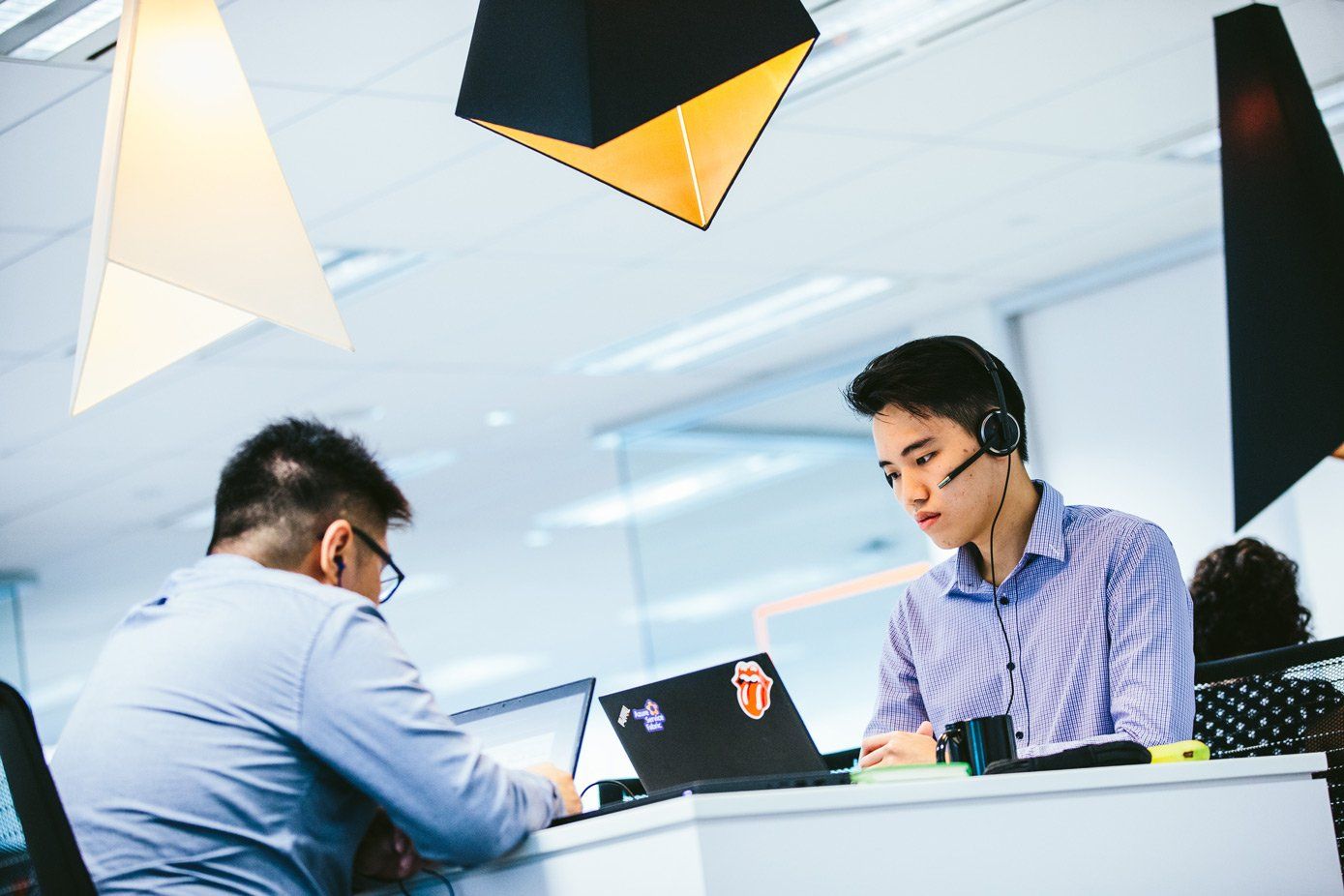
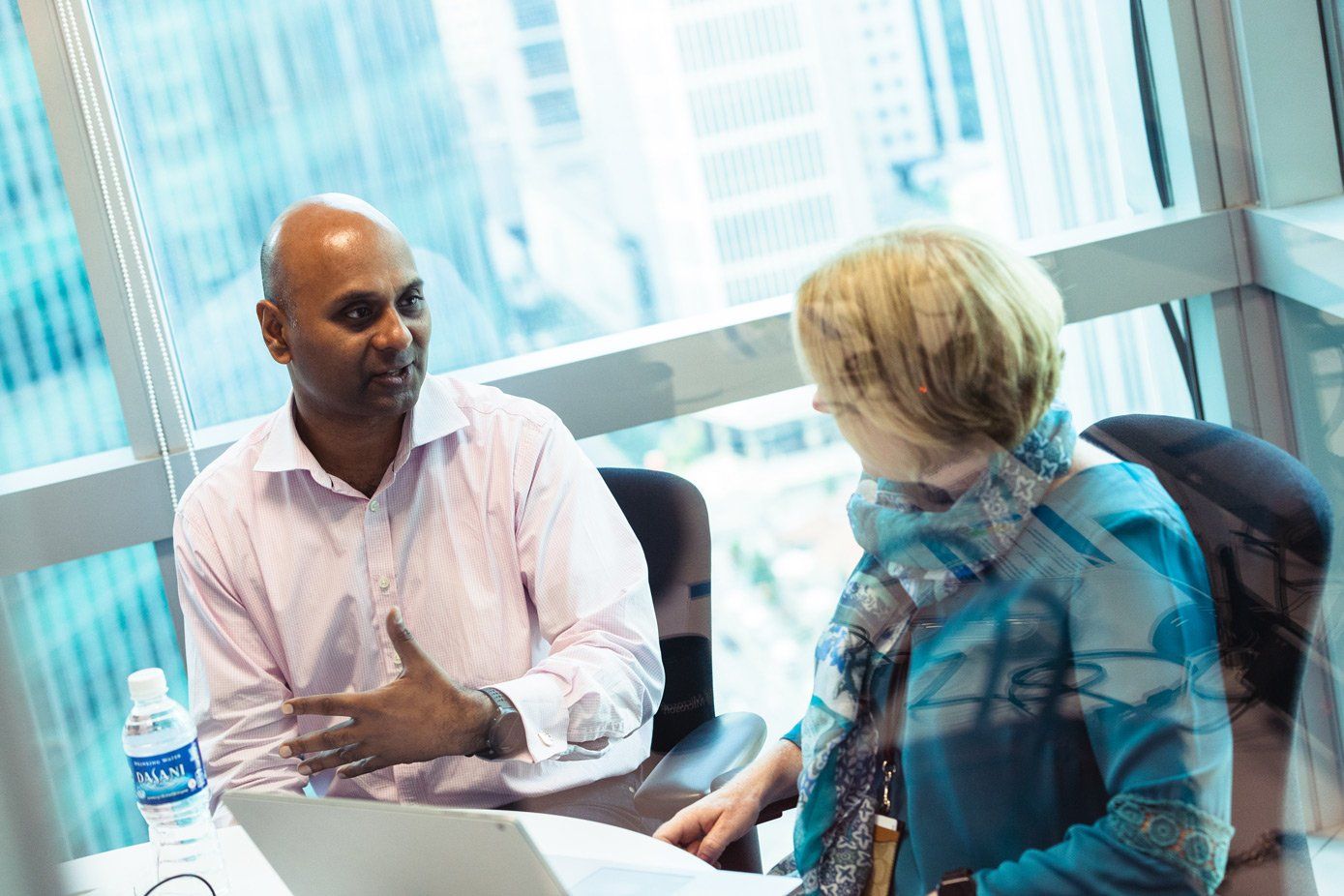
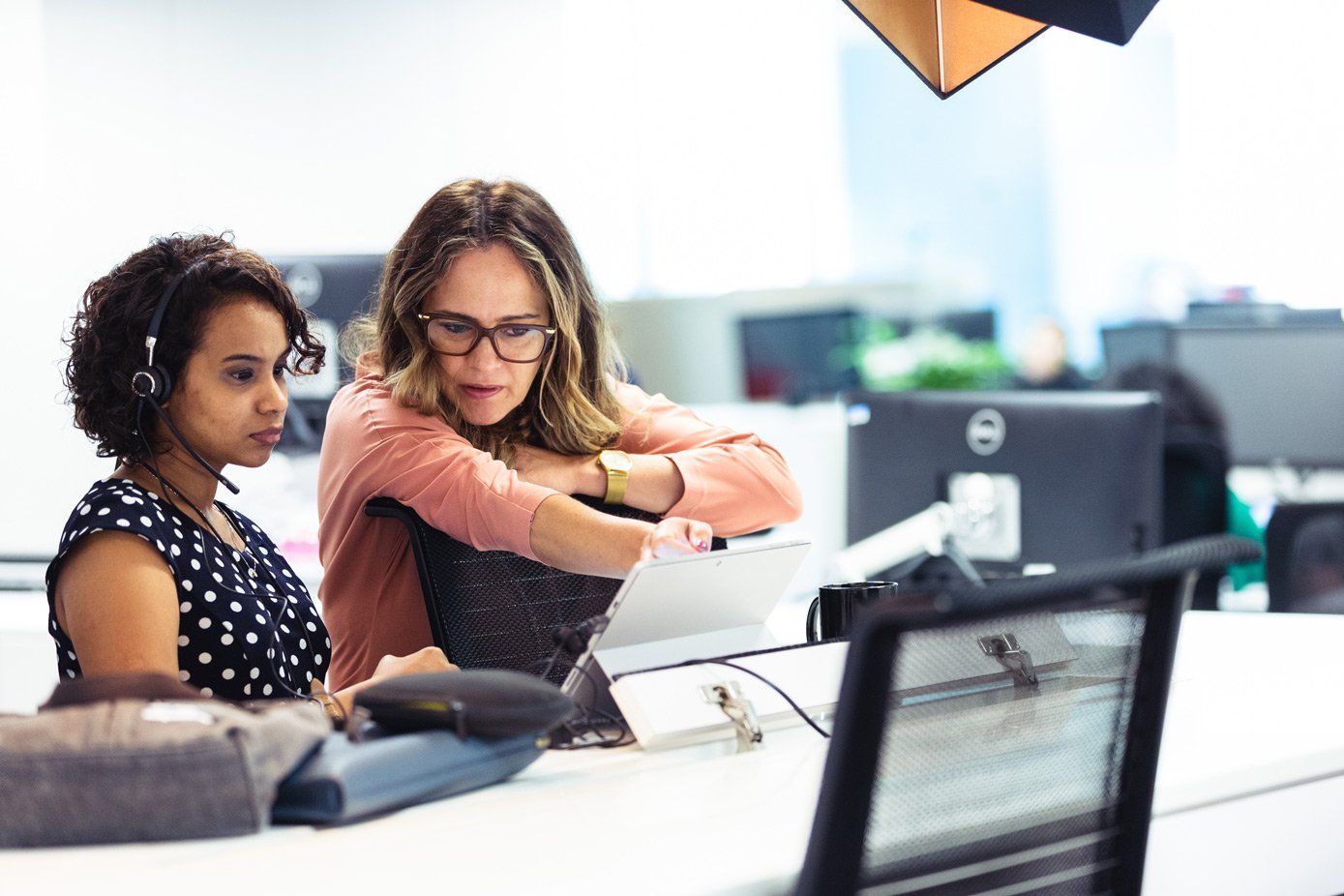

View more
Every day and worldwide, Microsoft teams are collaborating to solve dynamic and complex challenges. Our resulting systems, infrastructure and iconic structures carry meticulous engineering elegantly. As a visual and story team, we endeavor to study these efforts and broader contexts in order to inspire and orient us as a global brand toward collaboration and more deeply inspired, grounded achievement.
We invest in inspiration today, so tomorrow can bring innovation and empower everyone to achieve more.




View more
Moving Images
All film clips are available for licensing / View all footage
Singapore Collection
India Collection
Our Team
Stephen Smith, Project Lead and Executive Producer
Kate Schmidgall, Producer and Writer
David Johnson, Photographer
Stephen Jeter, Cinematographer
Brandon Ritter, Production Assistant
Special Thanks
Manju Dhasmana, Microsoft India
Shruti Narang, Microsoft India
Shriram Parthasarathy, Microsoft India
Shirish Raut, Microsoft, India
Pooja Sachdeva, Pathways World School
Yedev, Gul Farm
Ankit Bansal, Youth4Jobs
Mohammed Hassan, Sakshi Schools
YiTing Quek, DigiGirlz, Singapore
Daniel Teh, Pope Jai Thai